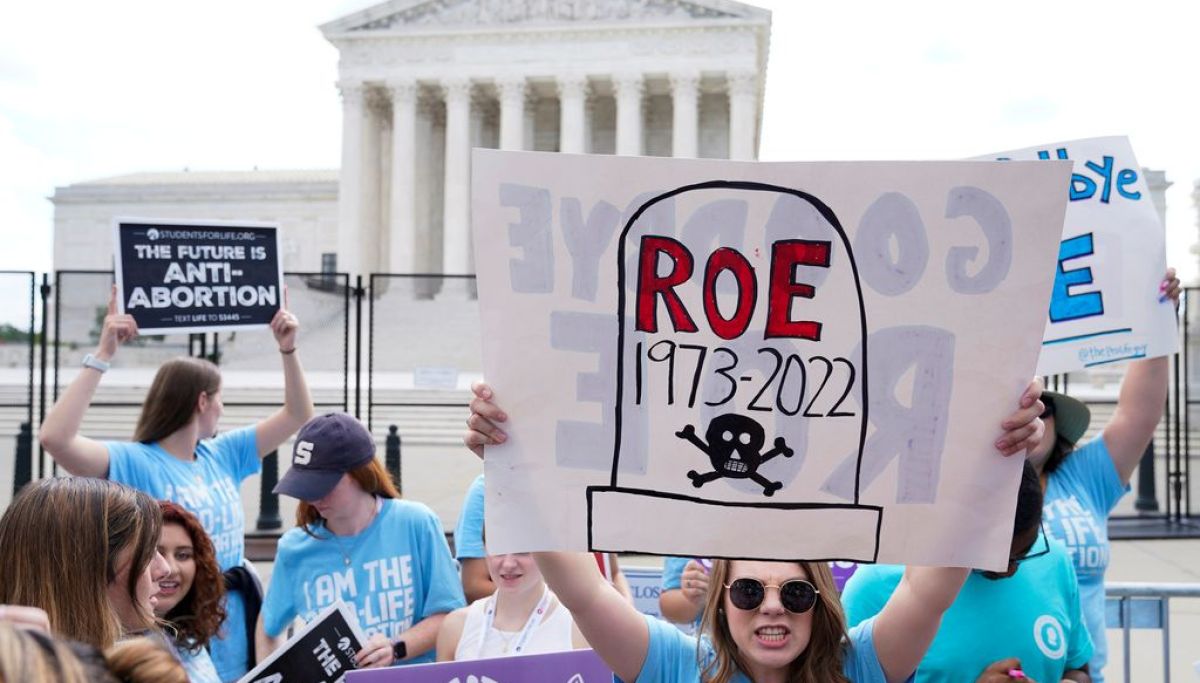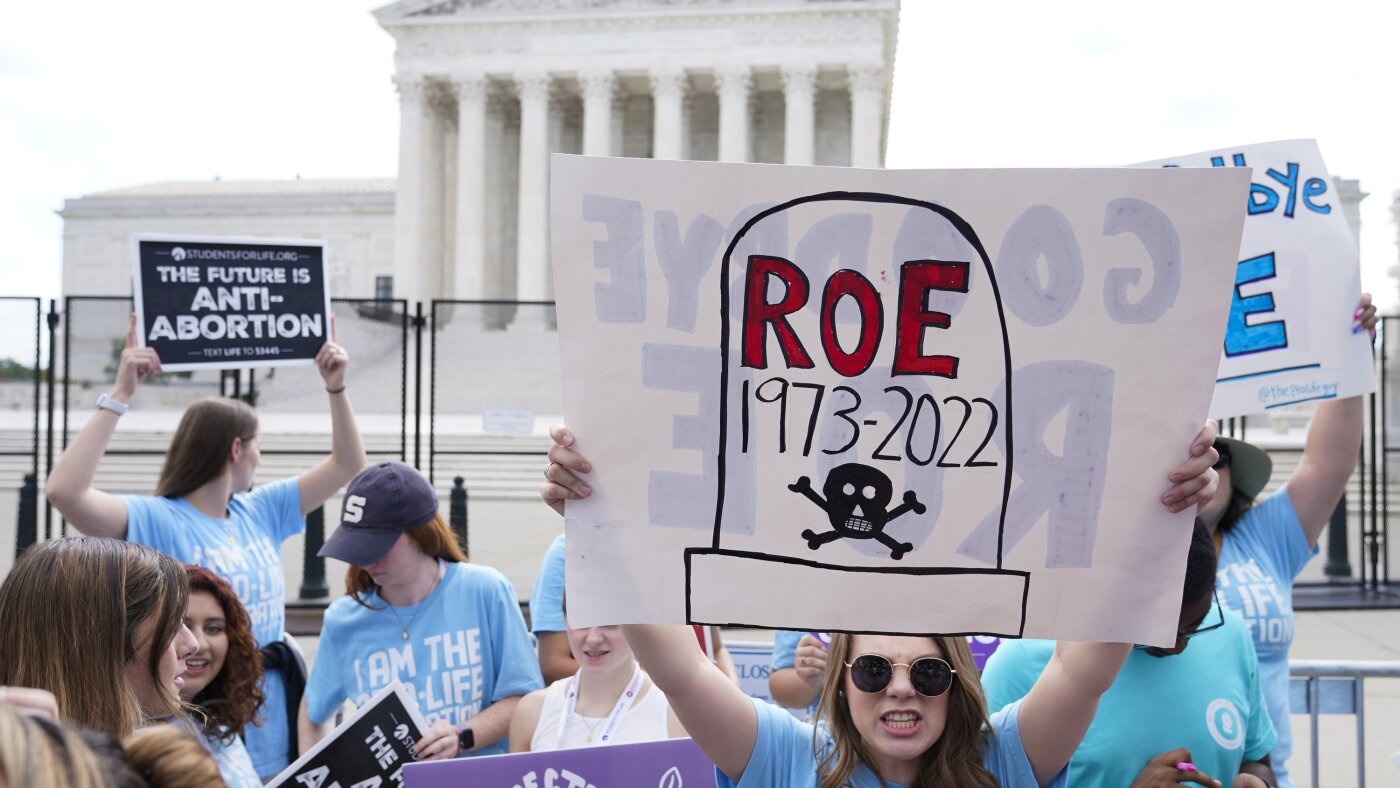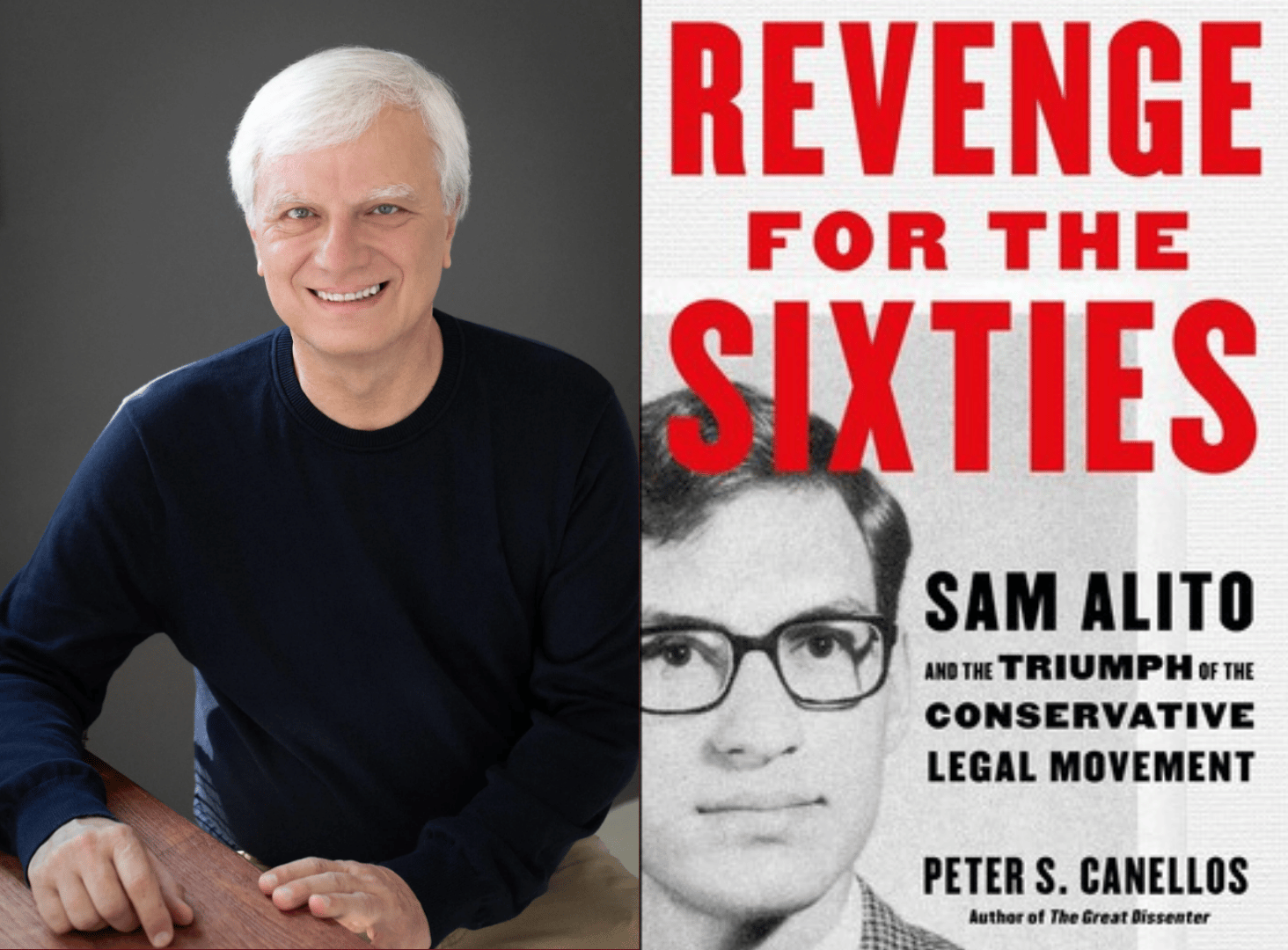
The Supreme Court’s landmark 2022 decision in Dobbs v. Jackson Women’s Health Organization dealt a seismic blow to supporters of reproductive rights by overturning Roe v. Wade (1973), rejecting the argument that the Constitution confers a federal right to abortion.
Dobbs was also momentous for conservatives like Justice Samuel Alito, the opinion’s author, who saw the reversal of Roe as the culmination of a 50-year project to remake the nation’s judiciary and jurisprudence, according to Peter S. Canellos in his new book, “Revenge For the Sixties: Sam Alito and the Triumph of the Conservative Legal Movement.”
In this edited conversation, Canellos, a former Boston Globe and Politico editor, chronicles how a left-wing intellectual battle at Harvard Law School during the 1970s drove conservatives to build a powerful network of organizations, like the Federalist Society and the Heritage Foundation, in an attempt to halt what they viewed as domination of the courts and law by the forces of “radical” liberalism.
Set the scene: What was happening at the Law School that so outraged conservatives?
The ’60s and ’70s were an era of radicalism in legal academia. The battle lines were not liberal versus conservative; they were radical versus mainstream. In those days, the mainstream was what we would consider today to be New Deal-style liberalism or the positions of the Supreme Court under Chief Justice Earl Warren.