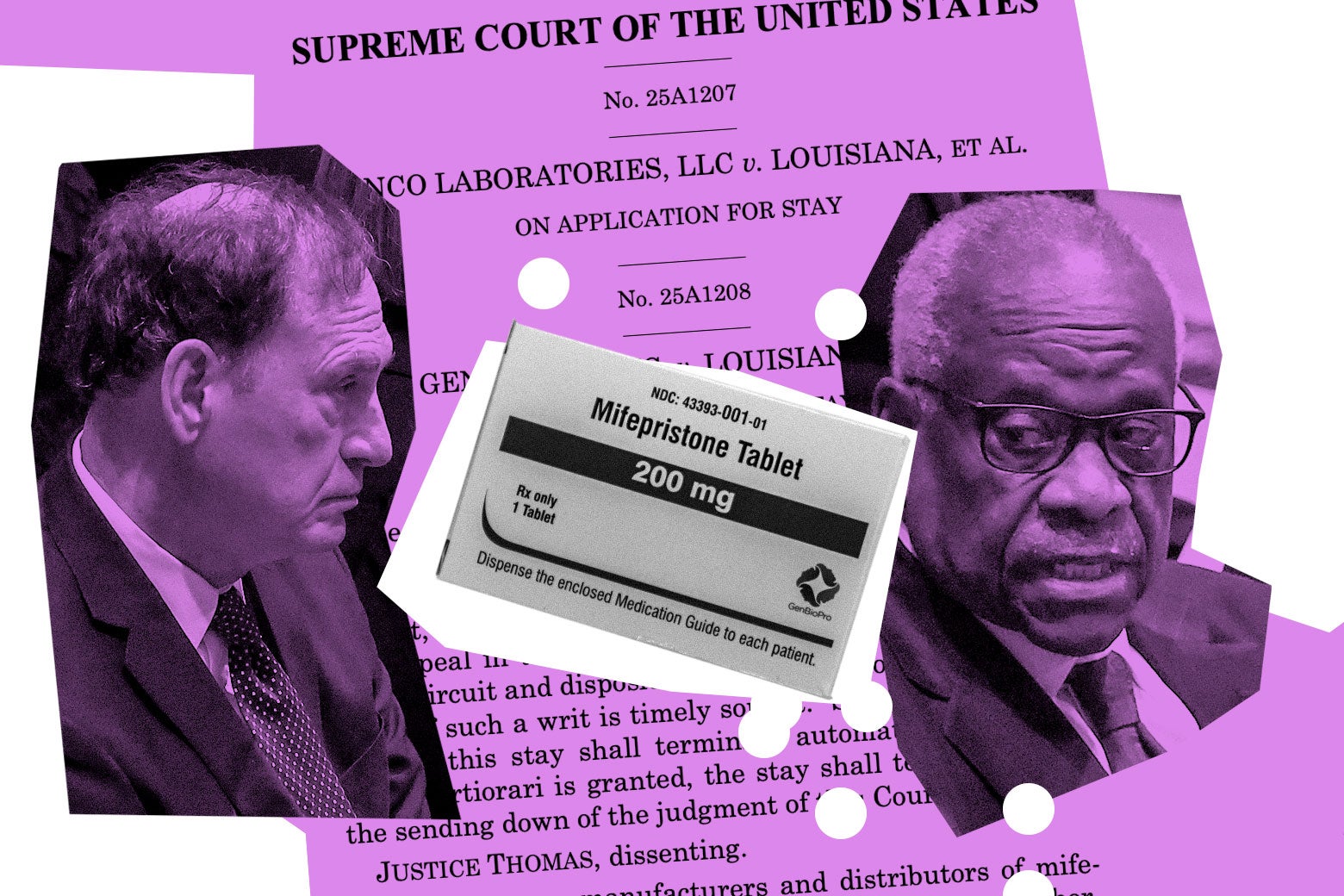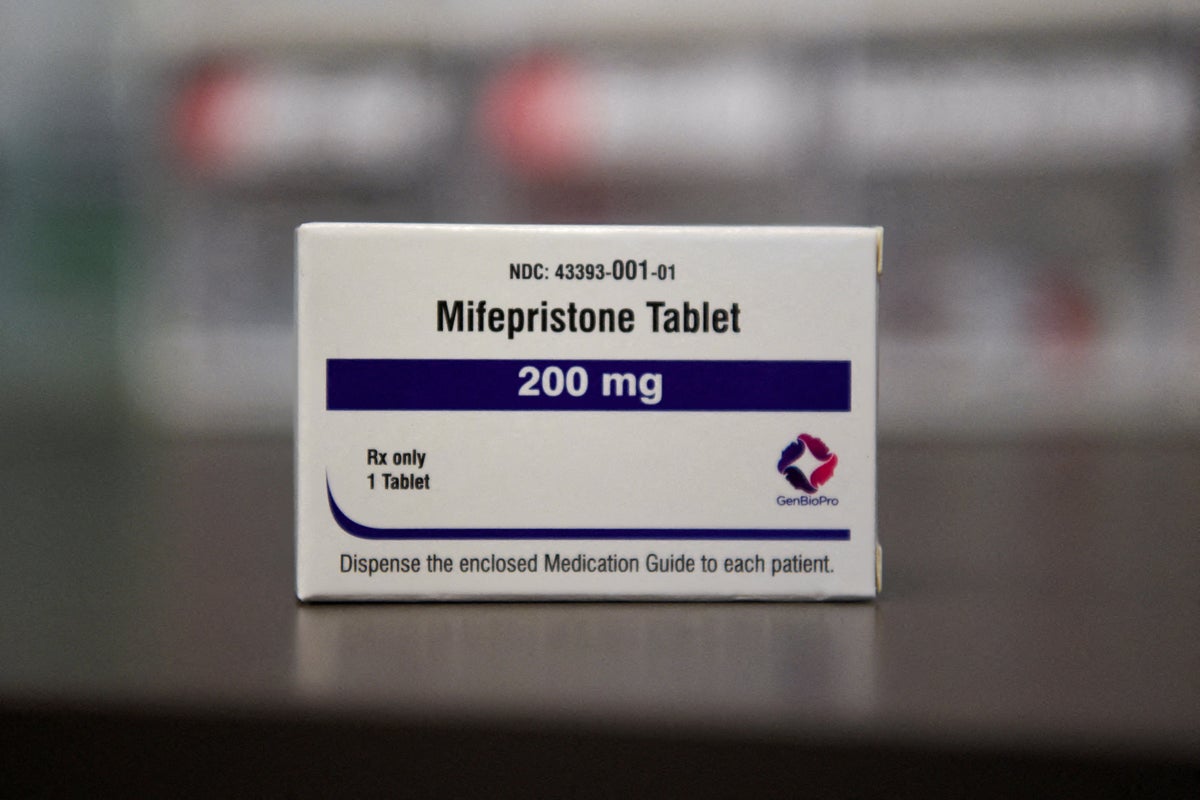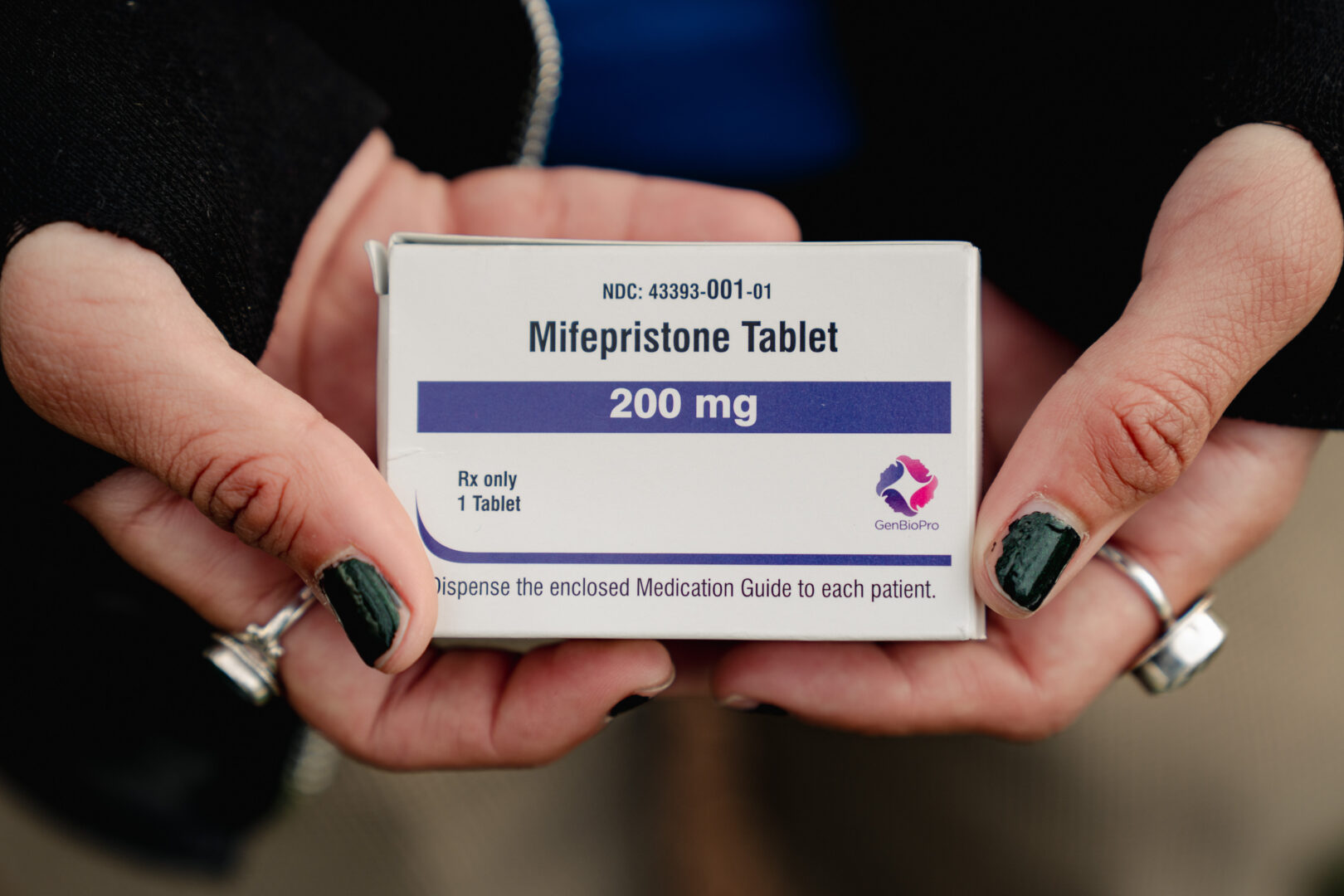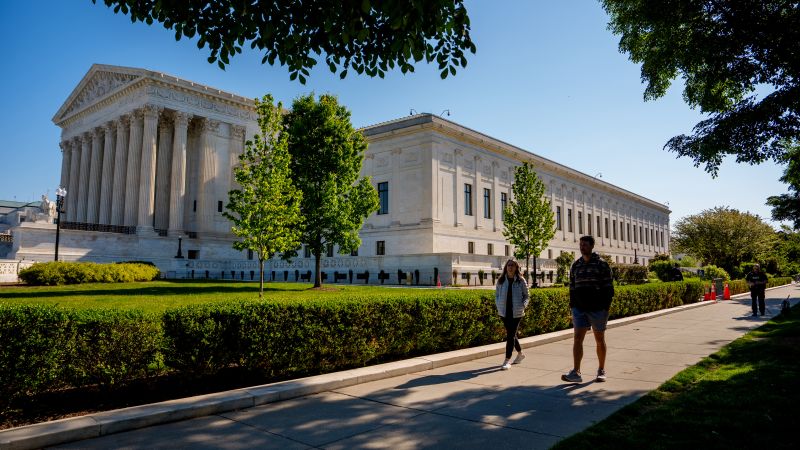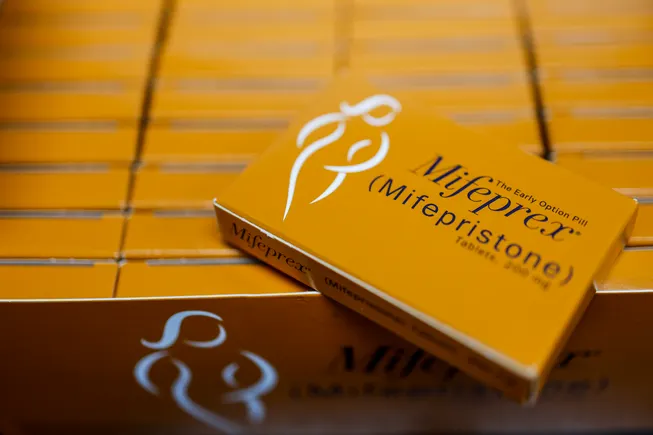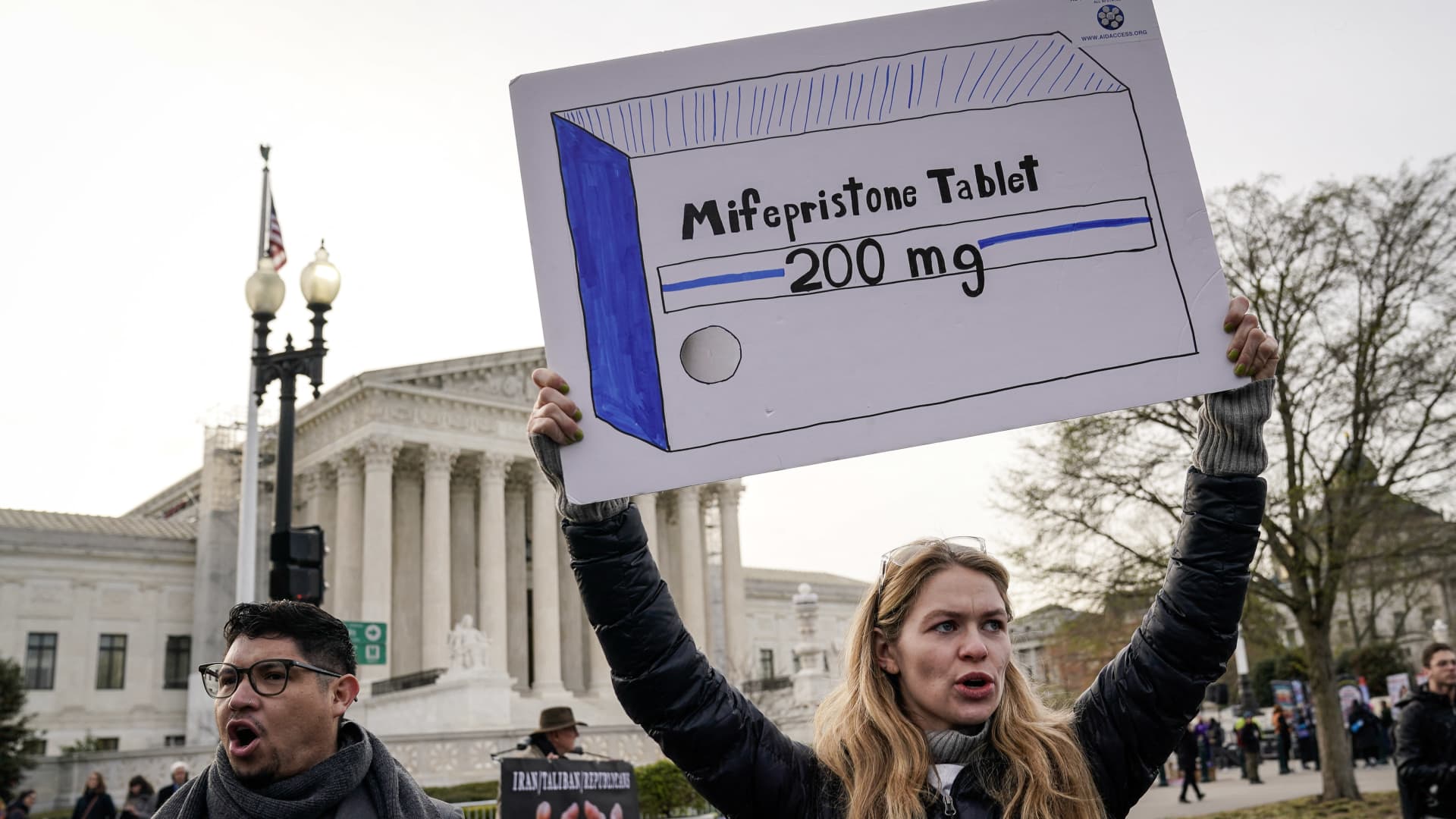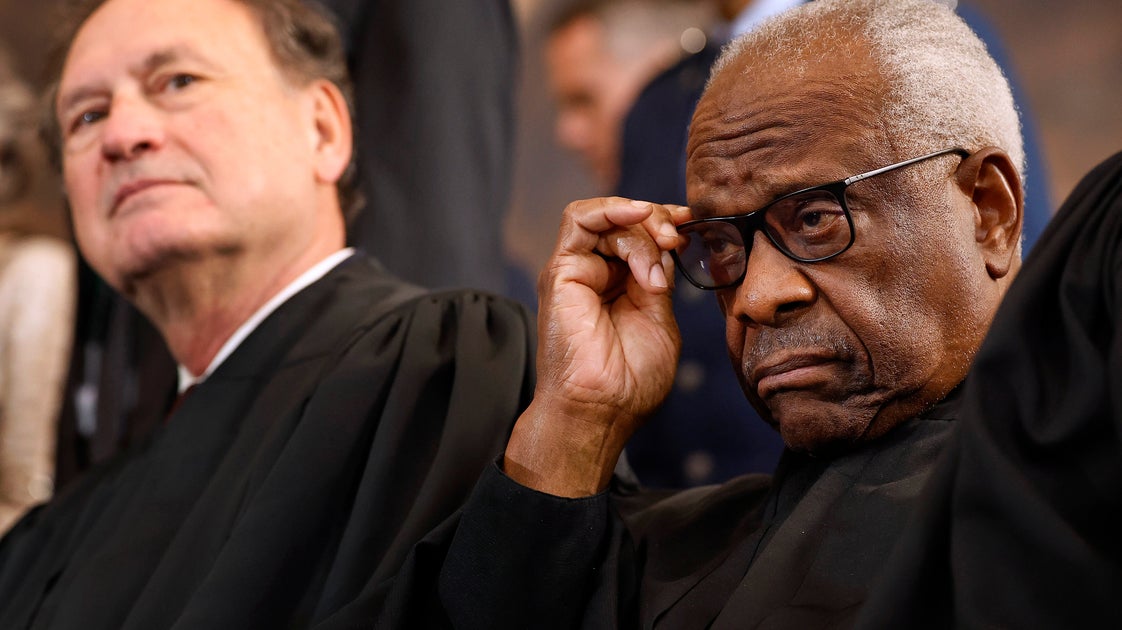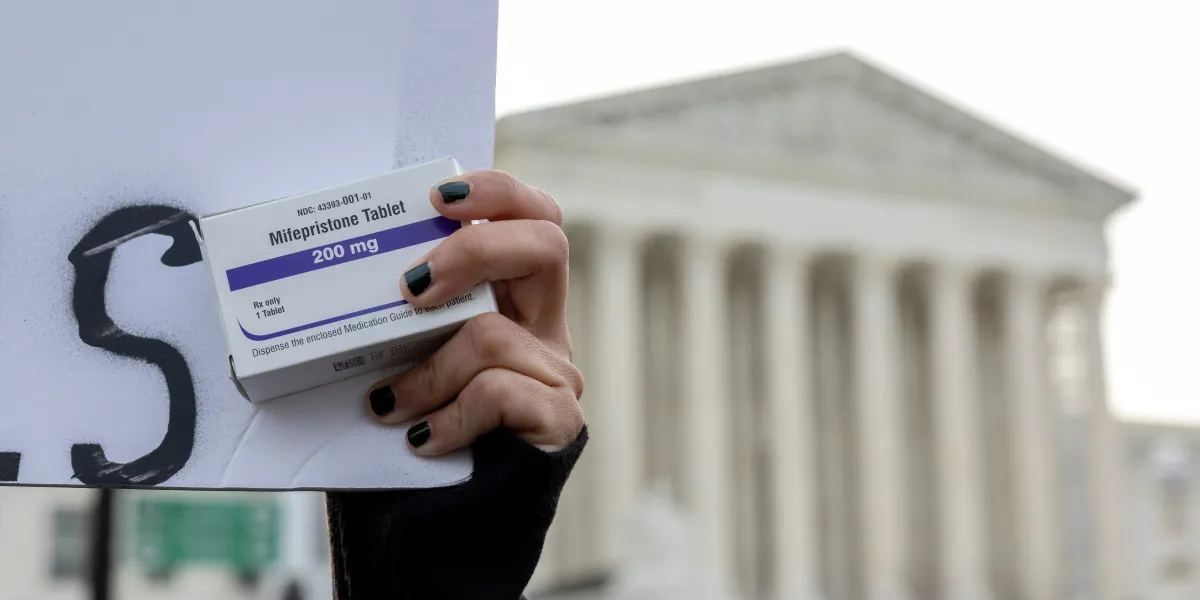
Supreme Court Justices Clarence Thomas and Samuel Alito found themselves in the minority on Thursday, when the court ruled that telehealth access to the abortion drug mifepristone could continue, leaving the dissenting conservatives to foreshadow a future showdown over abortion rights.
Both justices railed against the decision, with Alito calling it a “scheme” to get around their ruling in Dobbs v. Jackson that eliminated the nationwide right to an abortion in 2022. Abortions have increased since their decision, Alito lamented, largely due to telehealth access.
In 2025, far more residents of states with total abortion bans received telehealth provisions of medication abortion than traveled out of state to receive care in places with fewer restrictions. And roughly two-thirds of all abortions in the U.S. in 2023 were medication abortions. But advocates warn that the dissents from Thomas and Alito highlight that the threat to abortion access still looms large.
“We’re breathing a sigh of relief. I would say that the immediate threat to mifepristone is over,” said Claire Teylouni, interim co-executive director of Reproductive Equity Now, “But it’s certainly clear from reading those dissents that the threat … is far from over.”