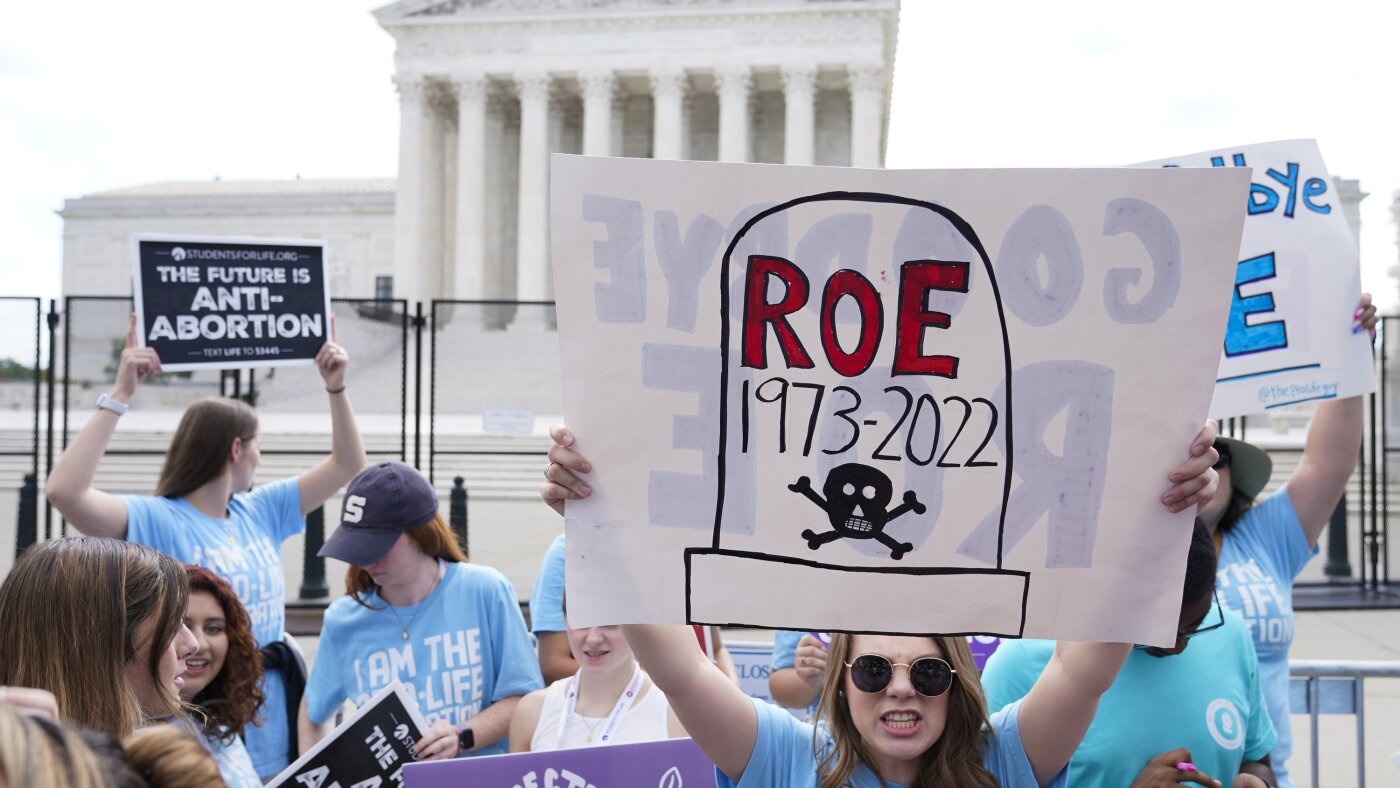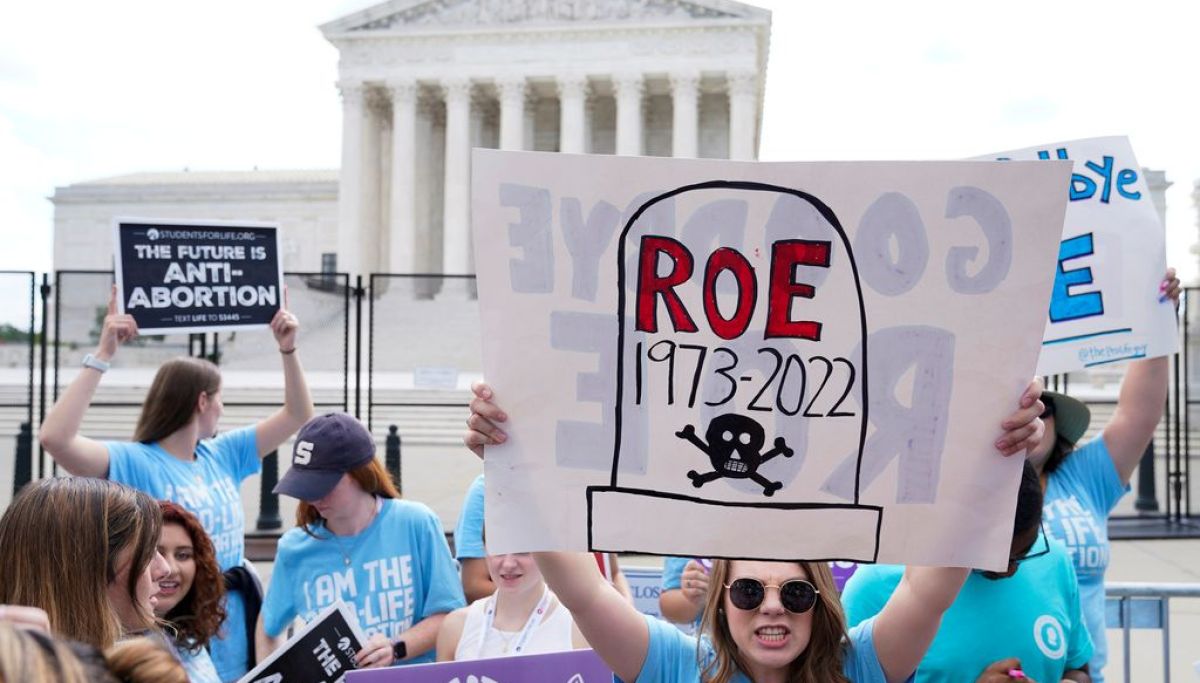
Before Roe v. Wade was overturned, the pro-life movement’s strategy was to challenge the 1973 ruling in the courts. States drafted and passed legislation that pushed the boundaries of what was allowed under the Roe framework and escalated their cases in hopes the Supreme Court would rule that Roe was “wrongly decided.” Dobbs v. Jackson Women’s Health Organization out of Mississippi finally presented that opportunity. I joined the movement shortly after Roe was overturned and quickly saw that the battles in this new landscape were widely unpredictable. Strategies needed to be refined even though movement leaders had outlined some strategies for the post-Roe landscape. Increased prevalence of chemical abortion was arguably the most predictable outcome of the decision. Abortion advocates partnered with the Biden administration to make abortion pills available by mail. This concerted effort to undermine pro-life laws was combined with state abortion shield laws to protect abortionists in states such as New York and California when violating protective pro-life laws.
The movement has worked diligently to confront the harms of the abortion pill head-on by crafting enforceable policy at the state and federal levels. We have taken new steps to educate the public on the evidence-based harms of the abortion pill and the humanity of the child in the womb. These efforts have borne cultural fruit.