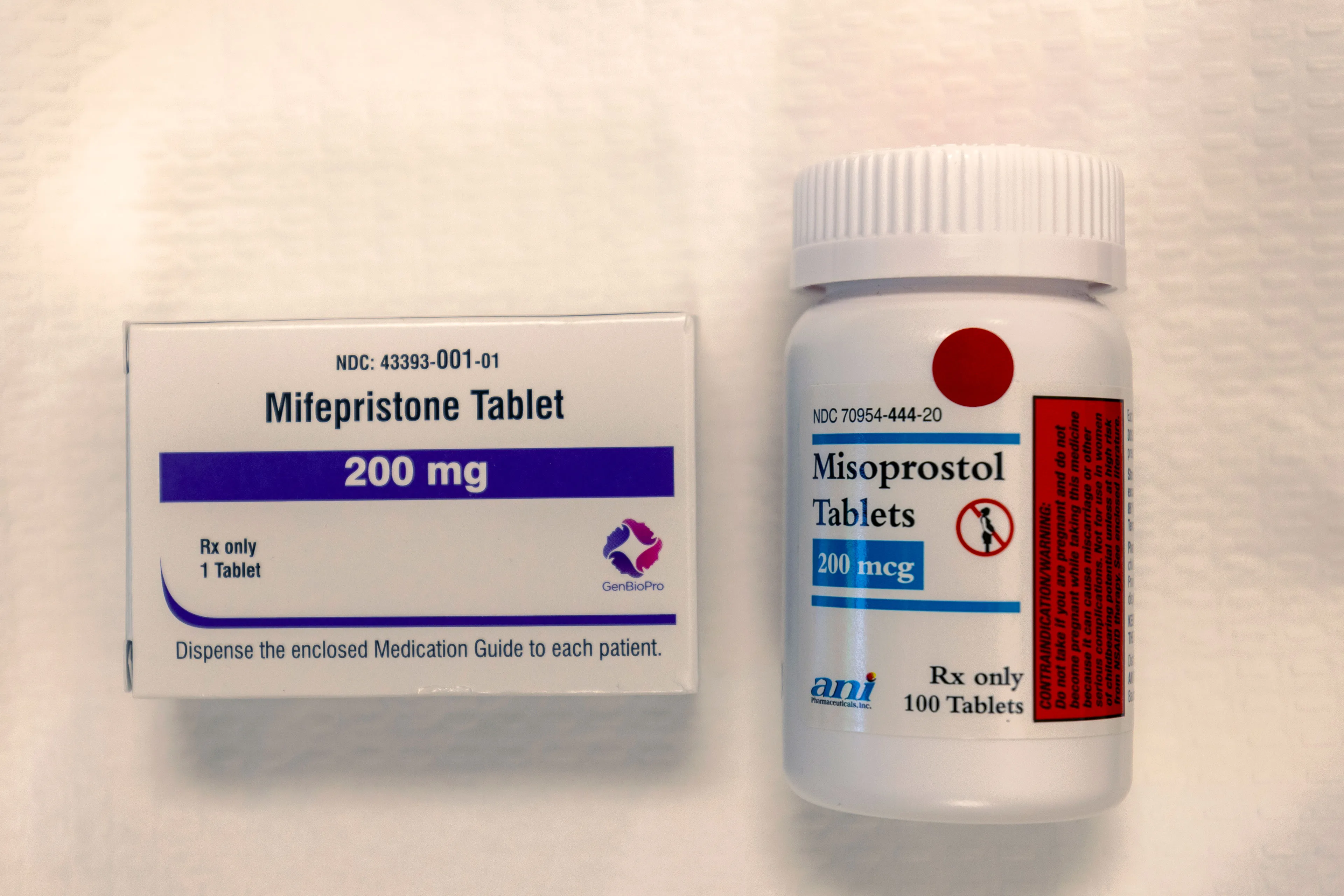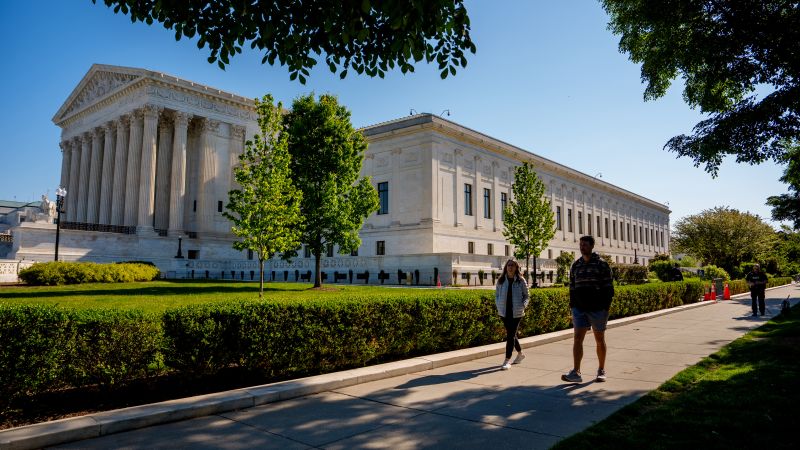
As we approach the fourth anniversary of Dobbs v. Jackson Women’s Health Organization, the landmark ruling that overturned 1973’s Roe v. Wade and restored to the states their constitutional authority to protect unborn children, the mifepristone litigation in Louisiana v. FDA continues. On May 14, the Supreme Court stayed the Fifth Circuit’s order, preserving the Food and Drug Administration’s current rules for tele-abortion prescriptions and mail-order distribution of the abortion pill while the case returns to the lower courts for full briefing and argument. Yet beyond the disputes over procedure, drug safety, and federalism, the case reveals something deeper and more disturbing: the persistent erasure of the unborn child from American law, policy, and imagination.For Louisiana, the central issue has never been technical. Post-Dobbs, the state possesses both the constitutional authority and the moral obligation to protect a human life from the very beginning of his or her biological existence. The Human Life Protection Act forbids the administration, prescription, or sale of any drug with the specific intent of ending the life of an unborn human being. The statute is explicit: “every unborn child is a human being from the moment of conception and is, therefore, a legal person.”The Fifth Circuit rightly acknowledged this sovereign policy interest. It observed that the FDA’s 2023 Risk Evaluation and Mitigation Strategy modifications undermine Louisiana’s laws and facilitate approximately 1,000 illegal chemical abortions per month inside the state. Yet years after Dobbs returned regulatory authority to the states, federal policy still enables nationwide mail-order distribution of the abortion pill (effectively nullifying the life protections Dobbs restored). The mere fact that this litigation is necessary betrays the federal bureaucracy’s deep reluctance (or outright refusal) to accept the fullness of the promise of Dobbs — including the objective scientific reality of the personhood of the unborn.
Fighting back against the erasure of unborn children
Beyond the disputes over procedure, drug safety, and federalism, the Louisiana v. FDA case reveals something deeper and more disturbing.
940 words~4 min read