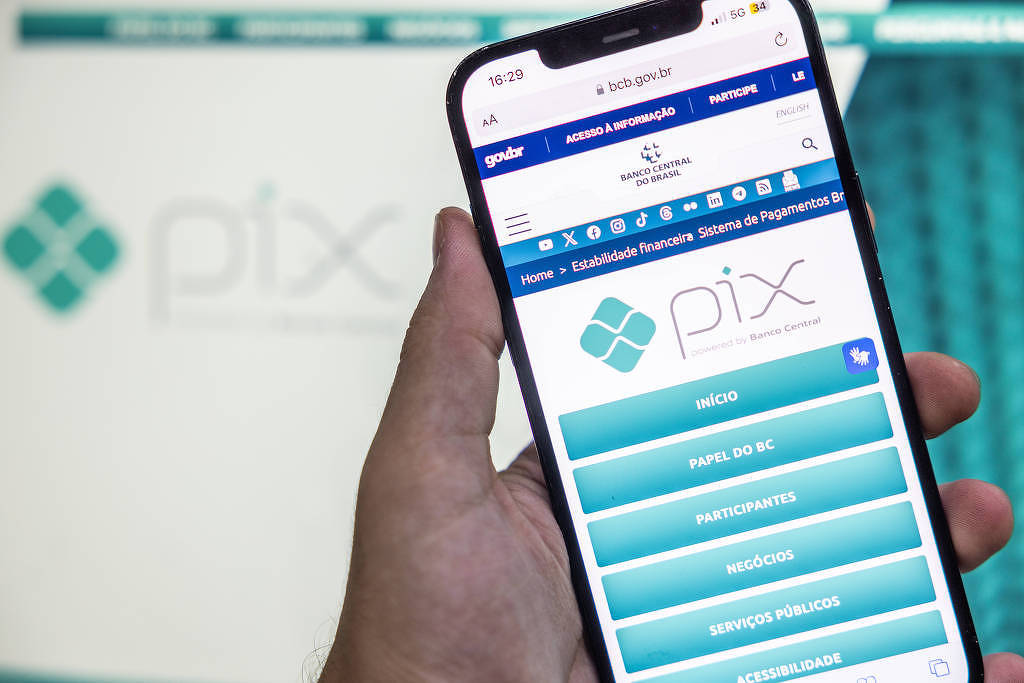
During a hearing held Monday (July 6) by the U.S. Trade Representative (USTR) in Washington, Brazilians and Americans challenged the Donald Trump administration's criticism of Pix, Brazil's Central Bank instant payment system.
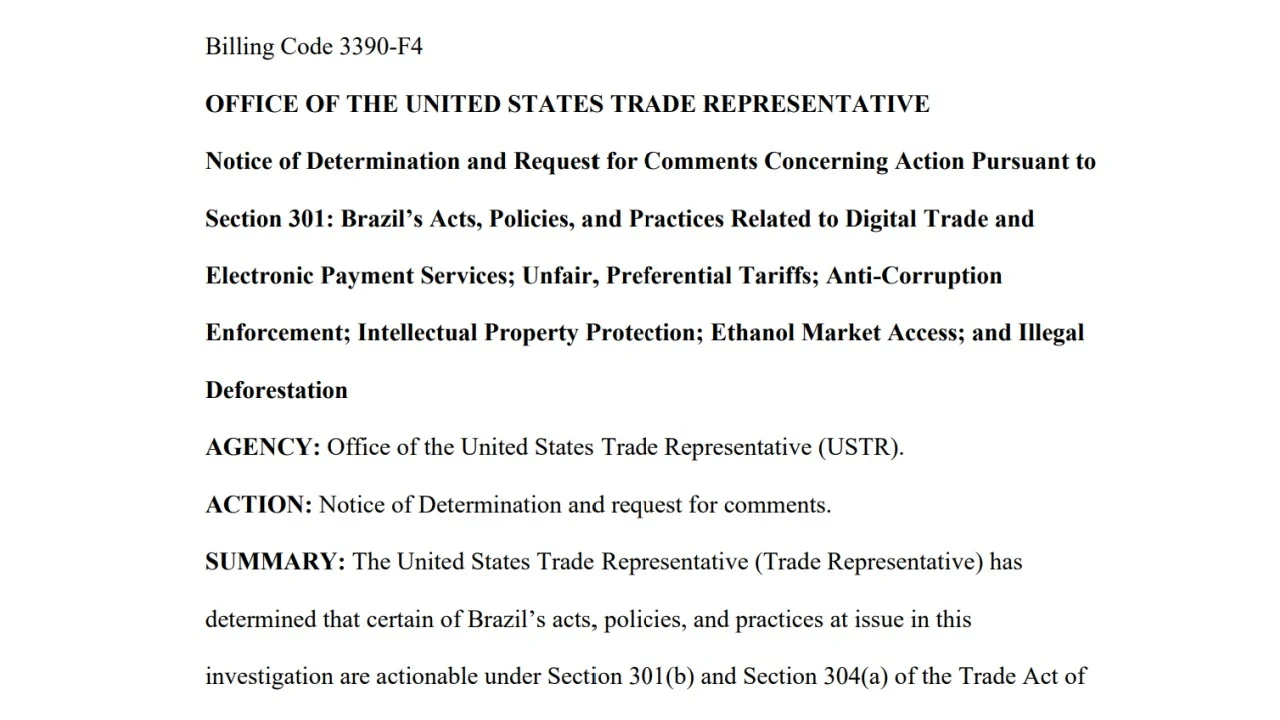
The U.S. agency is investigating Brazil under Section 301 of the U.S. Trade Act and accuses the Central Bank of unfairly and discriminatorily favoring Pix over other payment methods, a process that resulted in a recommendation to impose an additional 25% tariff on Brazilian products.None of the participants on the first day of hearings supported the claim that Pix harms U.S. companies. Melinda St. Louis, of the U.S. consumer advocacy group Public Citizen, said that "the idea behind Pix was to increase financial inclusion and promote competition," describing the system as public digital infrastructure rather than a private company competing with American firms. She noted that Google is the largest initiator of transactions on the system.
Vinícius Nunes Pinto, who helped implement Pix and now works in the technology sector in the United States, said that "Pix is a rail, an infrastructure. We do not judge a road by who collects the toll, but by what it enables an economy to do."