Germany’s pristine AAA credit rating isn’t going anywhere, at least not yet. But the message from major rating agencies is getting louder: stop piling on debt, or that gold-plated status starts looking more like polished brass.
Scope Ratings affirmed Germany’s AAA rating with a Stable Outlook back on March 6, and Fitch Ratings followed suit on May 15 with the same call. Standard & Poor’s Global Ratings confirmed its unsolicited AAA/A-1+ ratings on April 24, also with a Stable Outlook. Three agencies, same grade, same warning label: current fiscal settings are not aligned with long-term debt stabilization.
The numbers behind the warning
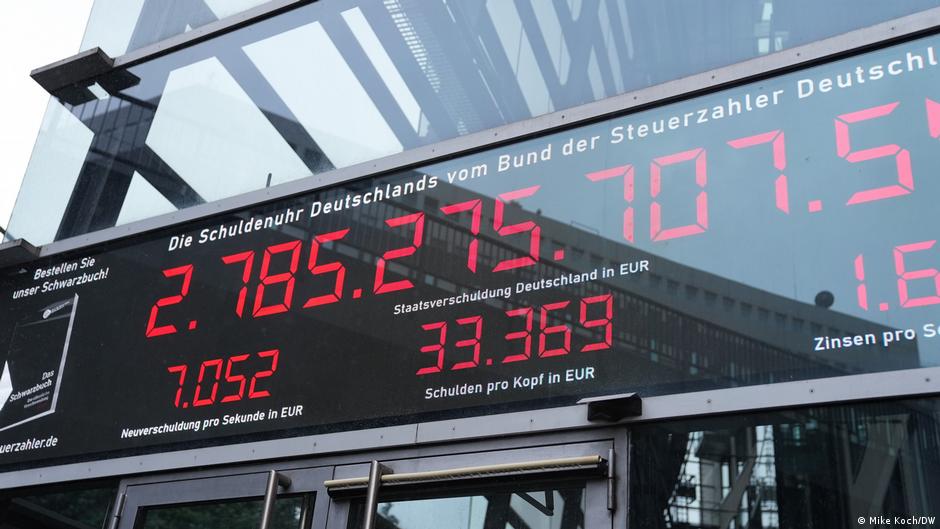
Germany’s government debt-to-GDP ratio is projected to surpass 70% by 2029. That would make it the highest among all countries currently holding AAA ratings. The debt brake has been a cornerstone of German fiscal identity for years, capping the federal deficit at 0.35% of GDP. But recent spending pressures, including defense commitments and infrastructure investment, have stretched the framework to its limits. Rating agencies have taken notice, pointing out that current fiscal policies are inconsistent with keeping debt levels from drifting higher.
Fitch was perhaps the most direct in its language, explicitly warning that an unsustainable increase in national debt could ultimately threaten the top-tier rating.