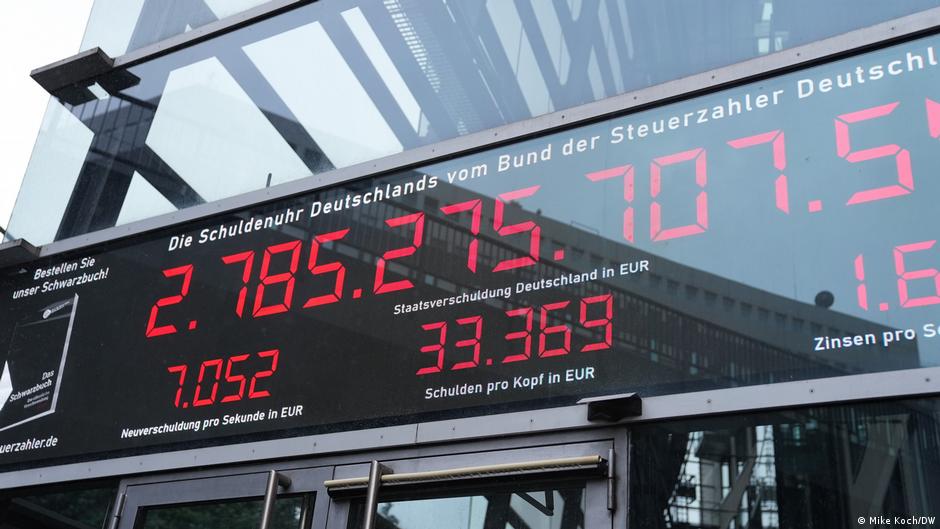
In Berlin's government district, a so-called "debt clock" hangs on an office building. Installed by the German Taxpayers' Federation, a lobby organization advocating lower taxation and public spending, it is meant to be a reminder of Germany's rising national debt. Against a black display, the red numbers climb higher and higher every day. On July 6 at 1:00 p.m., the debt clock read €2.78 trillion ($3.18 trillion).
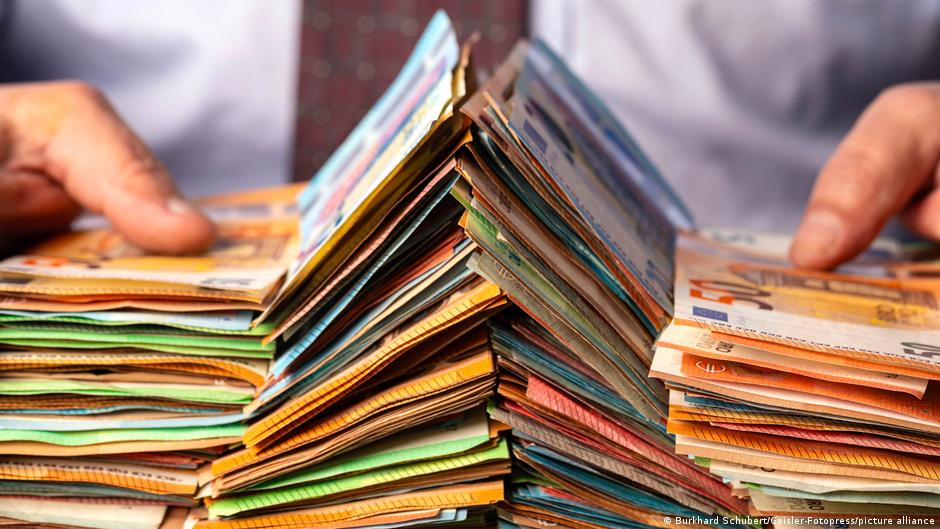
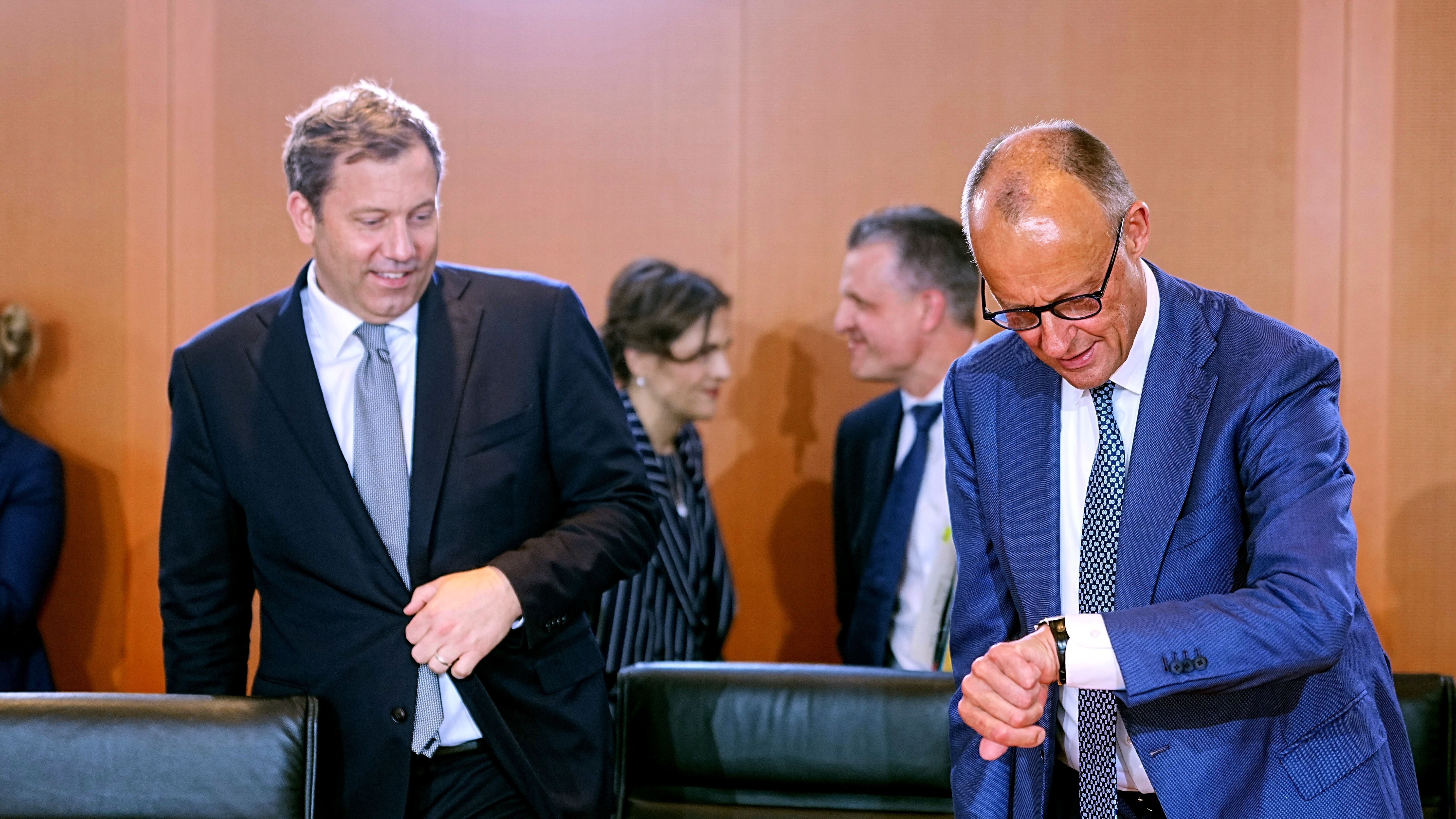
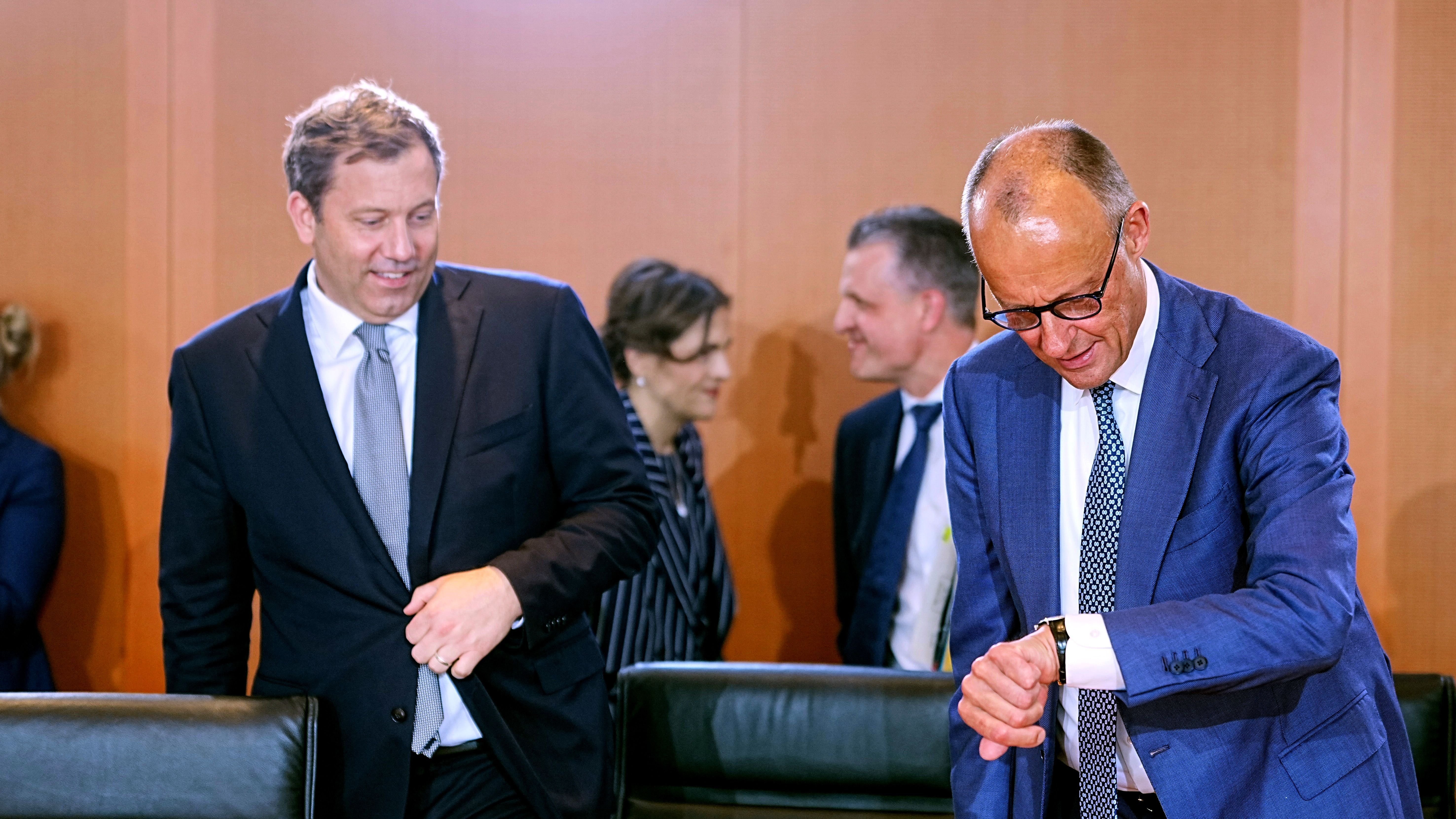
The draft budget for 2027, announced on Monday, will drive debt levels up further. Germany's finance minister, Lars Klingbeil of the center-left Social Democratic Party (SPD), estimates that spending for 2027 will total €555.4 billion.
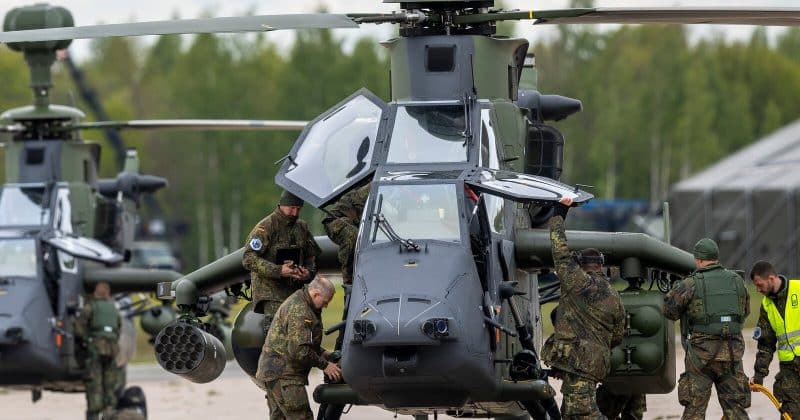
Of that amount, €109.7 billion is earmarked for defense spending, a third more than in 2026.
Because expenditures far exceed tax revenues, Klingbeil's plan, once again, calls for taking on more debt — just under €119 billion. But that is far from the whole story.
German Defense Minister Pistorius on new military spendingTo view this video please enable JavaScript, and consider upgrading to a web browser that supports HTML5 video