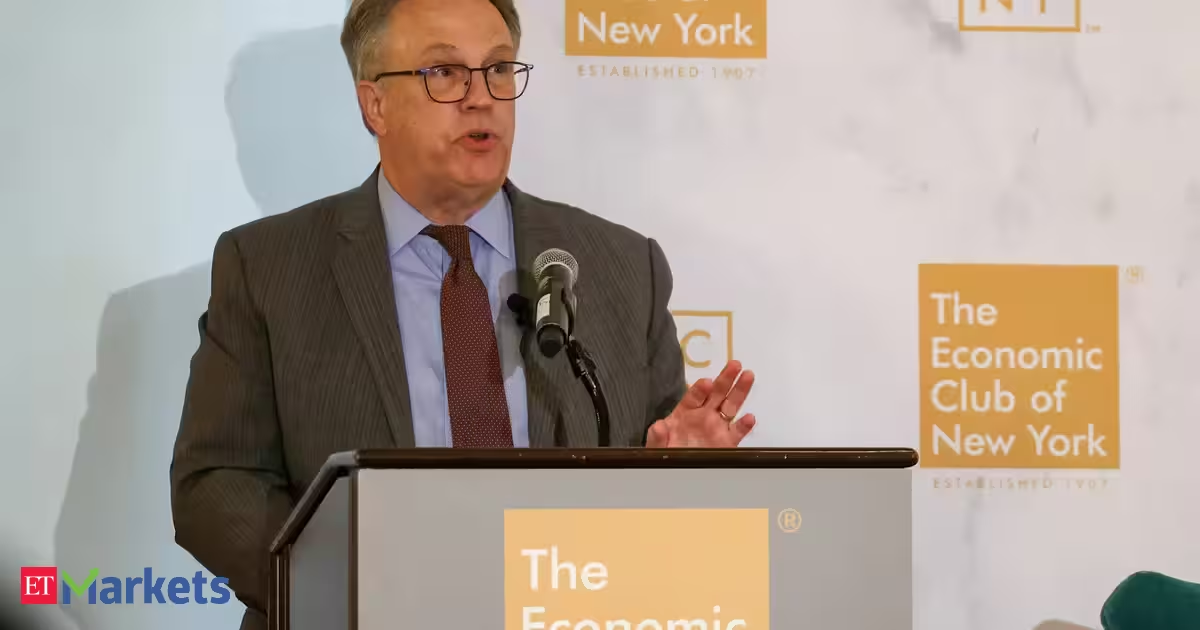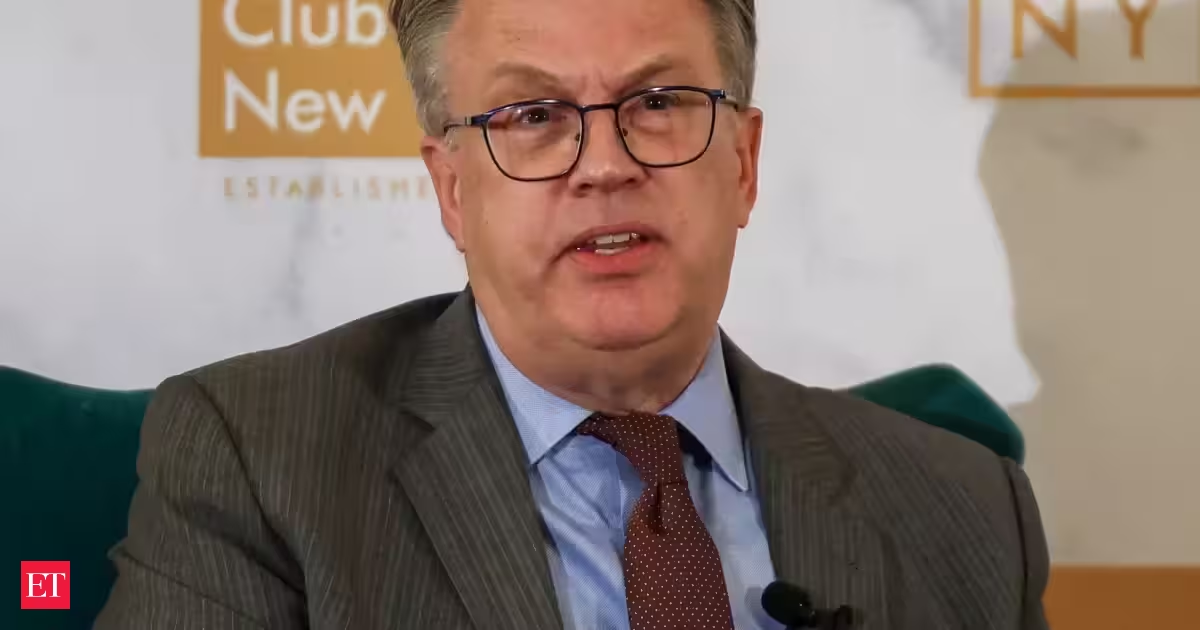
John Williams, President of the Federal Reserve Bank of New York, has indicated that declining energy prices are likely to lead to a reduction in overall inflation in the coming months. This statement comes amidst a backdrop of a recent surge in U.S. energy inflation, which spiked to 23.5% year-over-year in May 2026, largely attributed to geopolitical tensions affecting oil shipments. Williams previously suggested that this spike was temporary, expecting energy prices to stabilize or decrease, which could alleviate the inflationary pressure. Market participants are closely watching these developments as they might influence the Federal Reserve’s monetary policy stance, potentially leading to a scenario where rate cuts are considered if inflation trends align with the Fed’s projections.
Key Takeaways
Williams’ comments appear to suggest a potential easing of inflationary pressures, with falling energy prices expected to contribute significantly.
Market pricing indicates that participants might view this as supportive of possible Federal Reserve rate cuts in 2026.
The scenario outlined by Williams is consistent with the Fed maintaining its current policy stance but avoiding further rate hikes if inflation decreases as predicted.