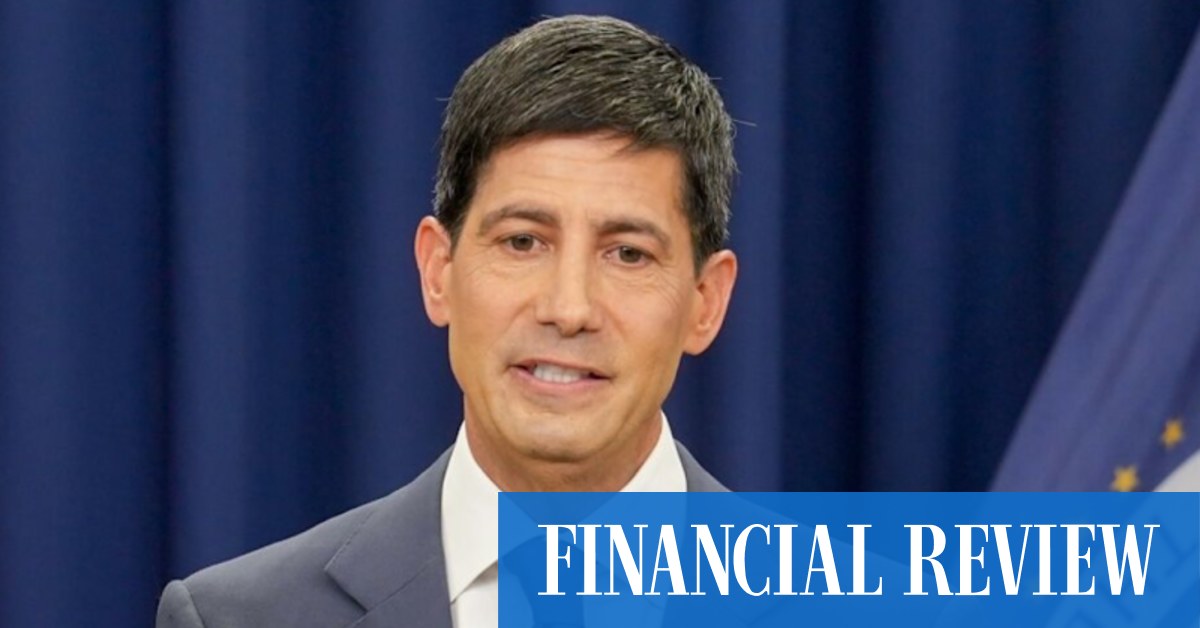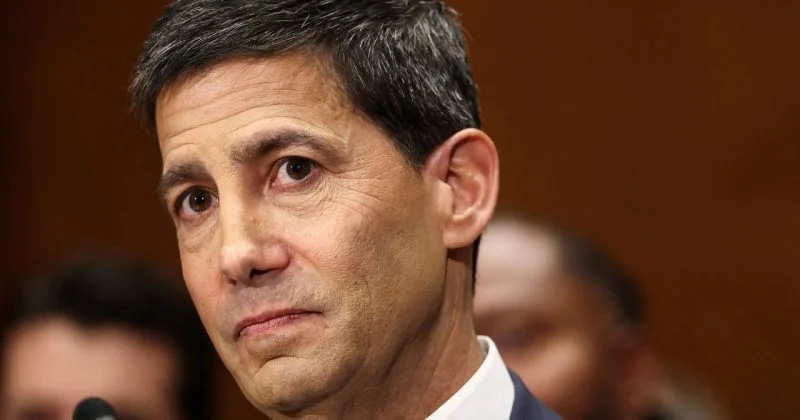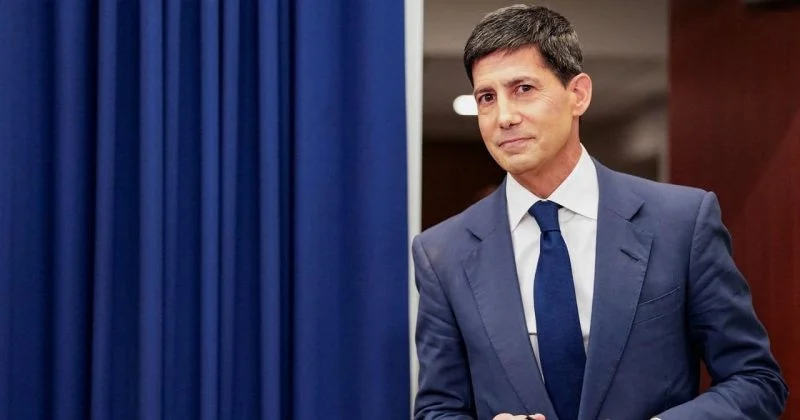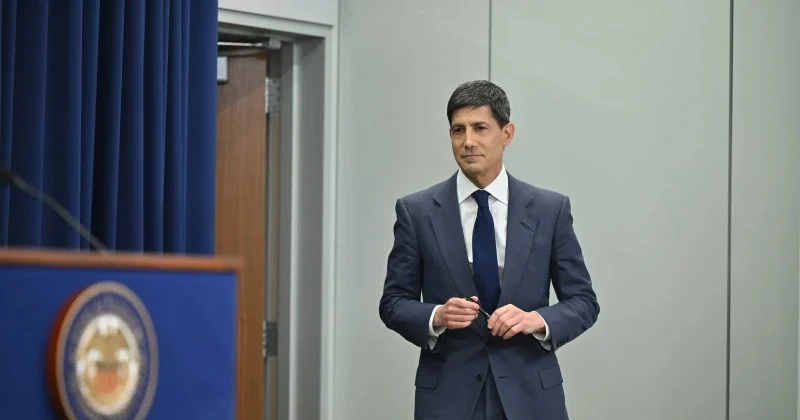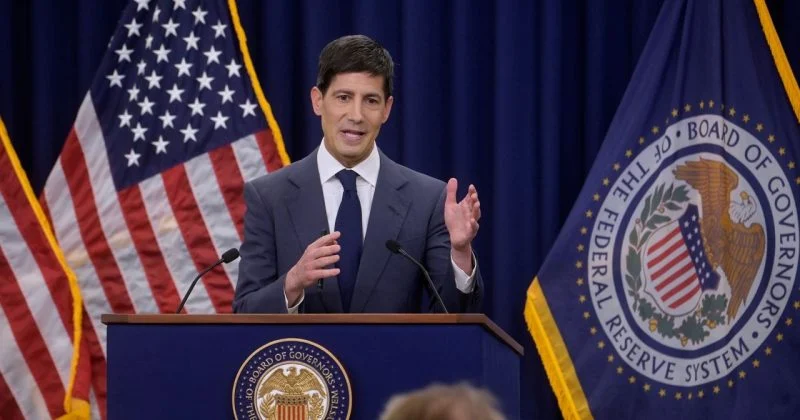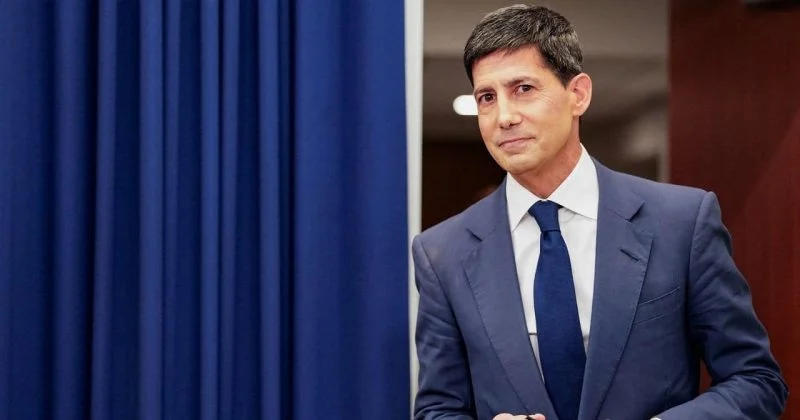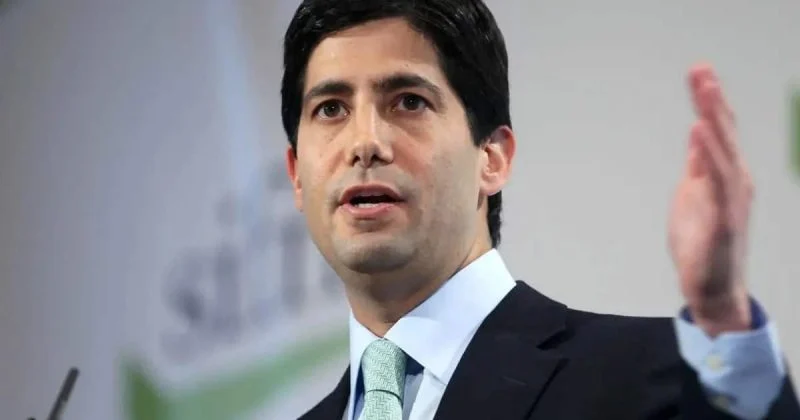
Federal Reserve Chair Kevin Warsh has indicated that inflation risks have eased, reaffirming the central bank’s commitment to price stability. This announcement comes amid a sixth consecutive month of expansion in U.S. manufacturing and a significant drop in input cost pressures, marking the largest decline since July 2022. Despite these positive indicators, the S&P 500 experienced a decline, influenced by a downturn in chipmaker stocks. Meanwhile, oil prices fell as positive U.S.-Iran talks eased geopolitical tensions, contributing to reduced inflation concerns.
These developments are reflected in the prediction markets, which suggest a lower likelihood of Federal Reserve rate cuts in 2026. The current pricing implies a 78% probability of no rate cuts occurring this year. Warsh’s comments have been interpreted by market participants as supportive of the Fed maintaining its current rates, with the resilient economic indicators further reinforcing this stance. The market also notes the absence of immediate plans for rate cuts, aligning with Warsh’s commitment to managing inflation risks.
The overall economic outlook appears consistent with a steady approach to monetary policy, as suggested by the Fed’s recent unanimous decision to hold interest rates steady. However, market participants remain attentive to potential risks, such as chipmaker sector volatility and ongoing geopolitical developments that could impact future inflationary trends.