in Architecture, History, Travel | July 7th, 2026 Leave a Comment
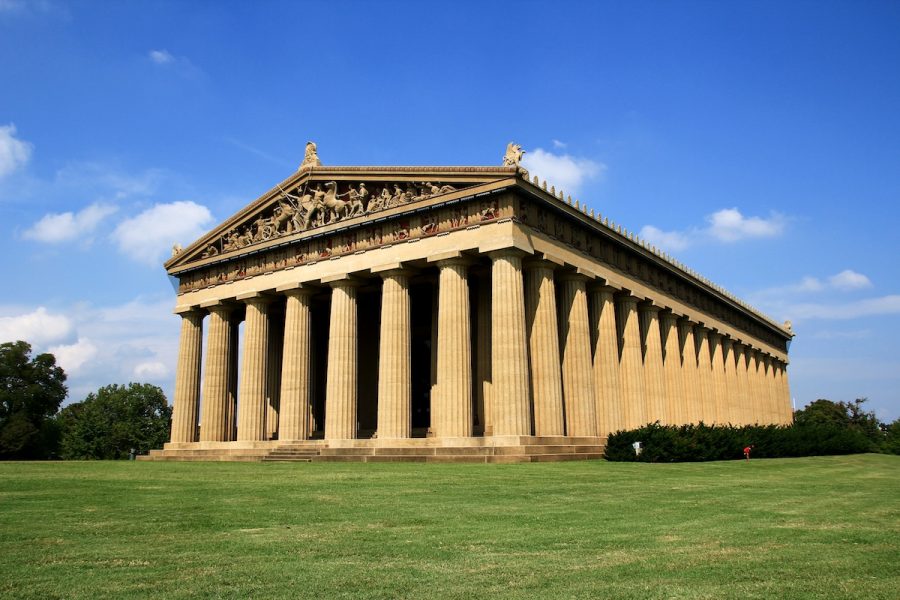
Asked to identify “the Athens of the South,” many Americans might well point to Athens, Georgia, especially if they happen to be fans of REM, the B‑52s, or Of Montreal. In fact, that title was claimed by Nashville, Tennessee as early as the eighteen-fifties, when the city put into action its ambitious plans for a public education system. By the end of that century, Nashville boasted not just more than 20 colleges and universities (Vanderbilt being the best known today), but also a full-scale replica of the Parthenon, the ancient temple to the goddess Athena. It was built for the state’s Centennial Exhibition in 1897, when no display of local grandeur was too much.
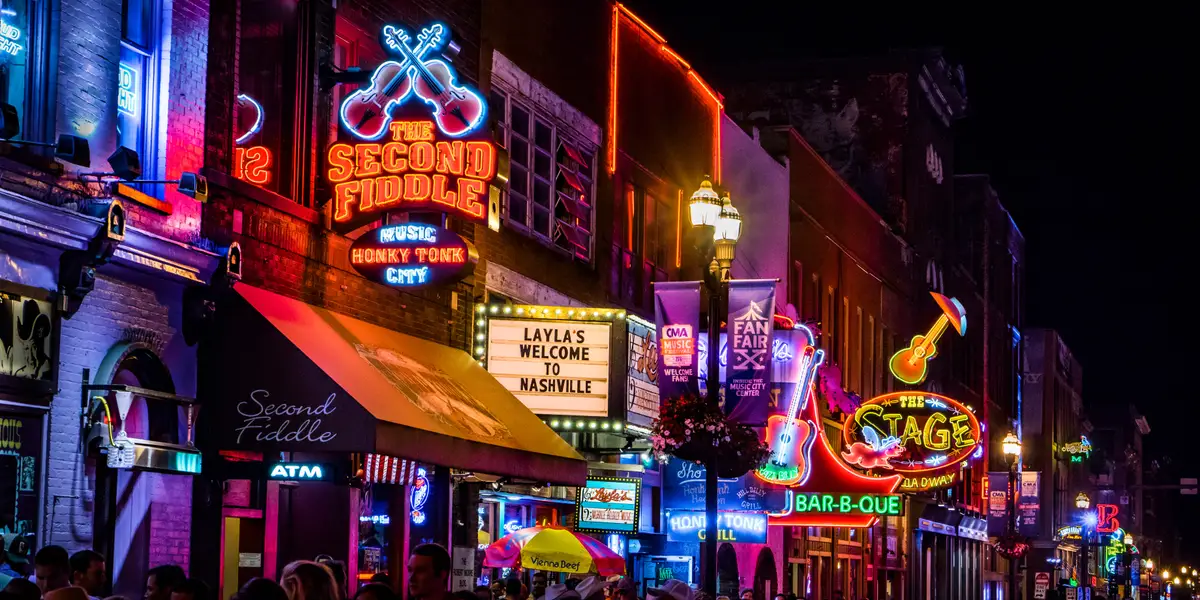
Nearly 130 years later, the Nashville Parthenon remains a major local attraction alongside the likes of the Grand Ole Opry, the Country Music Hall of Fame, and the Honky Tonk Highway. The structure currently situated in Centennial Park (also the home of that modern site of pilgrimage, the Taylor Swift Bench) isn’t the same one at which visitors marveled in 1897.
After a couple of decades of deterioration, writes Artsy’s Isaac Kaplan, “massive renovations were undertaken in 1920, overseen by an architect named Russell Hart, who committed to making the building both enduring and as historically true to the original Parthenon as possible,” an extensive rebuild that even entailed making casts of the original marbles.