in Architecture, History | October 24th, 2025 Leave a Comment
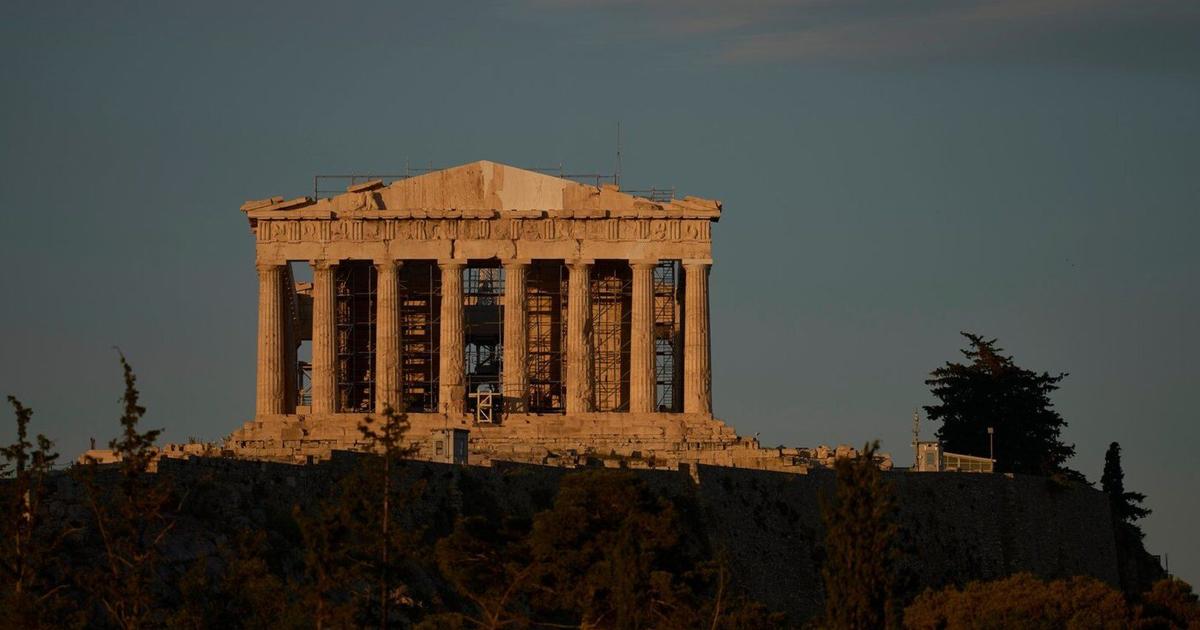
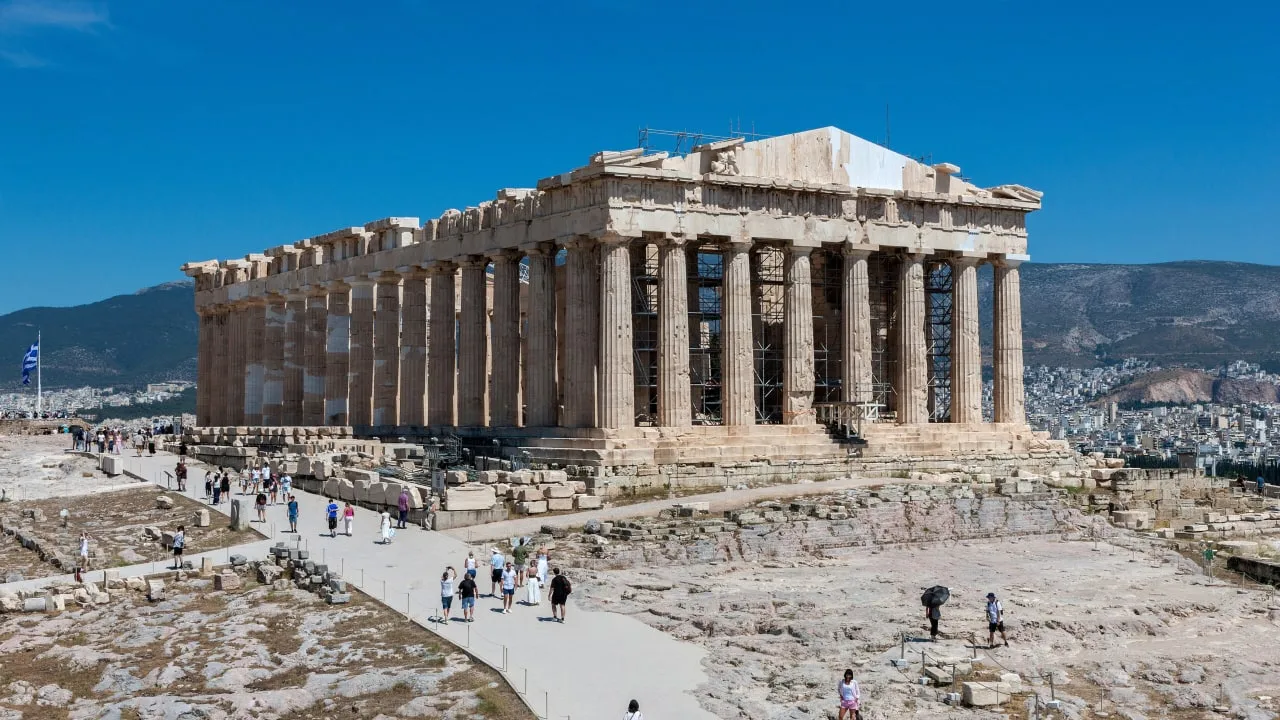
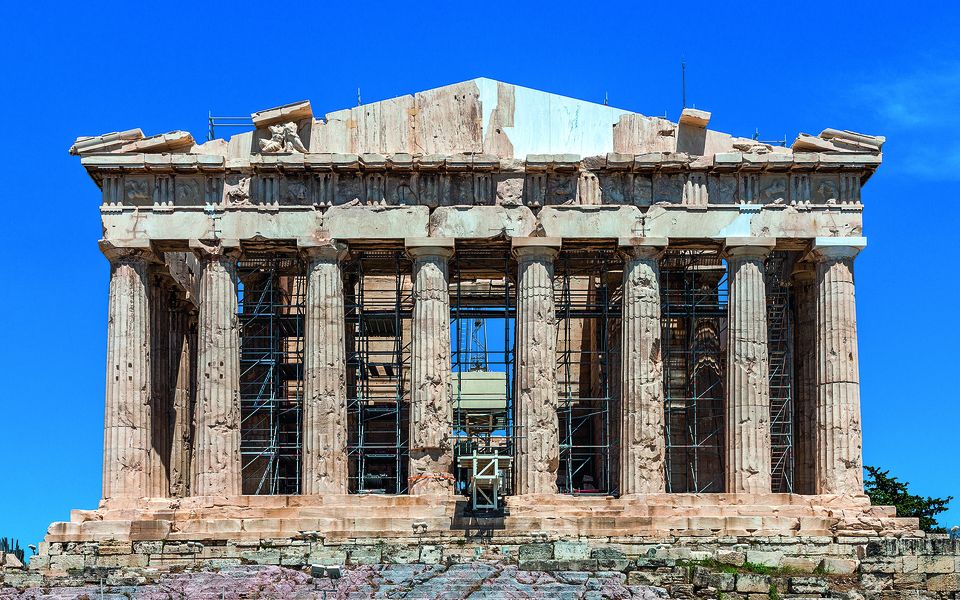
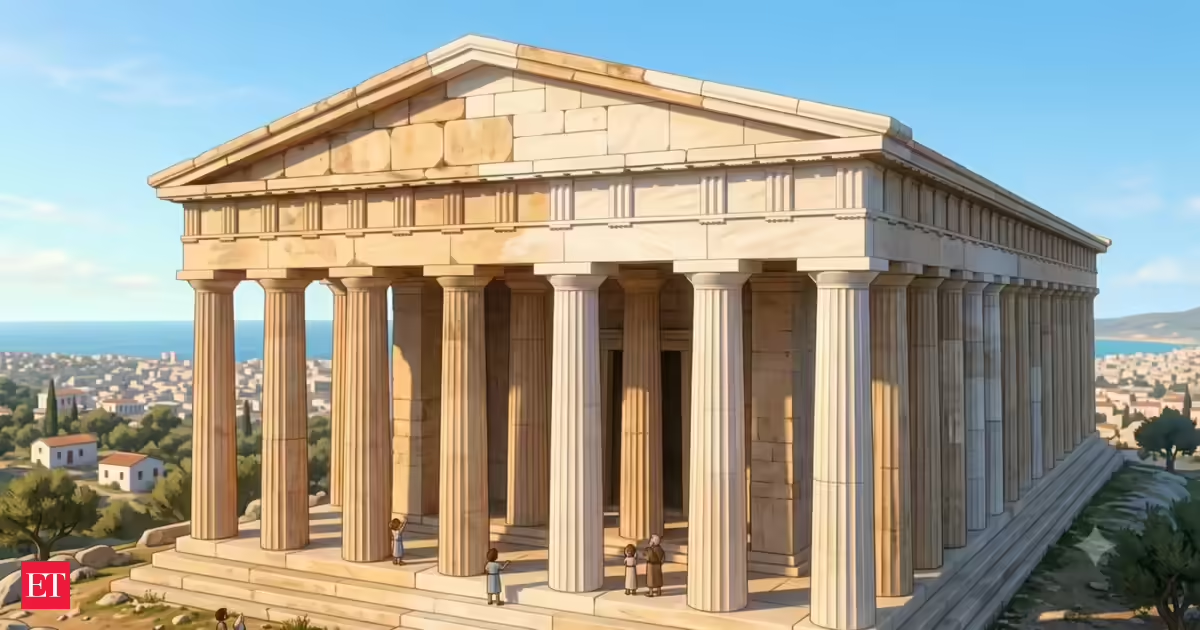
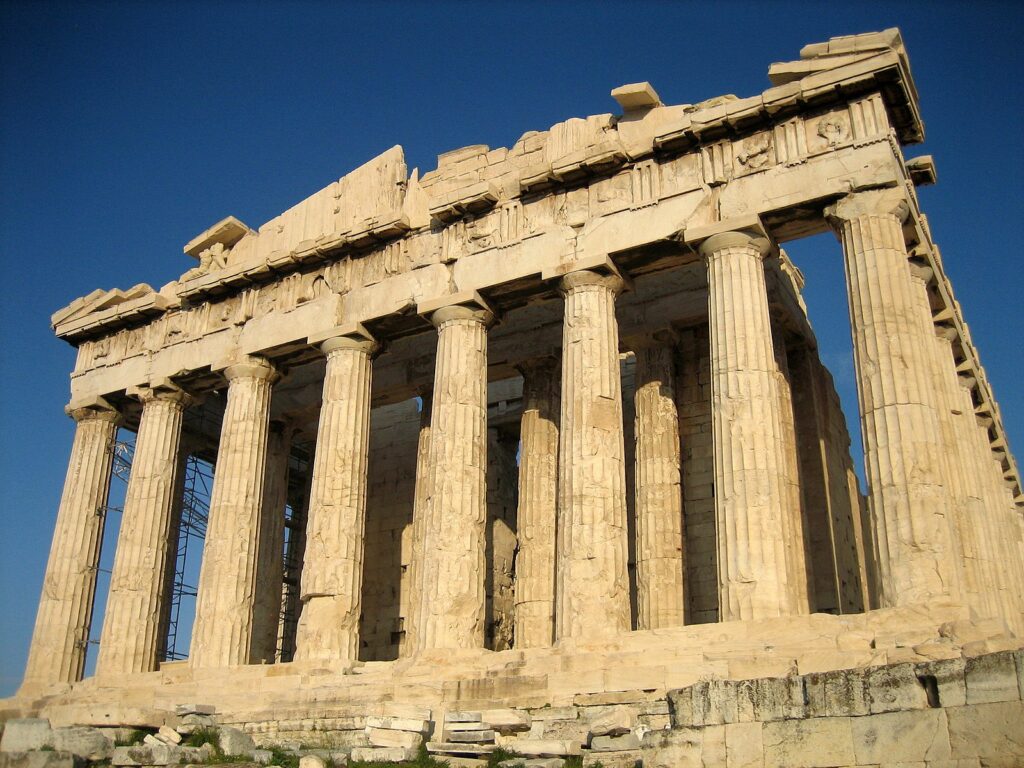
If you’ve made the journey to Athens, you probably took the time to visit its most popular tourist attraction, the Acropolis. On that monument-rich hill, you more than likely paid special attention to the Parthenon, the ancient temple dedicated to the city’s namesake, the goddess Athena Parthenos. But no matter how much time you spent amid the ruins of the Parthenon, if that visit happens to have taken place in the past 200 years, you may now question whether you’ve truly seen it at all. That’s because only recently has scaffolding been removed that has partially obscured its western façade for the past two decades, resulting in the purer visual state seen in the clips collected above.
The press attention drawn by this event prompted Greece’s Minister of Culture Linda Mendoni to declare this the first time the Parthenon’s exterior has been completely free of scaffolding in about two centuries. Having been originally built in the fifth century BC, and come through most of that span much the worse for wear, it requires intensive and near-constant maintenance.
Its inundation by visitors surely doesn’t help: an estimated 4.5 million people went to the Acropolis in 2024, the kind of figure that makes you believe in the diagnoses of global “overtourism” thrown around these days. The Greek government’s countermeasures include a daily visitor cap of 20,000, implemented in 2023, and a requirement to reserve a timed entry slot.