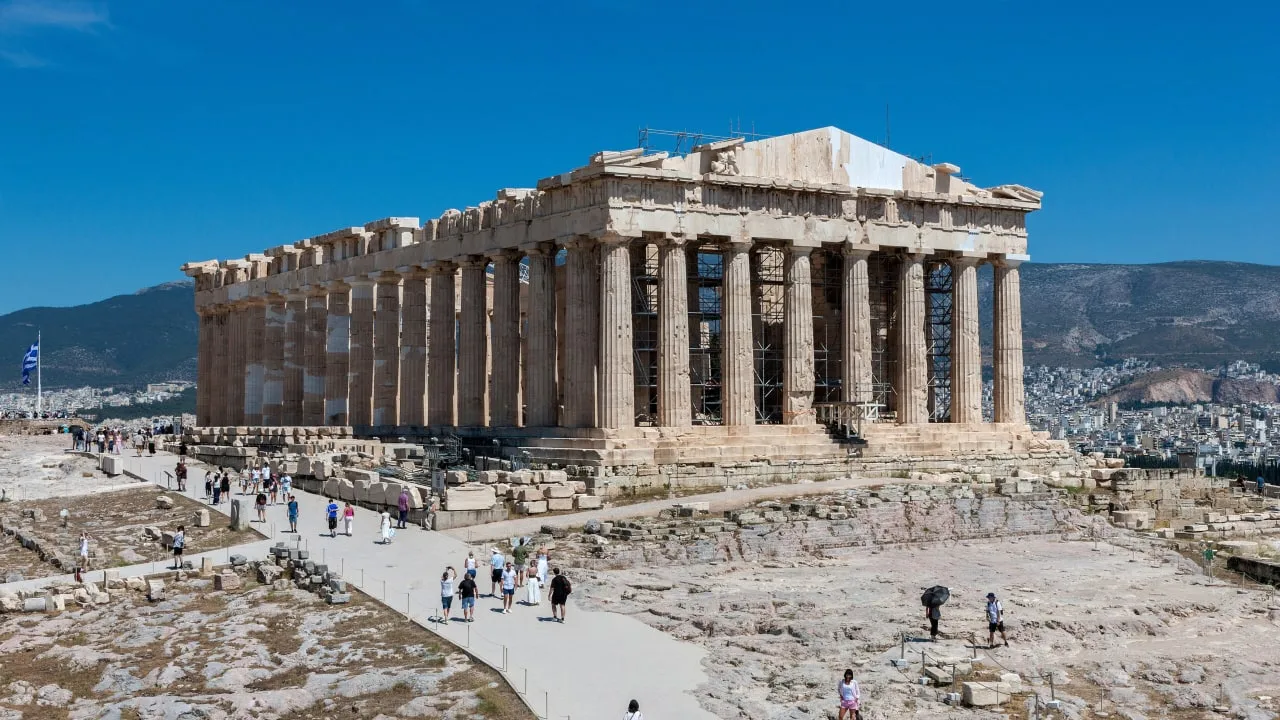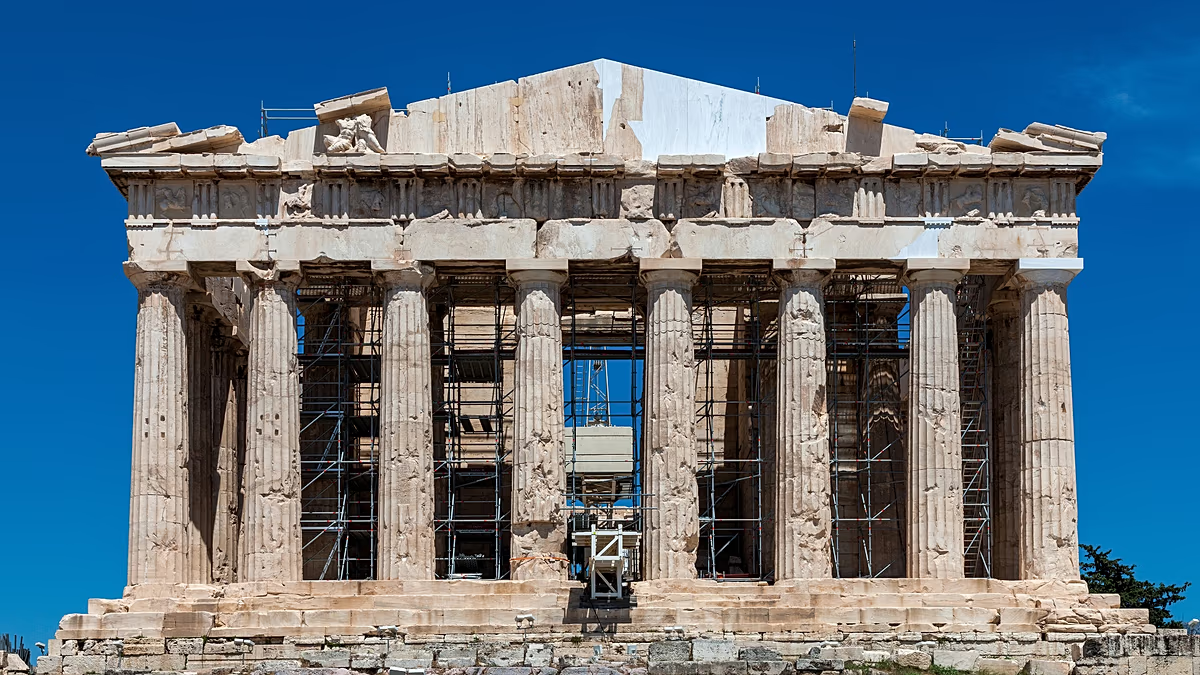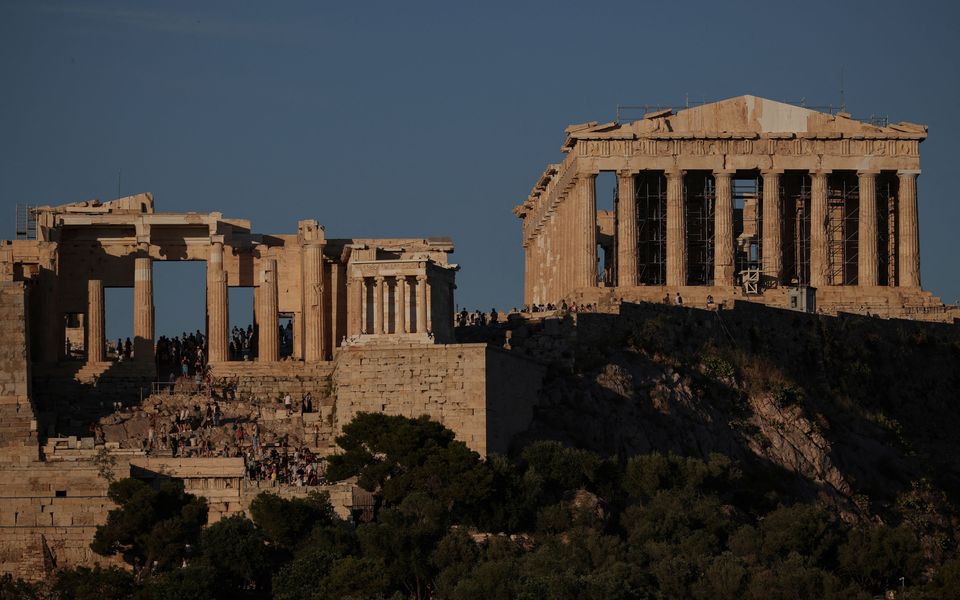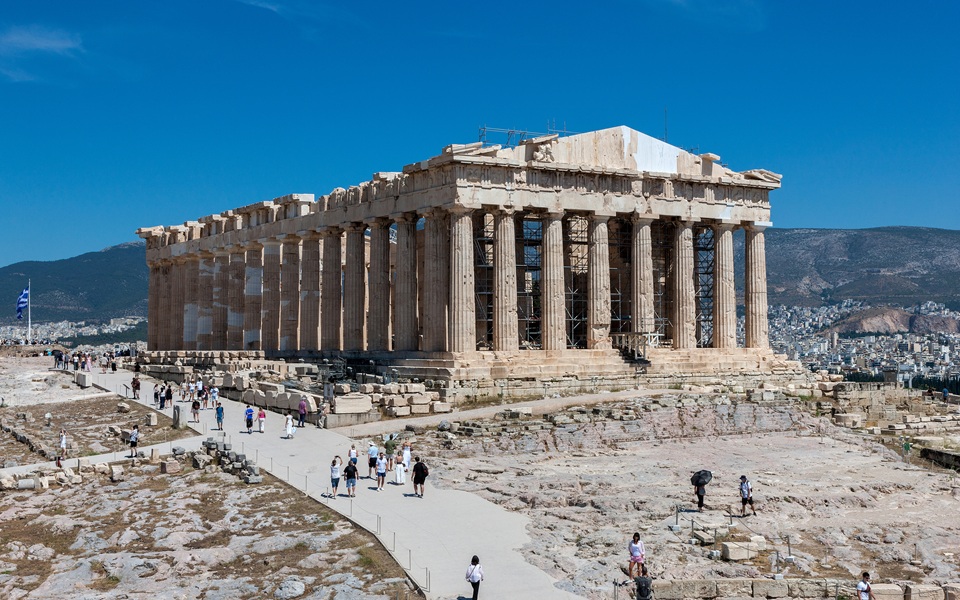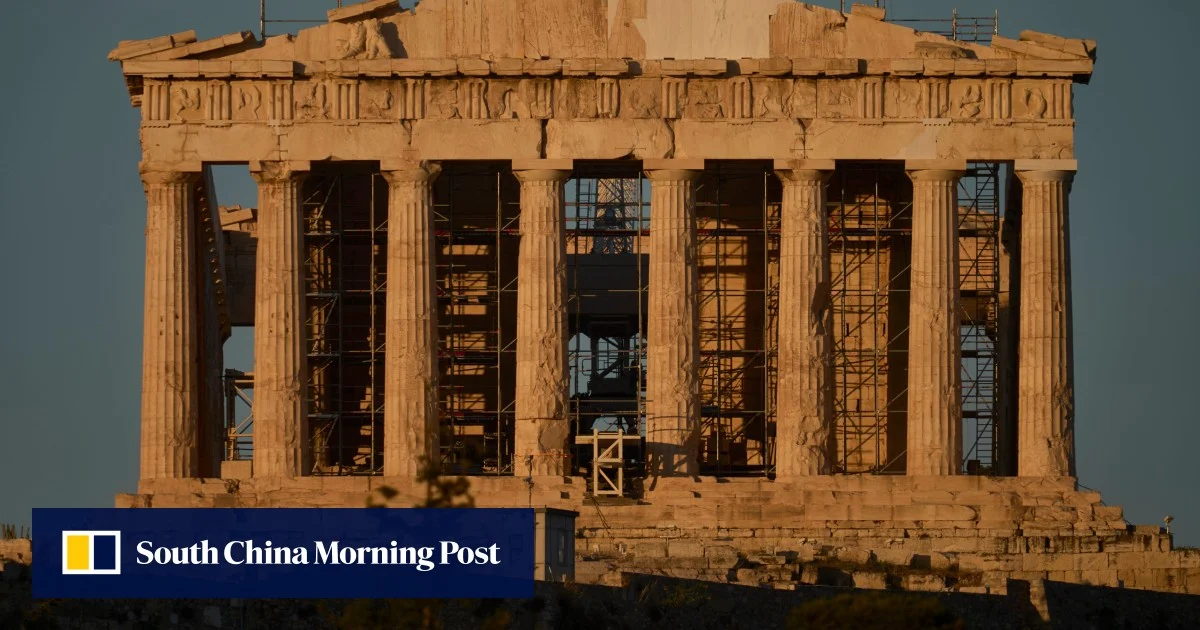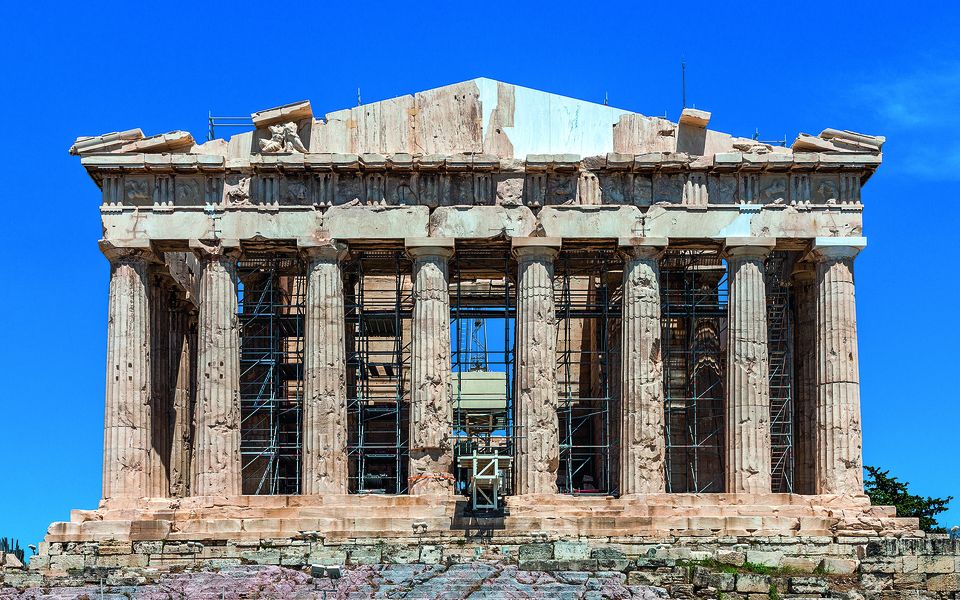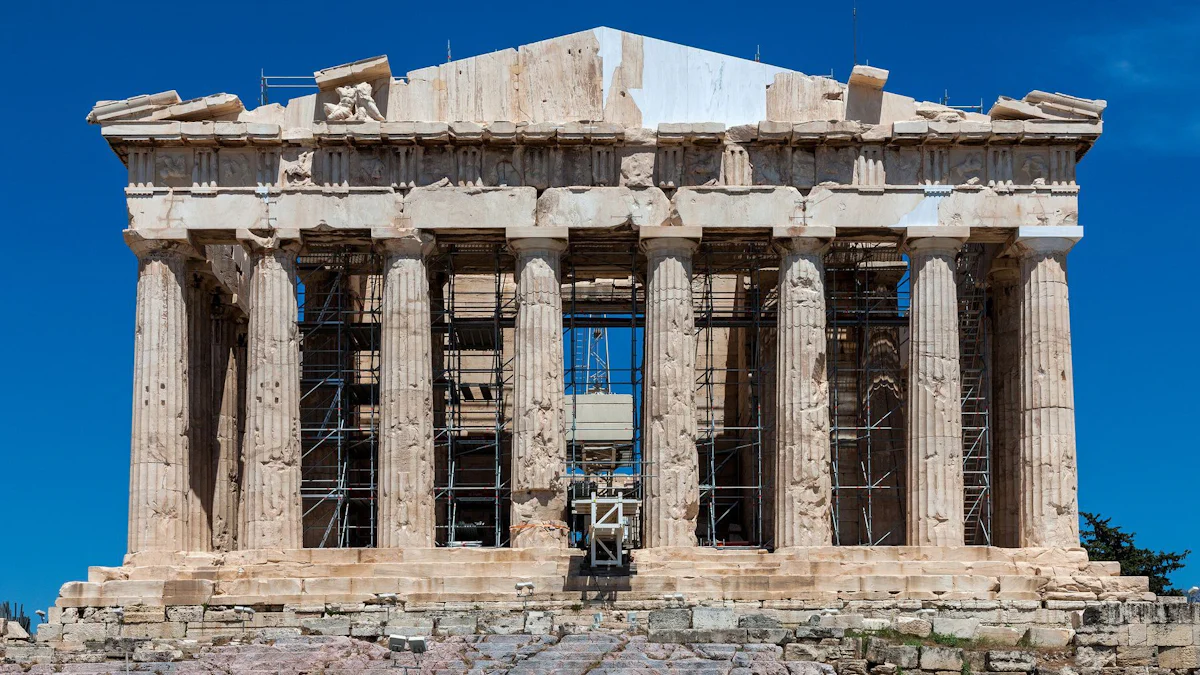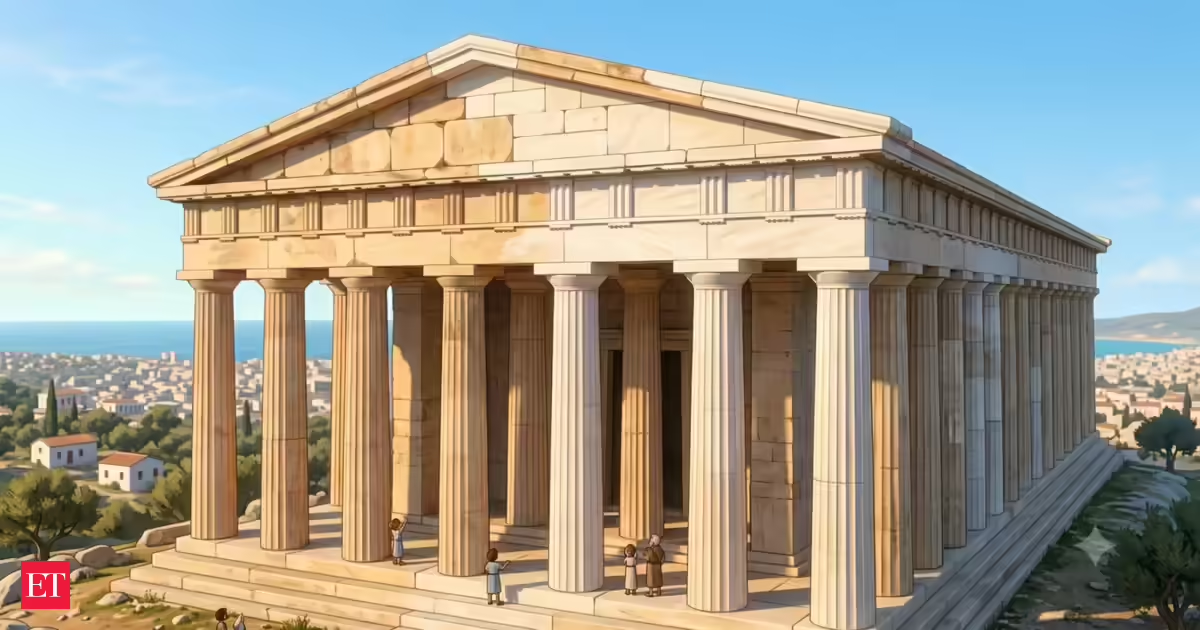
Greece Parthenon restoration: For generations, visitors looking up at the ancient Parthenon in Athens have seen a monument marked by time, conflict and loss. Now, after years of painstaking work, one of the world's most recognizable temples has regained an important piece of its past.Preservationists have completed the restoration of part of the Parthenon's western pediment, adding new marble blocks that make this section of the temple the most complete it has been in more than 220 years, as per a report.Built in the fifth century B.C.E. to honor the goddess Athena, the Parthenon has watched over Athens for roughly 2,500 years. Over the centuries, earthquakes, military conflicts, air pollution and earlier restoration attempts have all left their mark on the iconic structure.A major restoration brings back a missing sectionThe recent work focused on the temple's western pediment, one of the triangular architectural features that once held elaborate marble sculptures.According to the Acropolis Restoration Service, two new marble blocks were installed to fill long-standing gaps in the structure, as reported by Smithsonian Magzine. The additions restore the western facade's original proportions and geometry, allowing visitors to once again appreciate the design envisioned by the ancient builders.You Might Also Like:Greece's Culture Minister Lina Mendoni described the result as "truly breathtaking," as quoted by Smithsonian Magzine.The Parthenon's missing marbles remain a global issueRoughly 220 years ago, many decorative elements from the Parthenon's eastern and western pediments were removed by Thomas Bruce, the Seventh Earl of Elgin.The sculptures, now widely known as the Parthenon Marbles or Elgin Marbles, were transported to England and later sold to the British government. Today, they remain on display at the British Museum in London.Discussions between Greece and the British Museum regarding the possible return of the marbles have continued in recent years.You Might Also Like:Restoring the ancient temple required 'surgical' precisionThe restoration project began in 2017 and involved a series of highly detailed steps.Specialists first sourced marble from the Dionyssos quarry, located about 20 miles from Athens. The stone was then carefully carved by hand before being transported and lifted into place.One of the newly installed blocks combined ancient fragments with new marble additions, while the second block was created entirely from fresh marble.Because of the size and weight of the stones, the Acropolis Restoration Service said the work required "surgical" precision along with innovative engineering solutions, as per the Smithsonian Magzine report.The western facade can finally be seen clearly againAlthough the marble blocks were installed in early March, officials waited until scaffolding was removed in mid-June before announcing the project's completion.The removal of the scaffolding revealed an unobstructed view of the western facade for the first time in years.Mendoni called the moment one of "historic significance" not only for the monument and the Acropolis, but also for world culture, as per the Smithsonian Magzine report.Restoration efforts continue at the ParthenonModern restoration work at the Parthenon began in 1975 following Greece's return to democracy.Alongside the western facade restoration, crews have also been working on the temple's cella, the central inner chamber.Despite ongoing restoration and frequent scaffolding, millions of visitors continue to travel to the Acropolis each year to see the Parthenon, one of the most famous monuments in the world and a UNESCO World Heritage site since 1987, as per the Smithsonian Magzine report.FAQsWhat was recently restored at the Parthenon?Preservationists restored part of the temple's western pediment by adding new marble blocks.How old is the Parthenon?The temple was built in the fifth century B.C.E., about 2,500 years ago.
Greece's iconic Parthenon is back: One of the world’s most famous temples just reclaimed a lost piece of history
Greece Parthenon restoration: The Parthenon in Athens has regained a significant piece of its past with the restoration of its western pediment, marking it the most complete in over 220 years. Discover the details of this monumental project and its cultural significance.
581 words~3 min read