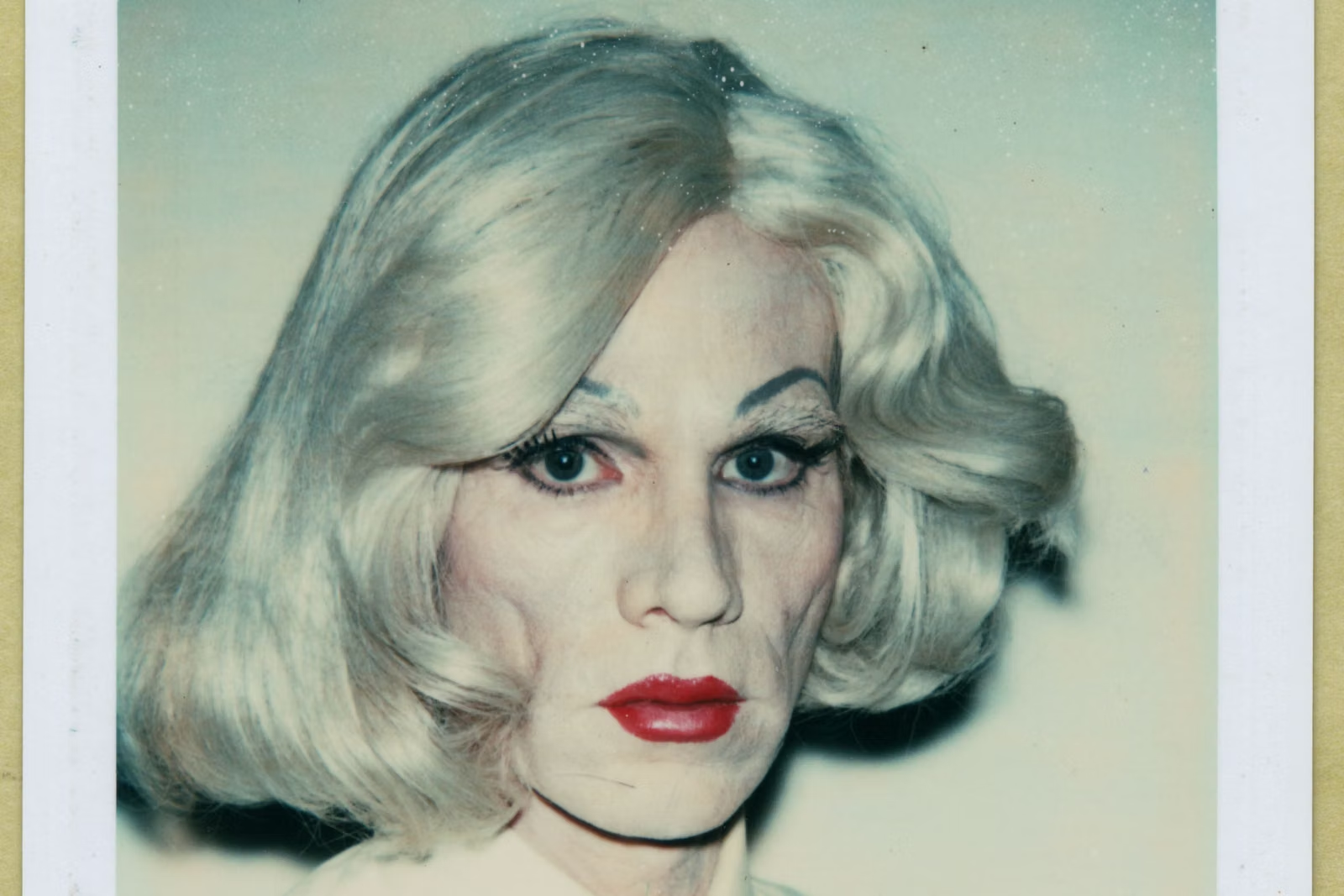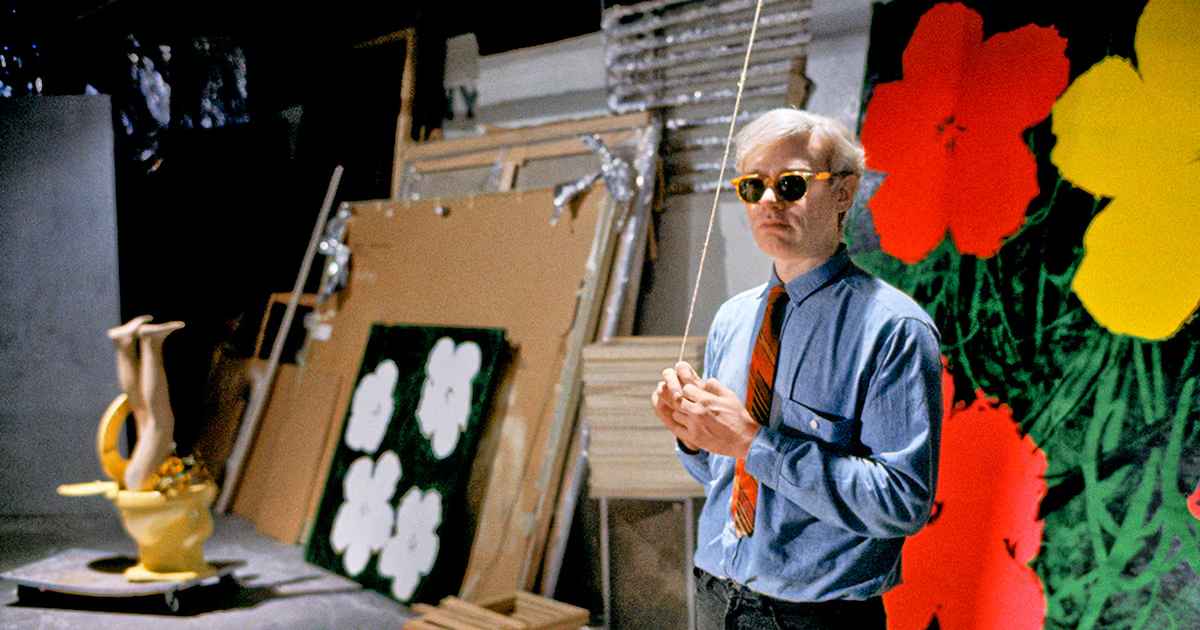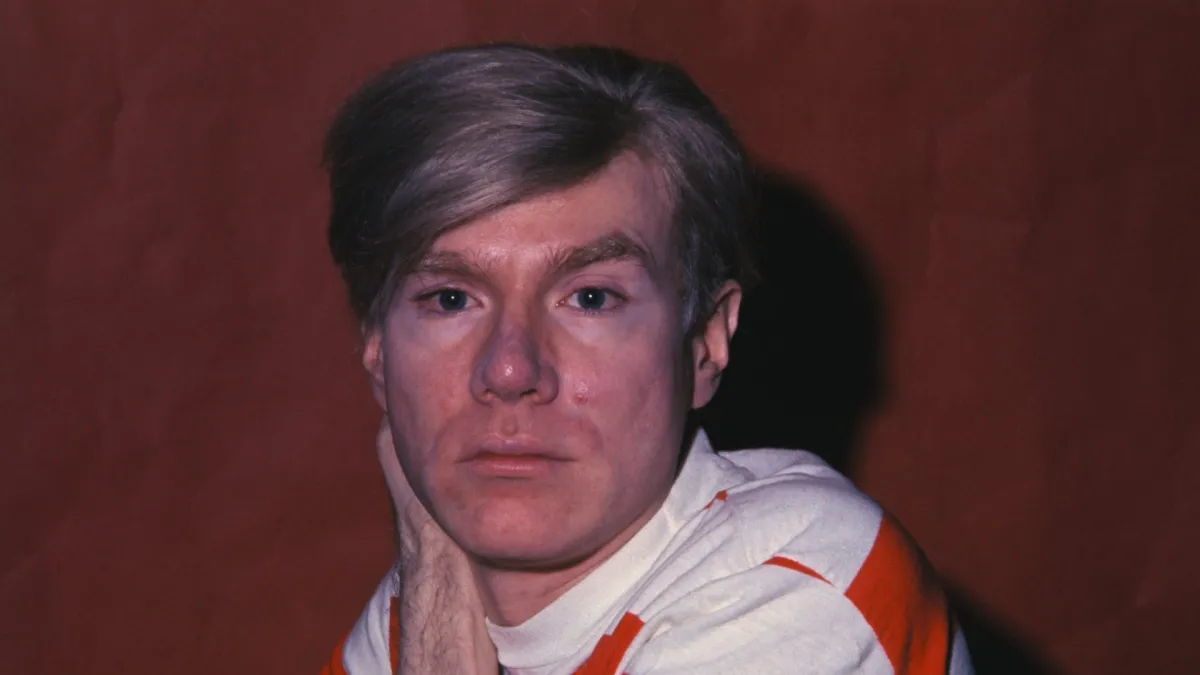
This year marks the 60th anniversary of Andy Warhol doing anything remotely interesting. Is that cruel? Cold? Unfair? Well, it feels appropriate since Warhol was an artist whose work possessed more than a dash of coldness and cruelty.
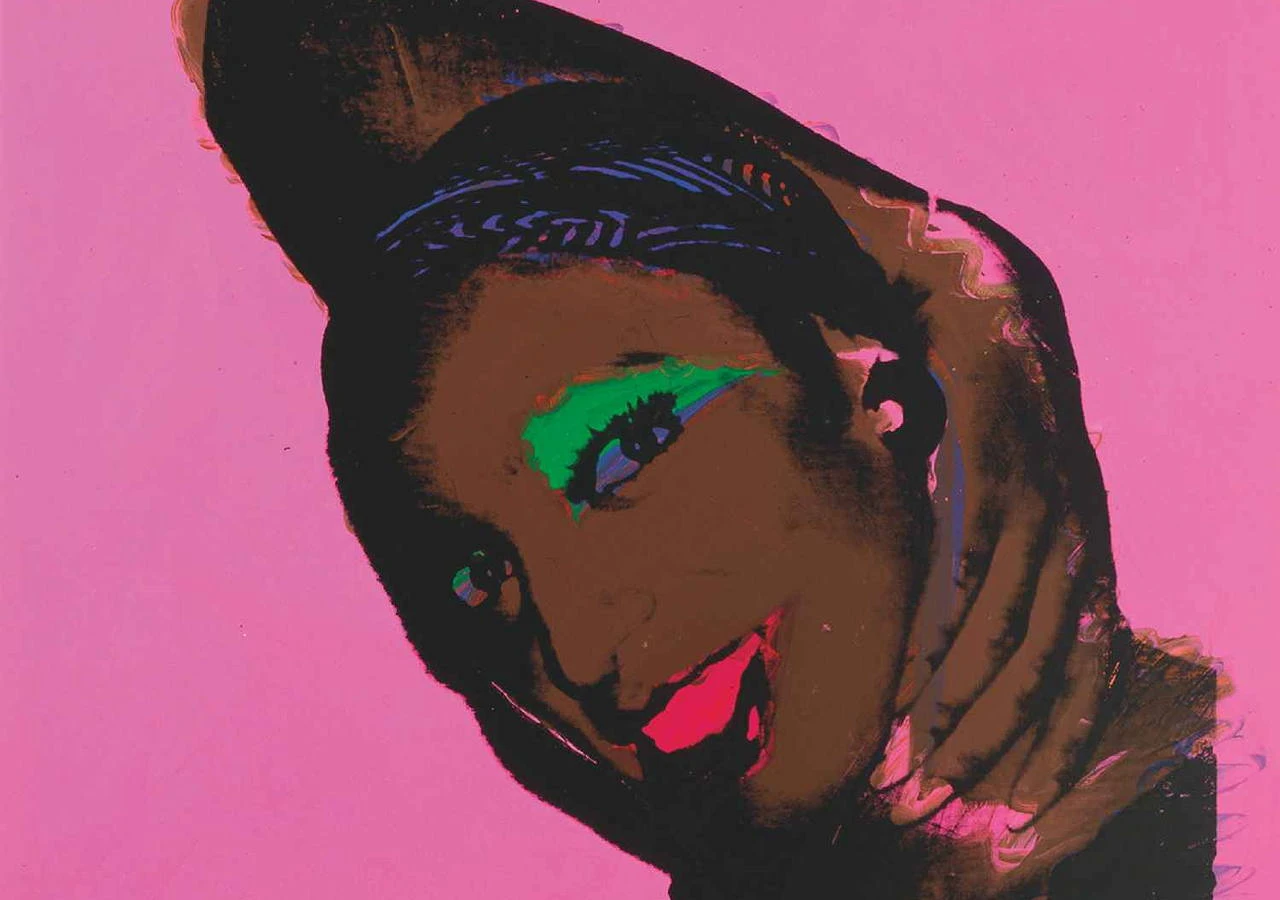
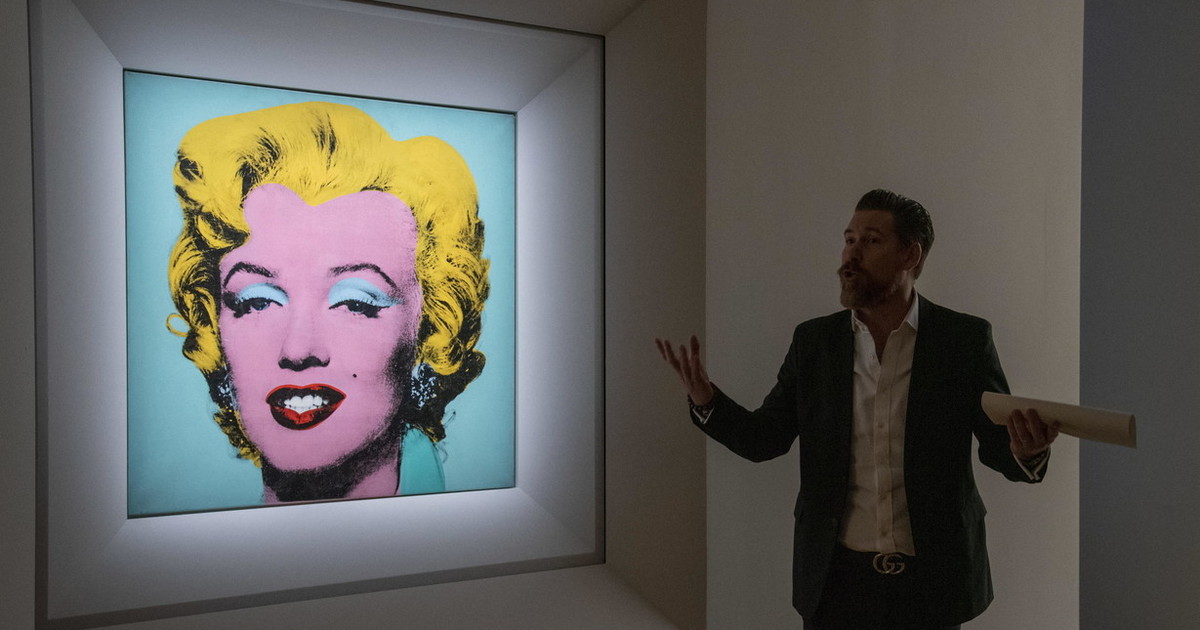
Think of all those generic, silkscreened portraits of financiers and socialites, with the odd dictator thrown in (Warhol never managed to land his white whale of Imelda Marcos, despite vigorous attempts). Or the multiple Jackie Kennedy silkscreens, which were either a moving tribute to the recently widowed First Lady, or a cynical cash-in on an American tragedy.
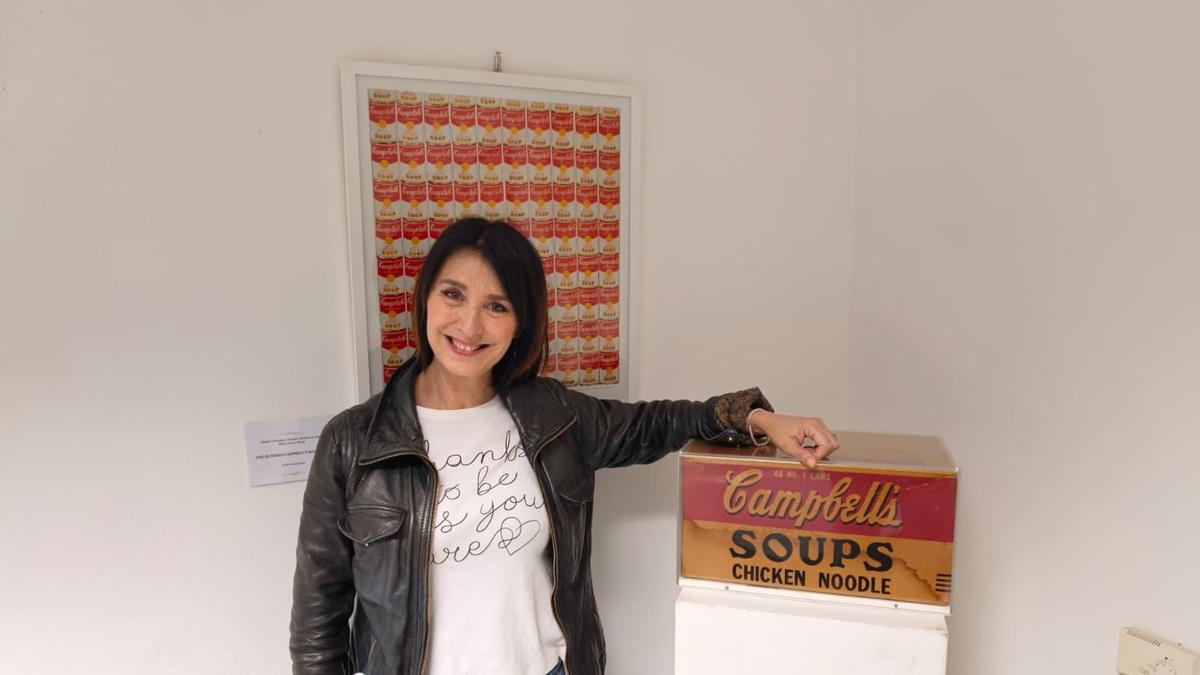
Even the soup cans, perhaps his most-famous creation, had a cynical edge. Warhol was a successful commercial artist in the 1950s, creating fey illustrations for brands, stores and magazines. When photography gained the advertising upper hand, he felt a shunt into art with a capital A was the way forward. When he was digging around for an idea, a friend told him she had the perfect thing – but it would cost him. Warhol ponied up $50 (the cheque still exists) and she told him he needed to paint something ubiquitous like… Campbell’s soup cans. So, that’s what he did. It was his first big hit.
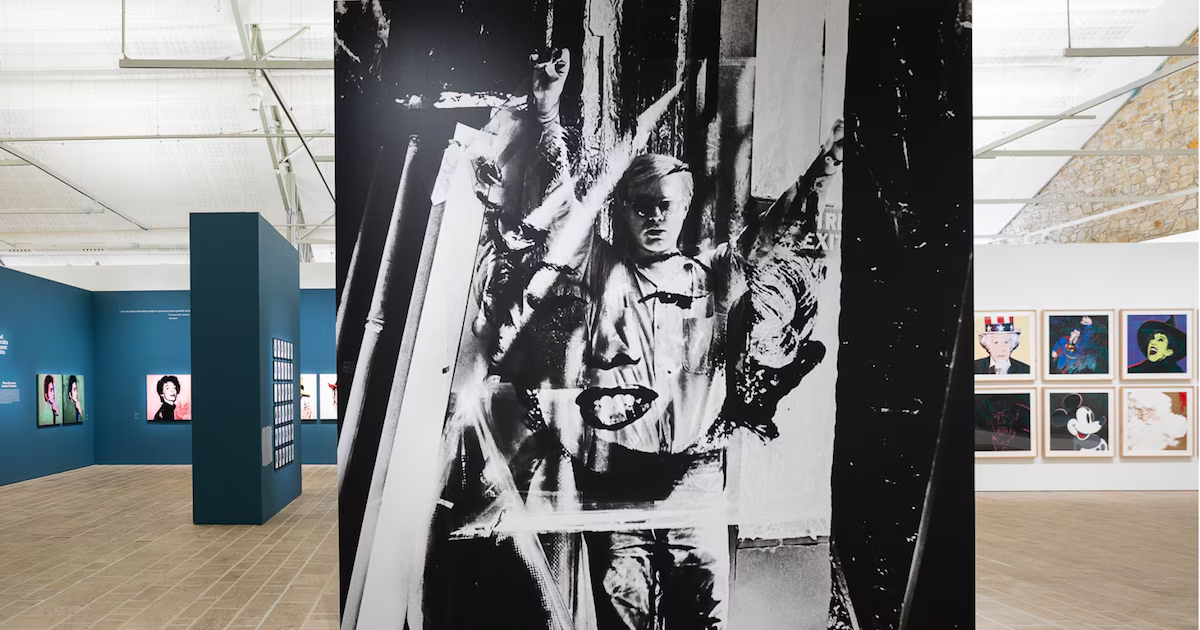
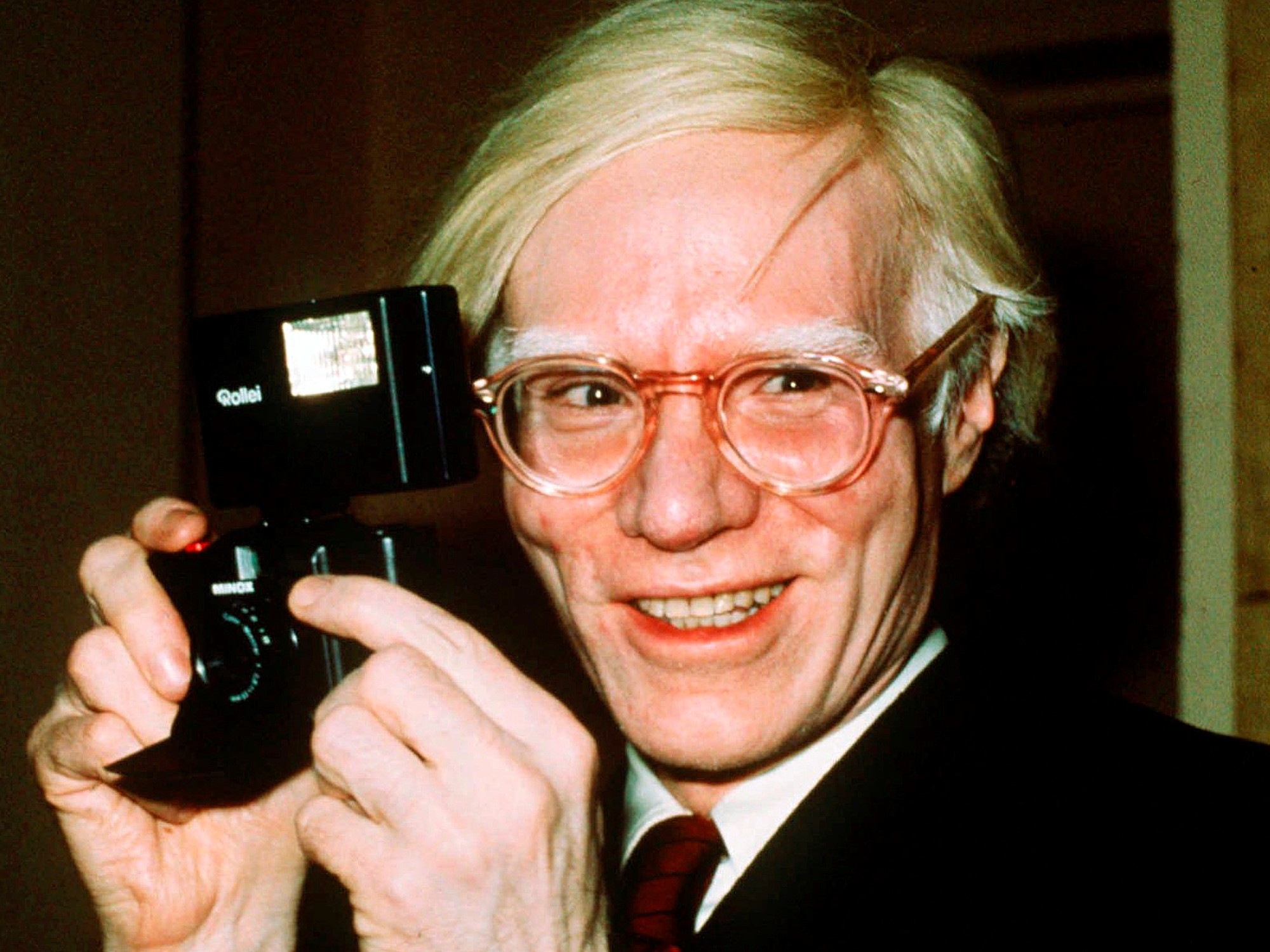
From the off, Warhol pitched himself as a vital component of his art. His whole life became a performance. He adopted a spaced-out, monosyllabic character to foist on unsuspecting reporters, fans and curators. Away from the spotlight he was fun, gossipy and opinionated. But with a microphone under his nose, he went distinctly vague. “I ran out of ideas,” he would tell reporters, for example, who asked what inspired his latest exhibition. It was a tactic employed so he never had to explain himself or his creations.