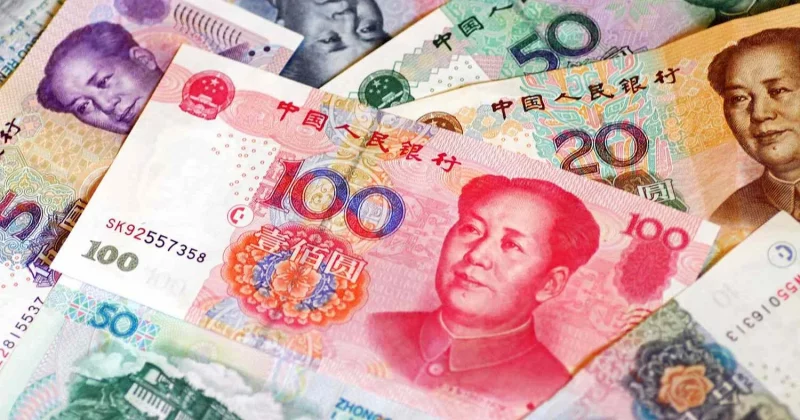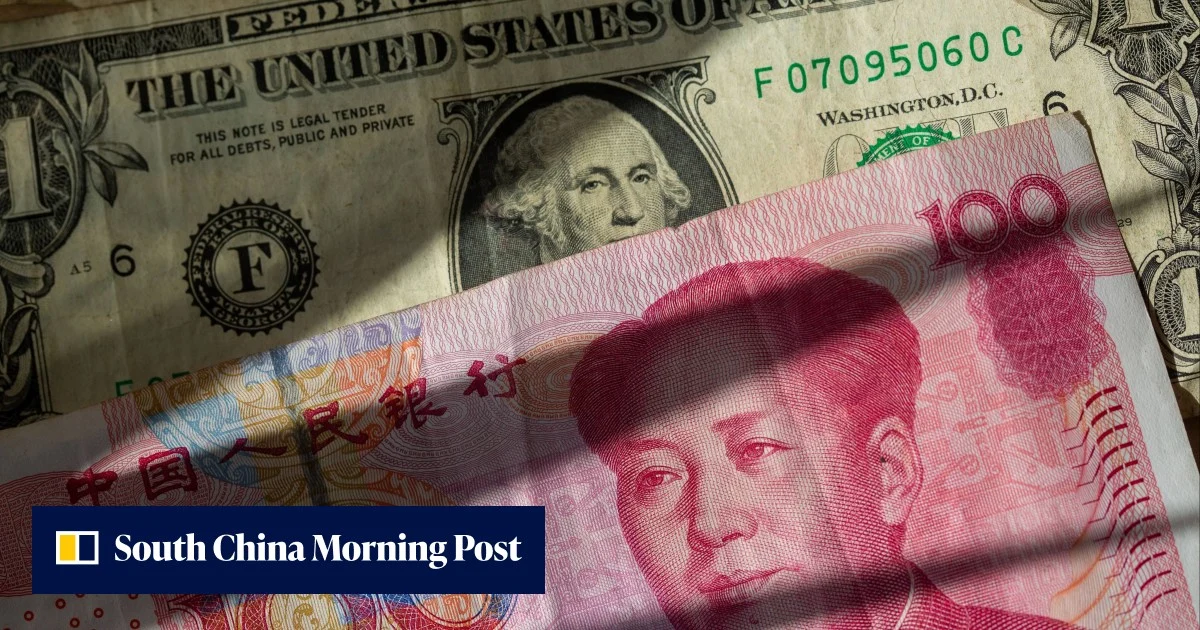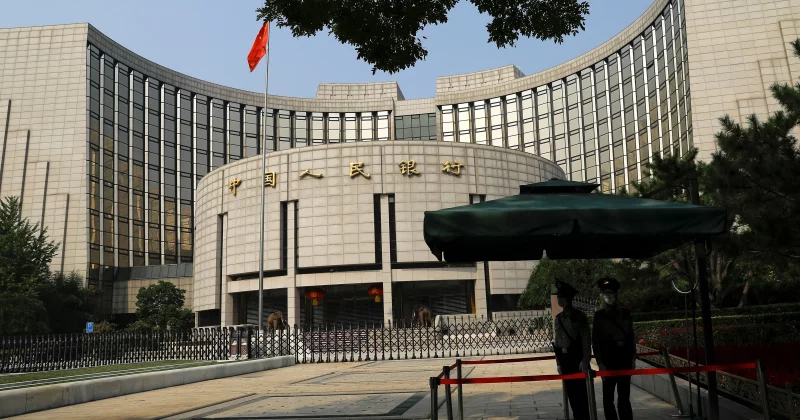
JPMorgan closed its long positions in China’s offshore yuan on February 27, booking gains after a trade that ran since November 2025. The move came hours after the People’s Bank of China announced a policy change that spooked the currency’s near-term outlook.
What the PBOC actually did
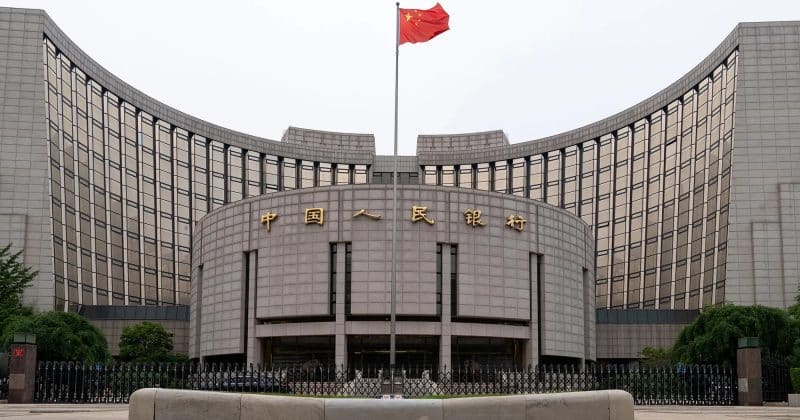
The catalyst was a seemingly technical but hugely consequential move by China’s central bank. The PBOC slashed the FX forward risk reserve requirement from 20% to zero, effective March 2, 2026.
In English: this reserve requirement acted as a speed bump on dollar buying in the onshore market. By removing it entirely, the PBOC is essentially making it cheaper and easier for market participants to purchase US dollars against the yuan.
The market read that as a green light for yuan weakness. Within hours of the announcement, the offshore yuan (CNH) depreciated past 6.85 per dollar, shedding over 100 pips in the initial move.