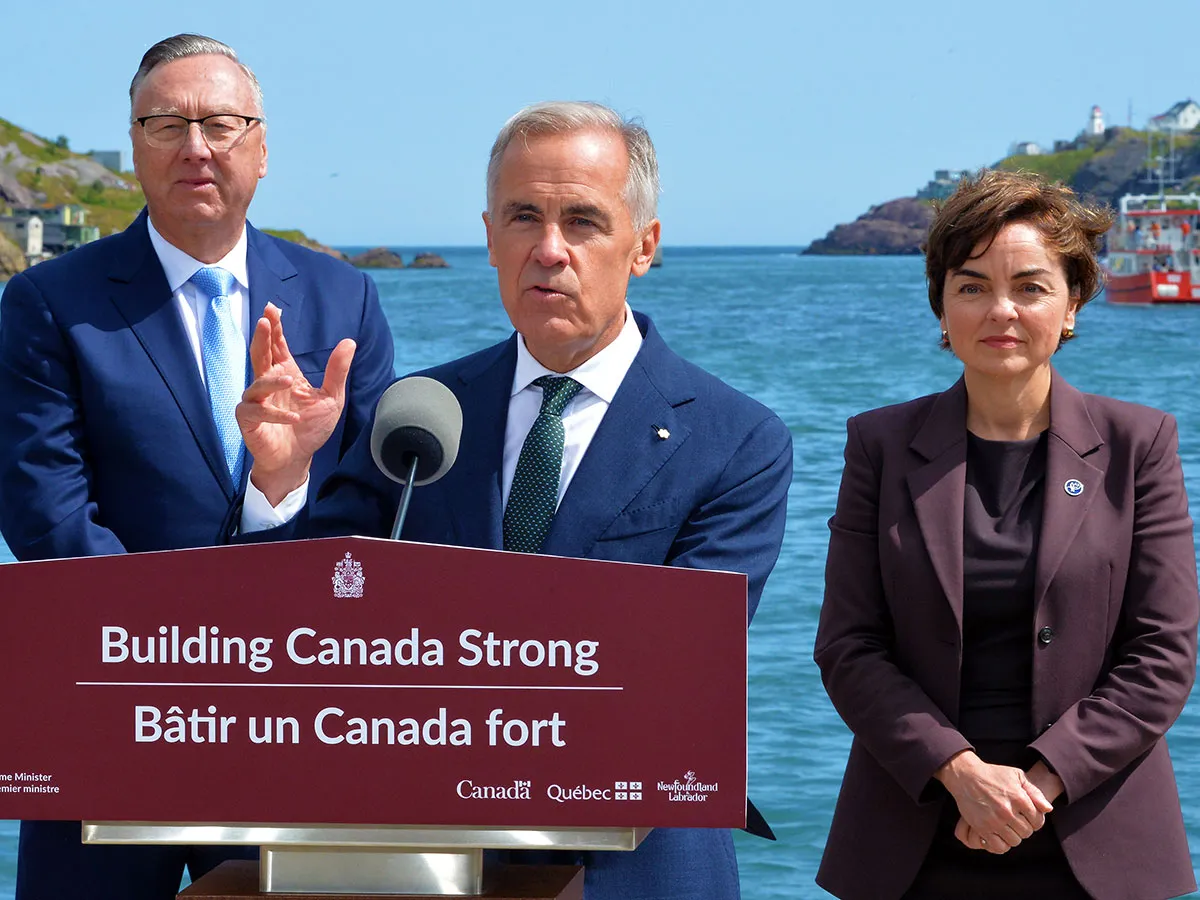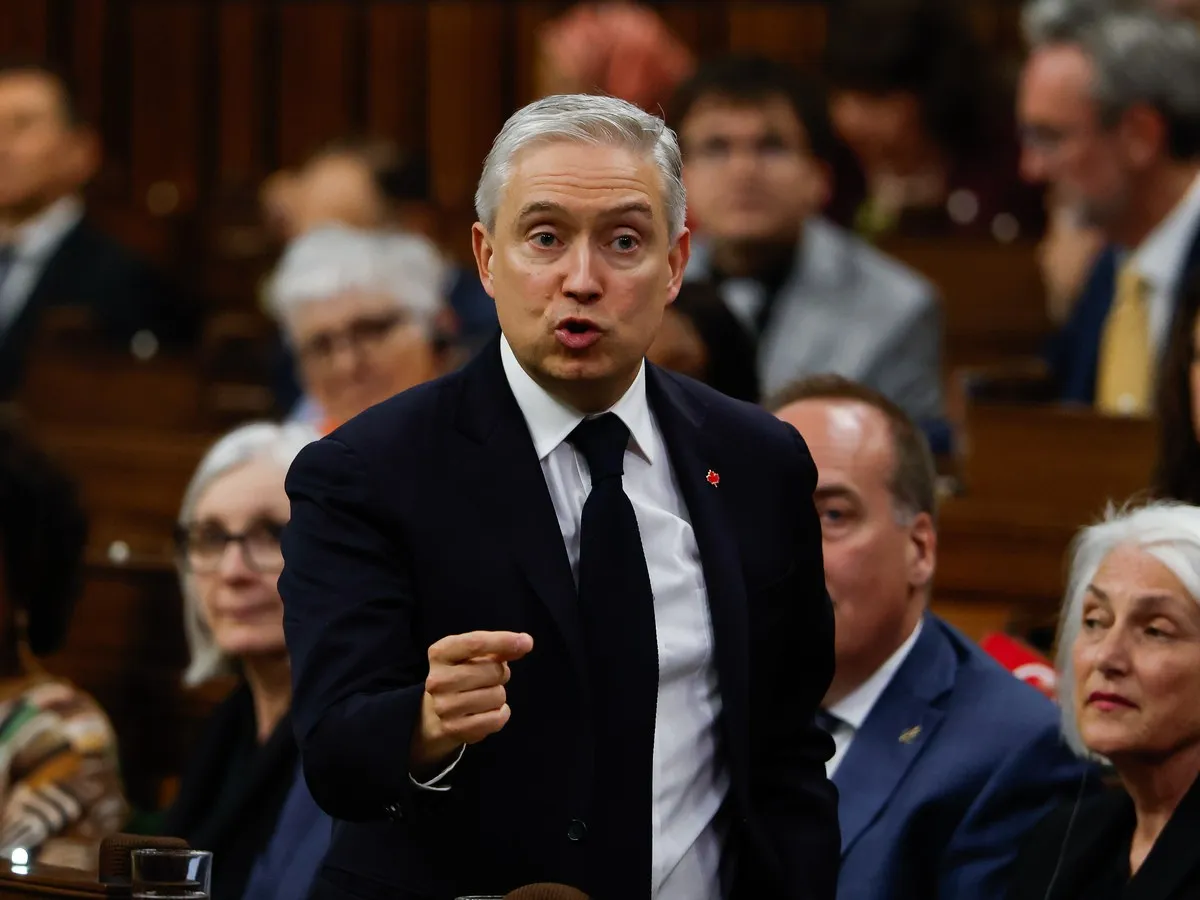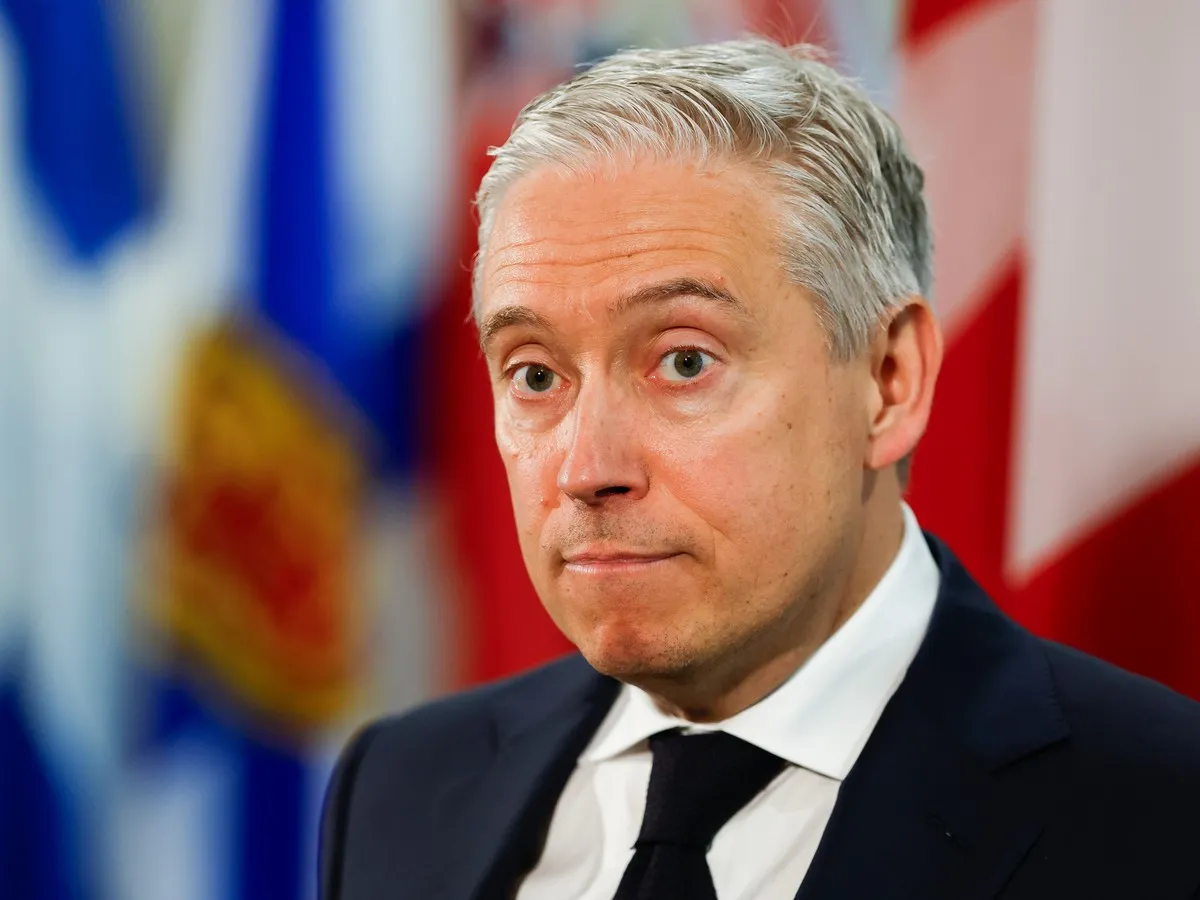
Skip to Content Subscribe Our Offers My Account Manage My Subscriptions FAQ Newsletters Canada Canadian True Crime Canadian Politics Health World Israel & Middle East Financial Post NP Comment Longreads Puzzmo Diversions Comics NP News Quiz New York Times Crossword Horoscopes Life Eating & Drinking Style Sponsored Play for Ontario Travel Travel Canada Travel USA Travel International Cruises Travel Essentials Culture Books Celebrity Movies Music Theatre Television Business Essentials Advice Lives Told Tails Told Shopping Buy Canadian Home Living Outdoor Living Kitchen & Dining Tech Style & Beauty Personal Care Entertainment & Hobbies Gift Guide Travel Guide Amazon Prime Day Deals Savings National Post Store More Sports Hockey Baseball Basketball Football Soccer Golf Tennis Driving Vehicle Research Reviews News Gear Guide Obituaries Place an Obituary Place an In Memoriam Classifieds Place an Ad Celebrations Working Business Ads Archives Healthing Epaper Manage Print Subscription Profile Settings My Subscriptions Saved Articles My Offers Newsletters Customer Service FAQ Newsletters Canada World Financial Post NP Comment Longreads Puzzmo Diversions Life Shopping Epaper Manage Print Subscription HomeCanadaCanadian PoliticsOttawa to pay for new big-ticket spending with bigger deficits, economic growth: finance ministerThe finance minister also repeated his argument that Canada has the strongest G7 fiscal position, implying that more debt is affordable. You can save this article by registering for free here. Or sign-in if you have an account."I think Canadians can understand that we have a strong fiscal position, and we're investing in the things that will generate growth to the country," Minister of Finance and National Revenue François-Philippe Champagne said before 2026 pre-budget consultations, and a roundtable discussion with the Canadian Chamber of Commerce in Ottawa on Monday. Photo by HYUNGCHEOL PARK /PostmediaThe federal government plans to pay for its recent big-ticket spending through a combination of economic growth and deficit increases, Finance Minister François-Philippe Champagne said Monday.Enjoy the latest local, national and international news.Exclusive articles by Conrad Black, Barbara Kay and others. Plus, special edition NP Platformed and First Reading newsletters and virtual events.Unlimited online access to National Post.National Post ePaper, an electronic replica of the print edition to view on any device, share and comment on.Daily puzzles including the New York Times Crossword.Support local journalism.Enjoy the latest local, national and international news.Exclusive articles by Conrad Black, Barbara Kay and others. Plus, special edition NP Platformed and First Reading newsletters and virtual events.Unlimited online access to National Post.National Post ePaper, an electronic replica of the print edition to view on any device, share and comment on.Daily puzzles including the New York Times Crossword.Support local journalism.Create an account or sign in to continue with your reading experience.Access articles from across Canada with one account.Share your thoughts and join the conversation in the comments.Enjoy additional articles per month.Get email updates from your favourite authors.Create an account or sign in to continue with your reading experience.Access articles from across Canada with one accountShare your thoughts and join the conversation in the commentsEnjoy additional articles per monthGet email updates from your favourite authorsSign In or Create an AccountorPrior to officially kicking off the government’s pre-budget consultations this year, Champagne told reporters in Ottawa that the government is “investing” in the Canadian economy to ensure various new spending items can be paid for. He also repeated his argument from recent months that Canada has the strongest fiscal position in the G7, implying that increased deficit spending is affordable.“I think Canadians can understand that we have a strong fiscal position, and we’re investing in the things that will generate growth to the country,” the finance minister said.Champagne also cited the benefits of removing interprovincial free trade barriers and strategic defence procurement that improve innovation as ways to boost growth. “We’ll do that in a very smart way.”Though the federal government has already removed the bulk of Ottawa’s barriers to interprovincial trade, the heavy lifting remains with the provinces and territories to remove their barriers, most of whom have been reluctant for decades to do so.And while analysts agree that defence procurement can be done in a way to maximize benefit to the country that is making a major purchase, they say there is little chance of recouping close to the entire expenditure in the short term.Economists also remain skeptical that long-term investments will produce short-term gains, and that high-cost projects will be paid for through any means other than increased borrowing.Don Drummond, formerly TD Bank’s chief economist and before that a high-ranking official at the Department of Finance, has said that the government seems to be resting its projections on optimistic forecasts for economic growth and labour productivity.With a range of threats on the horizon, such as rising American tariffs, Drummond said Canada could be making itself vulnerable, as was the case from the mid-1970s to the mid-1990s, when governments continued to assume that stronger growth was just around the corner.While Monday may have been the official part of the pre-budget ritual, the process started unofficially many weeks ago as economists, industry and business groups, think tanks and others started gathering their budget wish lists and policy recommendations. Some submitted them to the parliamentary finance committee more than a month ago. Champagne met Monday with business leaders and said Canadians can take part in the budget process until Sept. 8 through an online portal. Photo by HYUNGCHEOL PARK /PostmediaPrime Minister Mark Carney’s government has been trying to improve the Canadian economy’s long-term competitiveness and its ability to export beyond the United States, with a particular focus on boosting corporate investment. But hitting those goals will not be cheap.And after the Liberal government amassing massive deficits in recent years, Champagne’s comments made no mention of cuts, suggesting that the government plans to double down on its emphasis of paying for its spending mostly from added debt.Despite the addition of tens of billions of dollars of new spending spread out over the next six years, the spring update shaved the projected 2025–26 deficit down to about $66.9 billion from the $78.3 billion that had been projected in last fall’s budget. That drop was due largely to a fiscal windfall from higher oil prices.While Ottawa has been amassing large piles of debt for more than half a century, it’s taken the habit to new levels over the last few years. The federal government has now accumulated $1.27 trillion in total debt, almost half of which has been added over the last five years.Those figures do not include much of the government’s planned or announced spending for a wide range of expensive projects, including the announcement Monday of a builder for a new fleet of submarines, which are estimate to cost $80 billion. That added to the list of other big-ticket items that Ottawa has already promised:Infrastructure. The list of projects include critical minerals, transportation, and energy. That includes a new oil pipeline to the Pacific Coast from Alberta, upgrades to the Port of Vancouver and other transportation hubs, and a $60-$90-billion high-speed rail system between Toronto and Quebec City.Defence spending. The Carney government committed last year to hit NATO’s target that members spend at least two per cent of GDP on defence, and Ottawa hit that mark earlier this year after boosting military wages, investing in new hardware and moving the Canadian Coast Guard to the defence budget. Carney has also vowed to spend at least five per cent of the country’s GDP on defence by 2035, although that is expected to include investments in ports, highways and other infrastructure that can be classified as both civilian and military use.Affordability. Included are the Canada Groceries and Essentials Benefit, estimated to cost $12 billion over six years, and other cost-of-living subsidies.Housing. Ottawa has also unveiled new programs to try to add to the country’s housing stock at a time that many view as a crisis.Although Champagne didn’t mention it Monday, the government has also tried to trim spending, although it will not be nearly enough to pay for the new bills. Last year’s budget proposed cutting the federal bureaucracy by about 40,000 jobs through attrition and targeted pink slips. But that only goes part of the way to undoing the dramatic 42 per cent increase of about 110,000 in public service employees between 2015 and 2025.Some analysts worry that the federal government is heading for a steep fall as the national debt piles up.Despite some very gloomy forecasts, the Canadian economy has so far held up relatively well since U.S. President Donald Trump started imposing new tariffs last year on key Canadian industrial sectors and many other countries. Canada has also been dealing with weak productivity, a sluggish jobs market, modest inflation hikes, and the effects of wars in Iran and Ukraine.National Poststuck@postmedia.comOur website is the place for the latest breaking news, exclusive scoops, longreads and provocative commentary. Please bookmark nationalpost.com and sign up for our daily newsletter, Posted, here. Join the Conversation This website uses cookies to personalize your content (including ads), and allows us to analyze our traffic. Read more about cookies here. By continuing to use our site, you agree to our Terms of Use and Privacy Policy.
Ottawa to pay for new big-ticket spending with bigger deficits, economic growth: finance minister
The finance minister also repeated his argument that Canada has the strongest G7 fiscal position, implying that more debt is affordable.
1,508 words~7 min read