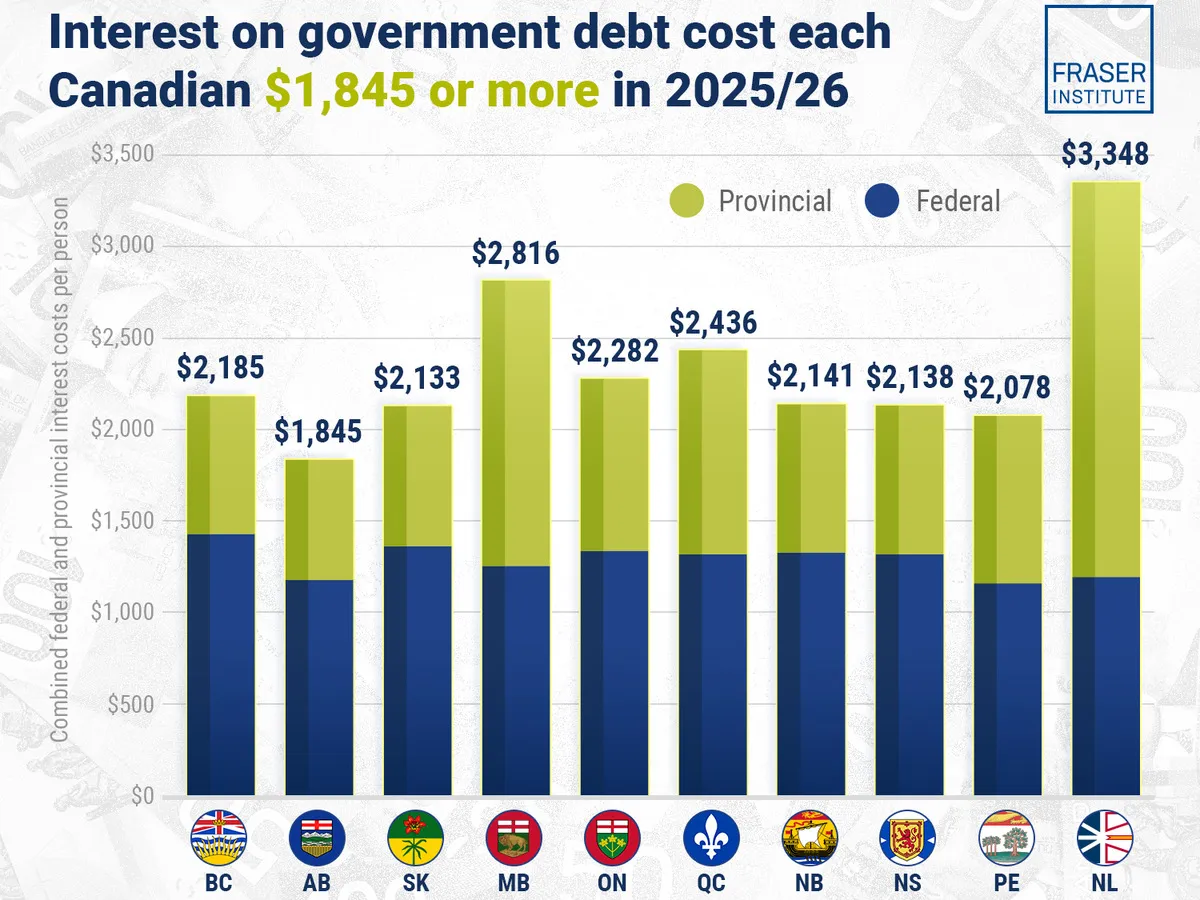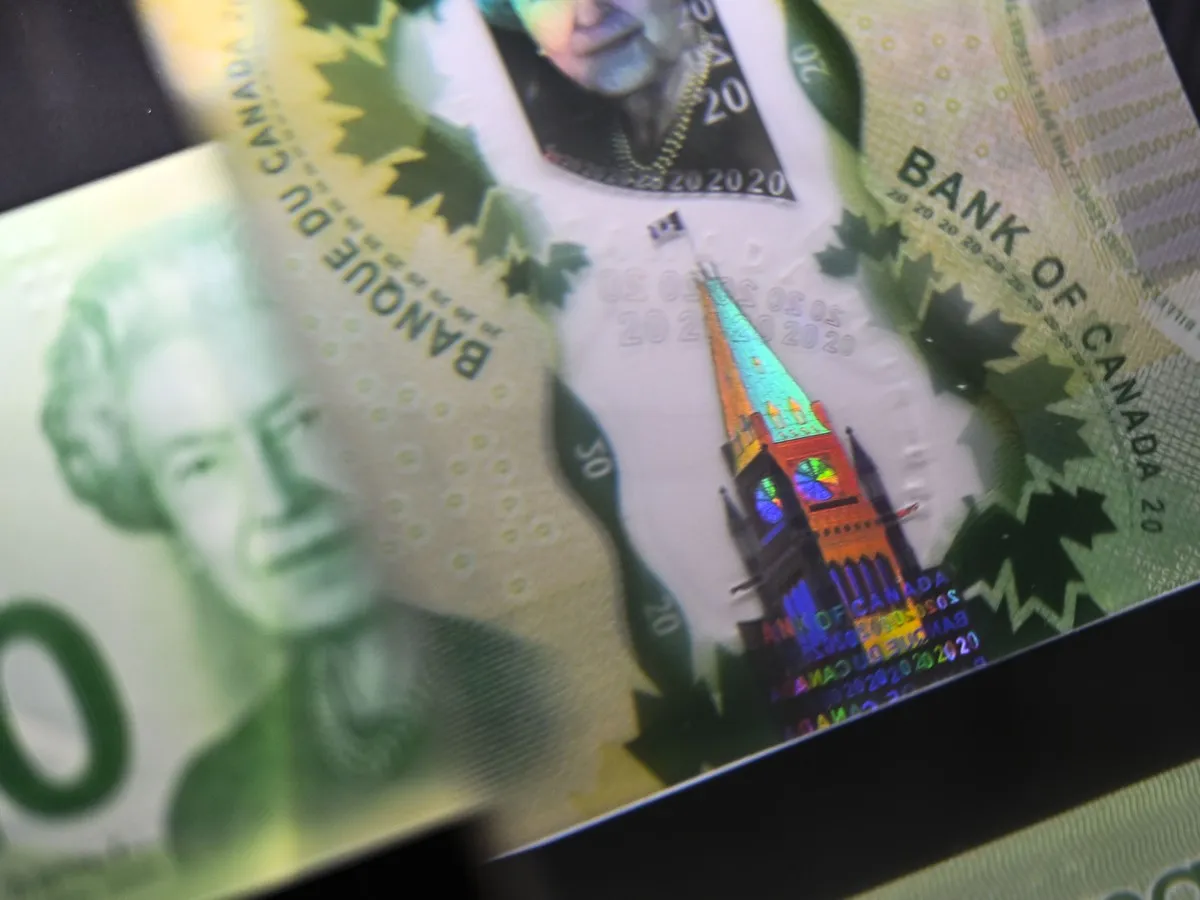
Skip to Content Subscribe Our Offers My Account Manage My Subscriptions FAQ Newsletters Canada Canadian True Crime Canadian Politics Health World Israel & Middle East Financial Post NP Comment Longreads Puzzmo Diversions Comics NP News Quiz New York Times Crossword Horoscopes Life Eating & Drinking Style Sponsored Play for Ontario Travel Travel Canada Travel USA Travel International Cruises Travel Essentials Culture Books Celebrity Movies Music Theatre Television Business Essentials Advice Lives Told Tails Told Shopping Buy Canadian Home Living Outdoor Living Tech Style & Beauty Kitchen & Dining Personal Care Entertainment & Hobbies Gift Guide Travel Guide Deals Savings National Post Store More Sports Hockey Baseball Basketball Football Soccer Golf Tennis Driving Vehicle Research Reviews News Gear Guide Obituaries Place an Obituary Place an In Memoriam Classifieds Place an Ad Celebrations Working Business Ads Archives Healthing Epaper Manage Print Subscription Profile Settings My Subscriptions Saved Articles My Offers Newsletters Customer Service FAQ Newsletters Canada World Financial Post NP Comment Longreads Puzzmo Diversions Life Shopping Epaper Manage Print Subscription HomeNewsCanadaCanada's scary debt problem: Federal, provincial debt to exceed $2.4 trillion this year, report finds'The federal government has accumulated nearly double the amount of debt that it repaid in the mid-1990s to late-2000s,' says Fraser Institute's Jake Fuss You can save this article by registering for free here. Or sign-in if you have an account.A magnifying glass enlarges the holographic image of Parliament Hill's Peace Tower on a $20 bill issued by the Bank of Canada, shown in a display case at the Bank of Canada Museum in Ottawa. Photo by Justin Tang/THE CANADIAN PRESSAs prices for just about everything skyrocket and an untold number of Canadians are going deeper into debt trying to keep up, the Fraser Institute’s latest study is a reminder that Canada and the provinces have been hurdling their own roads of indebtedness since the 2008 recession. Enjoy the latest local, national and international news.Exclusive articles by Conrad Black, Barbara Kay and others. Plus, special edition NP Platformed and First Reading newsletters and virtual events.Unlimited online access to National Post.National Post ePaper, an electronic replica of the print edition to view on any device, share and comment on.Daily puzzles including the New York Times Crossword.Support local journalism.Enjoy the latest local, national and international news.Exclusive articles by Conrad Black, Barbara Kay and others. Plus, special edition NP Platformed and First Reading newsletters and virtual events.Unlimited online access to National Post.National Post ePaper, an electronic replica of the print edition to view on any device, share and comment on.Daily puzzles including the New York Times Crossword.Support local journalism.Create an account or sign in to continue with your reading experience.Access articles from across Canada with one account.Share your thoughts and join the conversation in the comments.Enjoy additional articles per month.Get email updates from your favourite authors.Create an account or sign in to continue with your reading experience.Access articles from across Canada with one accountShare your thoughts and join the conversation in the commentsEnjoy additional articles per monthGet email updates from your favourite authorsSign In or Create an AccountorIn its latest research bulletin on the growing debt burden for Canadians, the public policy organization found that the combined federal and provincial net debt, adjusted for inflation, has nearly doubled from $1.24 trillion in 2007-08 to a projected $2.44 trillion this fiscal year, a growth of 97.7 per cent. In 2024, the Fraser Institute forecast it to reach $2.2 trillion and last year it was $2.3 trillion.Get a dash of perspective along with the trending news of the day in a very readable format.By signing up you consent to receive the above newsletter from Postmedia Network Inc.A welcome email is on its way. If you don't see it, please check your junk folder.The next issue of NP Posted will soon be in your inbox.We encountered an issue signing you up. Please try againMost of the $1.2 trillion over the 18-year study period was accrued by Ottawa, projected to have increased $712.7 billion (93.7 per cent) over that time, particularly during its response to the COVID-19 pandemic.In fact, Jake Fuss, the author and the institute’s director of fiscal studies, found that from 2019-20 until this fiscal year, both levels of government are projected to have collectively accumulated $603.7 billion in net debt, an increase of 32.8 per cent. With the pandemic well in the rearview, Fuss said now is the time for a plan to address government debt. “A long-term plan to return to balanced budgets is necessary if Canadian governments are going to begin the difficult task of stemming debt accumulation and eventually reducing the debt burden,” he wrote. The bulletin notes that Ottawa and the provinces “have decisively broken from the era of fiscal prudence” exhibited from the mid-1990s to the late aughts and returned to an era similar to the 1970s to the 1990s, when accumulating debt and increasing deficits “became the norm.”In comparison, in the 12 years before the study period, federal net debt was reduced by $364.5 billion. “Put differently, in the past 18 years, the federal government has accumulated nearly double the amount of debt that it repaid in the mid-1990s to late-2000s,” Fuss explained. At the provincial level, over the last 15 years, Alberta went from being the only province with a net financial asset position — meaning its assets were greater than its liabilities — to join the list of provinces with “a fast-growing debt burden” by adding $91.3 billion in net debt.B.C. leads that category with a shocking 200 per cent debt increase to $70.3 billion over the 18 years, followed by Manitoba (144.7 per cent to $22.5 billion), Saskatchewan (108.9 per cent to $9.4 billion), and Ontario (94.9 per cent), the province with the highest debt at $459.4 billion. Net debt in Quebec and three of the four Atlantic Canadian provinces, save for P.E.I., has increased 35 per cent or less.The annual study also explored the debt as a share of the Canadian economy, the GDP, and found that “combined net debt now equals a projected 75.4 per cent.” Federal debt accounts for the lion’s share at 45.4 per cent to the province’s 29.9 per cent.Provincially, Manitoba has the highest combined debt as a share of GDP at 91.3 per cent in 2025-26, and while Alberta experienced the largest increase in that regard (21.5 per cent), its debt as a share of GDP remains the lowest in Canada (8.1 per cent). Newfoundland & Labrador has the highest debt-to-GDP ratio among the provinces at 44.5 percent, followed by Quebec (38.8 per cent) and Manitoba (38 per cent). Quebec and Nova Scotia (32.9 per cent) were the only provinces whose net debt as a percentage of GDP decreased, albeit by only 2.7 per cent each.After allocating federal debt to each province based on its share of Canada’s population, Fuss found that Newfoundlanders and Labradorians had the highest combined debt per person at $71,611, $8,000 more than Ontario ($63,574), whose combined net debt registered over $1 billion on a per capita basis. Albertans are on the hook for a national low of $42,368 per person.Fuss warns that Ottawa has indicated its net debt could increase 25.6 per cent to reach $1.86 trillion by 2030-31 and that every province other than Manitoba and Ontario is projecting budget deficits this fiscal year through 2028-29. The ever-growing debt matters, he explained, because when it expands, long-term interest rates often rise in tandem, thereby increasing the cost of borrowing in the private sector and reducing the incentive for private capital investment in Canada.“Declining investment levels then pose great challenges to the country’s ability to enhance productivity and can reduce future economic performance,” he wrote.It also tends to lead to higher taxes as governments attempt to service their debt.“Revenues directed towards interest payments leave less money available for government programs such as health care, education, social services, or tax relief.”Our website is the place for the latest breaking news, exclusive scoops, longreads and provocative commentary. Please bookmark nationalpost.com and sign up for our daily newsletter, Posted, here. Join the Conversation This website uses cookies to personalize your content (including ads), and allows us to analyze our traffic. Read more about cookies here. By continuing to use our site, you agree to our Terms of Use and Privacy Policy.
Canada's scary debt problem: Federal, provincial debt to exceed $2.4 trillion this year, report finds
Federal and provincial net debt continues to climb, says the Fraser Institute, calling for a return to balanced budgets.
1,376 words~6 min read