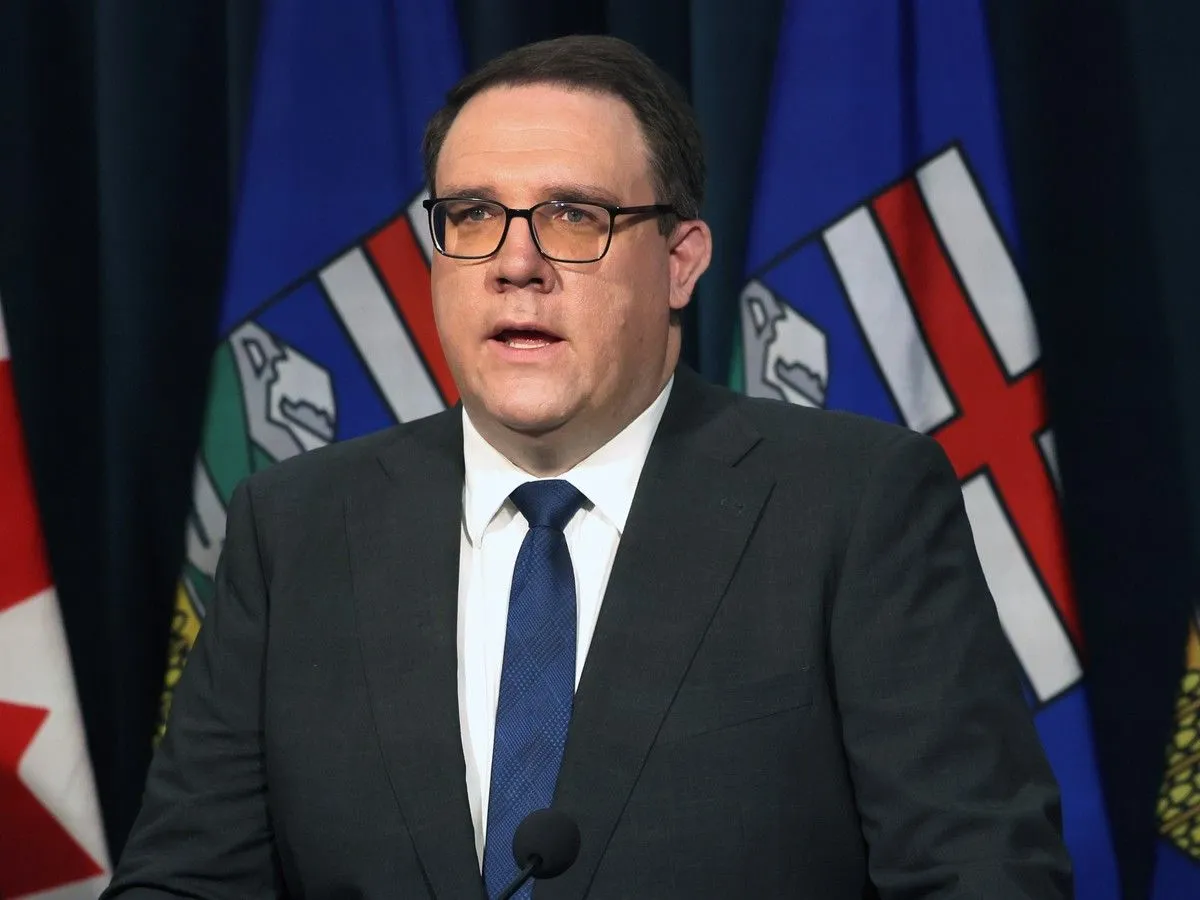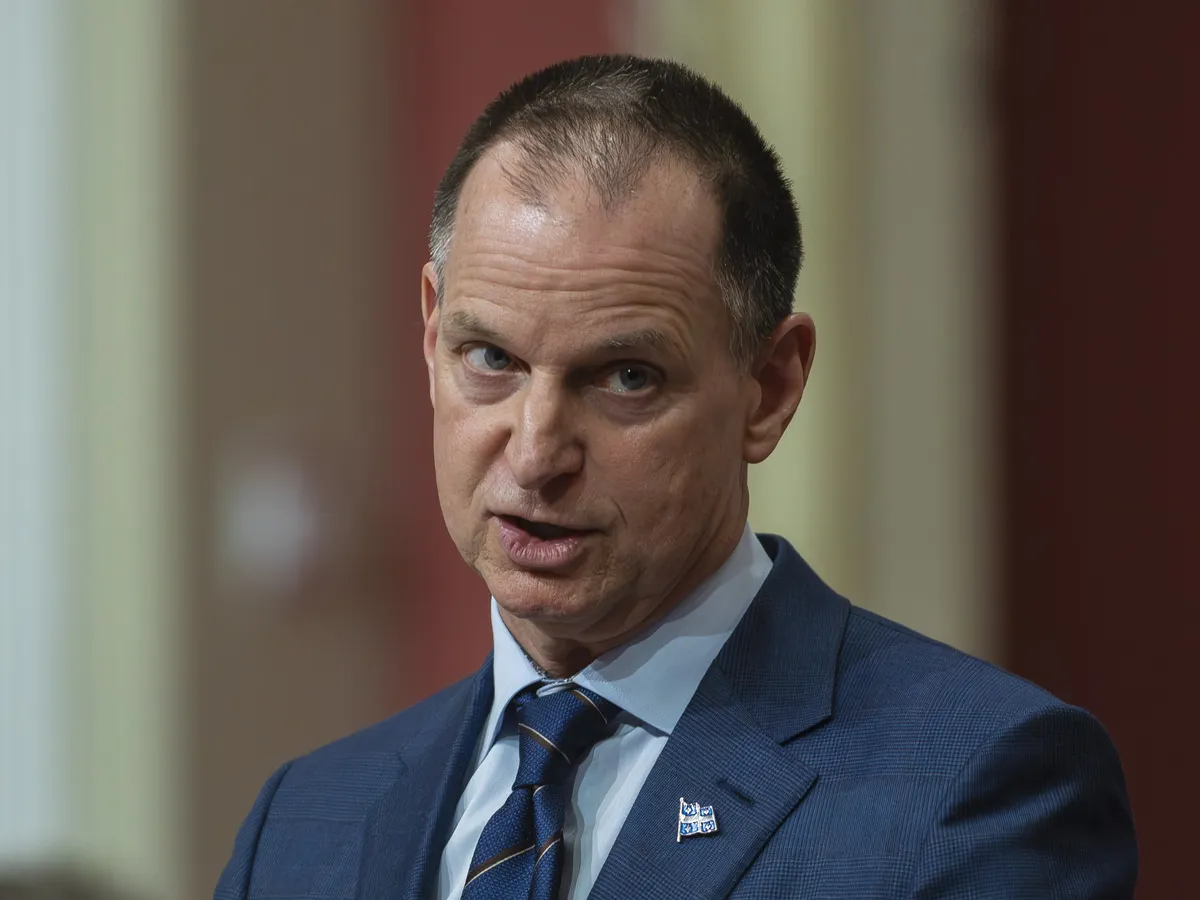
Skip to Content News Archives Economy Energy Oil & Gas Renewables Electric Vehicles Mining Commodities Agriculture Real Estate Mortgages Mortgage Rates Finance Banking Insurance Fintech Cryptocurrency Work Wealth Smart Money Wealth Management Investor Personal Finance Family Finance Retirement Taxes High Net Worth FP Comment Executive Women Puzzmo Newsletters Financial Times Business Essentials More Innovation Information Technology FP500 Podcasts Small Business Lives Told Tails Told Shopping Financial Post Store Obituaries Place a Notice Advertising Advertising With Us Advertising Solutions Postmedia Ad Manager Sponsorship Requests Classifieds Place a Classifieds ad Working Profile Settings My Subscriptions Saved Articles My Offers Newsletters Customer Service FAQ News Economy Energy Mining Real Estate Finance Work Wealth Investor FP Comment Executive Women Puzzmo Newsletters Financial Times Business Essentials HomeNewsEconomyDebt investors press Quebec finance minister on separatism in CanadaEconomic and political uncertainty has had an effect on Quebec’s borrowing costsAuthor of the article:Last updated 58 minutes ago You can save this article by registering for free here. Or sign-in if you have an account.“Investors are used to assessing all sorts of risks,” said Eric Girard, and in Quebec’s case, they know the province well enough to understand the political dynamic. Photo by Francis Vachon/PostmediaCanada is dealing with active separatist movements in two of its largest provinces, sparking wariness among bondholders in the United States, according to Quebec’s finance minister.Subscribe now to read the latest news in your city and across Canada.Exclusive articles from Barbara Shecter, Joe O'Connor, Gabriel Friedman, and others.Daily content from Financial Times, the world's leading global business publication.Unlimited online access to read articles from Financial Post, National Post and 15 news sites across Canada with one account.National Post ePaper, an electronic replica of the print edition to view on any device, share and comment on.Daily puzzles, including the New York Times Crossword.Subscribe now to read the latest news in your city and across Canada.Exclusive articles from Barbara Shecter, Joe O'Connor, Gabriel Friedman and others.Daily content from Financial Times, the world's leading global business publication.Unlimited online access to read articles from Financial Post, National Post and 15 news sites across Canada with one account.National Post ePaper, an electronic replica of the print edition to view on any device, share and comment on.Daily puzzles, including the New York Times Crossword.Create an account or sign in to continue with your reading experience.Access articles from across Canada with one account.Share your thoughts and join the conversation in the comments.Enjoy additional articles per month.Get email updates from your favourite authors.Create an account or sign in to continue with your reading experience.Access articles from across Canada with one accountShare your thoughts and join the conversation in the commentsEnjoy additional articles per monthGet email updates from your favourite authorsSign In or Create an Accountor“There have been some questions on the independence movement in Alberta and in Quebec,” Eric Girard said in an interview after meetings with investors in New York this week.French-speaking Quebec has had a sovereignty movement for decades, but polls suggest that support for breaking away from Canada “is at the low end of where it has been historically,” Girard said. U.S. President Donald Trump’s trade war is creating “some patriotism” among Canadians and spurring tighter economic ties within the country, he added.Get the latest headlines, breaking news and columns.By signing up you consent to receive the above newsletter from Postmedia Network Inc.A welcome email is on its way. If you don't see it, please check your junk folder.The next issue of Top Stories will soon be in your inbox.We encountered an issue signing you up. Please try againIn Quebec, the separatist Parti Quebecois is leading in most polls with a provincial election scheduled for October. The PQ is promising that if it wins, it will hold a referendum on the secession from Canada within its first term.Meanwhile, Alberta Premier Danielle Smith said Thursday her government will call a referendum on whether the oil-rich province should stay in Canada or start a legal process that could eventually lead to its independence. In Alberta, polls show separatism is a minority view, and the premier herself said she would vote to remain in Canada.“Investors are used to assessing all sorts of risks,” said Girard, and in Quebec’s case, they know the province well enough to understand the political dynamic. “They’ve been buying our paper for a long time.”U.S. tariffs on Canadian goods are harming Quebec exports, even more so since the Trump administration changed its tariffs on items made with steel, aluminum and copper in April, which created problems for Quebec-based companies such as Sea-Doo manufacturer BRP Inc.Economic and political uncertainty has had an effect on Quebec’s borrowing costs. The yield on its 10-year notes widened to about seven points above similar debt from Ontario earlier this year — the most since 2014, according to data compiled by Bloomberg. That spread now moves between four and five basis points, with Girard estimating two basis points are attributable to the talk of a future secession vote.“The probability of a PQ-elected majority and the probability of a successful referendum have gone down since its peak,” he said. His party, the nationalist Coalition Avenir Quebec, chose a new leader, Christine Fréchette, in April and has been gaining ground in opinion surveys.A Leger Marketing poll published in Quebecor Inc.’s news outlets this week shows the PQ with 30 per cent support, the Liberal Party of Quebec stable at 28 per cent and Girard’s CAQ gaining five points at 22 per cent.Quebec’s finance department is forecasting about one per cent economic growth this year for the province, based on the first half of the year being flat and the second half being “solid,” Girard said. “We need resolution of the Strait of Hormuz situation, and we need a positive resolution of the revision of the Canada-U.S.-Mexico Agreement, which right now is not the focus of the U.S. administration.”S&P Global downgraded Quebec to A+ after Girard’s 2025 budget, citing a burst of infrastructure spending, among other concerns. “I think we were right to prioritize the economy over the rating. We needed to support the economy in the face of tariffs,” explained Girard.The latest budget, released in March, projects the province will balance its books by the 2029-30 fiscal year. “We’re the only province with an explicit plan on how to return to balance,” Girard said, adding that the current fiscal framework and a normalization of Canada’s trade relationship with the U.S. would be favourable to a positive re-rating next year. Join the Conversation This website uses cookies to personalize your content (including ads), and allows us to analyze our traffic. Read more about cookies here. By continuing to use our site, you agree to our Terms of Use and Privacy Policy.
Debt investors press Quebec finance minister on separatism in Canada
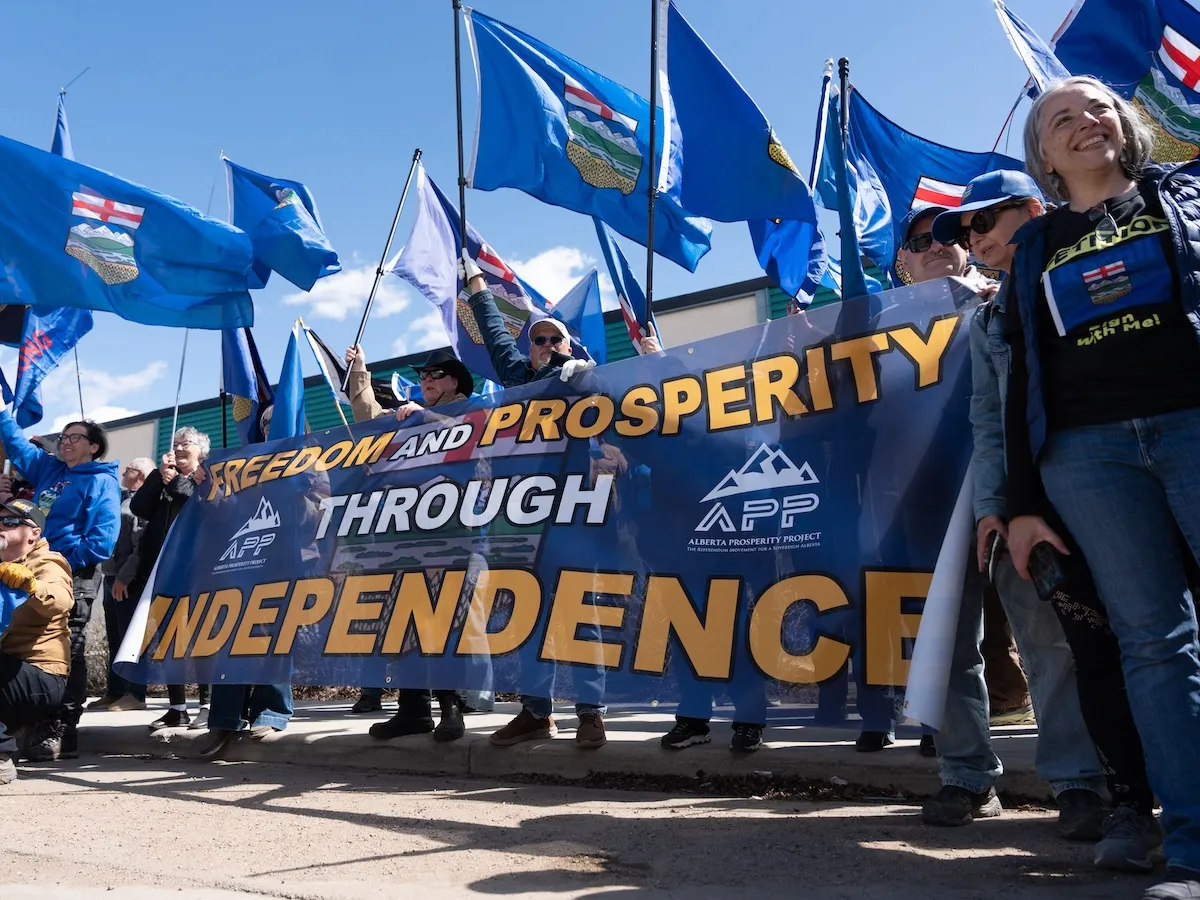
Canada is dealing with active separatist movements in two of its largest provinces, sparking wariness among bondholders in the U.S. Read on
1,113 words~5 min read