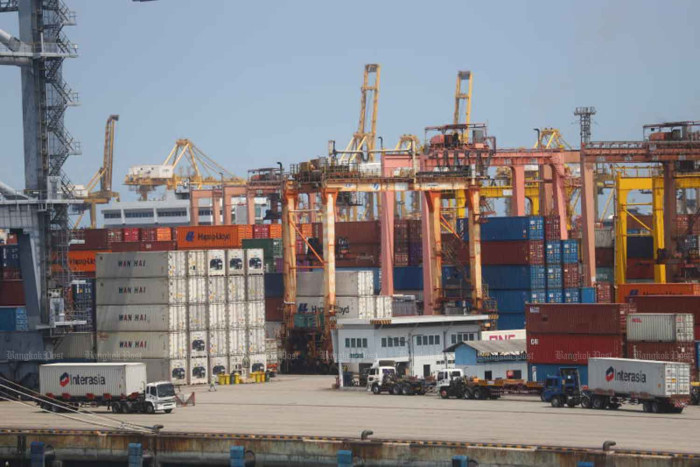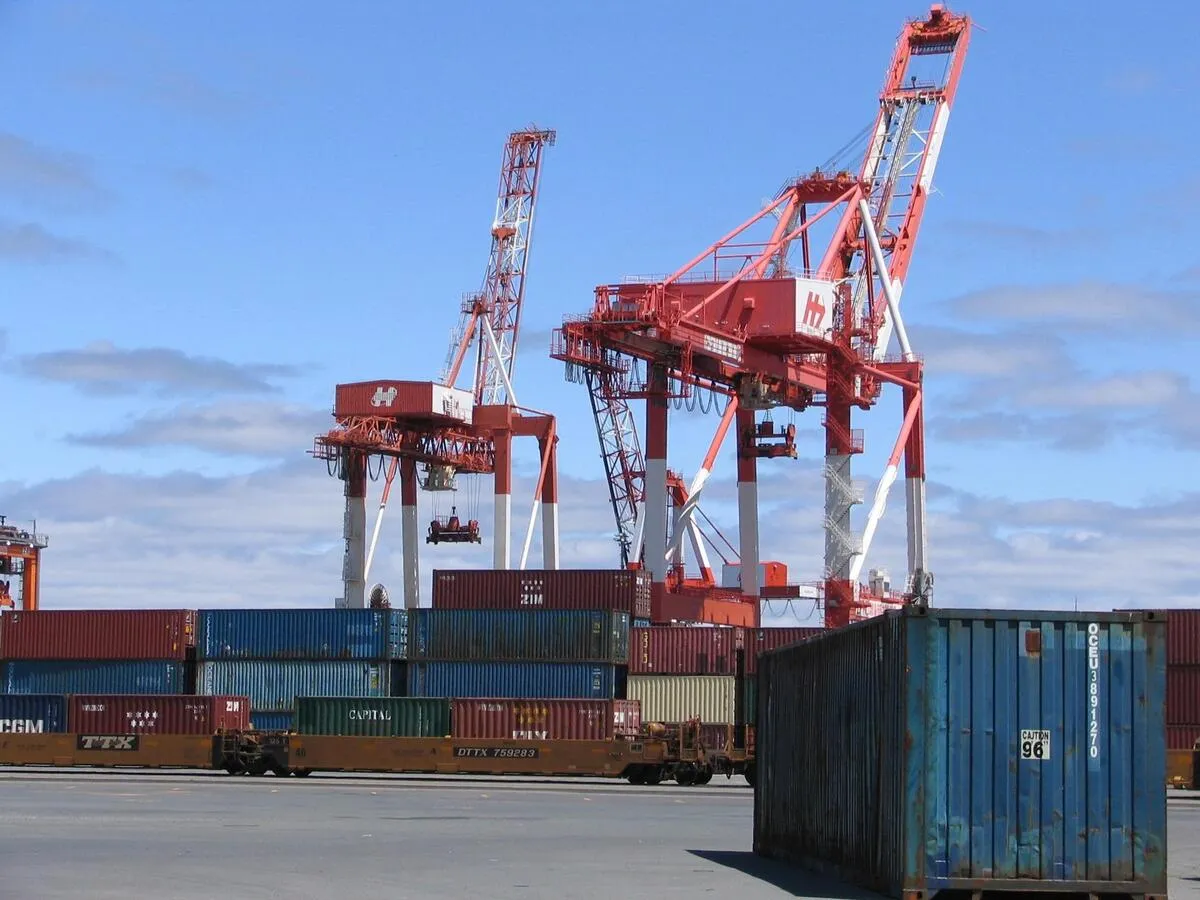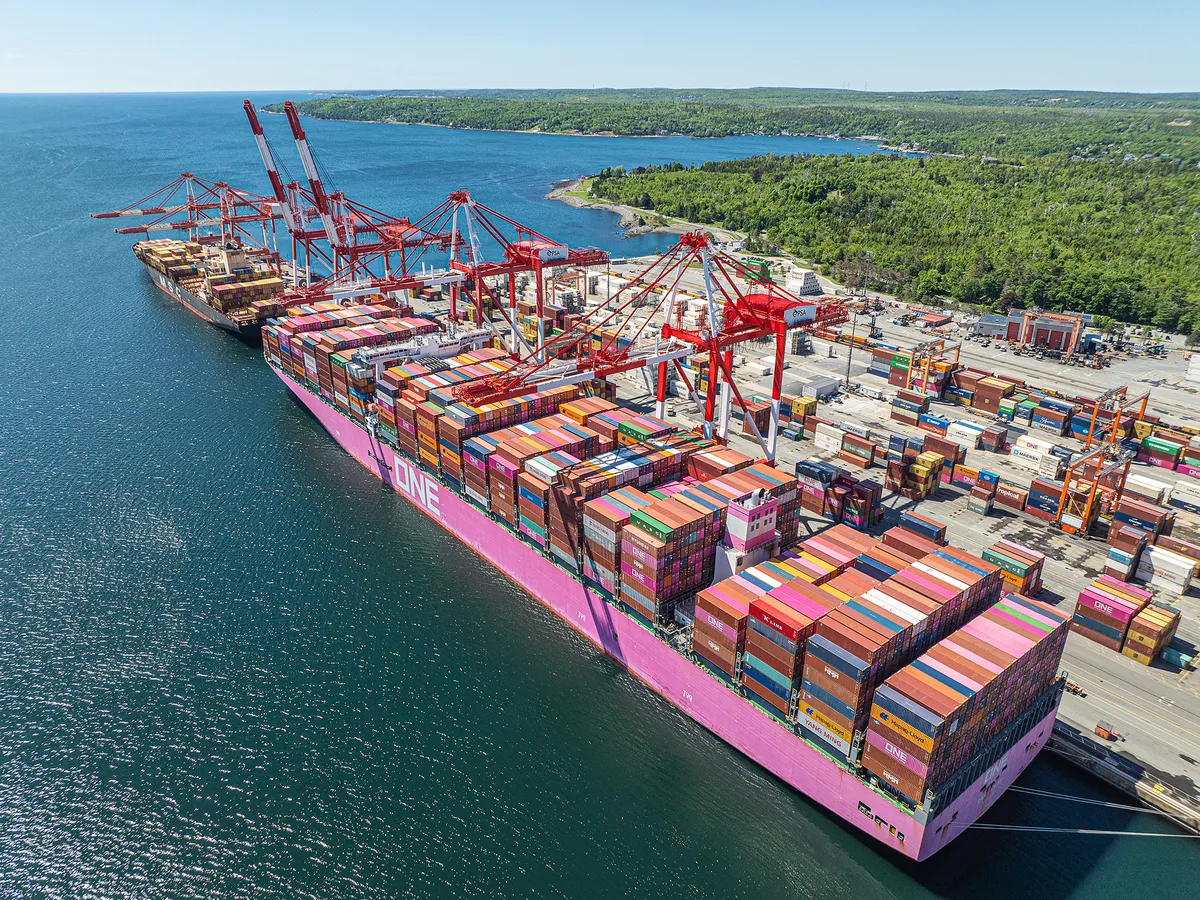
Skip to Content News Archives Economy Energy Oil & Gas Renewables Electric Vehicles Mining Commodities Agriculture Real Estate Mortgages Mortgage Rates Finance Banking Insurance Fintech Cryptocurrency Work Wealth Smart Money Wealth Management Investor Personal Finance Family Finance Retirement Taxes High Net Worth FP Comment Executive Women Puzzmo Newsletters Financial Times Business Essentials More Innovation Information Technology FP500 Podcasts Small Business Lives Told Tails Told Shopping Financial Post Store Obituaries Place a Notice Advertising Advertising With Us Advertising Solutions Postmedia Ad Manager Sponsorship Requests Classifieds Place a Classifieds ad Working Profile Settings My Subscriptions Saved Articles My Offers Newsletters Customer Service FAQ News Economy Energy Mining Real Estate Finance Work Wealth Investor FP Comment Executive Women Puzzmo Newsletters Financial Times Business Essentials HomeNewsEconomyCanada's current account deficit surged in first quarter as imports roseThe larger current account deficit also reflected a smaller investment income surplusAuthor of the article:Last updated 56 minutes ago You can save this article by registering for free here. Or sign-in if you have an account.Exports also grew 3.9 per cent to $203.3 billion, supported by a 16.1 per cent jump in energy products. Photo by Handout/Port of HalifaxCanadians imported a record amount of goods in the first quarter, driven primarily by surging prices for gold and other metals, causing the current account deficit to widen.Subscribe now to read the latest news in your city and across Canada.Exclusive articles from Barbara Shecter, Joe O'Connor, Gabriel Friedman, and others.Daily content from Financial Times, the world's leading global business publication.Unlimited online access to read articles from Financial Post, National Post and 15 news sites across Canada with one account.National Post ePaper, an electronic replica of the print edition to view on any device, share and comment on.Daily puzzles, including the New York Times Crossword.Subscribe now to read the latest news in your city and across Canada.Exclusive articles from Barbara Shecter, Joe O'Connor, Gabriel Friedman and others.Daily content from Financial Times, the world's leading global business publication.Unlimited online access to read articles from Financial Post, National Post and 15 news sites across Canada with one account.National Post ePaper, an electronic replica of the print edition to view on any device, share and comment on.Daily puzzles, including the New York Times Crossword.Create an account or sign in to continue with your reading experience.Access articles from across Canada with one account.Share your thoughts and join the conversation in the comments.Enjoy additional articles per month.Get email updates from your favourite authors.Create an account or sign in to continue with your reading experience.Access articles from across Canada with one accountShare your thoughts and join the conversation in the commentsEnjoy additional articles per monthGet email updates from your favourite authorsSign In or Create an AccountorThat deficit surged to $7.2 billion from $1 billion a quarter ago. The figure, released Thursday, surpassed the $4.3 billion expected by economists in a Bloomberg survey.Imports climbed 5.5 per cent to a record $211 billion, led by metals and non-metallic mineral products, which rose by 38.3 per cent. Gold hit an intraday record of more than US$5,500 at the end of January.Canadians also sold the precious metal, but to a lesser degree, with metals and mineral exports rising 11.2 per cent. Exports overall grew 3.9 per cent to $203.3 billion, also supported by a 16.1 per cent jump in energy products.Get the latest headlines, breaking news and columns.By signing up you consent to receive the above newsletter from Postmedia Network Inc.A welcome email is on its way. If you don't see it, please check your junk folder.The next issue of Top Stories will soon be in your inbox.We encountered an issue signing you up. Please try againTariffs on cars and metals continue to hurt the Canadian economy. Exports of motor vehicles fell 10.7 per cent in the quarter to their lowest level since 2020.“A wider goods trade deficit drove the deterioration amid significant tariff uncertainty,” Shelly Kaushik, senior economist with Bank of Montreal, wrote in a note to clients. “However, the late-February outbreak of the Iran war marked a shift in trade flows by driving up prices for key Canadian exports, especially energy, in March. High oil prices will continue to support merchandise exports through Q2.”The larger current account deficit also reflected a smaller investment income surplus. This was the 15th consecutive quarter that Canada had such a deficit.Foreign direct investment into Canada in the first quarter fell 31 per cent year over year to $22 billion, following a strong end to 2025.Mergers and acquisitions accounted for $12.1 billion of foreign direct investment activity in the quarter, while reinvested earnings contributed another $10 billion. The energy and mining sector attracted $14.7 billion during the period.The report also shows foreign investors increased their holdings of Canadian securities by $57.8 billion in the quarter, as their investment in Canadian bonds reach a record $78.6 billion. Foreign purchases focused on federal government and private corporate debt, while Canadian investors continued reducing exposure to United States government debt. Join the Conversation This website uses cookies to personalize your content (including ads), and allows us to analyze our traffic. Read more about cookies here. By continuing to use our site, you agree to our Terms of Use and Privacy Policy.
Canada's current account deficit surged in first quarter as imports rose
Canadians imported a record amount of goods in Q1, driven by surging prices for metals, causing the account deficit to widen. Read here now
TL;DRAI
Canada's Q1 current account deficit hit $7.2B (vs. $1B prior), with record imports of $211B driven by metals surging 38% amid gold price spikes. FDI fell 31% YoY to $22B; tariff pressure on metals and autos raises procurement costs across hardware-dependent supply chains.
863 words~4 min read