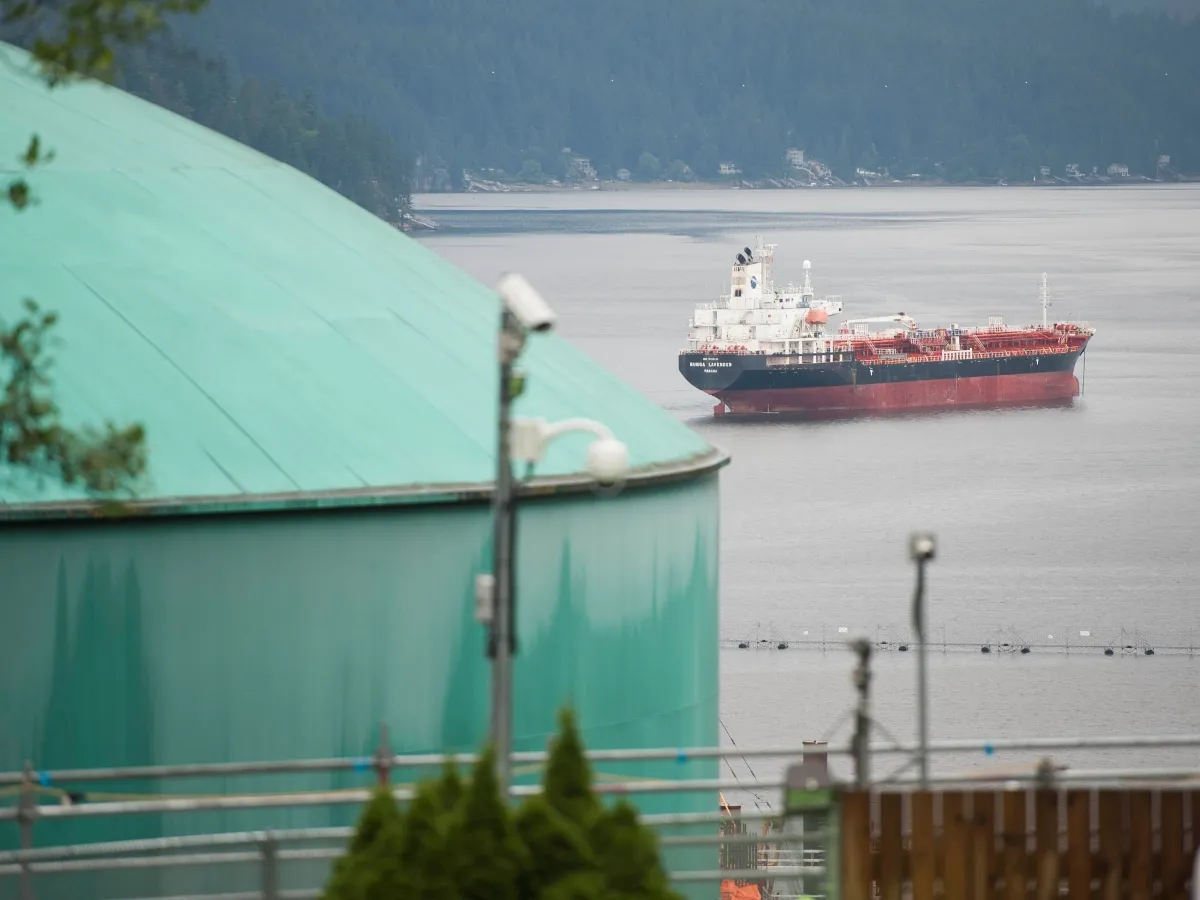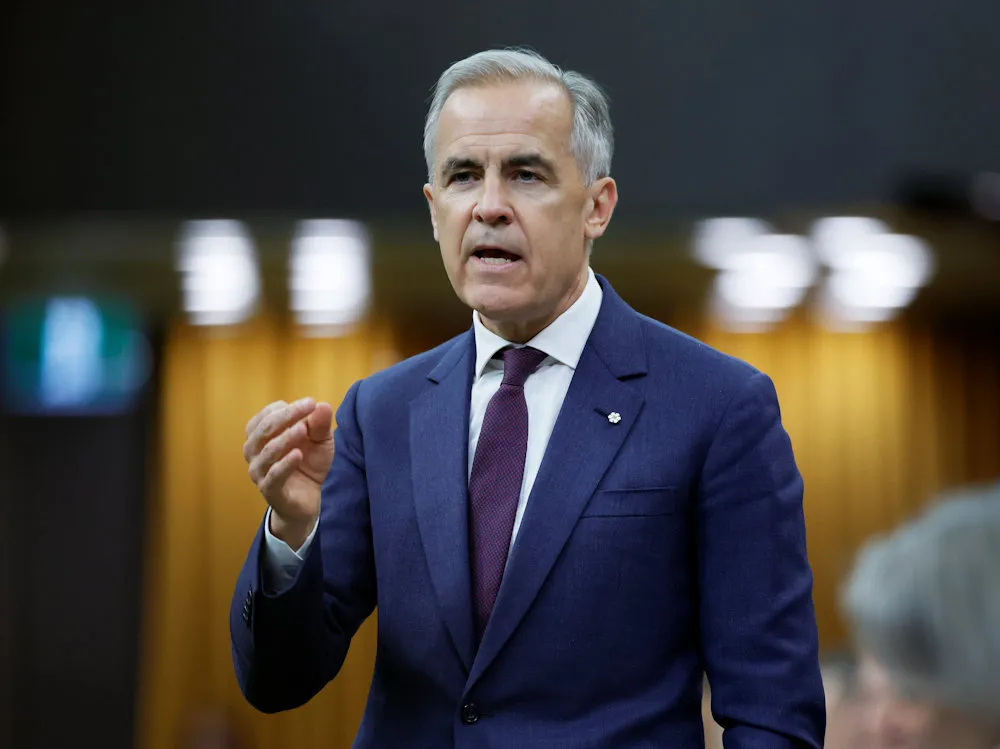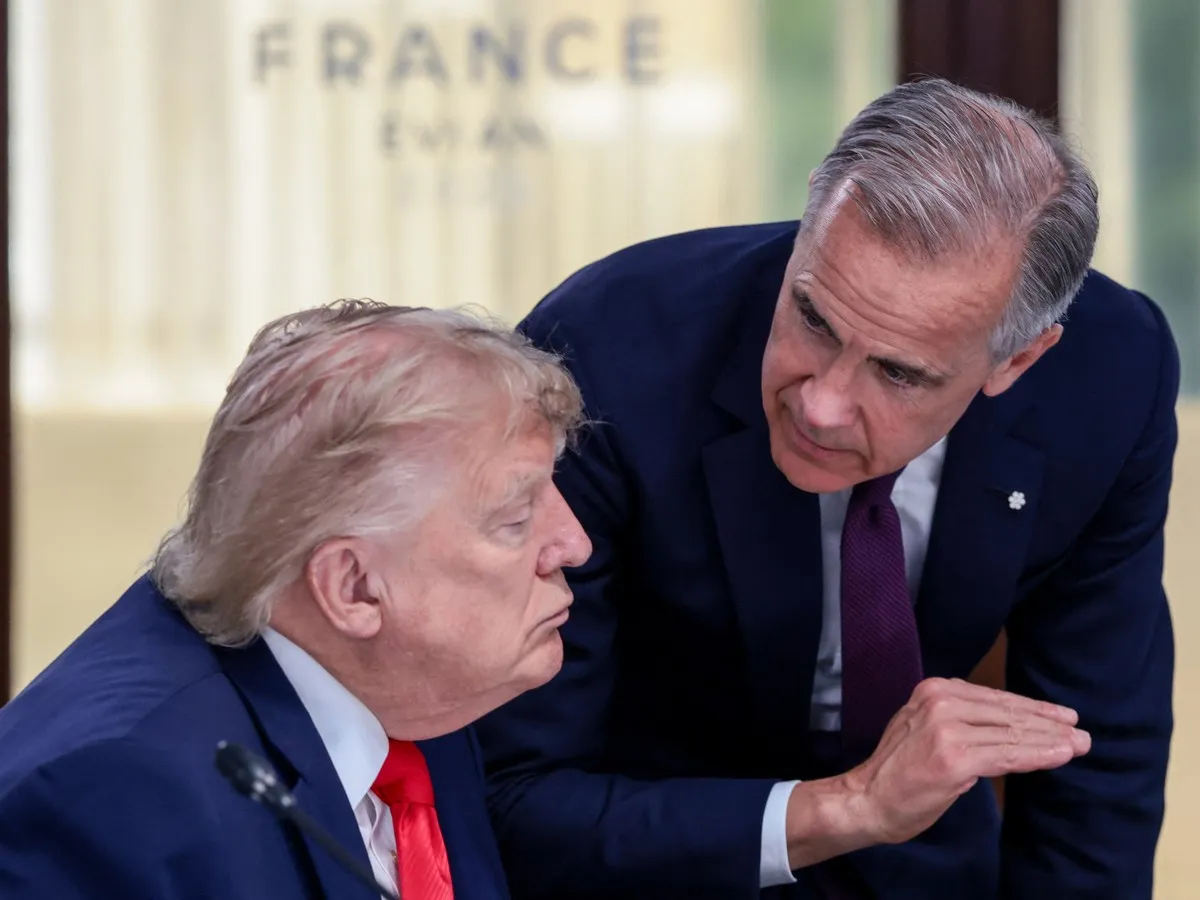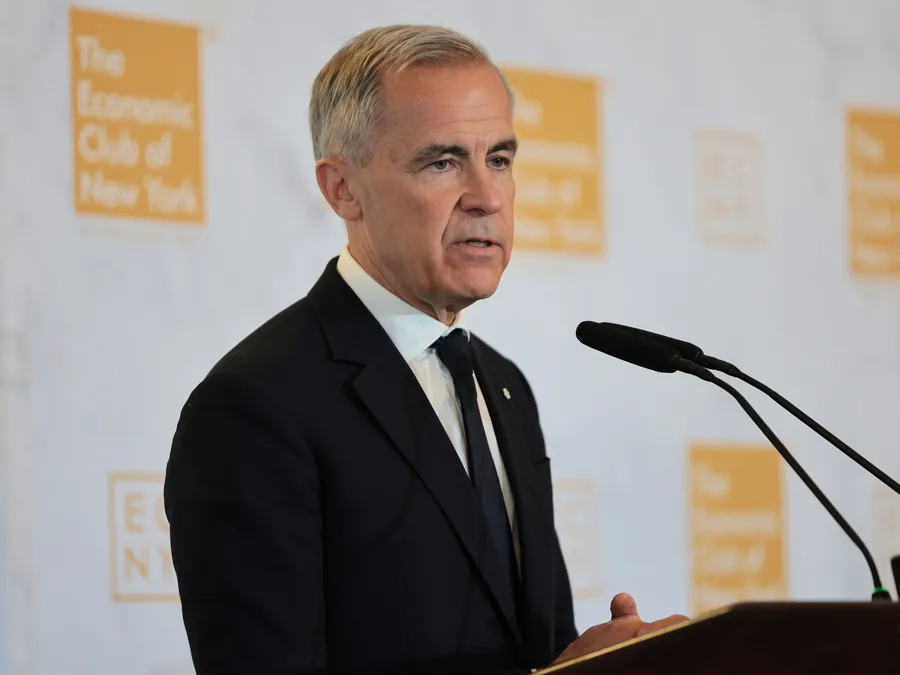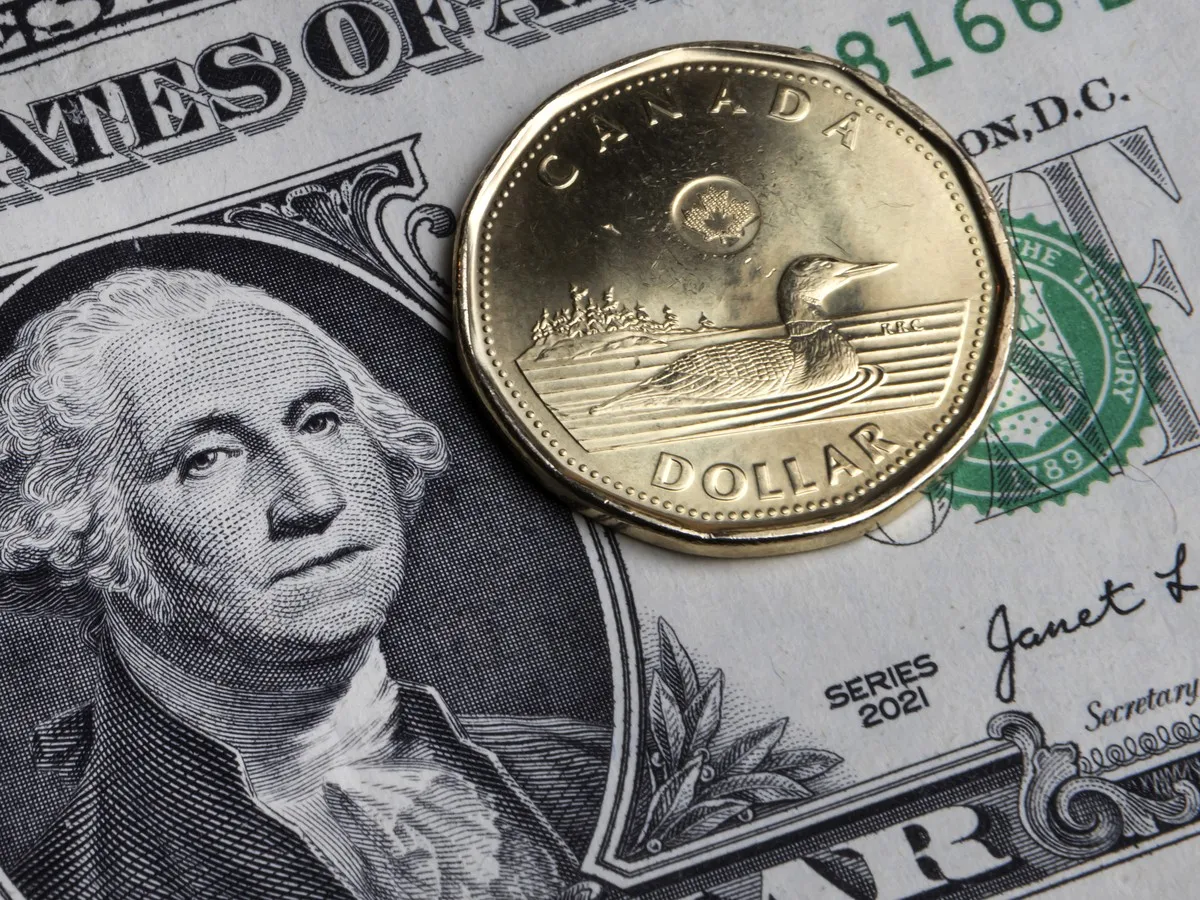
Skip to Content Subscribe Our Offers My Account Manage My Subscriptions FAQ Newsletters Canada Canadian True Crime Canadian Politics Health World Israel & Middle East Financial Post NP Comment Longreads Puzzmo Diversions Comics NP News Quiz New York Times Crossword Horoscopes Life Eating & Drinking Style Sponsored Play for Ontario Travel Travel Canada Travel USA Travel International Cruises Travel Essentials Culture Books Celebrity Movies Music Theatre Television Business Essentials Advice Lives Told Tails Told Shopping Buy Canadian Home Living Outdoor Living Kitchen & Dining Tech Style & Beauty Personal Care Entertainment & Hobbies Gift Guide Travel Guide Amazon Prime Day Deals Savings National Post Store More Sports Hockey Baseball Basketball Football Soccer Golf Tennis Driving Vehicle Research Reviews News Gear Guide Obituaries Place an Obituary Place an In Memoriam Classifieds Place an Ad Celebrations Working Business Ads Archives Healthing Epaper Manage Print Subscription Profile Settings My Subscriptions Saved Articles My Offers Newsletters Customer Service FAQ Newsletters Canada World Financial Post NP Comment Longreads Puzzmo Diversions Life Shopping Epaper Manage Print Subscription HomeNP CommentMargareta Dovgal: Canada's tumbling dollar is a symptom of Liberal mismanagementUnless productivity improves, our standard of living will continue to stagnateLast updated Jul 09, 2026 You can save this article by registering for free here. Or sign-in if you have an account.The Canada dollar could drop further against U.S. dollars if productivity doesn't improve, economist argues. Photo by Peter Thompson /National PostAs a university student in Vancouver a decade ago, I’d regularly hit up the Warehouse, an ultra-budget pub because they offered an enticing $5 burger or plate of pasta. I went back recently, and when I saw that the same items today run around $12, I felt something between shock and bereavement.Enjoy the latest local, national and international news.Exclusive articles by Conrad Black, Barbara Kay and others. Plus, special edition NP Platformed and First Reading newsletters and virtual events.Unlimited online access to National Post.National Post ePaper, an electronic replica of the print edition to view on any device, share and comment on.Daily puzzles including the New York Times Crossword.Support local journalism.Enjoy the latest local, national and international news.Exclusive articles by Conrad Black, Barbara Kay and others. Plus, special edition NP Platformed and First Reading newsletters and virtual events.Unlimited online access to National Post.National Post ePaper, an electronic replica of the print edition to view on any device, share and comment on.Daily puzzles including the New York Times Crossword.Support local journalism.Create an account or sign in to continue with your reading experience.Access articles from across Canada with one account.Share your thoughts and join the conversation in the comments.Enjoy additional articles per month.Get email updates from your favourite authors.Create an account or sign in to continue with your reading experience.Access articles from across Canada with one accountShare your thoughts and join the conversation in the commentsEnjoy additional articles per monthGet email updates from your favourite authorsSign In or Create an AccountorThe average wages of Canadians certainly didn’t double. Canadians are earning about $1,300 a week, up roughly a third since 2016. That bump has been swallowed up, as everything has become more expensive — groceries alone have risen just as much. The asking rent on a Vancouver one-bedroom has, just like the burger, more than doubled. I do love to reminisce about the $800/month rent I landed for a two-bedroom back in 2013, split with a roommate. And then, I look at the $3,000 I pay today, and I can only grimace.Gas that cost $1.25 a litre ten years ago now pushes $2 per litre.The National Post newsletter that doesn’t hold back, giving readers the unvarnished truth on media, politics and culture.By signing up, you consent to receive the above newsletter from Postmedia Network Inc.A welcome email is on its way. If you don't see it, please check your junk folder.The next issue of Right? will soon be in your inbox.We encountered an issue signing you up. Please try againOur dollar has gotten materially weaker, and relative to our peers and our potential, Canada is poorer. That has been driven by a combination of declining investment, rising labour costs, and worsening productivity.In late June, the loonie hit $1.42 against the U.S. dollar, its weakest in more than a year. Economist David Rosenberg, never one to miss a downturn, is expecting $1.50 soon and $1.60, or 62.5 U.S. cents, later, unless there are significant improvements in productivity.We haven’t seen the Canadian dollar that low since early 2002. Rosenberg’s forecast is simple math. What a worker costs, per thing they make, which economists call unit labour costs (ULC), is basically their pay per hour divided by what value they produce in that same hour. In Canada that cost is going up “around eight per cent” a year, according to Rosenberg. In America, it’s close to flat.This is because American workers produce more value each hour, so the labour cost is relatively more affordable.As the dollar depreciates, it becomes more expensive in relative terms to pay for imports. We are all essentially receiving a national pay cut, just as the cost of living gets harder and harder to bear.There has been a noteworthy decoupling. In 2007, the rallying price of oil pushed the loonie toward parity with our southern neighbours. The petro-currency link was a boon for our economy. Higher prices meant drilling programs, camp wages, welding contracts, and equipment orders. And, yes, $5 burgers for students downstream of the boom because a dollar went further.So what changed?Around 2017, that link started to falter. Oil revenues still flow, but more of the cheque now goes to bondholders in New York or buyback programs for shareholders in Houston.Alberta Central, a lender for credit unions, has found that the correlation between oil prices and the Canadian dollar didn’t just weaken after 2017. In places, it actually flipped. As conflict in the Middle East drove WTI near US$100 this spring, the loonie barely moved, staying stuck around 73 cents.Capital decisions in the oilsands translate to wages for Canadians, but that only happens when energy investors have confidence that putting money back into Canada yields a return. When they lose that confidence, we lose that investment and the prosperity that flows from it.The oilsands construction wave from 2005 to 2014 was the biggest burst of investment per worker this country has seen in a generation. Investment drives productivity, often when more and better tools let people produce more per hour. When oil prices crashed in 2015, machinery orders stopped and the investment line flattened.We didn’t see the recovery that should have come. At $80 a barrel oil in 2023, with balance sheets full, the industry sent its cash to buybacks because federal energy policy incoherence posed too prohibitive a risk.If the business case for this critical investment was consistently there, we would see energy companies direct that capital into domestic investment. But they don’t, because the business fundamentals that make oil and gas a profitable industry in every other energy-rich country fall apart in Canada due to the dubious policy choices the government continues to make.A low dollar can make this phenomenon worse. Yes, on paper, a low dollar can help increase demand for Canadian exports. But keep in mind that crude and natural gas are priced in U.S. dollars on global markets. When the loonie is weak, it raises the Canadian-dollar price of the imported machines, trucks, and technology that Canadian workers need to become more productive.An economy that is faltering, because of government’s bad decisions and nonsensical priorities, lets us all down.For years, despite delivering ordinary Canadians the best wages possible, the energy sector was treated by Ottawa as an embarrassment to be managed away. We were promised a just transition to “equivalent jobs.” Equivalent would mean matching what these workers actually earn, which has not materialized. Not to mention, the slowdown in our most productive industries translates to a slowdown for wages across the board.Of course, there is more to this than barriers to energy export. Canada has inexplicable interprovincial trade barriers, a tax mix that penalizes capital formation, and whole sectors sheltered from competition.Addressing what’s wrong with energy investment does help buy us time. For decades, the sector has generated capital that has absorbed efficiency drags in the Canadian economy. But we need to be careful not to let money sloshing around from one sector prevent us from seeing where we are draining the prosperity well itself faster than it can be replenished.In practice this has also meant that the sheer amount of money being generated in oil and gas, lifting the national prosperity baseline, has obscured the inefficiency, waste, and economic losses occurring elsewhere in the system, such as failing to build enough housing relative to immigration levels, spending more for less in public sector service delivery, or treating government debt and taxation as free cash, instead of as the costly tools they are to spend more than we should.Prime Minister Mark Carney and Alberta Premier Danielle Smith announced last week that the proposed million-barrel-a-day pipeline to the West Coast is moving ahead. In lieu of a Northern route, this one will largely follow the existing Trans Mountain corridor, carrying crude oil to Roberts Bank for export. It is estimated to cost $35 to $44 billion and construction could start as early as September 2027.Credit where credit is due. This is the first serious federal move in a decade that gives Canada a solid chance to recover a respectable living standard that has been slipping through our fingers for years. A pipeline under construction pulls foreign capital into Canadian wages and supply chains for years. A pipeline in operation improves the realized price on every barrel, flowing more benefits throughout the economy. The Trans Mountain pipeline expansion’s first full year already added roughly $10 billion in extra revenue by narrowing the discount on Canadian heavy oil. If we set the right conditions for this latest expansion, we wouldn’t need public capital to build it.Export growth is how we turn a barrel of oil, our most valuable trade commodity, into real demand for Canadian dollars. The more we sell to the world of what it needs, by building the infrastructure necessary for trade, the more we will see strong, well-paying jobs and benefits that flow to Canadians.However, the fact that the project requires two governments to step in as equal partners is itself an admission that something is rotten. When the state has to own or backstop every large thing built in this country, even as the rest of the world manages to build comparable infrastructure all the time, the core problem is clearly not economic.By devising a federal fast-track process for major projects, Carney has recognized the conventional regulatory system is toast. Rather than fix it, he is opting to advance the projects he wants built.Ottawa has until October 1 to designate this project in the national interest. Whether serious private capital opts in alongside that designation will signal whether we’re getting back to business. If it doesn’t, or the project manages to fall apart for other reasons, relief won’t be anywhere in sight.National Post Join the Conversation This website uses cookies to personalize your content (including ads), and allows us to analyze our traffic. Read more about cookies here. By continuing to use our site, you agree to our Terms of Use and Privacy Policy.
Margareta Dovgal: Canada's tumbling dollar is a symptom of Liberal mismanagement
Unless productivity improves, our standard of living will continue to stagnate
1,885 words~9 min read