Listen
/
1.0x
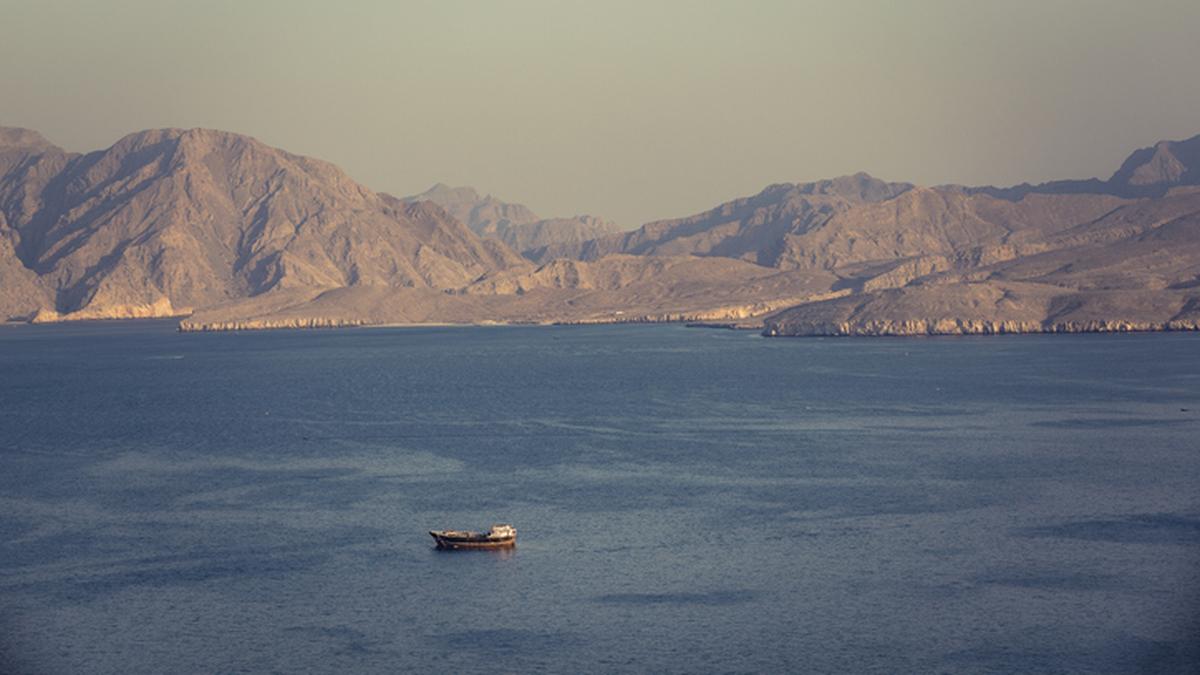
The significance of the Strait of Hormuz for global trade is beyond dispute. In the week preceding the US-Israel war on Iran, 38 per cent of global seaborne crude oil trade passed through the Strait, along with 29 per cent of liquefied petroleum gas (LPG), 19 per cent each of liquefied natural gas (LNG) and refined oil products trade, and 13 per cent of chemicals trade, including fertilisers. A smaller share of container shipping and dry bulk cargo trade also passed through Hormuz. The de facto closure of the Strait reduced shipping flows through it by more than 90 per cent. The Strait’s two major bypass routes, through Saudi Arabia and the United Arab Emirates (UAE), could carry only less than half of the daily seaborne oil volumes that would otherwise pass through Hormuz and some fertiliser, container and dry bulk trade.
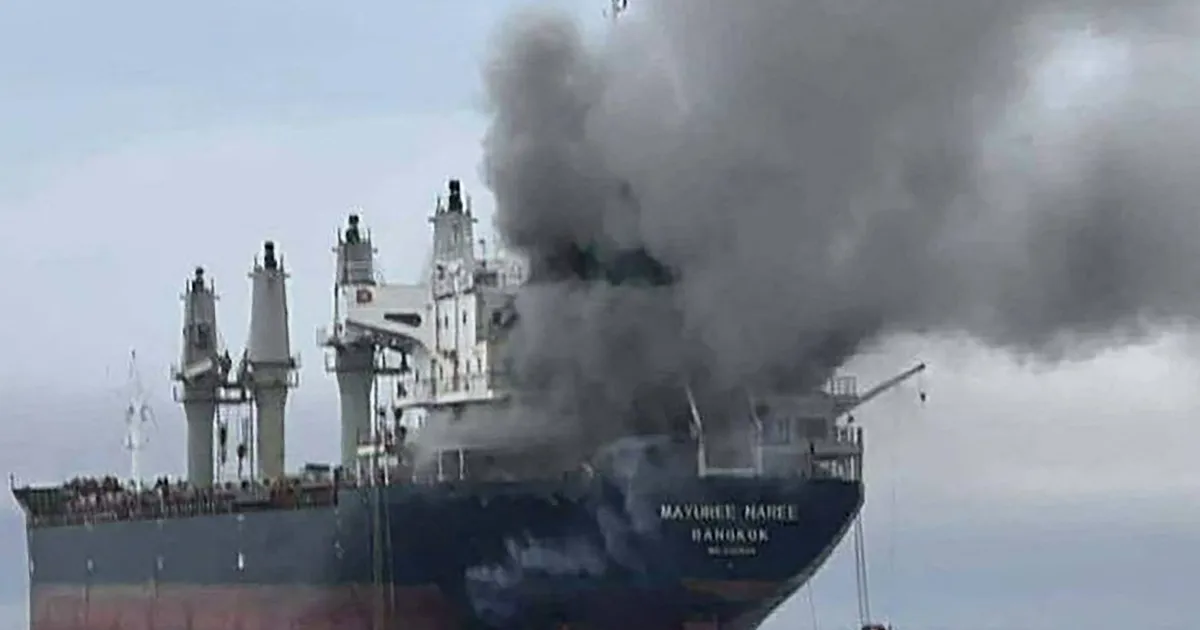
Shipping traffic through the Strait is now resuming. However, vessel attacks have not completely halted and a new contentious issue has emerged over possible service fees, suggesting that future passage through the Strait may become costlier relative to pre-war levels. At the same time, geopolitical analysts believe that the recent crisis should not be treated as a one-off episode, as the core structural rivalry between the United States, Iran, and Israel persists.