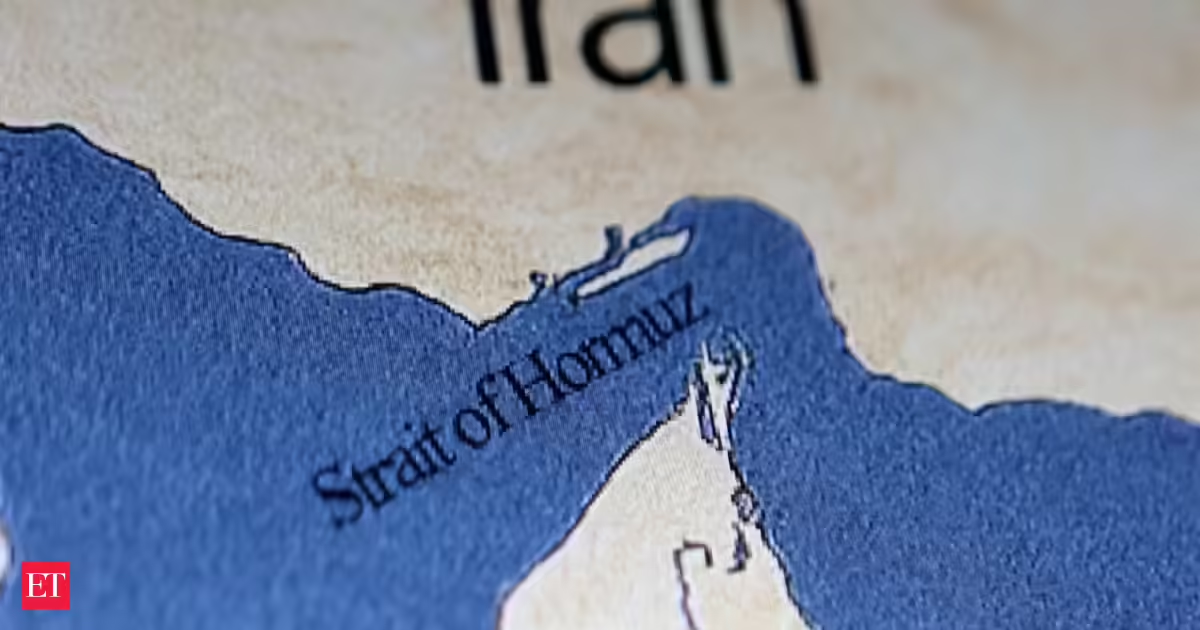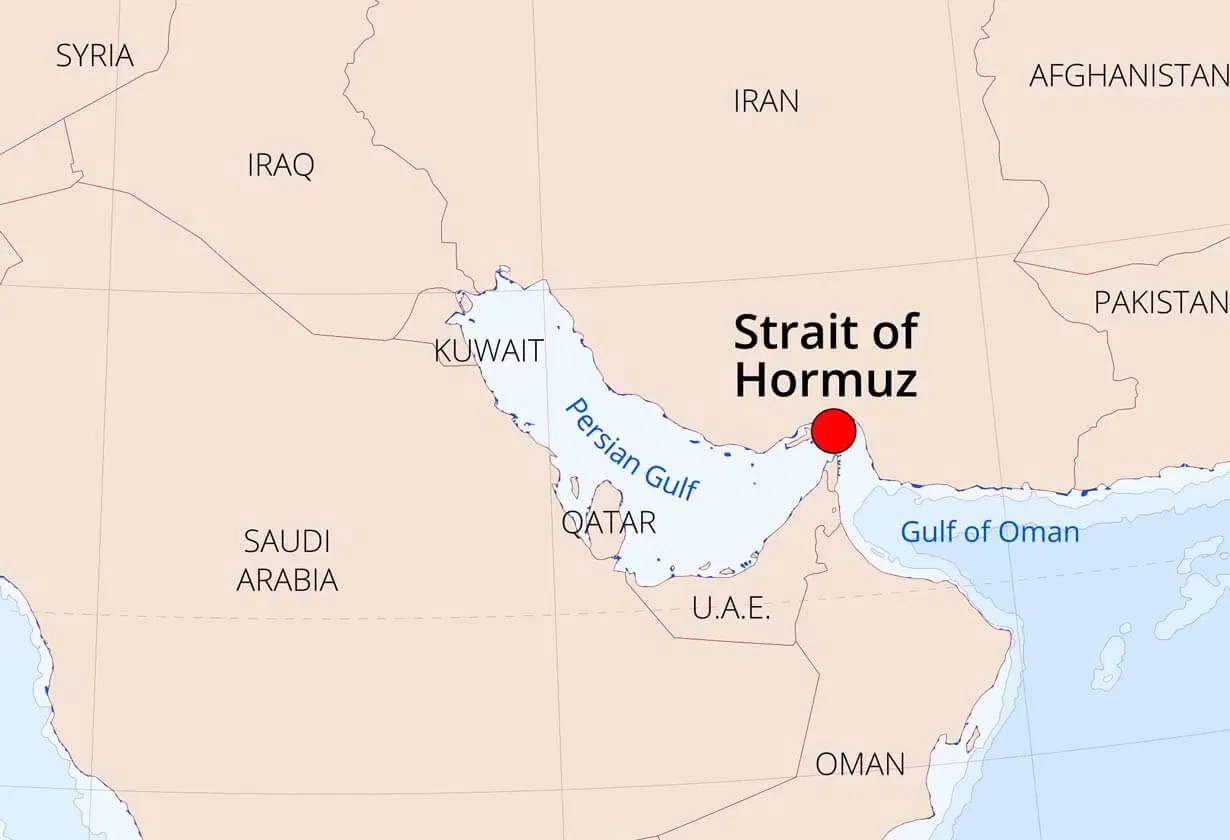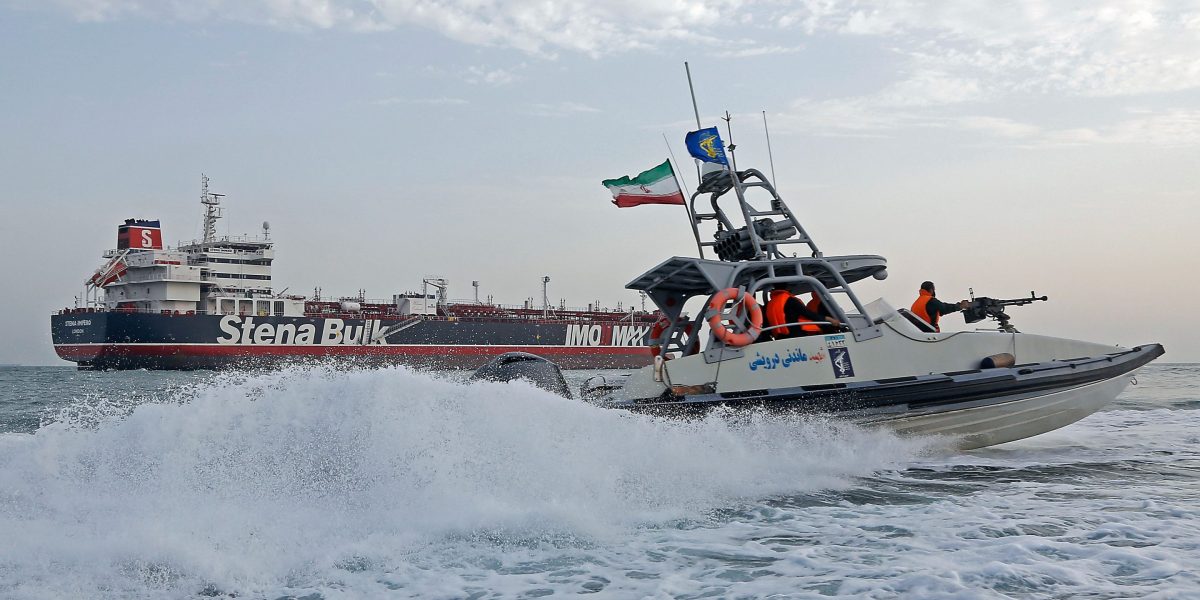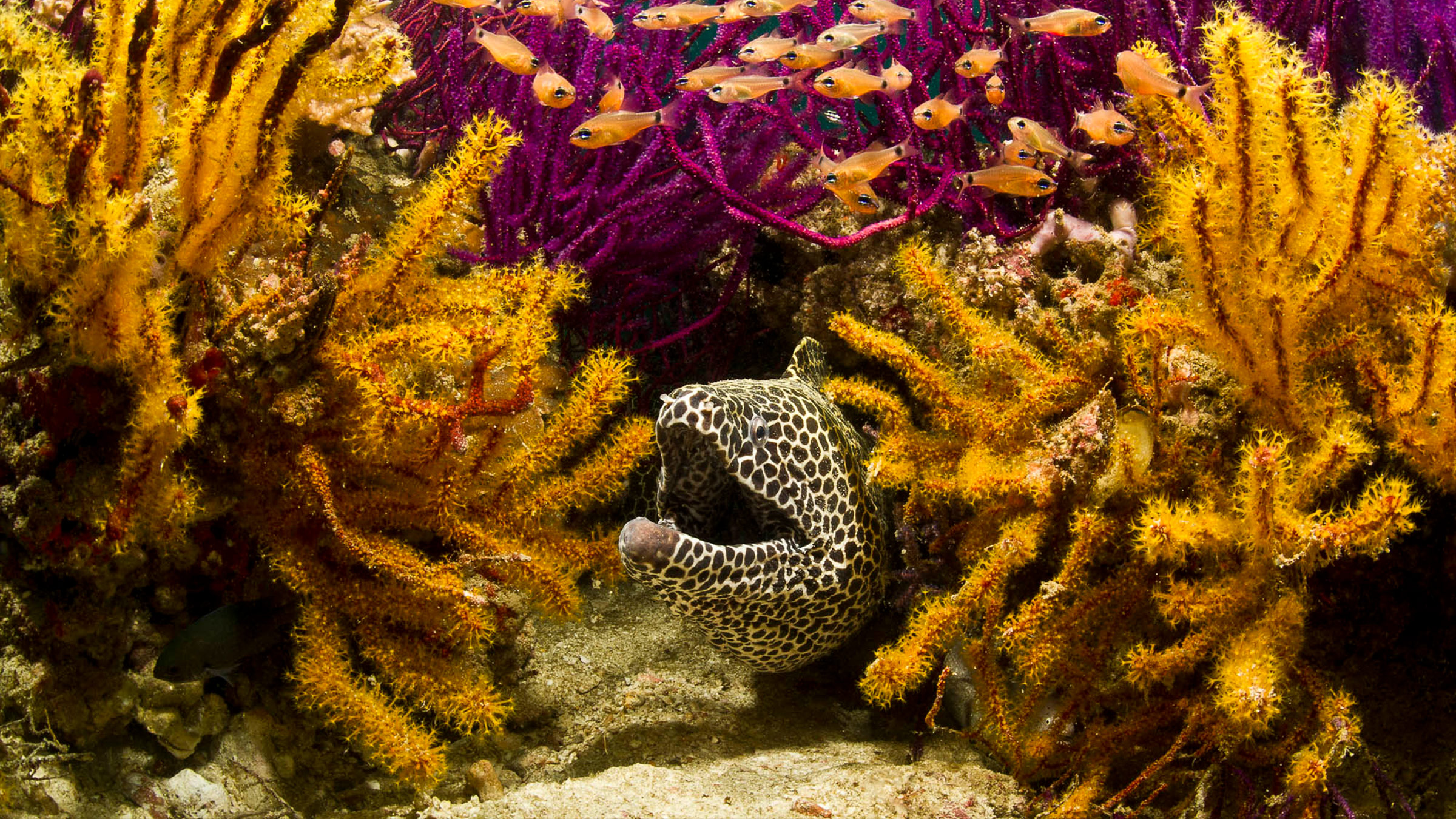
If seen only as an oil corridor, the main question becomes how to keep energy moving, but this overlooks a much more important reality, that the Strait of Hormuz is biologically rich yet fragile.Featuring mangroves, seabird colonies, coral reefs, turtle nesting beaches and islands, it is a narrow ecological corridor through which the Persian Gulf exchanges water between the Gulf of Oman and Indian Ocean, connecting nature across borders.“If it is also seen as an ecological corridor, another question enters the room: how much ecological capital is the region willing to risk while trying to protect its political and economic capital?” a new op-ed asks.This article is a commentary. The views expressed are those of the author, not necessarily of Mongabay.
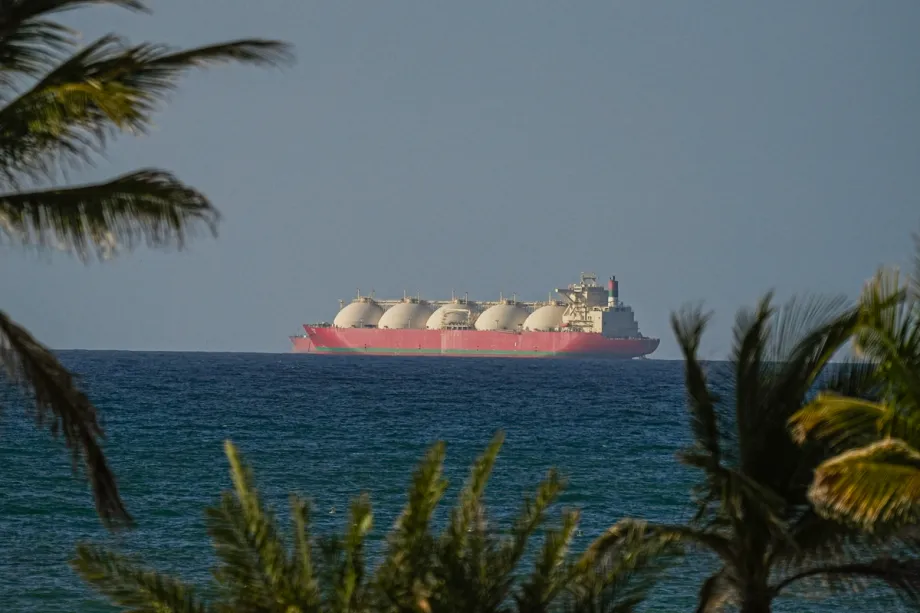
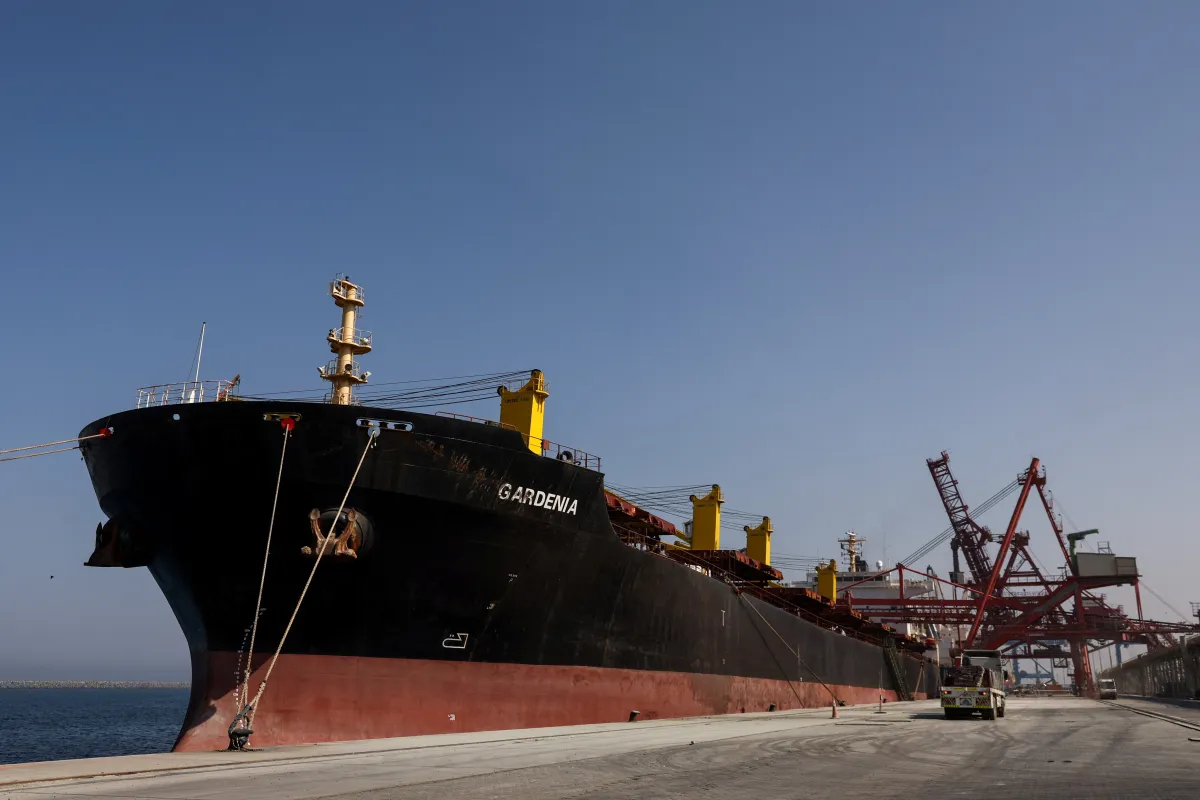
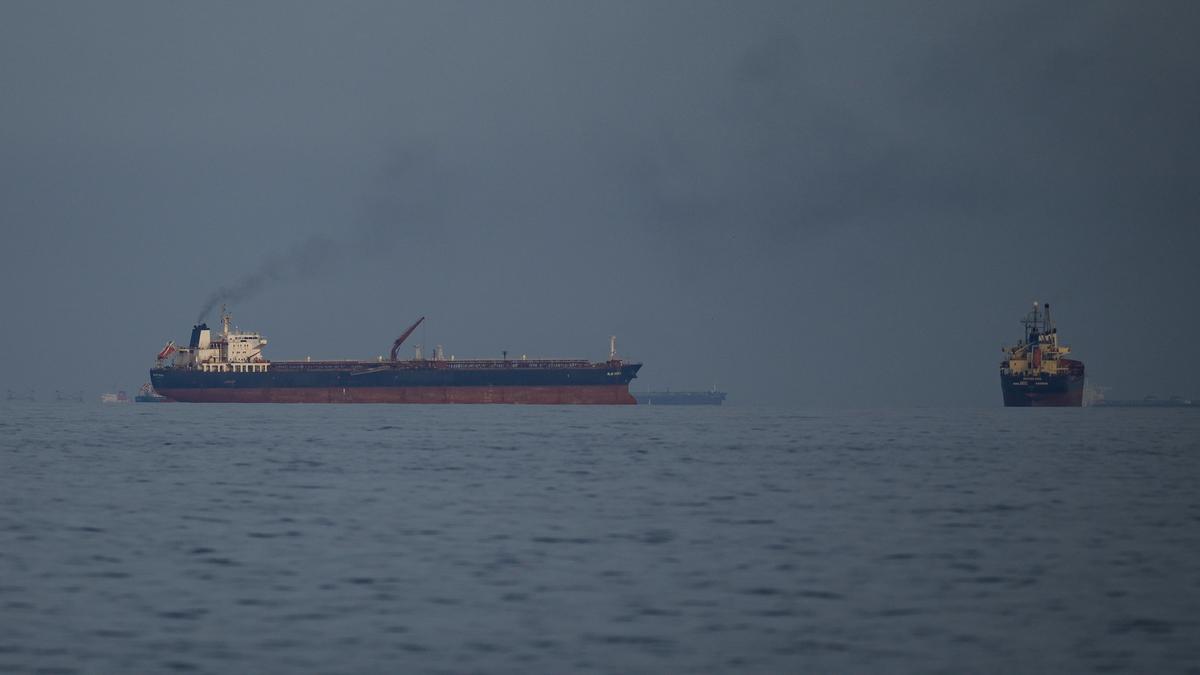
In recent weeks, the Strait of Hormuz has again been described in the language the world knows best: Oil, tankers, naval risk, energy security and war. That is understandable. Around one-fifth of global oil and liquefied natural gas shipments normally move through this narrow passage between Iran and Oman. When Hormuz is threatened, markets react and governments calculate.
But this is only one map of the strait. Conservation offers another.