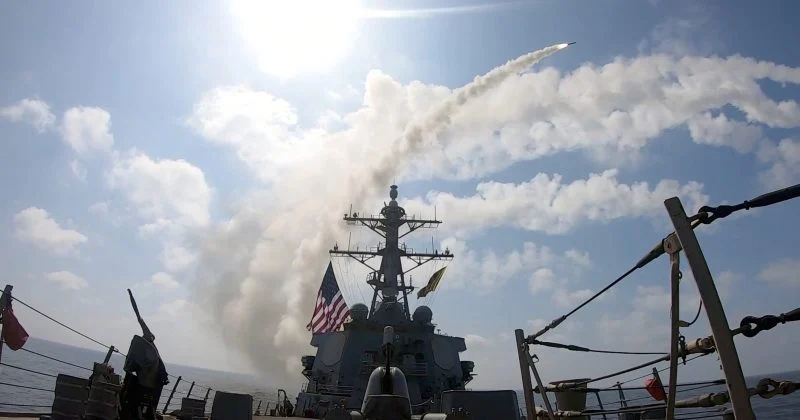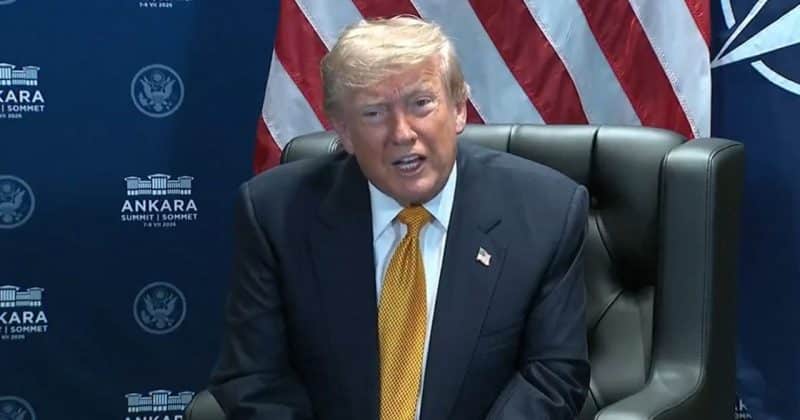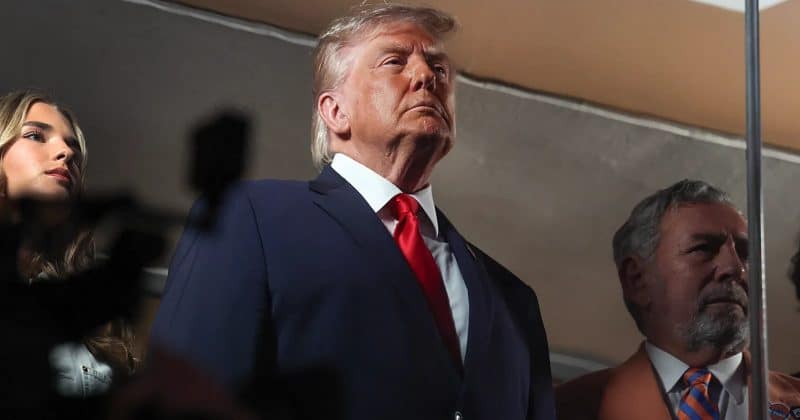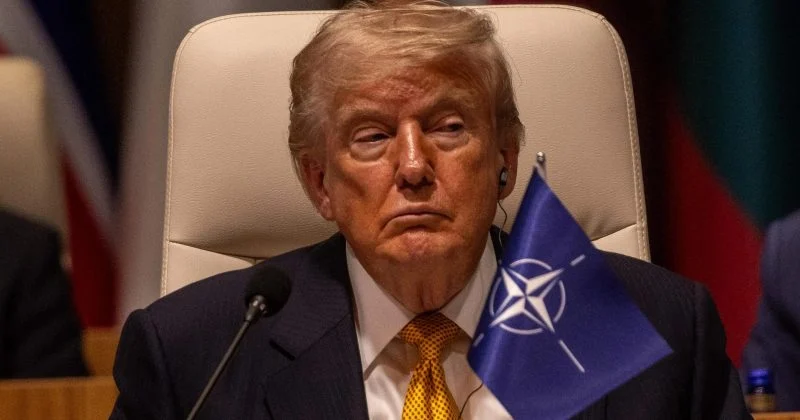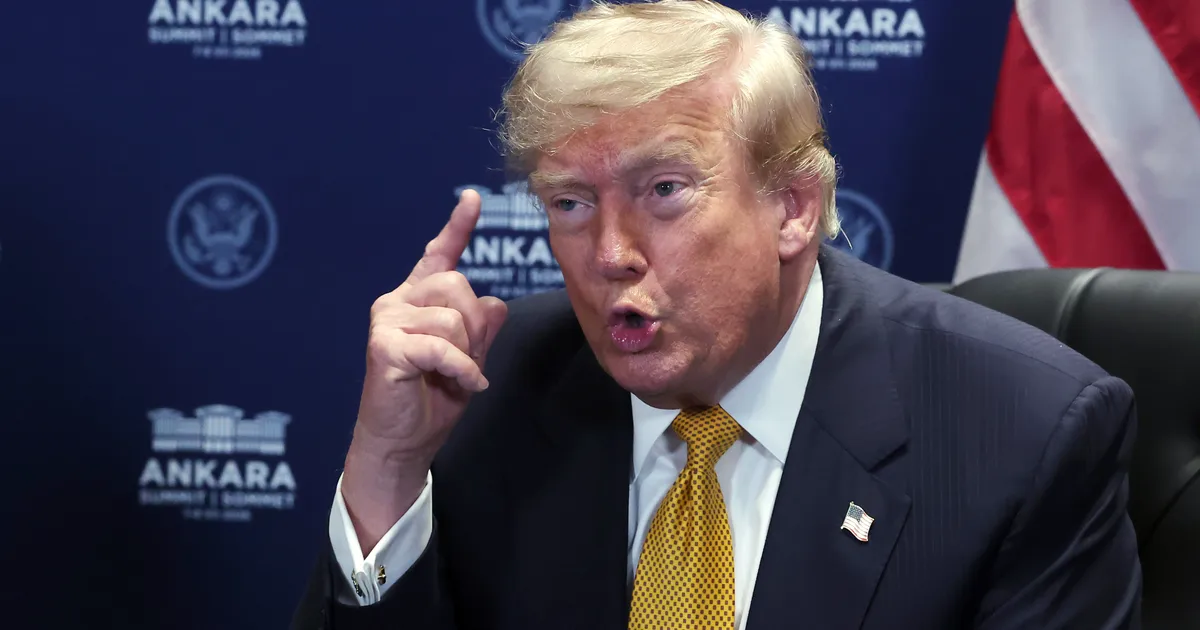
The guns went quiet on June 15, 2026. After weeks of coordinated US and Israeli strikes on Iranian targets under an operation the Pentagon called Epic Fury, President Trump announced a halt to US military engagement and declared the Strait of Hormuz open for business again. The formal agreement, a Memorandum of Understanding signed after roughly a week of intense back-channel negotiations, brought an end to what had become the most consequential military escalation in the Middle East in years.
How a military conflict became a monetary policy problem
When the Strait of Hormuz closed, the global economy felt it almost immediately. Brent crude climbed to $97 per barrel by early June, a 34% surge from pre-conflict levels. That one chokepoint managed to add over $51.8 billion in extra energy costs to the US economy alone by June 1, before the MoU was even signed.
The Federal Reserve and the European Central Bank both responded the same way: by doing nothing, which in this context was itself a decision. Rate cuts that markets had been pricing in got quietly shelved as policymakers weighed the inflationary pressure from elevated energy costs against already fragile growth outlooks. The total cost of the conflict to the US is estimated between $29 billion and $50 billion in direct military expenditure, separate from the energy cost shock.