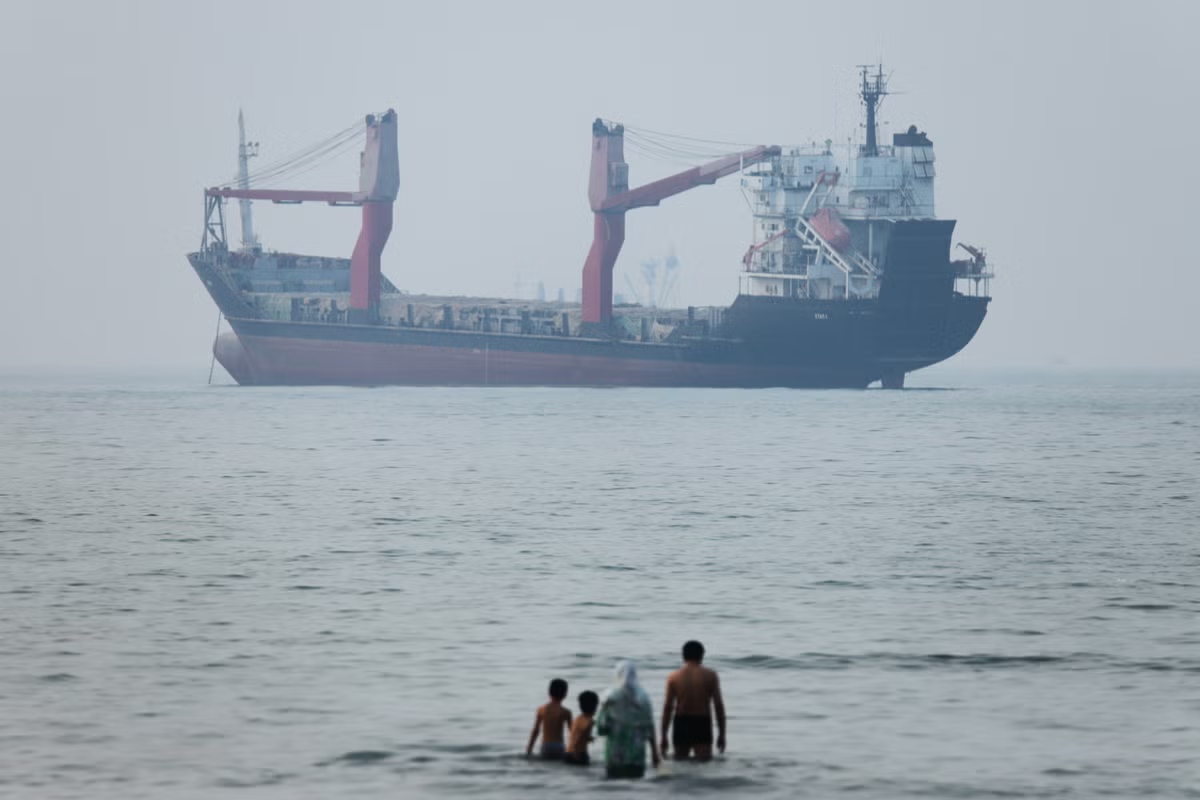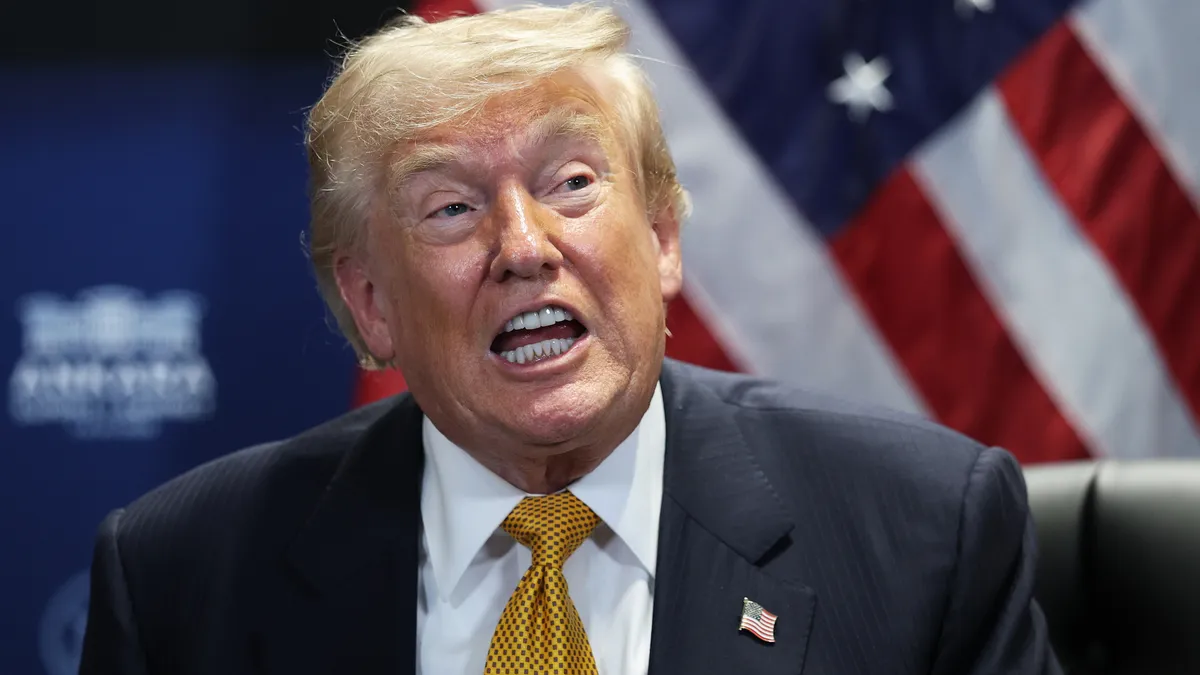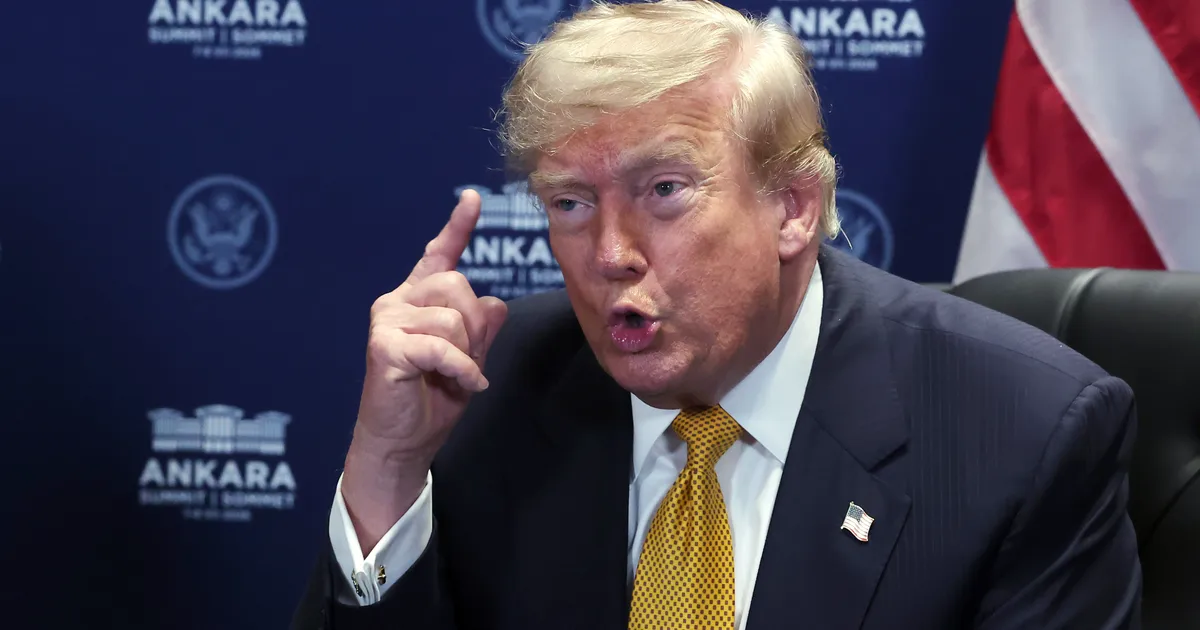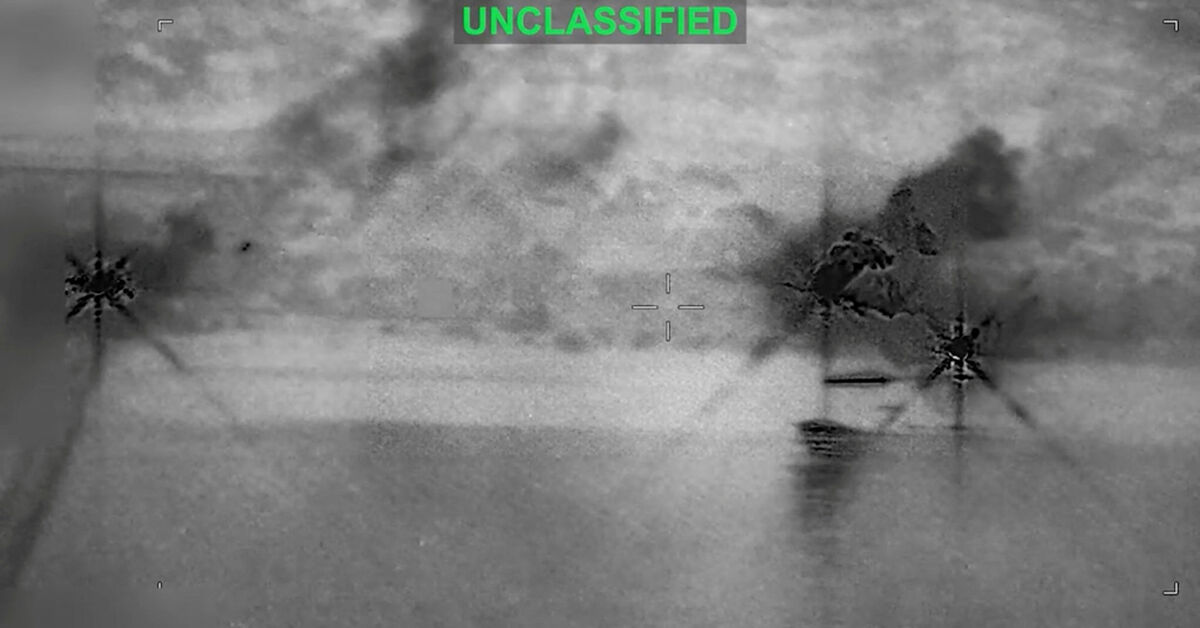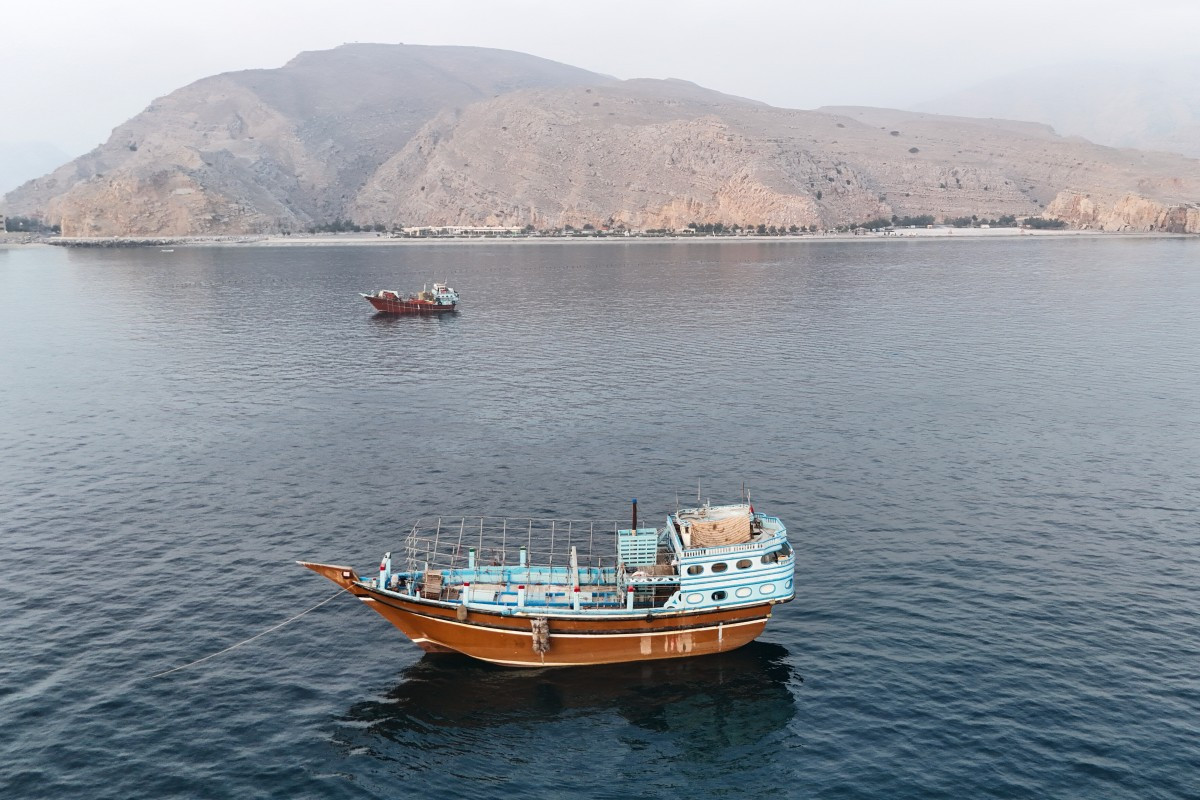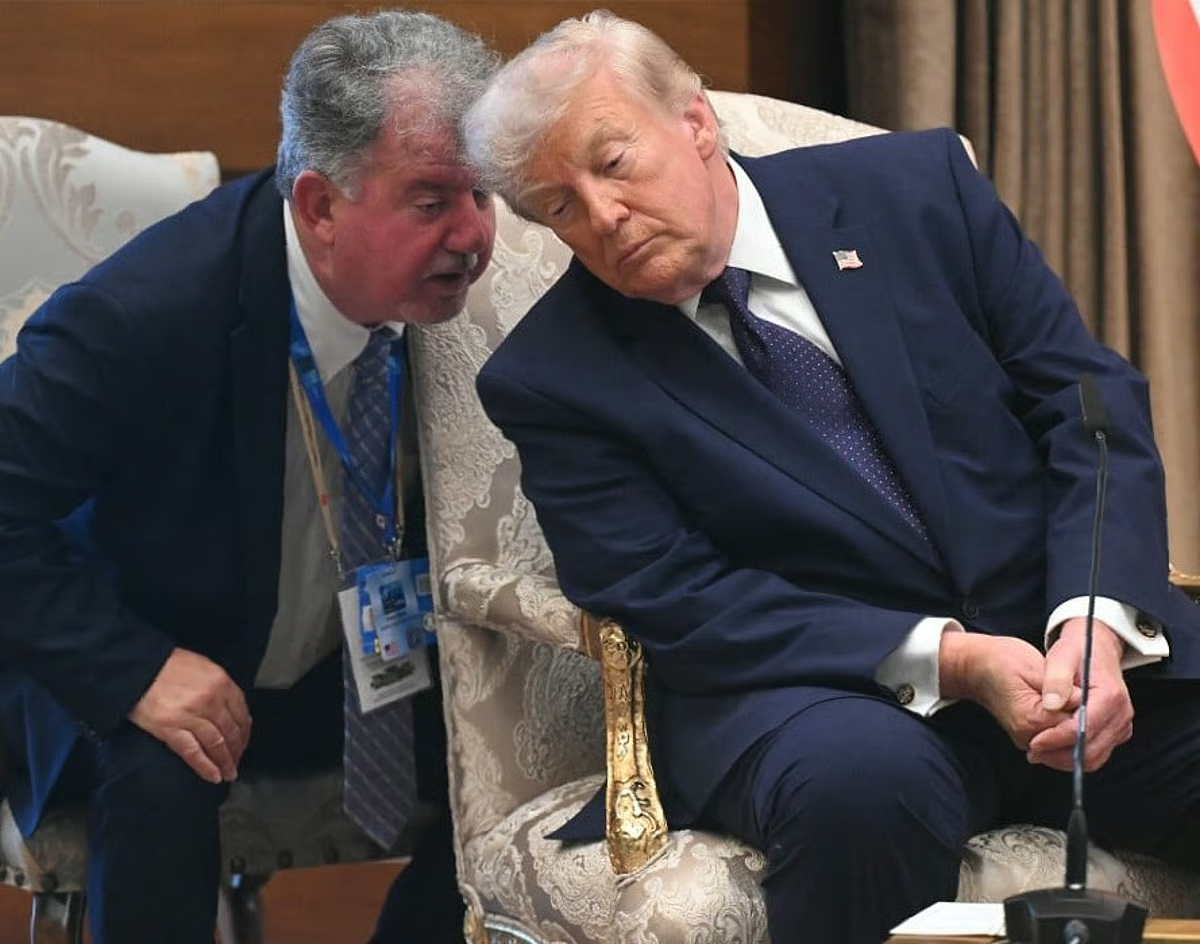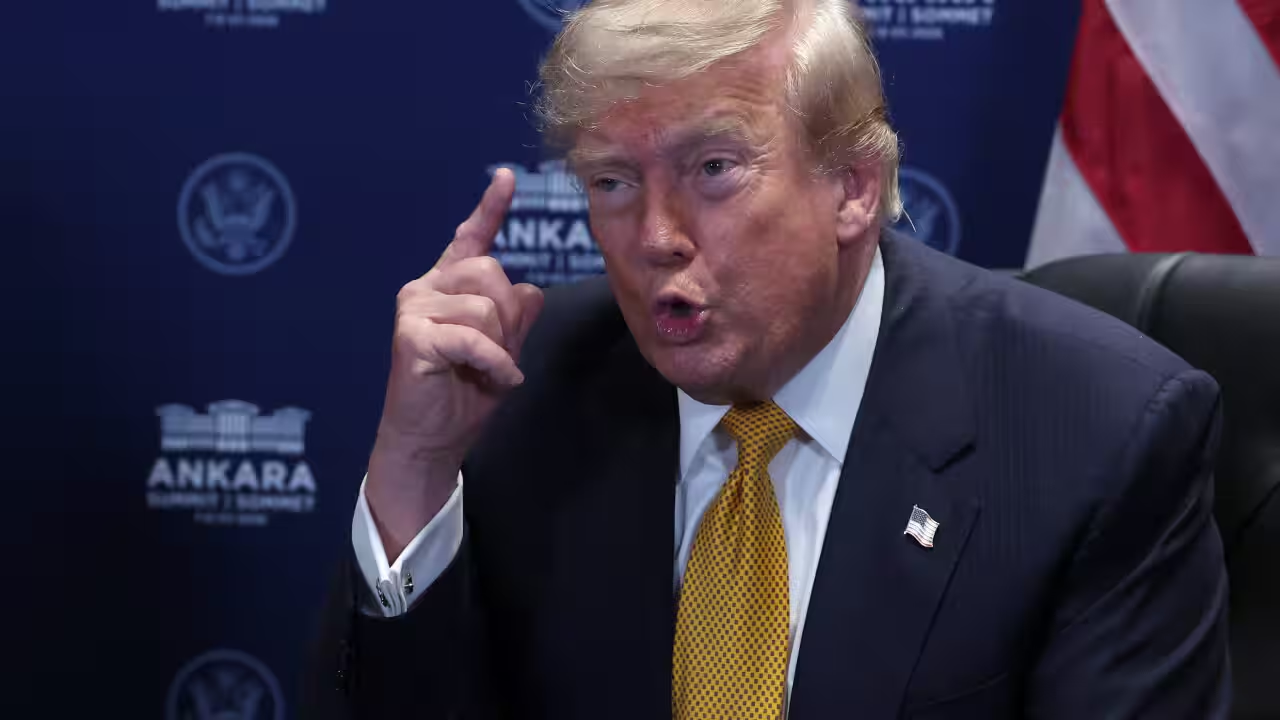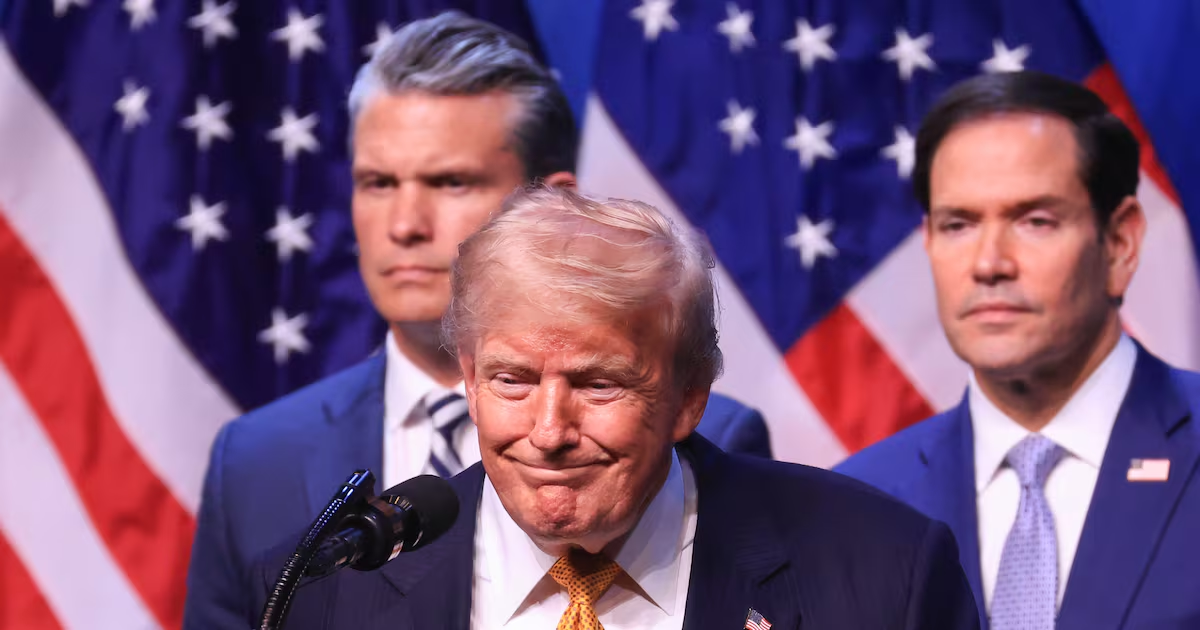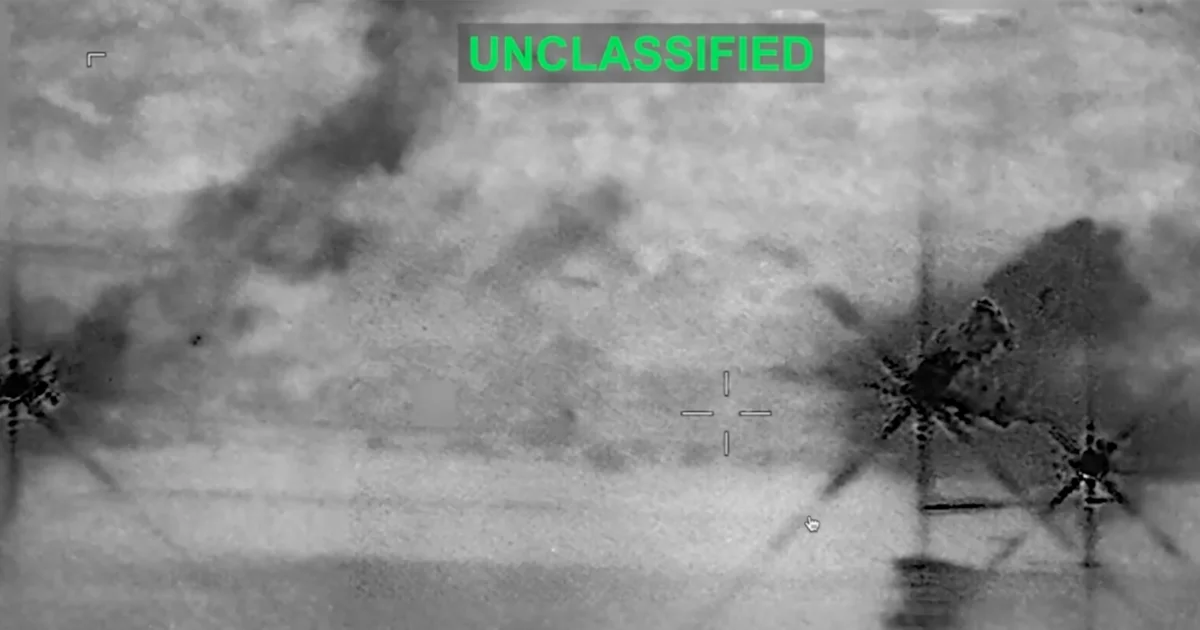
Global markets and oil prices have lurched again after the United States and Iran traded new strikes and U.S. President Donald Trump mused that fragile negotiations between the countries might be "over."At stake are the lives of Iranians and others throughout the region, including Israel and Lebanon, along with foreign residents of Gulf nations, U.S. military personnel stationed in multiple countries and thousands of mariners on ships still hoping to exit the Strait of Hormuz.Here's a brief timeline of the war and efforts to end it:Feb. 28Israel and the U.S. attack Iran, killing Supreme Leader Ayatollah Ali Khamenei and other top officials, sparking the war. Iran quickly responds with strikes against Israel and across the Gulf region and asserts control over the Strait of Hormuz, a key waterway for global oil and natural gas supplies from the Gulf.March 2The Iranian-backed Hezbollah militant group in Lebanon enters the war by firing rockets at Israel.Israel retaliates, leading to an invasion that will occupy large swaths of southern Lebanon.March 8Iran names one of Khamenei's sons, Mojtaba, as the new supreme leader. He still has not been seen in public and is believed to be in hiding after reportedly being hurt in the war's opening strikes.April 7A tenuous, two-week ceasefire deal is reached. Israel is not included in the discussions.April 12The U.S. and Iran end hours of historic face-to-face talks in Pakistan's capital without reaching an agreement.April 13Trump says the U.S. has begun a blockade of Iranian ports in an attempt to pressure Tehran to give up its grip on the strait.April 14Lebanon and Israel hold their first direct diplomatic talks in decades in Washington.April 17Iran says it has reopened the strait to shipping, but that doesn't last.April 21Trump says he is indefinitely extending the ceasefire.May 3Trump announces a U.S. effort to guide ships through the strait. That, too, doesn't last.May 31Israel's ground invasion of Lebanon makes its deepest incursion in over a quarter-century as Hezbollah continues to target northern Israel.June 3Israel and Lebanon say they agree to renew their fragile ceasefire and create security zones that exclude Hezbollah.Hezbollah and Israel quickly resume firing at each other.June 7Iran fires at Israel in the first such bombardment since the ceasefire took effect in early April. Israel fires back.June 14Trump says an interim deal has been reached with Iran and will be signed within days. Iran insists the deal means an end to fighting in Lebanon as well.June 17Trump signs an agreement with Iran that calls for Tehran to dilute its stockpile of highly enriched uranium and waives U.S.-backed sanctions on the country, immediately allowing Iran to sell its oil freely.June 22Vice President JD Vance says new talks with senior Iranian officials in Switzerland created a "good foundation for a successful final deal."June 26Israel and Lebanon announce a U.S.-backed framework agreement that is described as a first step toward peace.July 1Host Qatar says U.S. and Iranian negotiators meet separately with Qatari and Pakistani mediators, with "positive progress made."July 2Iran's joint military command warns that all oil tankers moving through the strait must use its approved routes or face a "forceful response."July 4Iran begins a dayslong funeral for the late supreme leader, Khamenei. Talks with the U.S. toward a final deal on the war and Iran's nuclear program are expected to resume after it ends.July 7Iran is accused of striking three ships in the strait after traffic slowly increases, the most in a single day since late April. The U.S. responds by striking dozens of targets in Iran and reinstating sanctions on Iran's oil sales. Tehran's lead negotiator declares that "The era of bullying and extortion is over."July 8Trump declares the ceasefire is "over" but says negotiations can continue, raising fears that the war could ignite again.
Is an Iran deal 'over' and war back on? A timeline of the conflict and talks
Global markets and oil prices lurched after the United States and Iran traded new strikes. The conflict threatened lives throughout the region and foreign residents of Gulf nations. A fragile ceasefire was reached and later extended, but fighting resumed. An interim deal was signed, but tensions remained high. The war and negotiations continued with uncertain outcomes.
620 words~3 min read