Tit-for-tat strikes and increasingly belligerent posture from both sides has roiled markets and threatens to unravel a preliminary agreement to end the war.Show Caption
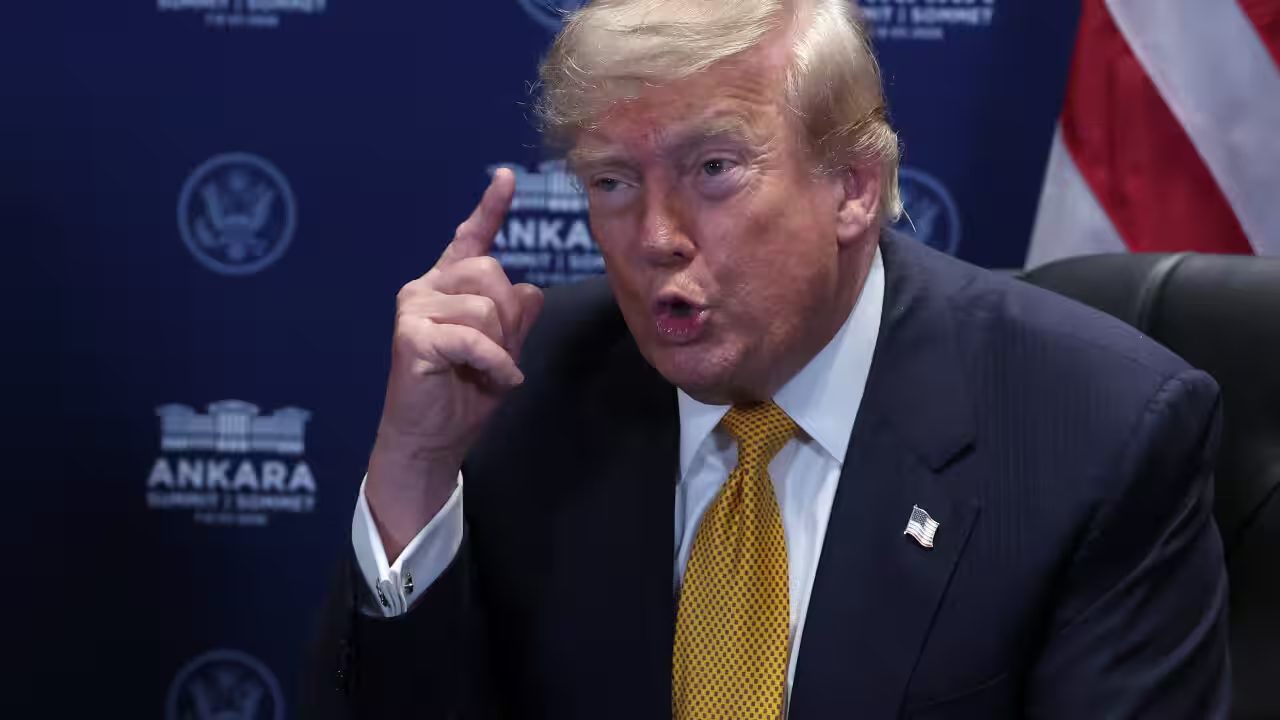
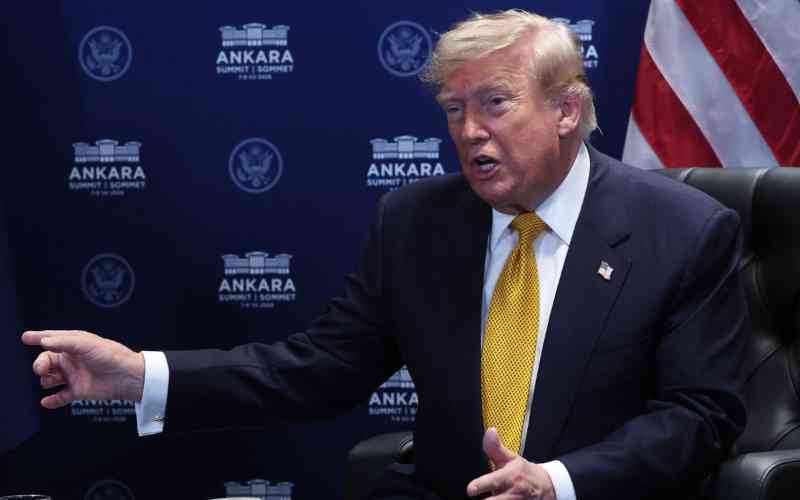
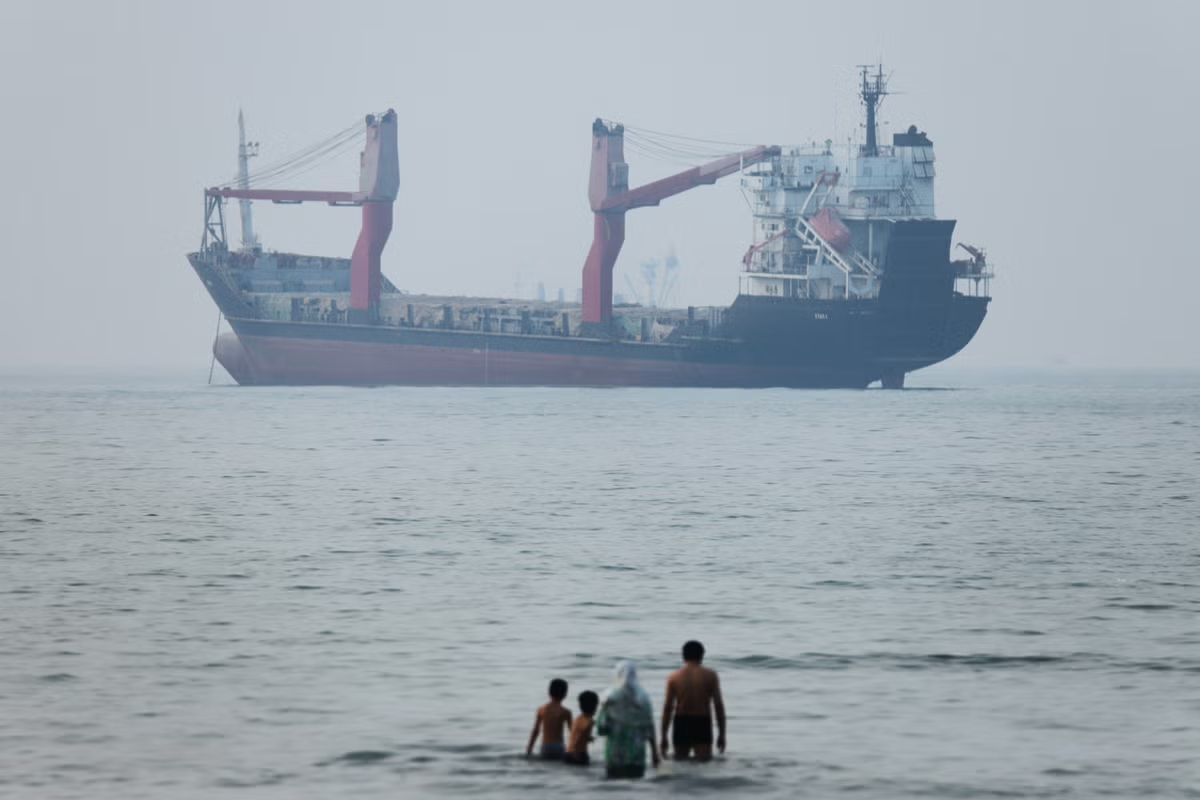
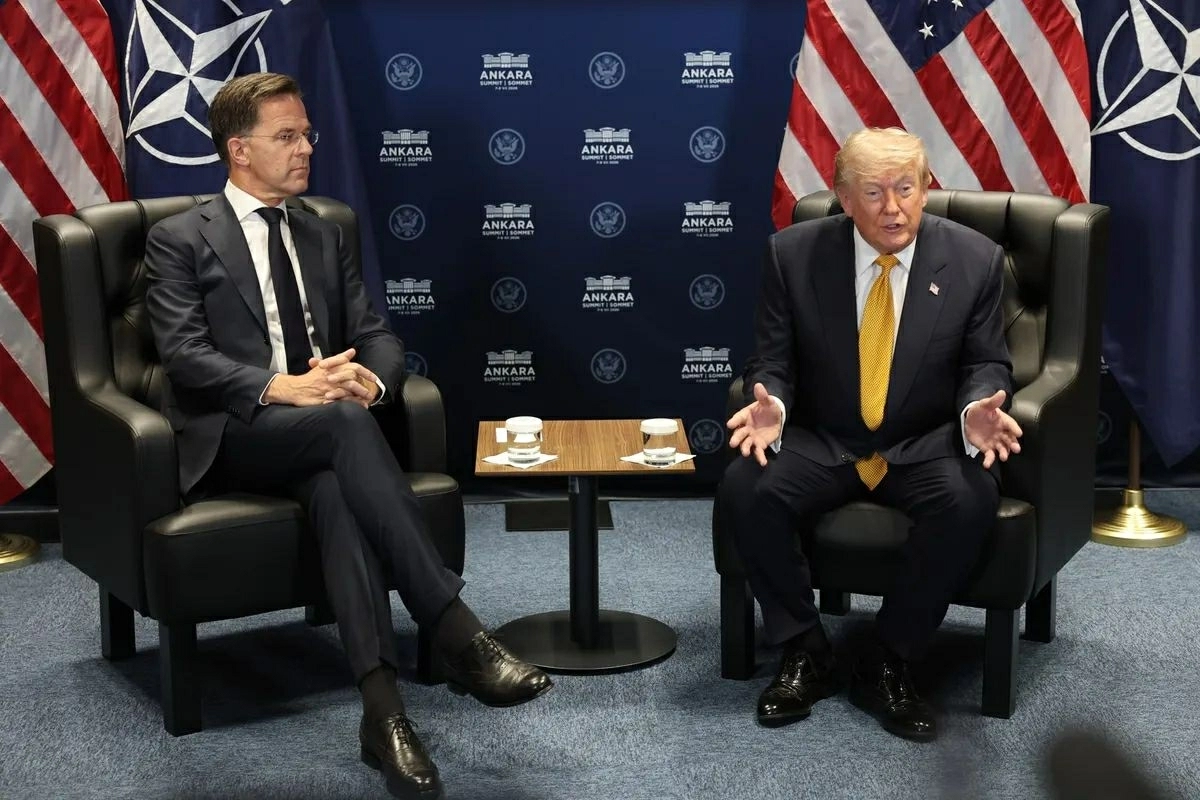
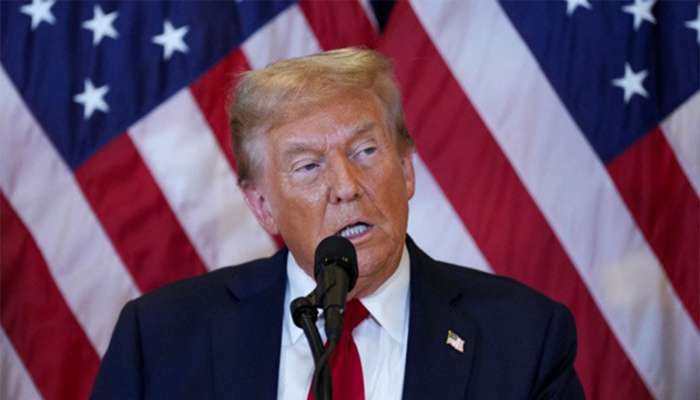
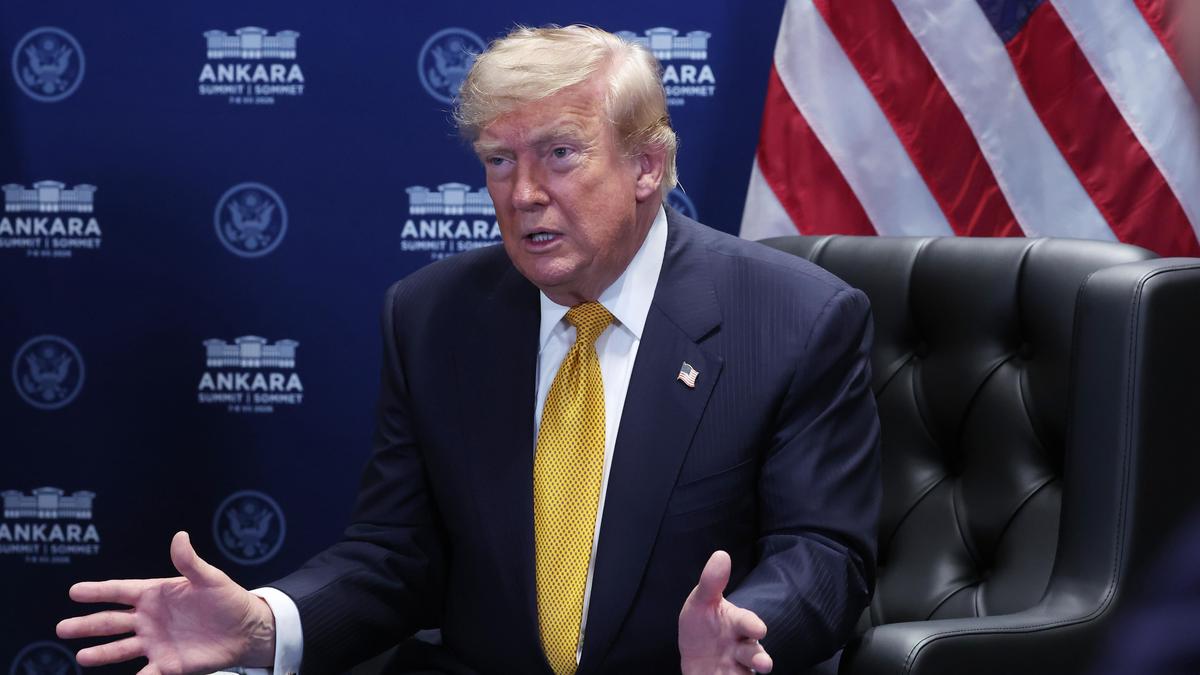
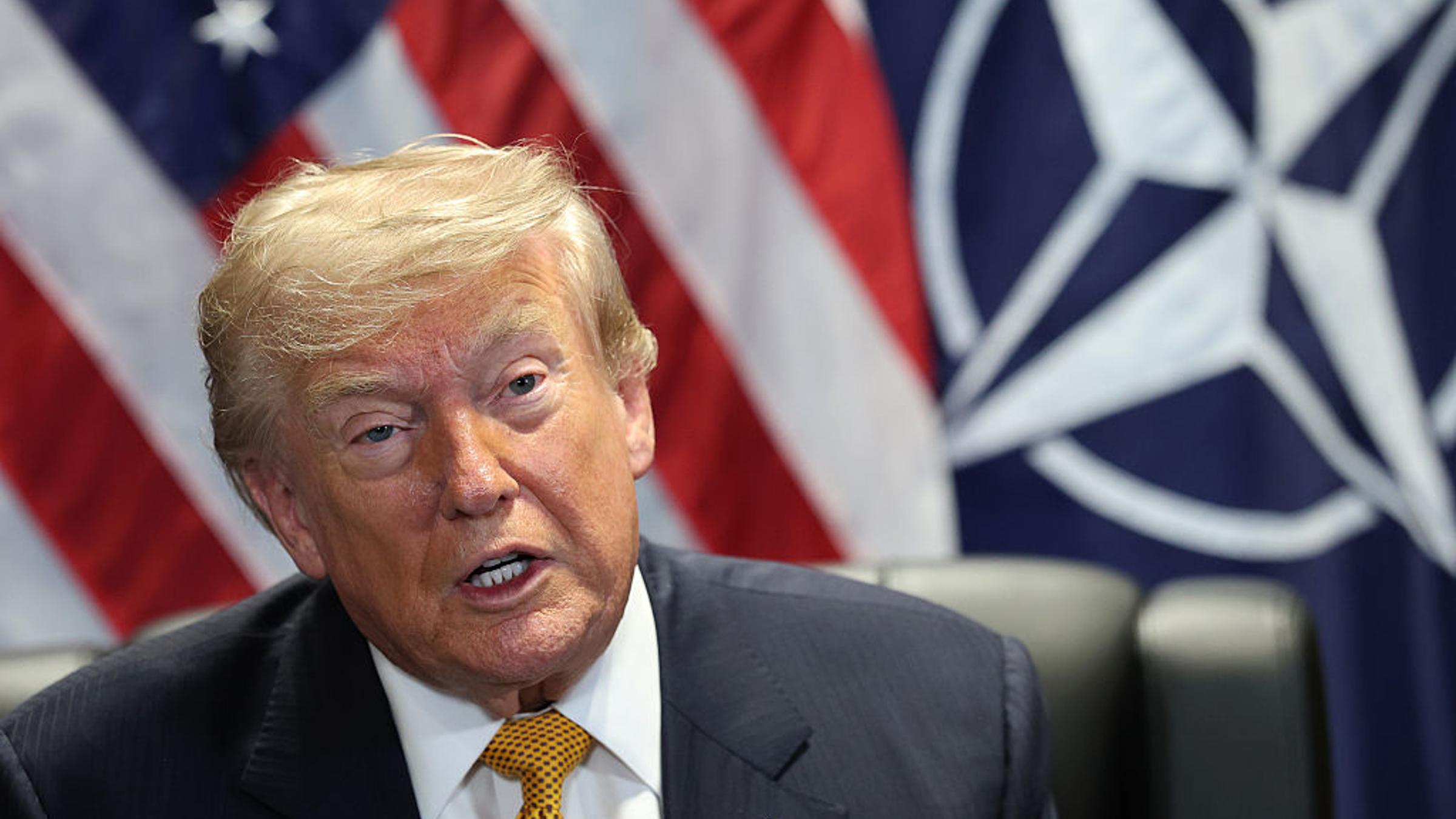
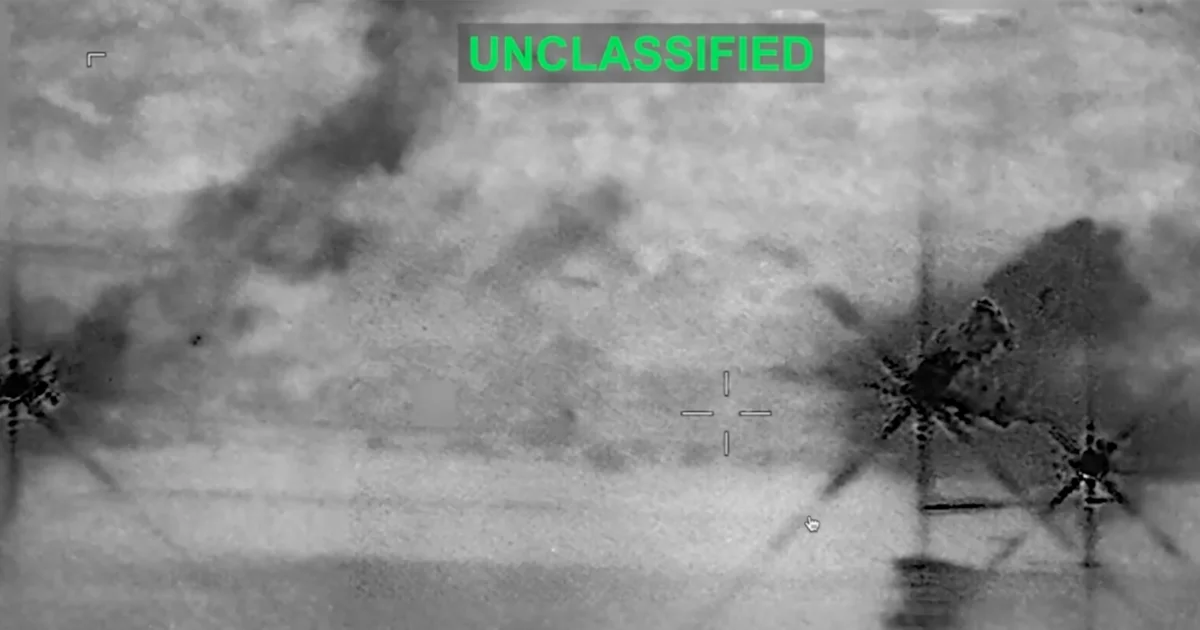
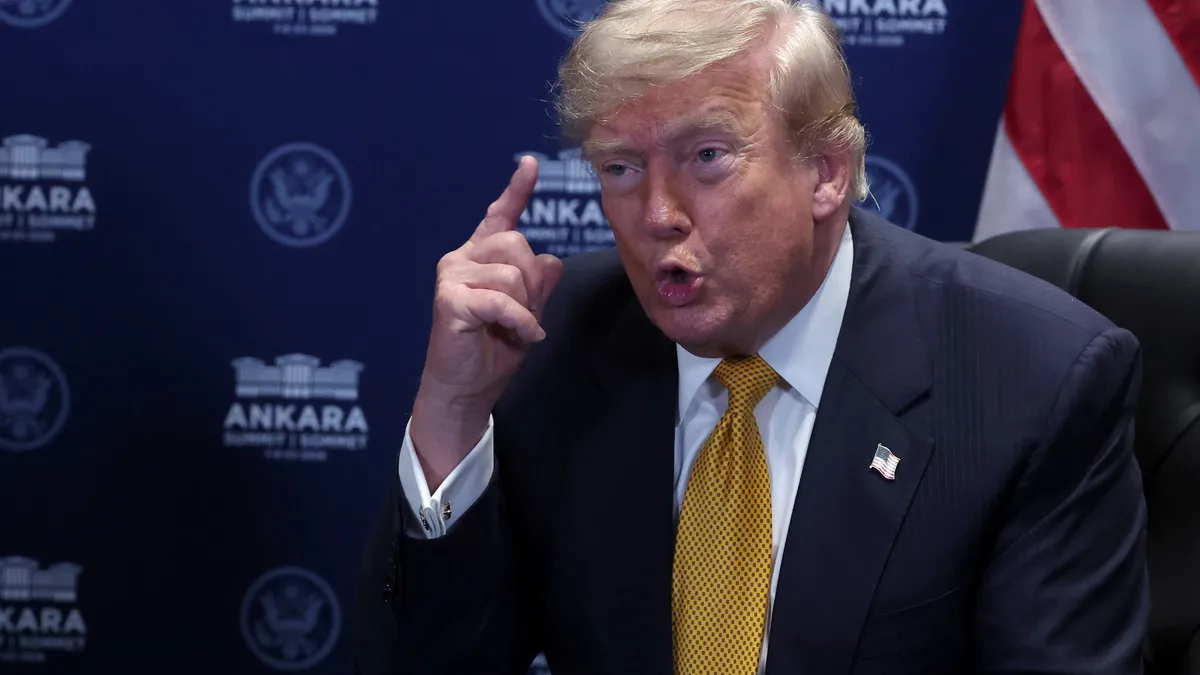
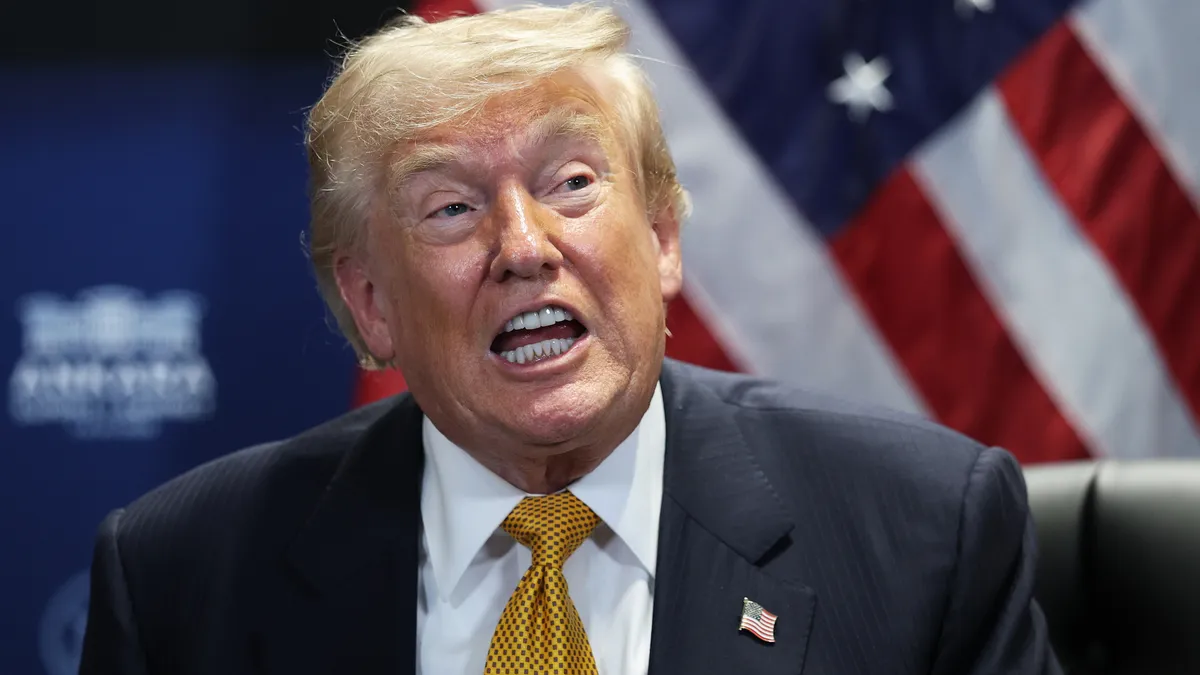
A preliminary peace deal between the U.S. and Iran is in jeopardy after hostilities flared up again around the Strait of Hormuz and President Donald Trump said he considered the ceasefire “over.”"As far as I'm concerned, it's just a waste of time dealing with them," Trump said during a NATO summit in Turkey. "They're liars."The U.S. launched a new round of strikes against Iran on July 7 and revoked a license for the country to sell oil in retaliation for attacks on ships in the strait. Iran responded by targeting U.S. military sites in Bahrain and Kuwait.The tit-for-tat strikes and increasingly belligerent posture from both sides roiled markets and is threatening to unravel the memorandum of understanding signed last month to end the war."To me, I think it's over. I don't want to deal with them," Trump said of the ceasefire, calling Iran’s leaders “scum,” “sick people” and “cuckoo.” More U.S. strikes could be coming, he added.Mohammad Bagher Ghalibaf, the speaker of Iran’s parliament and a lead peace negotiator, accused the U.S. of multiple violations of the peace deal.“The era of bullying and extortion is over,” Ghalibaf wrote on social media. “It leads nowhere. We don’t fold.”Shaky peace dealThe ongoing conflict around the strait and escalating U.S. response underscored the tenuous status of peace negotiations.U.S. and Iranian officials signed a preliminary peace agreement last month to end a war that began on Feb. 28. The memorandum of understanding called for reopening the Strait of Hormuz and launched further negotiations on Iran's nuclear program and U.S. sanctions.The United States also issued a waiver for Iran to sell oil on the global market as part of the MOU, a major concession that briefly offered the country an economic lifeline before it was revoked July 7.The peace deal began to falter soon after it was finalized. There have been multiple rounds of U.S. military strikes on Iran since the MOU was signed, all in response to attacks on ships in the strait.U.S. strikes on June 26 and June 27 targeted Iranian military infrastructure, including air defense and drone storage sites. Another round of strikes on July 7 hit 80 targets, including small boats, radar sites and anti-ship missiles, according to U.S. Central Command.More strikes coming?Trump said during the NATO summit that more strikes could be coming, and the U.S. military response could escalate.The U.S. will “probably hit them hard again tonight,” he said of Iran on July 8.“They really deserve it,” he added later. “Because they’re saying they want to make a deal, but they don’t.”The president noted that he hasn’t attacked Iran’s critical infrastructure such as bridges, electric generating facilities and saltwater desalinization plants, but said that could be coming.“If we have to, we’ll take them out,” he said. “I don’t want to do that, but if we have to we’ll take them out.”Trump has repeatedly threatened to target civilian infrastructure, drawing criticism from international law experts, political leaders and human rights groups.The U.S. also could resume a naval blockade of Iran’s ports, Trump said July 8. The blockade was lifted after the MOU was signed.Will negotiations continue?Despite the increasing tension, Trump suggested peace talks could proceed but was pessimistic about their outcome, a change from his upbeat assessment of recent negotiations.Trump said his lead negotiators, envoys Jared Kushner and Steve Witkoff, “can continue” and “we’ll see what happens.”“I guess they can talk,” Trump added later, but said he’s “not seeing” a deal.“My whole life is deals, I don’t see it,” Trump said.Trump previously praised Iran’s new leadership as “more rational, very smart” and expressed optimism about the peace deal.Peace talks went forward last week despite the previous rounds of tit-for-tat strikes. The two sides conducted indirect negotiations through mediators in Doha, Qatar. Trump told reporters that negotiators "had very good meetings."Markets reactThe threat of the peace deal unraveling unsettled markets.Major stock indexes dipped at the start of trading July 8, and the price for a barrel of Brent crude oil increased 6% to $74.50.Roughly 20% of the world’s oil traveled through the Strait of Hormuz before the war. Its closure sent oil and gasoline prices soaring at the start of the conflict.Trump has cited economic concerns in explaining his desire to cement a peace deal, telling reporters at the G7 summit in France last month that "I didn't want to see economic catastrophe." Oil prices declined after the deal was announced.Reopening the strait has been a top priority for Trump. He complained July 8 that attacks on ships in the waterway have continued.“A lot of people say that they’re very dishonorable people and they can’t keep a deal,” the president said.Contributing: Francesca Chambers, Erin Mansfield, Rachel Barber, Daniel Devise