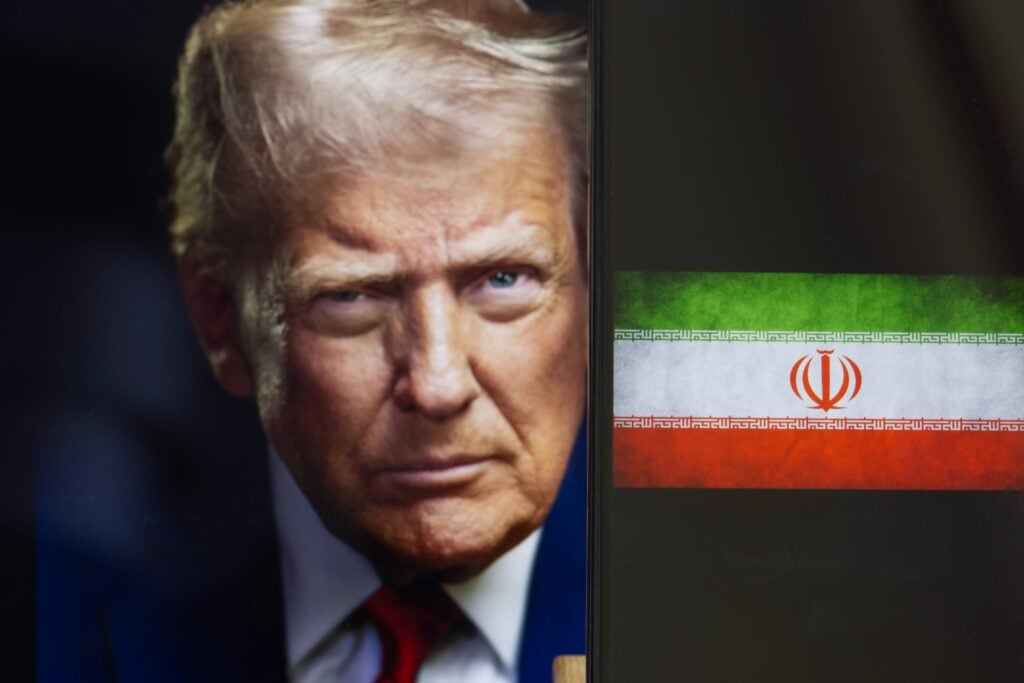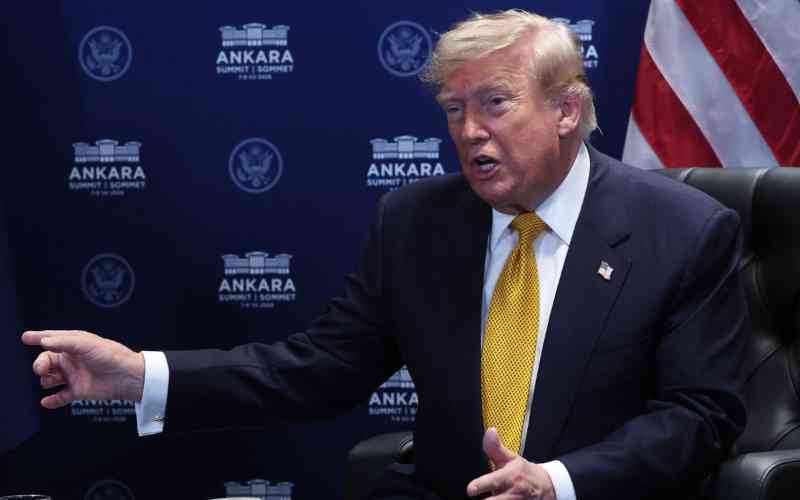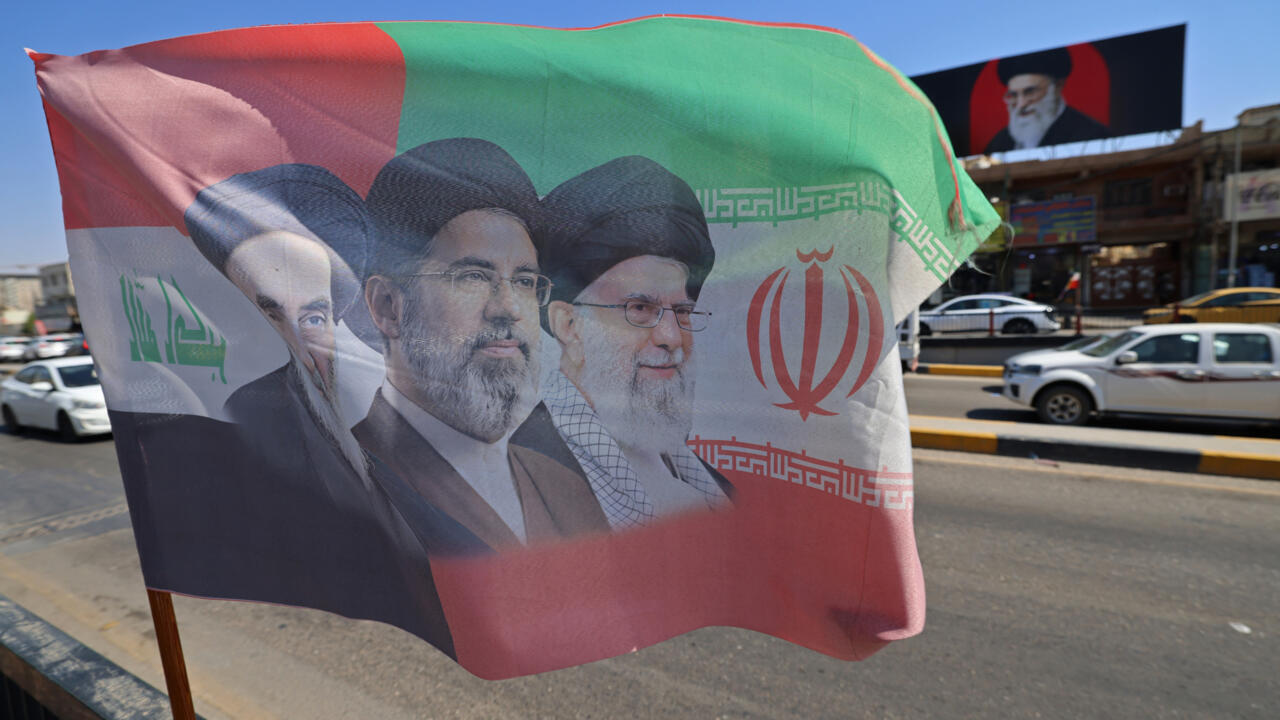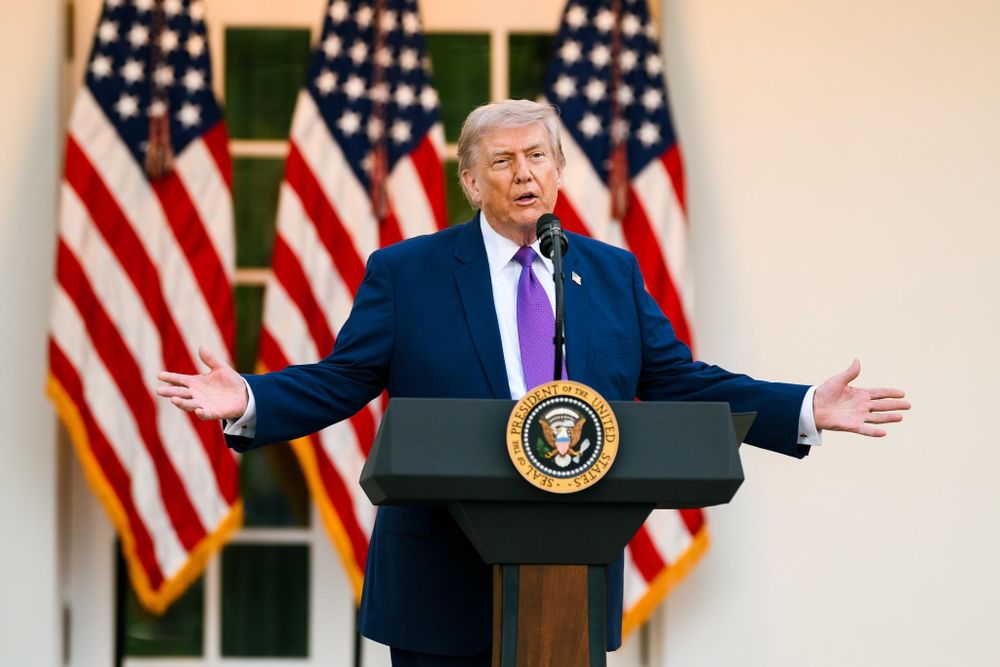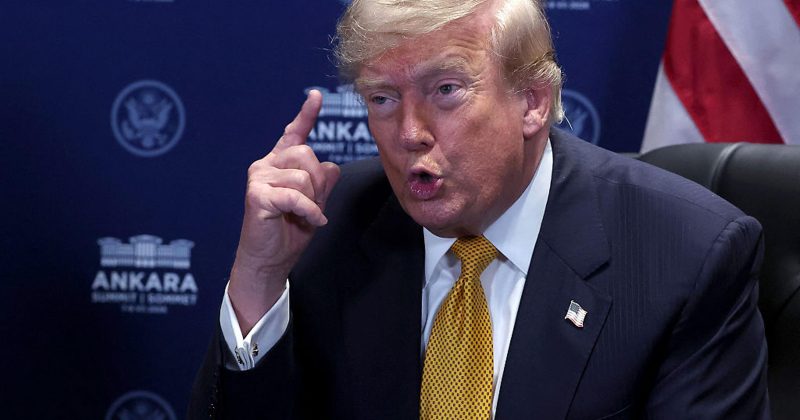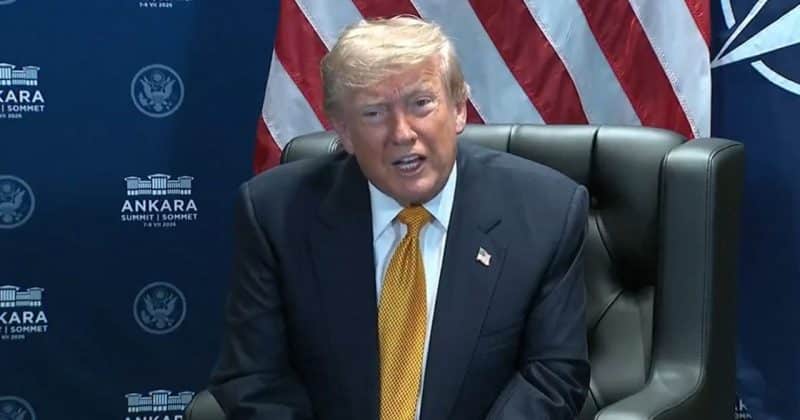
President Trump told reporters at the NATO summit in Turkey on July 8 that the US-Iran ceasefire is “over,” warning that American forces would “probably hit them hard again tonight.” Tehran’s response was predictably measured: it threatened crushing missile and drone strikes against US military installations in Bahrain and Kuwait.
The immediate fallout hit markets exactly how you’d expect. Bitcoin and Ether both fell more than 2% on the day, while oil futures climbed on fears that the Strait of Hormuz, one of the most important chokepoints for global energy supply, could see further disruption.
From Operation Epic Fury to a ceasefire that wasn’t
The 2026 Iran war kicked off on February 28 with Operation Epic Fury, a series of US-led strikes targeting Iranian military infrastructure. Israel participated in those initial actions, and the campaign quickly expanded to include multiple rounds of escalation, temporary pauses, and diplomatic negotiations that went approximately nowhere.
A ceasefire was eventually reached, with a March extension announced even as violence continued to simmer beneath the surface. The latest escalation appears to have been triggered by Iranian attacks on commercial shipping in the Strait of Hormuz. Roughly 20% of the world’s oil passes through that narrow waterway. Trump’s retaliatory strikes followed, and his declaration at NATO effectively tore up whatever remained of the ceasefire framework.