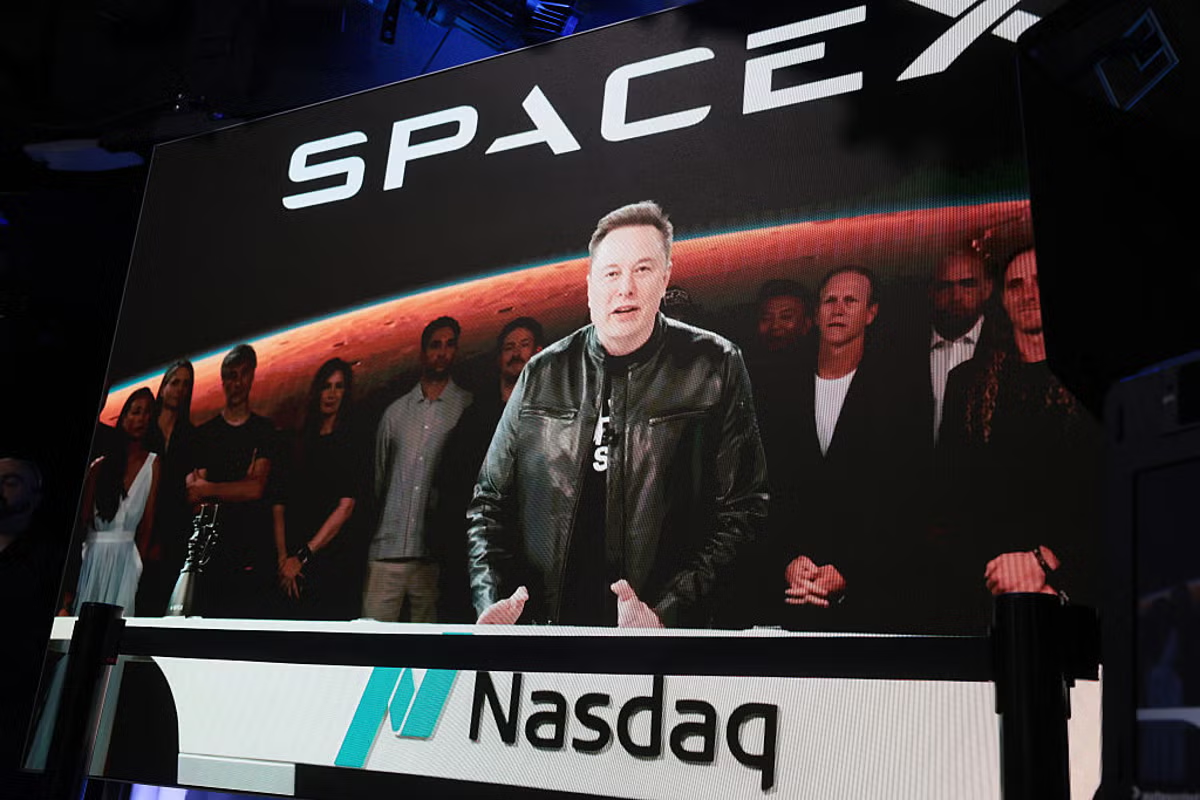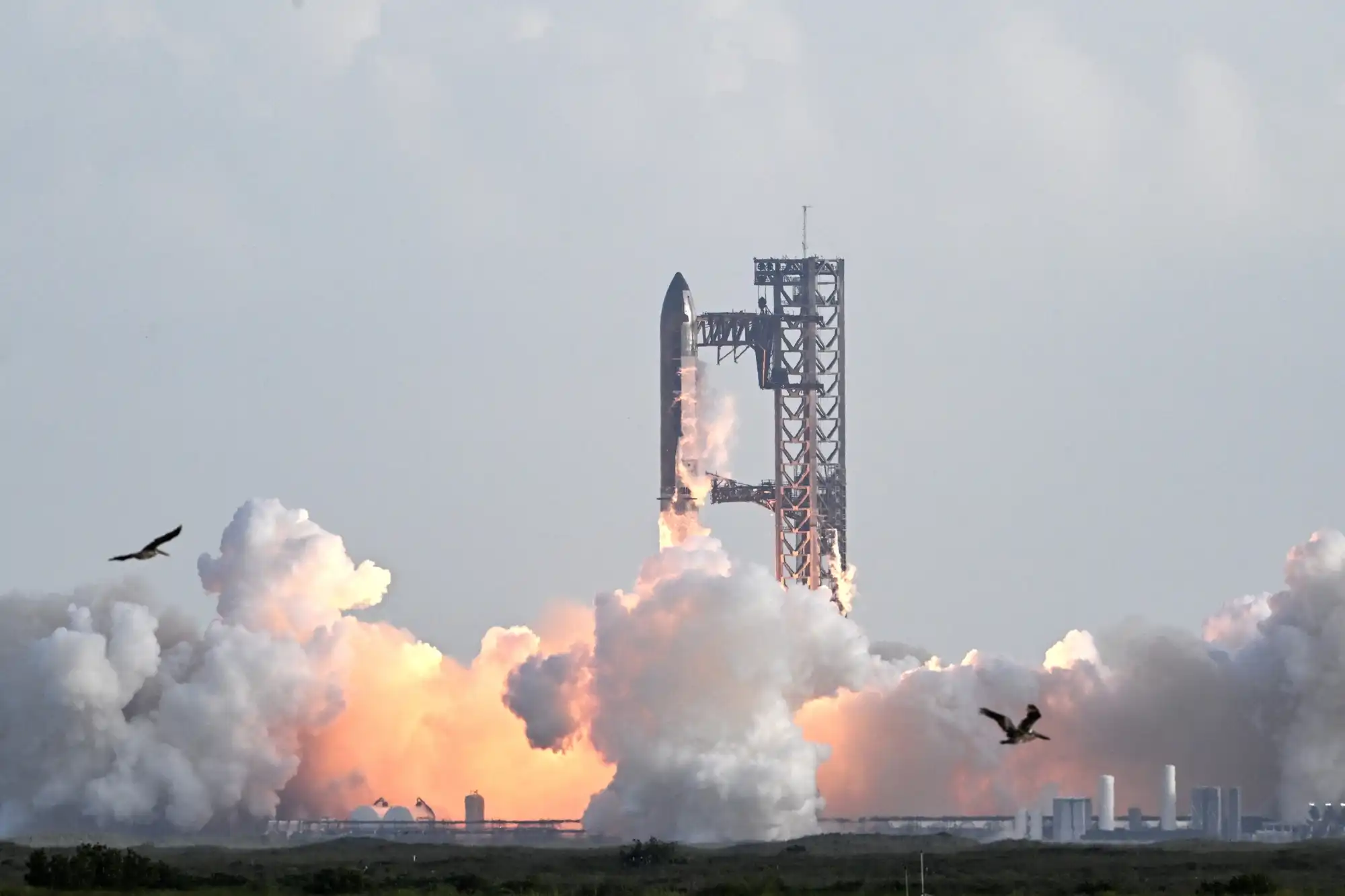
SpaceX went public on June 12 with an approximate valuation of $1.8 trillion. Shares opened around $150 and climbed sharply from there.
The company’s rapid inclusion into the Nasdaq 100, effective July 7, and the Russell 1000 around June 27, means that passive investors suddenly own SpaceX whether they wanted to or not.
The great rebalance
When a company joins a major index, every ETF and index fund tracking that benchmark must buy shares to maintain proper weighting. Funds like the Invesco QQQ, which tracks the Nasdaq 100, and the Vanguard Total Stock Market ETF are now obligated to hold SpaceX.
A Danish pension fund has already blacklisted SpaceX over governance and valuation concerns. Several US and global index holders are reportedly exploring alternatives to dodge exposure to the stock entirely. Some are selling out of Nasdaq-tracking ETFs and rotating into S&P 500 trackers, which remain SpaceX-free. Others are moving capital overseas into international funds.