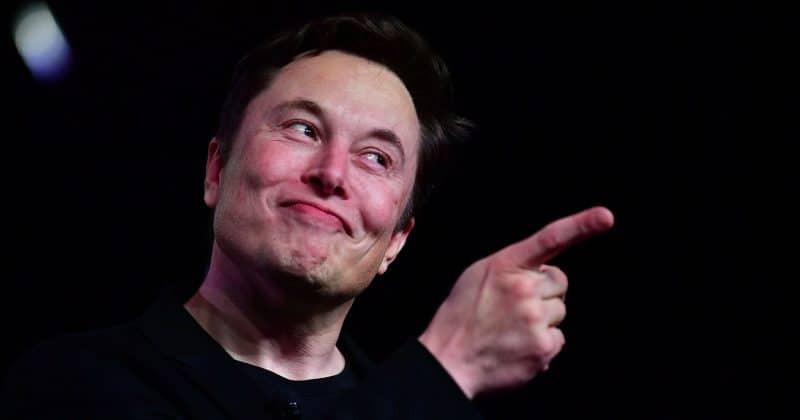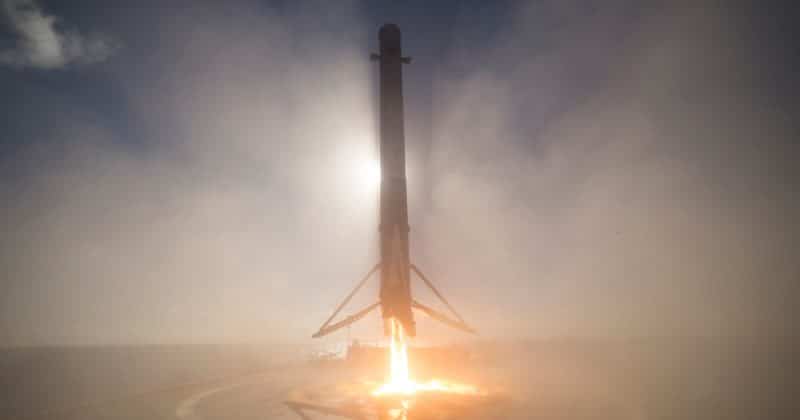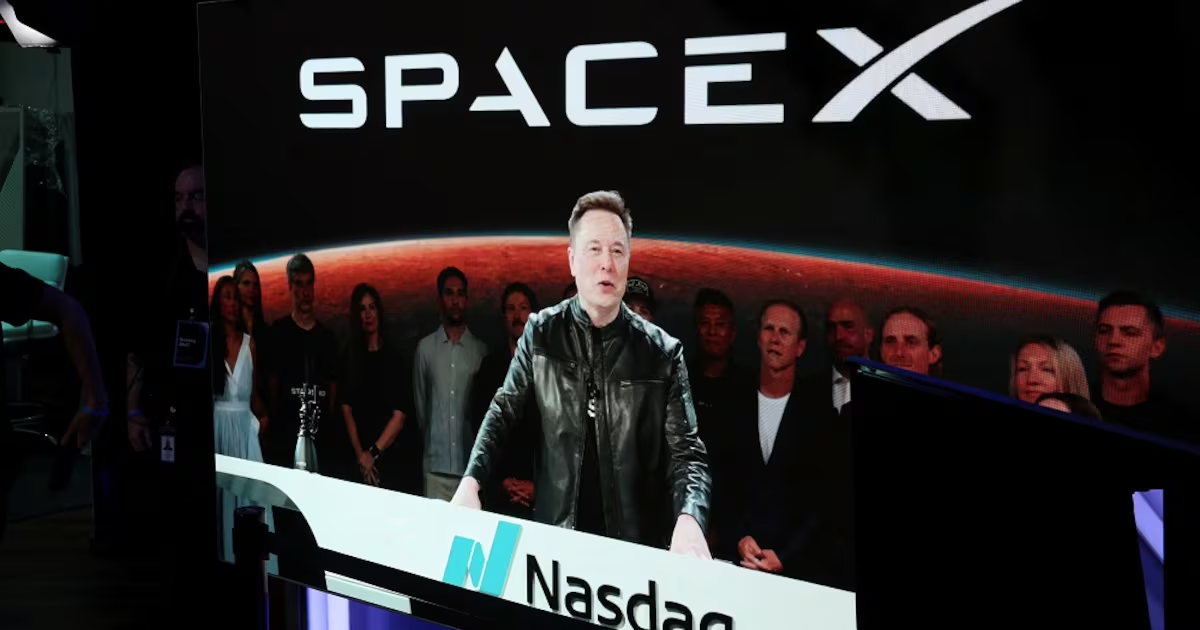
On June 12, SpaceX began trading on the Nasdaq under the ticker SPCX, priced at $135 a share and valued near $1.75-trillion — the largest initial public offering (IPO) in history, taking Elon Musk’s paper fortune past the trillion-dollar mark. The valuation has grown from roughly $210bn in mid-2024 to about $800bn by late 2025 to $1.75-trillion at debut — more than eightfold in under two years. Morningstar values the company closer to $780bn, warning that xAI — which was born of merging X (formerly Twitter) with Musk’s AI lab — poses a “material threat of value destruction”. SpaceX is, in effect, three businesses in one ticker: profitable Starlink, the steady launch business and cash-burning xAI. (Karen Moolman) What gives this bundle its reach into ordinary portfolios is a rulebook change made in March, just months before this and two other mega-IPOs were due to list. Nasdaq adopted a “fast entry” pathway, compressing index inclusion from a three-month seasoning period to 15 trading days for IPOs ranking among the top 40 by market cap, and scrapped its 10% minimum free-float requirement, replacing it with a formula valuing a thinly floated stock at up to three times its tradable float. Nasdaq 100 fundsSpaceX listed with a float in the low single digits of total equity; under the old rules that would have kept it out of major indices for months, but under the new ones passive Nasdaq 100 funds must buy almost immediately, regardless of price. The rules changed in the same window that SpaceX, OpenAI and Anthropic were all preparing record listings — hardly a coincidence. This is where market mechanics become consequences for ordinary savers. Pension funds and sovereign wealth pools, including the Gulf funds underwriting the AI buildout, become holders of these stocks by mechanical necessity rather than conviction. A retirement saver in the US, Saudi Arabia or Qatar may now hold SpaceX exposure simply because a benchmark says so. That exposure is layered onto an AI financing story that is itself increasingly circular and was, until recently, the subject of considerable public scrutiny. OpenAI has recently raised capital near $750bn-$850bn against roughly $13bn in 2025 revenue. That is a price-to-sales ratio exceeded in the S&P 500 only by Palantir. Anthropic has been valued from $350bn to close to $900bn depending on the round against roughly $4.5bn in revenue. Anthropic CEO Dario Amodei has defended this ― chip suppliers investing tens of billions in AI labs that then commit comparable sums to buying those suppliers’ hardware ― as a way to lock in scarce compute. Sceptics call it a demand loop that flatters revenue on both sides. When the Wall Street Journal reported that Nvidia’s planned $100bn OpenAI investment had “stalled”, Oracle’s share price wobbled within hours. That critique was loud and well documented and, for a period, looked like it might cap valuations absent independent validation.OpenAI has recently raised capital near $750bn-$850bn against roughly $13bn in 2025 revenue. That is a price-to-sales ratio exceeded in the S&P 500 only by Palantir. Anthropic has been valued from $350bn to close to $900bn depending on the round against roughly $4.5bn in revenue. The rule changes and IPO wave that followed look, in sequence, like a way of supplying that validation — mechanical buying that index inclusion compels, rather than analysts pricing future cash flows. The second route by which AI’s costs could land on public balance sheets runs through Washington, and it is the stranger of the two. US President Donald Trump told reporters aboard Air Force One in early June that his administration was exploring direct equity stakes in OpenAI and xAI, calling it something that “almost becomes a partnership with the American public”. Senator Bernie Sanders has gone further, proposing a one-time 50% equity tax on the largest AI firms, payable in shares, to seed a public wealth fund modelled on Norway’s sovereign fund. Palantir CEO Alex Karp predicts that full nationalisation, not the 50% compromise, becomes mainstream within two years.A self-described democratic socialist and a Republican president, agreeing on almost nothing else, have converged on the idea that the government should hold a direct stake in companies whose financing was just publicly criticised as circular, with costs running far ahead of revenue. The framing is national security and competition with China — cover for an extraordinary peacetime intervention in private markets. Once AI is classified as critical to national resilience, a rescue becomes a strategic capability. Whether this is genuine conviction or a convenient way for both sides to act on AI without naming the real problem — that financing has outrun fundamentals — is worth asking, without assuming bad faith on either side. None of this amounts to a forecast of a crash or vindication; markets sustain valuations that look indefensible for years before resolving or correcting. For South African institutions, the point is understanding the mechanics connecting this story to local portfolios.Index-tracking mandates mean exposure to SpaceX and to whatever OpenAI or Anthropic vehicles eventually list whether or not a fund manager has formed an independent view on AI economics. The weighting decision sits with the index provider, and fast-entry rules mean exposure arrives faster and in larger doses than in any previous IPO cycle. That argues for the JSE, pension fund trustees and asset managers to ask sharper questions: how concentration in AI-adjacent mega-caps is monitored across passive mandates; what “low float” means for liquidity if sentiment turns; and how political risk — government stakes reshaping the capital structure of companies in which local funds hold minority exposure — should factor into due diligence on US technology generally. The question is not whether the technology has value but whether the price paid for it can hold together under its own weight. It is worth asking calmly before the answer is decided by mechanics rather than judgment. • Mafinyani is senior partner in financial engineering & AI at specialised finance, risk and applied technology firm Intellica Analytics.
RUFARO MAFINYANI | Privatising the upside, indexing the downside
Nasdaq index ‘fast entry’ for SpaceX, OpenAI and Anthropic compels mechanical buying rather than investment based on pricing future cash flows
993 words~5 min read