Near the beginning of his long narrative poem “Letter to Lord Byron,” W. H. Auden writes, “I want a form that’s large enough to swim in.” So too, apparently, did Herman Melville for his sixth book, when the thirty-year-old author decided to enlarge and deepen a relatively straight-forward nautical adventure story, somewhat in the vein of his first and greatest success, Typee: A Peep at Polynesian Life (1846), and make it…what exactly?Article continues after advertisement
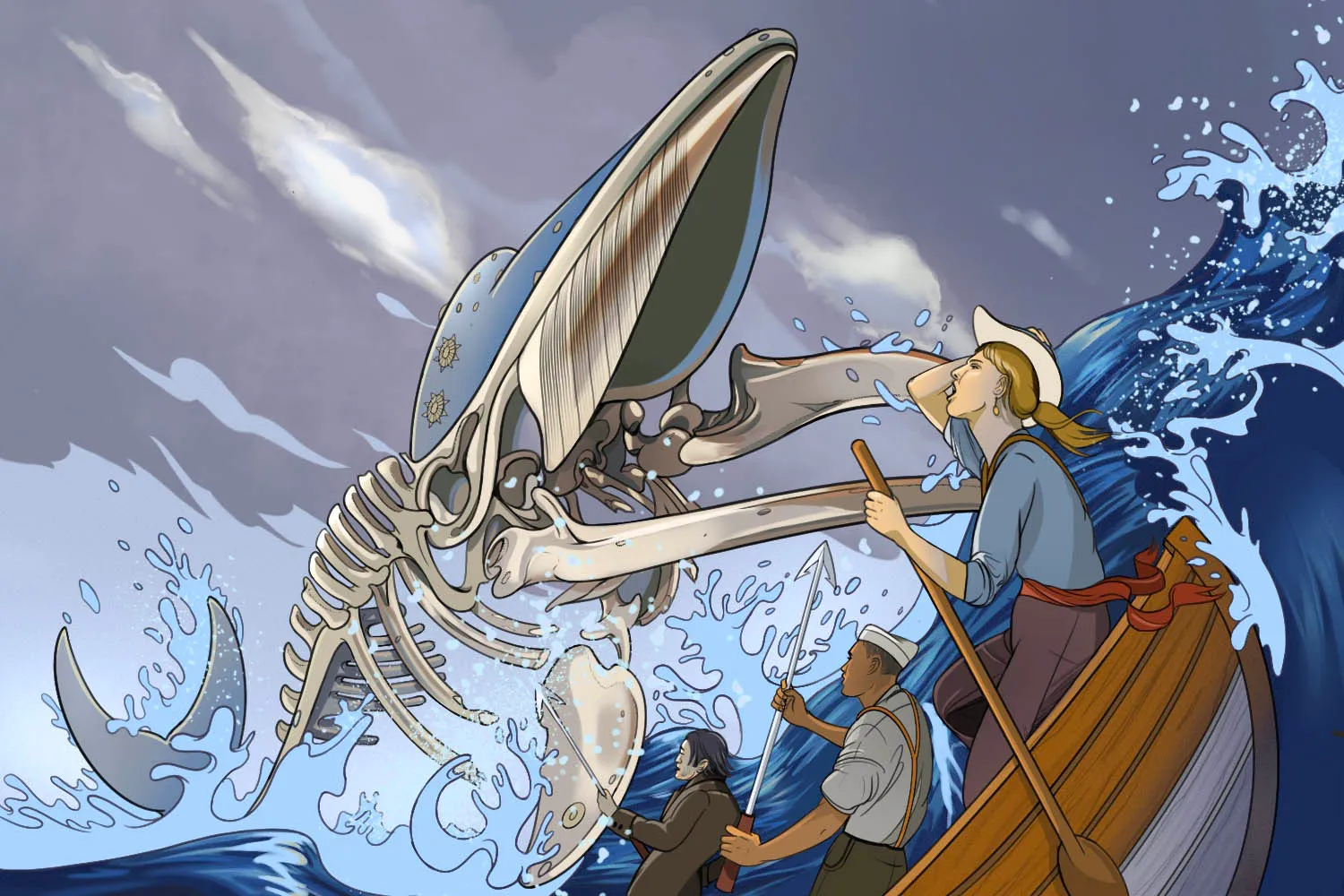
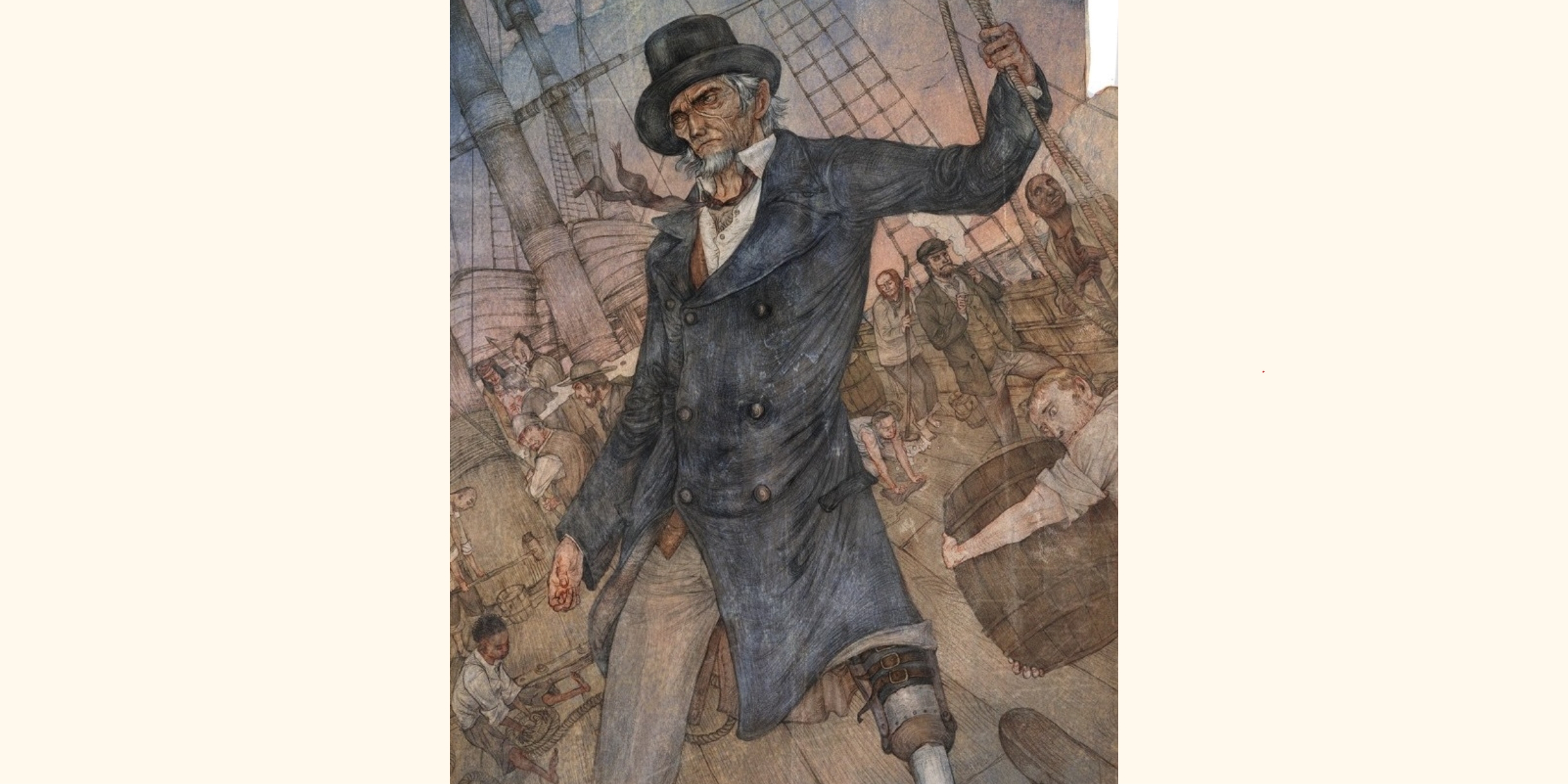
Many readers today regard Moby-Dick: Or the Whale (1851) as “the Great American Novel,” yet it has long seemed more than just a work of fiction. Its rhetorical grandeur, frequent metaphysical ruminations, and titanic protagonist—the tormented, vengeance-obsessed Captain Ahab—raise this global hunt for a gigantic white whale to the level of Homeric epic, Shakespearean tragedy, or even Old Testament history, not to overlook its numerous touches of Gothic mystery. At the same time, the book provides a detailed summa and guide to nineteenth-century whaling as well as the intermittent depiction of friendship, indeed love, between its narrator, the ex-schoolmaster who calls himself Ishmael, and a tattooed former cannibal, the harpooner Queequeg. As a consequence of its sheer polyphonic complexity, Moby-Dick thwarts simple interpretation. To this day, nearly every aspect of this masterpiece remains ambiguous, alluringly unsettled.