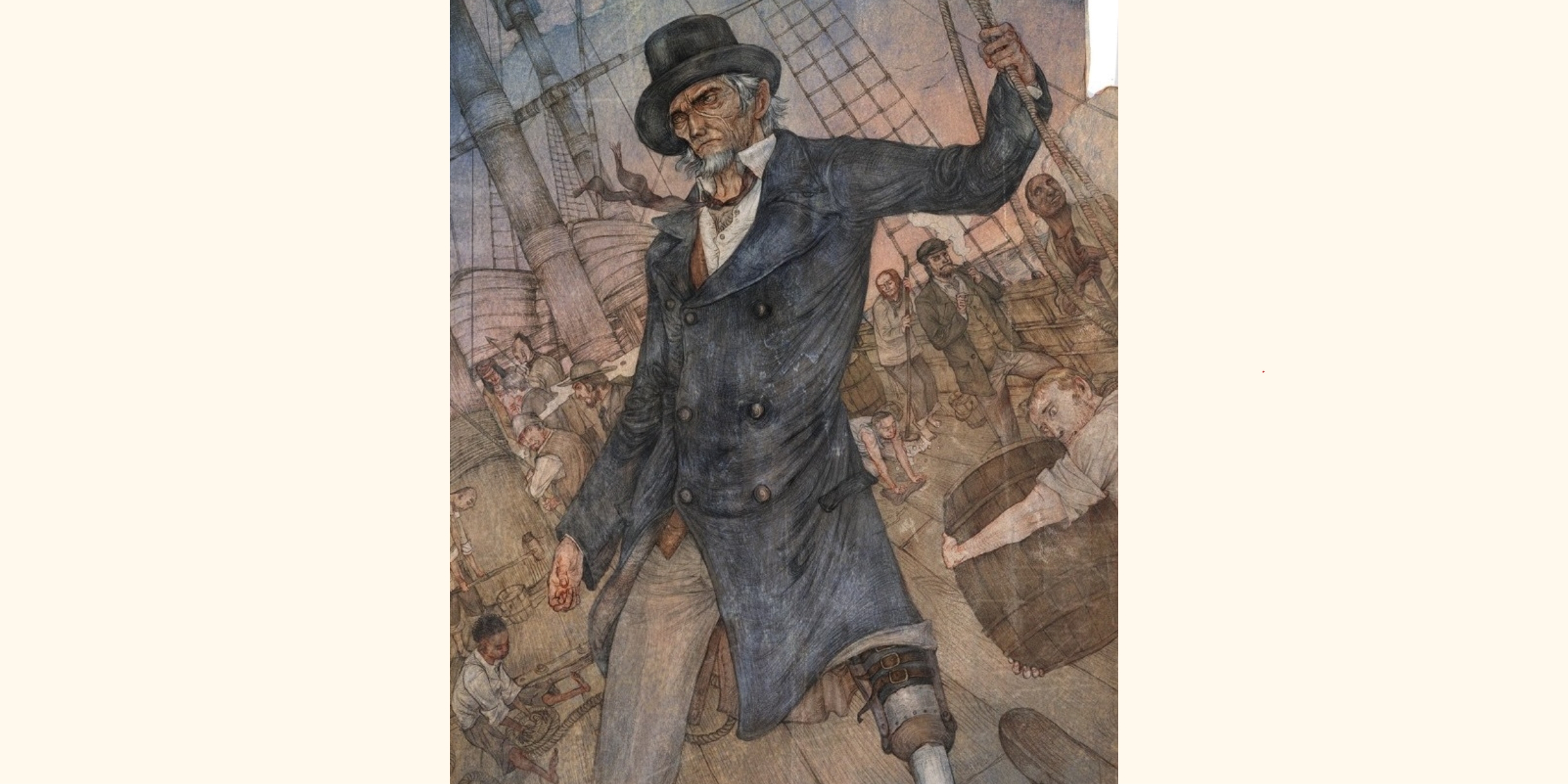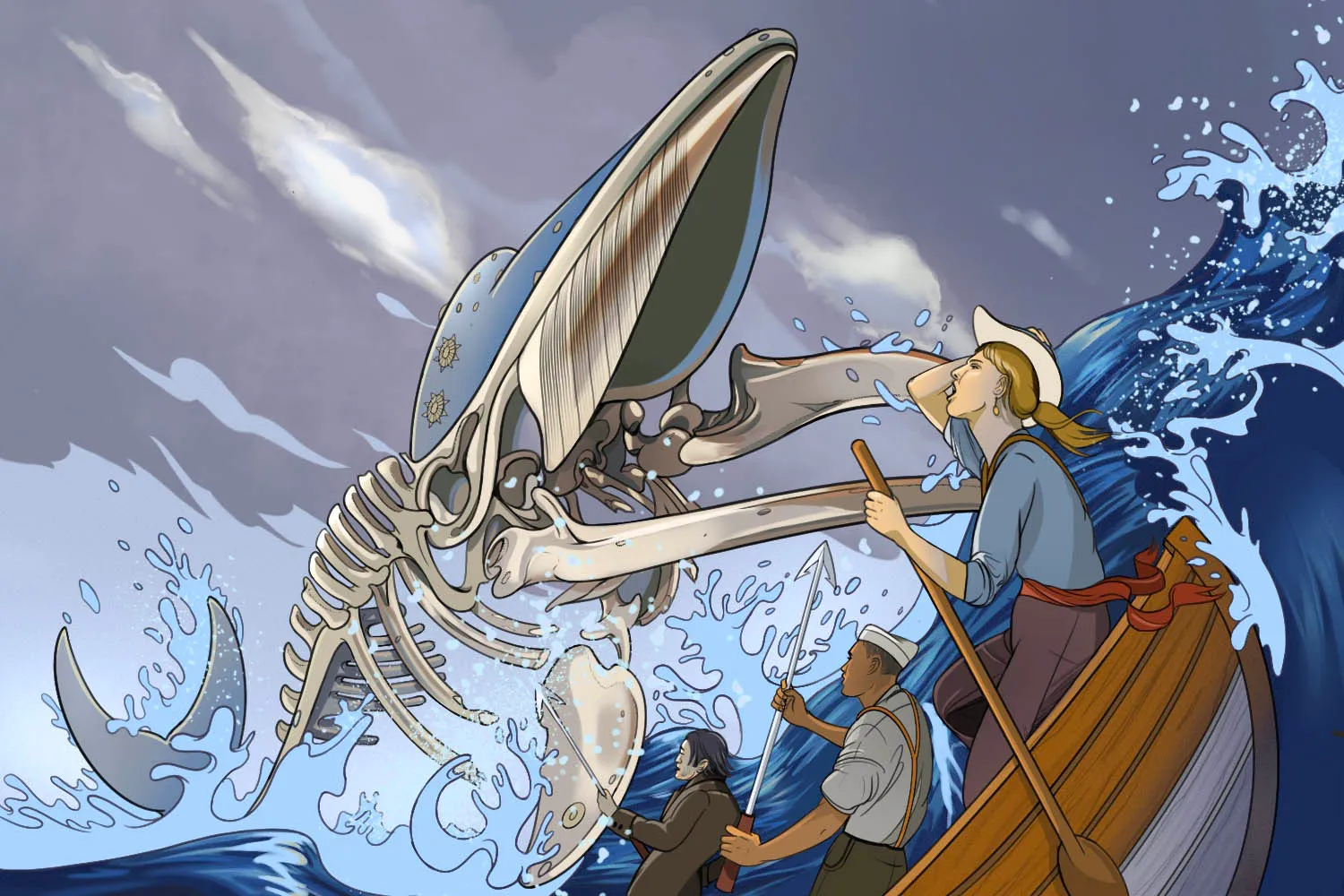
“To produce a mighty book you must choose a mighty theme,” Herman Melville writes in Moby-Dick. In the US, one of the mightiest for the past generation has been the shift from a society dominated by people of European heritage to a truly multiracial culture, with all that entails in life experience, historical memory, and reckonings with colonialism or America’s origins.Article continues after advertisement
For my last book, which was mostly about the Second World War, I—a half-Scottish, half-German man—was giving a talk to high schoolers near Dayton, Ohio. At the end, a girl whose parents had come to the US from India asked a question I haven’t stopped thinking about since. It was, more or less: “What does all this World War Two stuff have to do with me? In the period you’re writing about, the big experience for my family was Partition.”
Of course I could make arguments about what it has to do with her—I’m sure you can too—but what she put her finger on was this: Americans’ stories have become more multiplicitous, as have stories of America. Writers have cast their nets into that fertile current and brought up a rich haul of fiction.
Many would say this theme is the spirit of our age. Maybe they’re right. But my hunch is that when future historians come to explain this period, they’ll also be writing about something else.