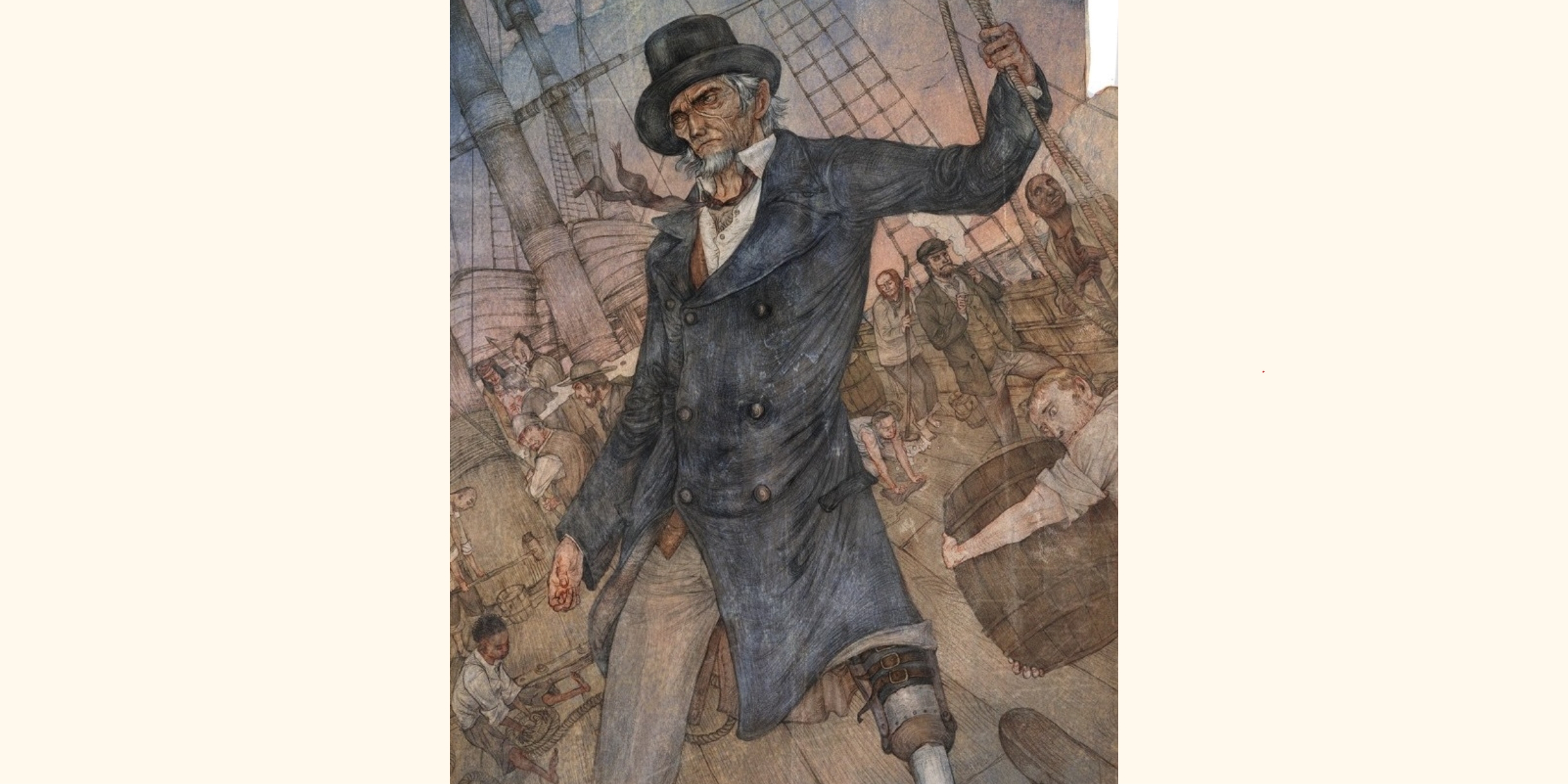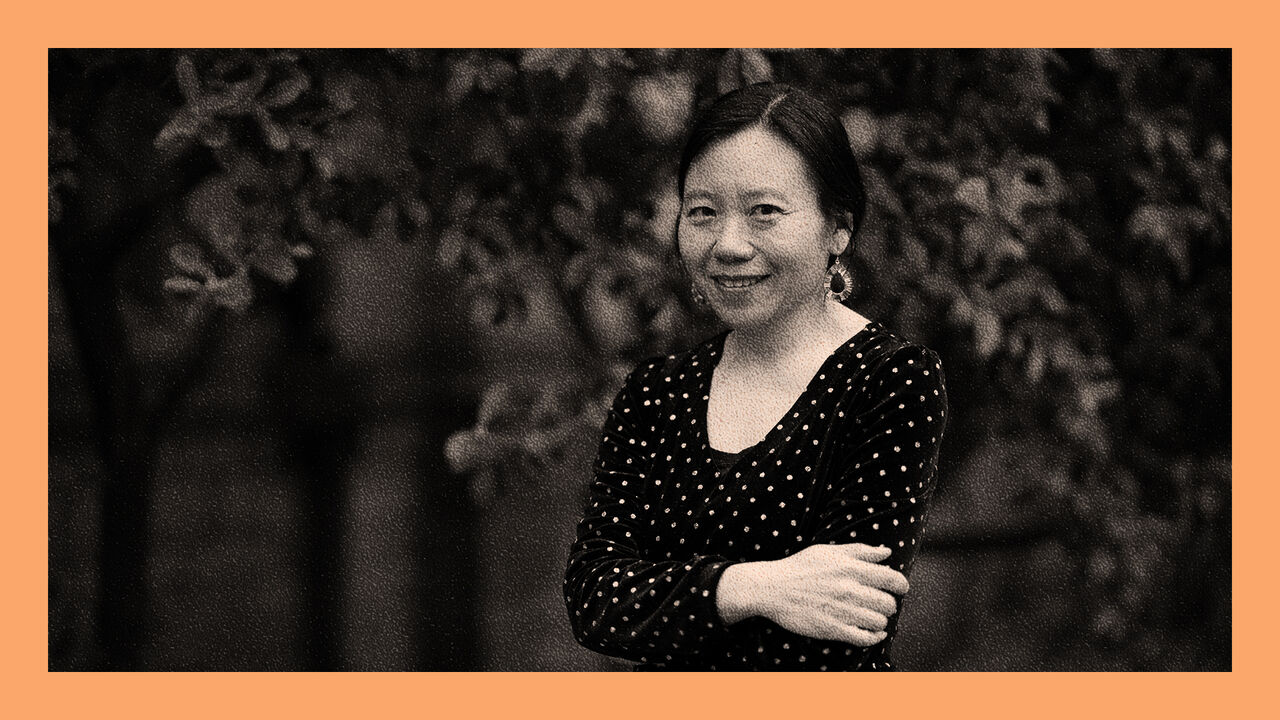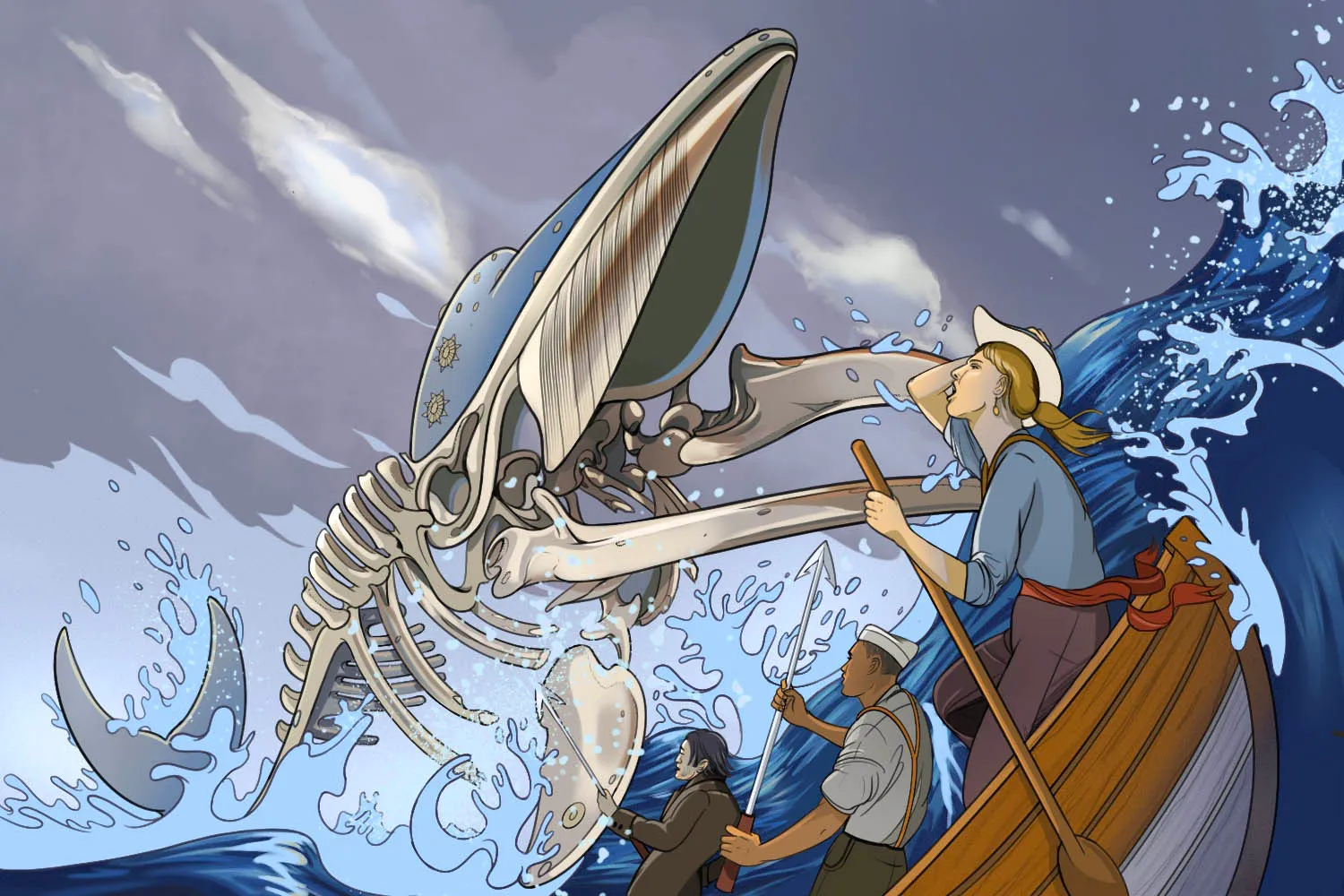
The U.S. edition of Call Me Ishmaelle, marketed as a “feminist reimagining” of Moby-Dick, comes barnacled with blurbs. The Chinese British writer and filmmaker Xiaolu Guo “has gender-flipped this intimidating text with bravura and style,” the Telegraph proclaims. She “gives renewed forms of life to [Herman] Melville’s immense novel,” the Times Literary Supplement trumpets. And the New Statesman assures readers that the novel “deftly incorporates philosophical questions about our relationship with nature and gender-dysphoria into the plot, constantly tugging at the heartstrings.”
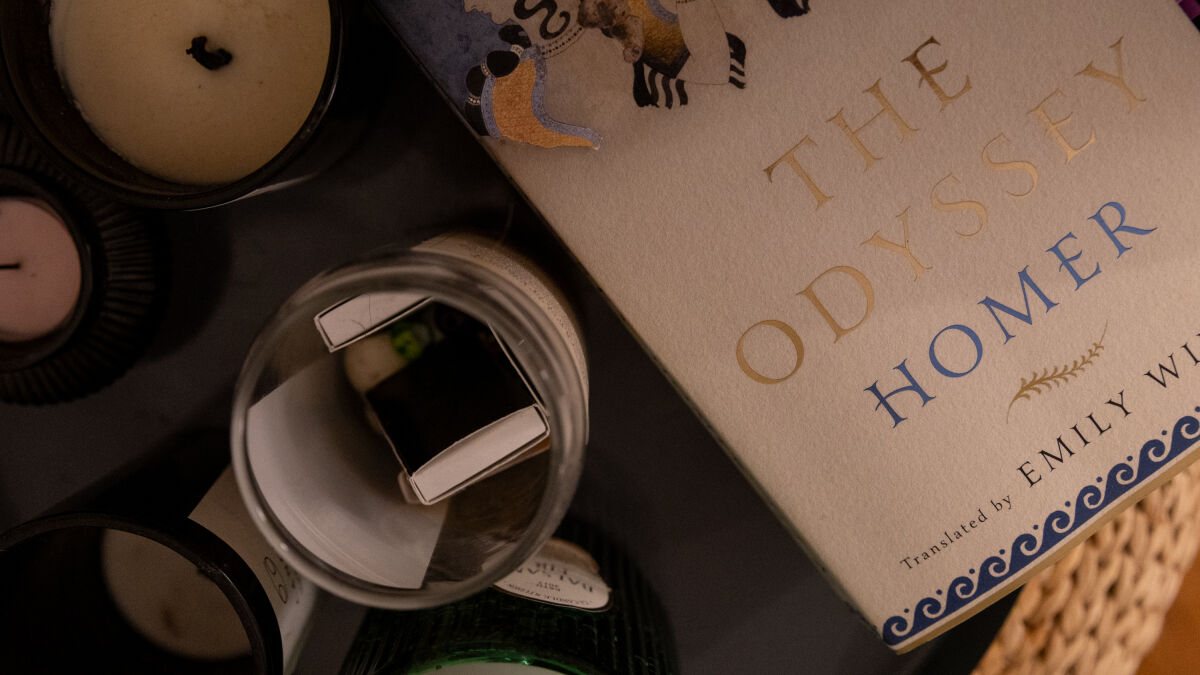
Blurbs are one thing; seasoned readers know not to take them at face value. A subtler species of promotion lurks in the book’s closing pages. There, you’ll find a five-page list of discussion questions. This suggests not merely that the work deserves attention, but that it has already been selected for the curated shelf of an anti-canon canon. One thinks here of calls in recent years to “decolonize” university syllabi, and the proliferation of novels that seek to reimagine classics—works such as Barbara Kingsolver’s Demon Copperhead, Percival Everett’s James, and Kathy Acker’s Don Quixote, which center on secondary characters, bricolage existing texts, and/or update their settings.