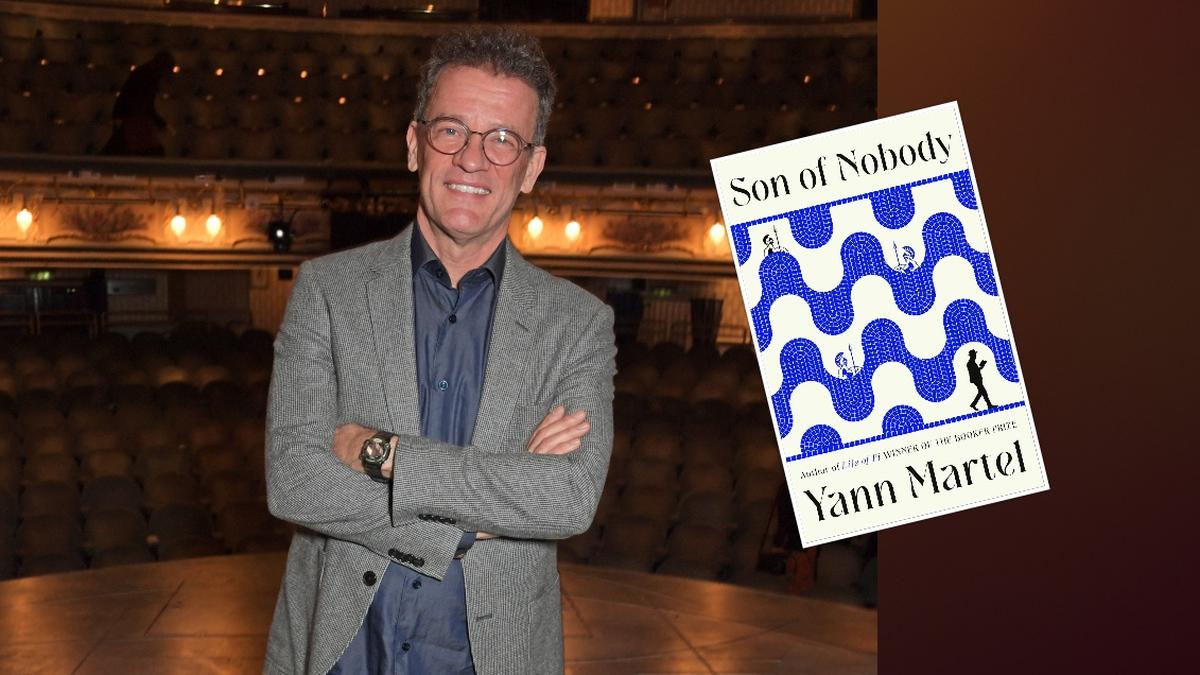
An epic poem about the Trojan war is merged with the domestic heartbreak of the scholar who discovers it in this ambitious, structurally problematic novel
I
n Yann Martel’s fifth novel, a Canadian classicist, Harlow Donne, has been offered a year’s fellowship at Oxford University. His wife, Gail, has a full-time managerial job, and they have a seven-year-old daughter, Helen. Who will pour out her breakfast cereal and pick her up from school while Harlow is away? He and Gail quarrel. He leaves for England, and as she sees him off Gail whispers in his ear: “Don’t come back.”
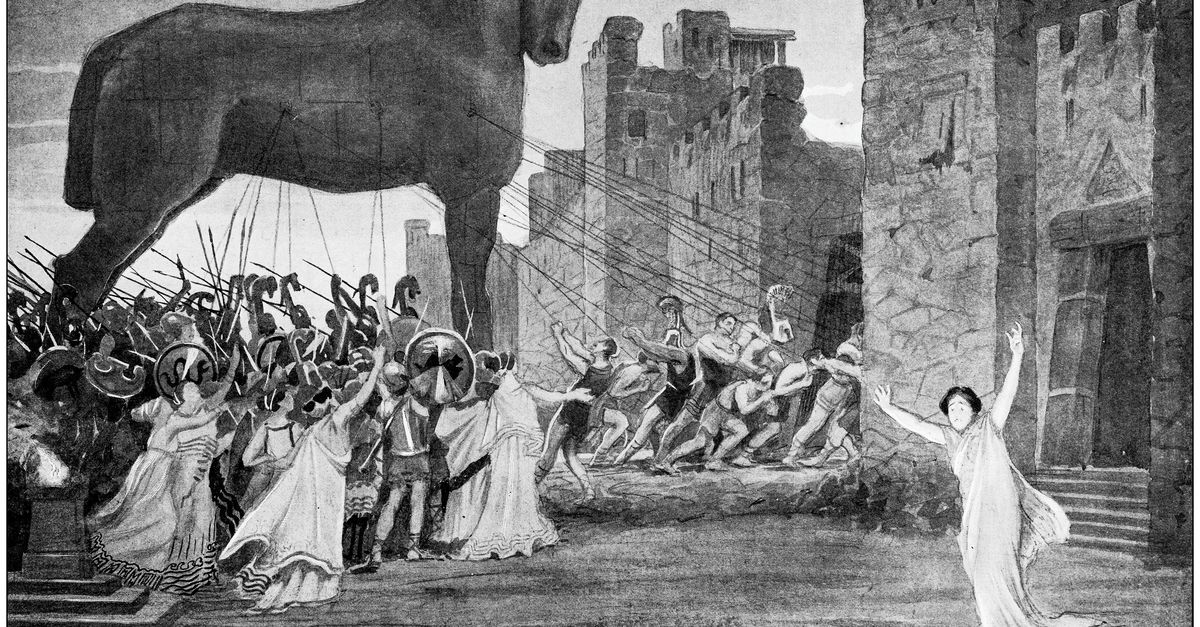
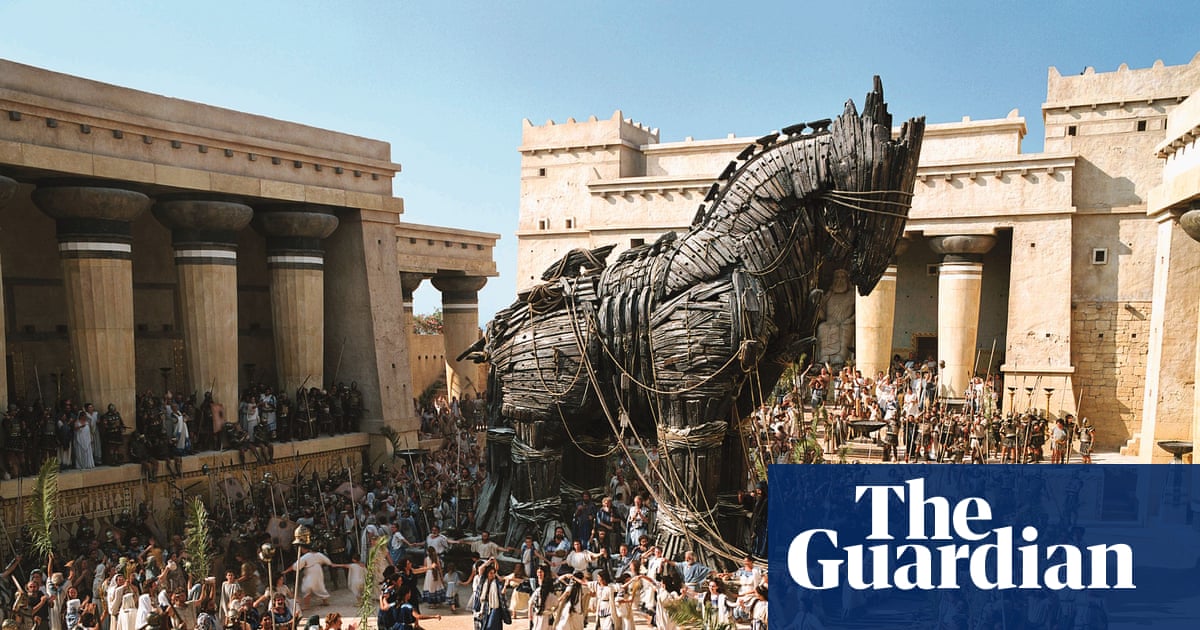
So far, so everyday: but once Harlow gets to Oxford, the narrative shifts its form and becomes odder and more interesting. His prescribed task is to help sift through and translate a hoard of ancient papyri from Oxyrhynchus, in upper Egypt. It’s tedious work. Soon, though, Harlow is piecing together from words or half-words on wisps of desiccated reeds what he believes to be a long-lost epic poem. It relates the story of the Trojan war, but not, as Homer tells it, from the viewpoint of princely warriors and gods. The protagonist is a common soldier, a “son of nobody” named Psoas.
This is not just a novel about a poem: it actually contains that poem. The Psoad makes up half of Martel’s book in terms of word count, and most of it in terms of creative energy. The poem’s fragments are printed across the top half of the pages, while below the line are footnotes, in which Harlow sets out to comment on the text, but is soon finding in it prompts for reminiscences about his relationship with Gail, and reflections about his home life addressed to his daughter. The two narrative strands – the ancient epic and the modern domestic drama – tug at and distort each other, until finally they merge in a doubly mournful conclusion.