There’s a set of books that you’ve probably already heard of. These are the ones that’ve been extolled by professors and critics. They’ve been referenced in countless speeches and essays. And in school, your teachers most likely claimed that these books were among the world’s greatest works of literature.Article continues after advertisement
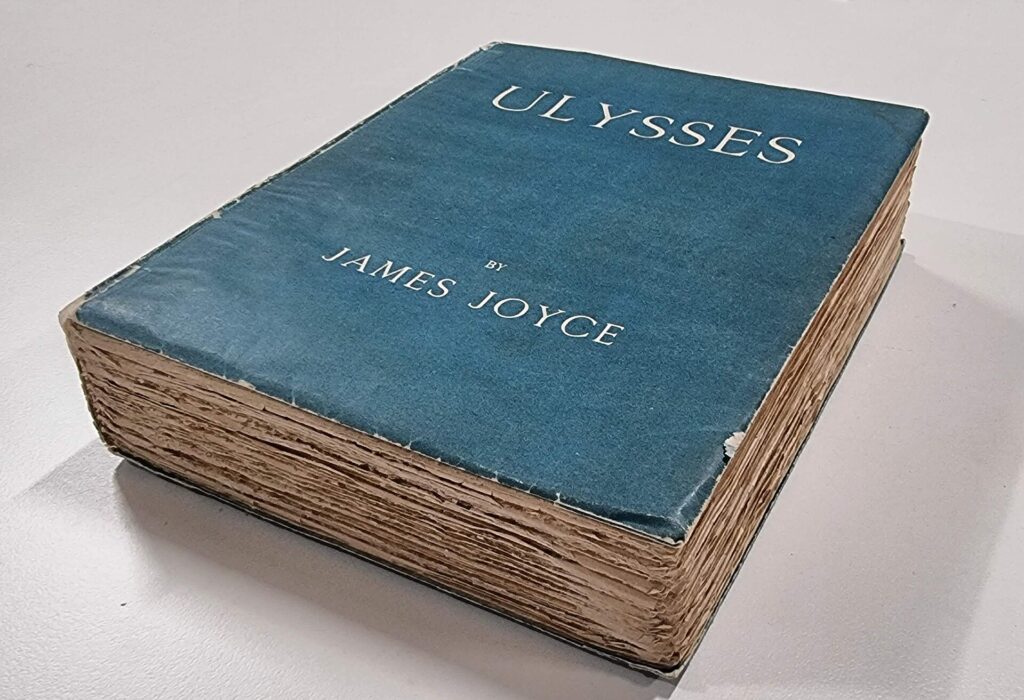
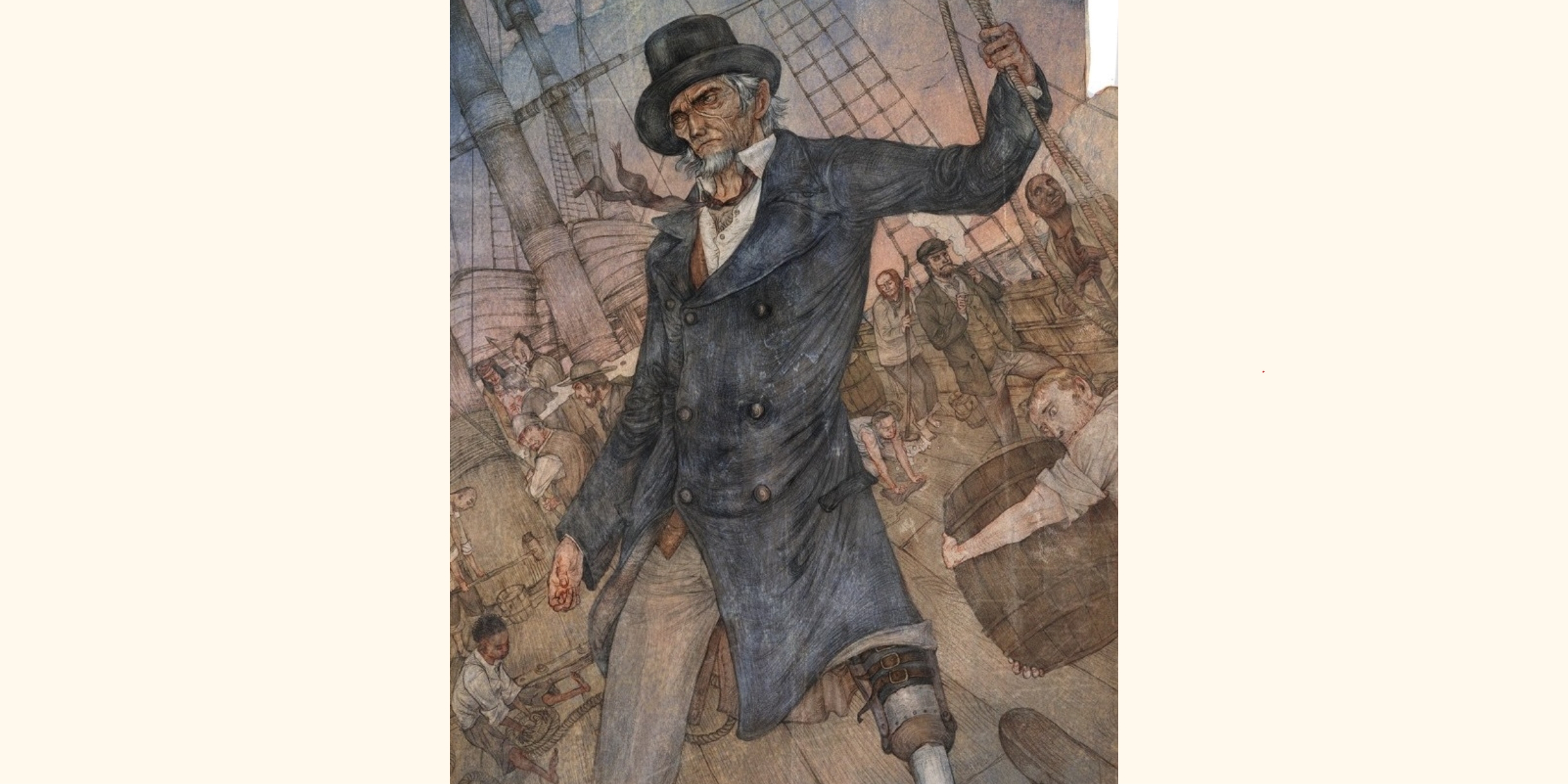
I’m talking about texts like Melville’s Moby-Dick, Austen’s Pride and Prejudice, Tolstoy’s Anna Karenina, Homer’s Iliad and Odyssey, Milton’s Paradise Lost, Dante’s Inferno, Cervantes’s Don Quixote, and about a hundred others—most people have heard of these books, and most people have some preexisting ideas about them. (Collectively, these texts are often referred to as ‘The Great Books.’)
People like me, who love the Great Books, often worry that the general public has a negative impression of these classic texts. We worry that ordinary people think the Great Books are a tool of White supremacy.
And it’s true; that belief does exist, among some readers. But when I talk to people about the Great Books, they usually don’t say, “Oh, those books are racist.” Instead, they quite frequently say something like, “I’ve always meant to read those.”
So why don’t they?Article continues after advertisement