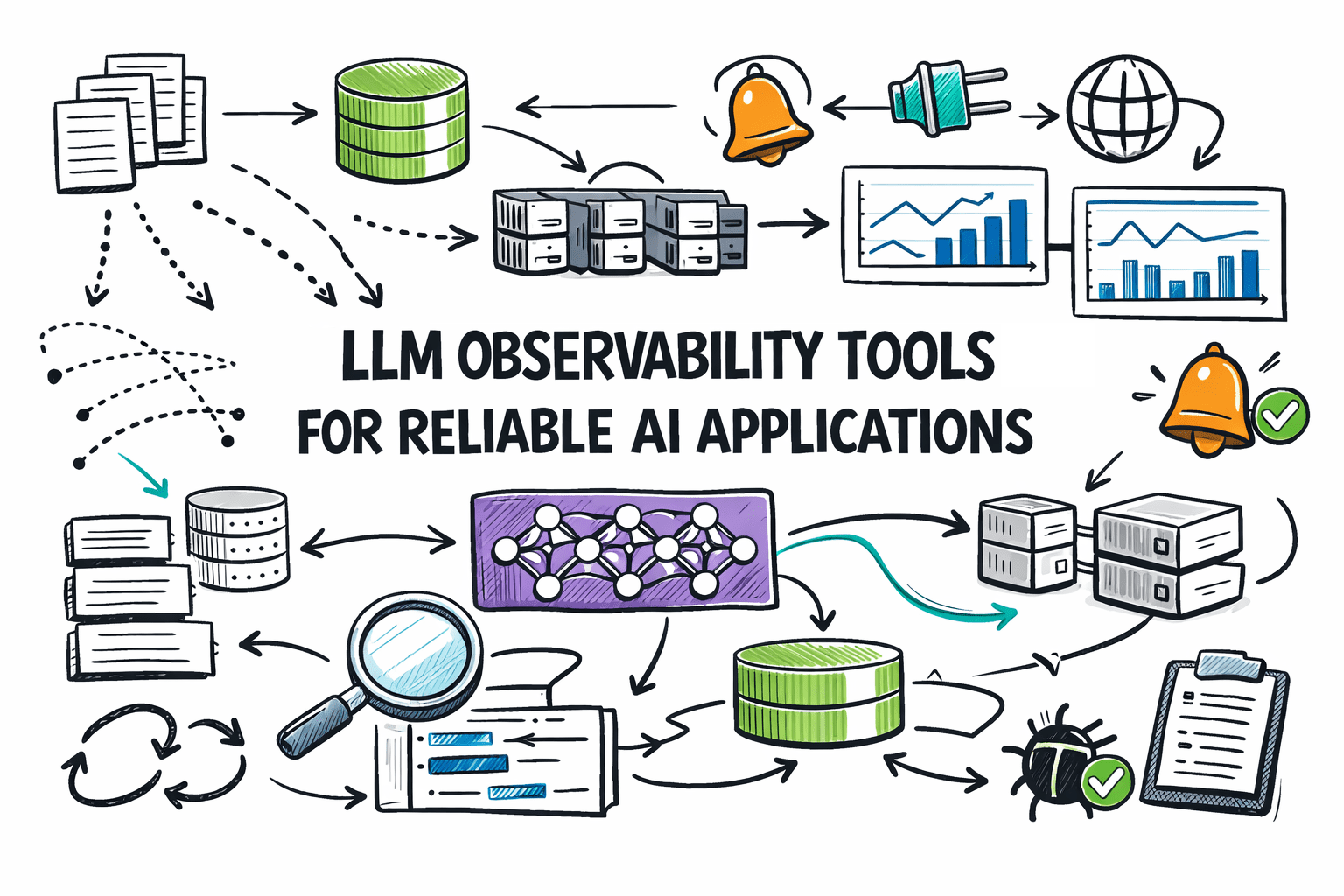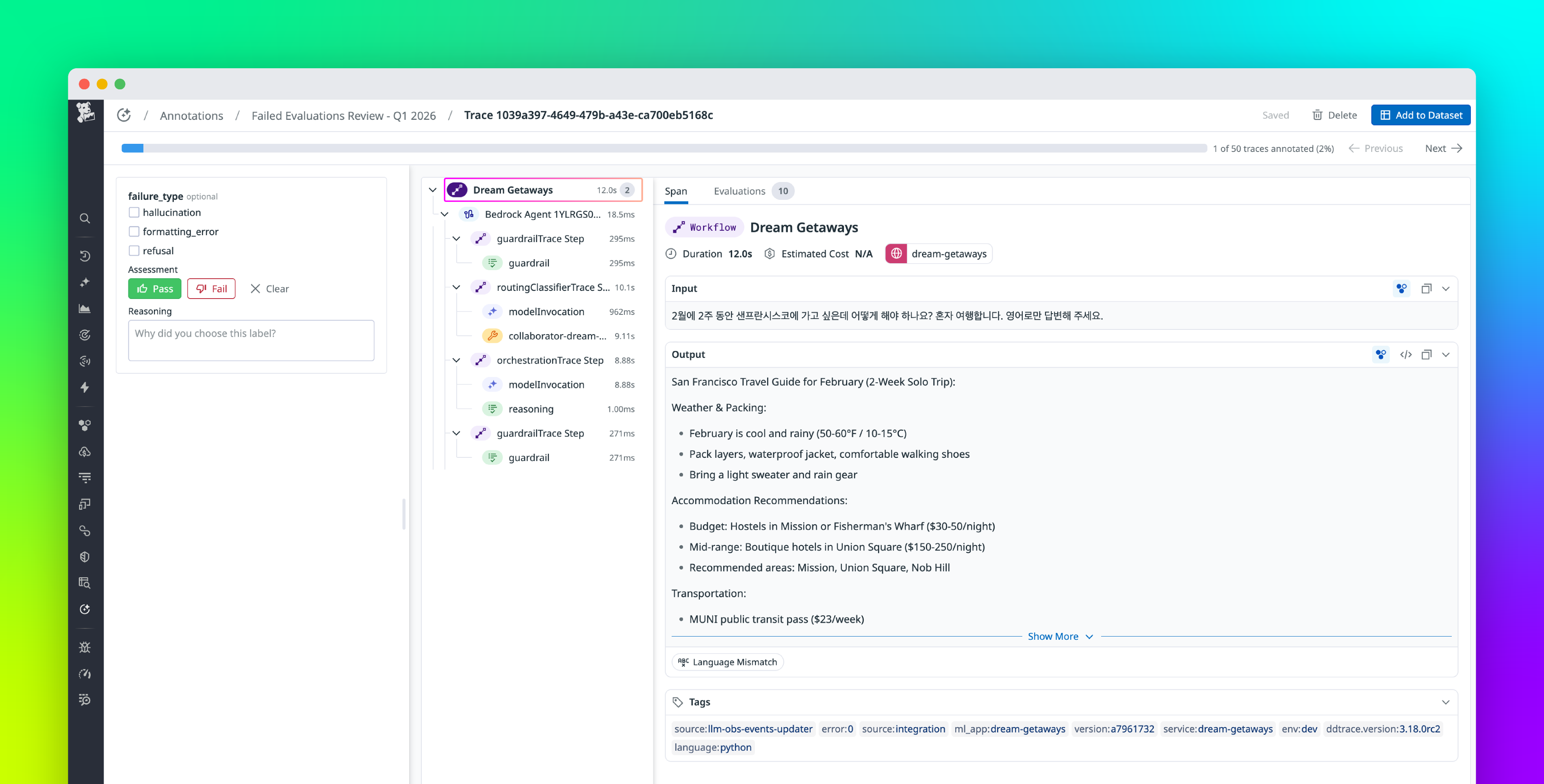
If you've shipped a traditional backend service, you already know the observability checklist: logs, metrics, traces, alerts. LLM-powered apps need all of that — plus a few things that don't exist in a normal request/response world: token spend, prompt/response pairs, and quality drift that no HTTP status code will ever tell you about.
This post covers the three pillars that actually matter once an LLM app leaves the demo stage:
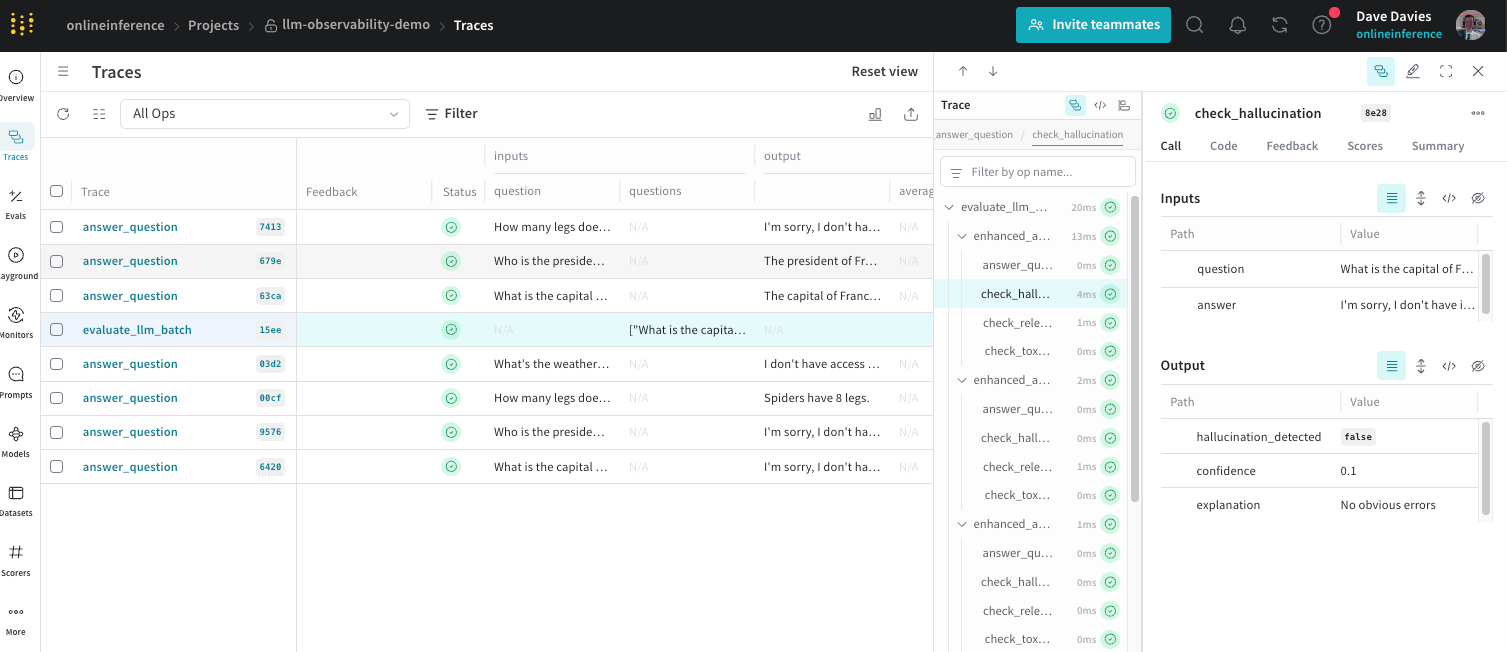
Tracing — following a request across retries, tool calls, and multi-provider fallbacks
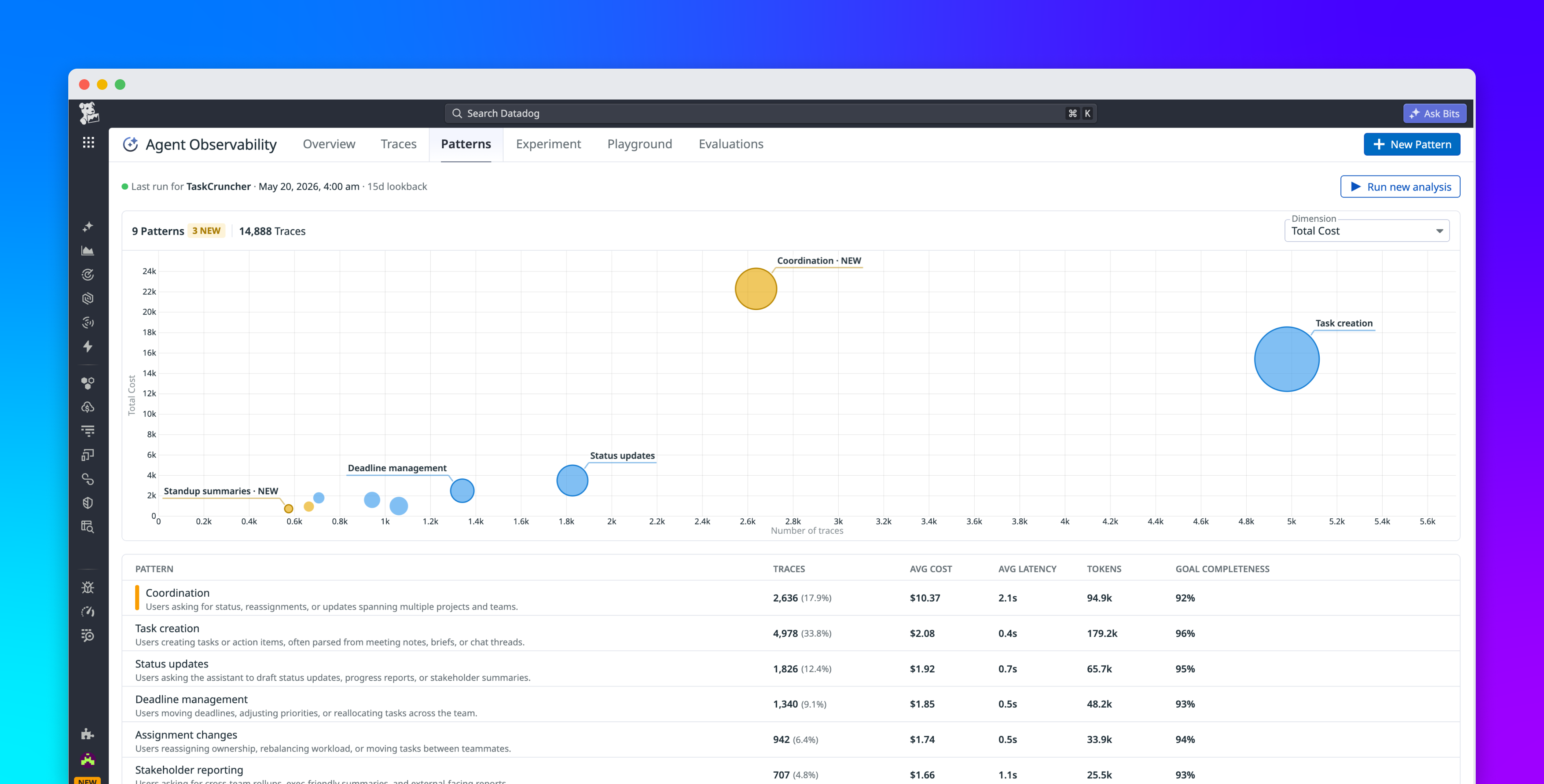
Cost tracking — turning token counts into real-time dollar visibility per route, user, or feature
Eval loops — catching quality regressions before your users do