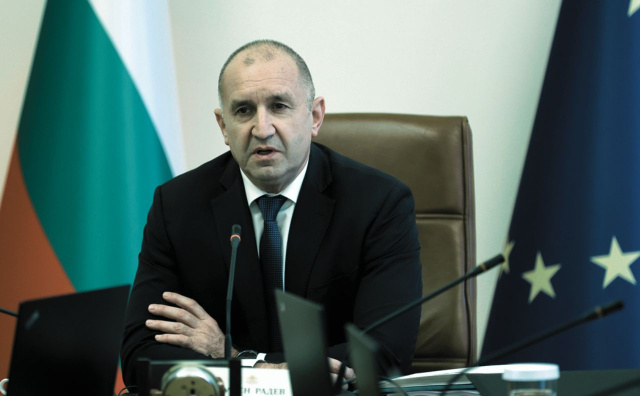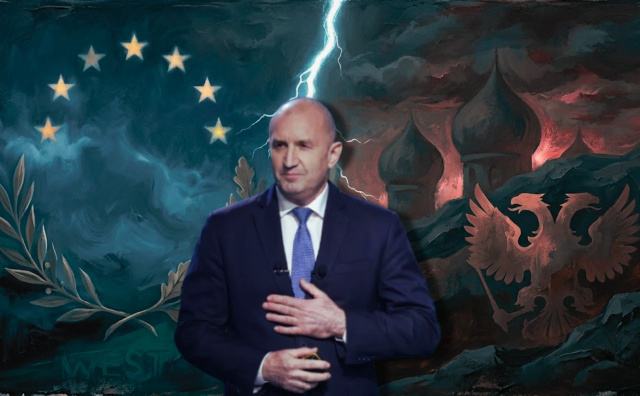
Criticism is mounting over what can be described as inconsistent messaging from Prime Minister Rumen Radev’s cabinet, with political statements and policy signals often shifting depending on context, audience, or timing. The government, in office for less than two months, is already facing accusations of contradictory positions across domestic and foreign policy.
Early announcements from the cabinet included pledges to reduce both public debt and the budget deficit while avoiding tax increases or cuts to social spending. However, critics argue that subsequent developments have moved in the opposite direction, pointing to rising debt levels and a projected deficit of 5.7%, nearly double the EU benchmark of 3%.
“Our aspiration is to reduce the debt and deficit without changing taxes and cutting social spending,” Radev said at the start of his mandate, a statement now frequently cited in political debate.
Financial policy has become a central point of dispute. After parliament authorized billions in new borrowing, the Finance Ministry presented a draft budget for 2026 that opposition figures say contradicts earlier commitments. The government has defended the figures as a continuation of prior administrations’ policies rather than new decisions of its own, while acknowledging that the fiscal framework has drawn criticism even from within governing circles.