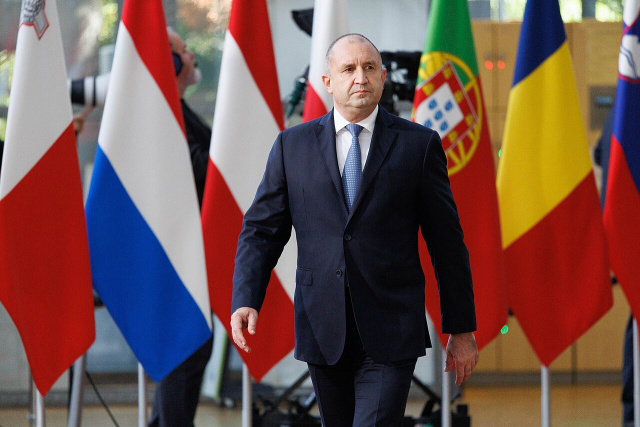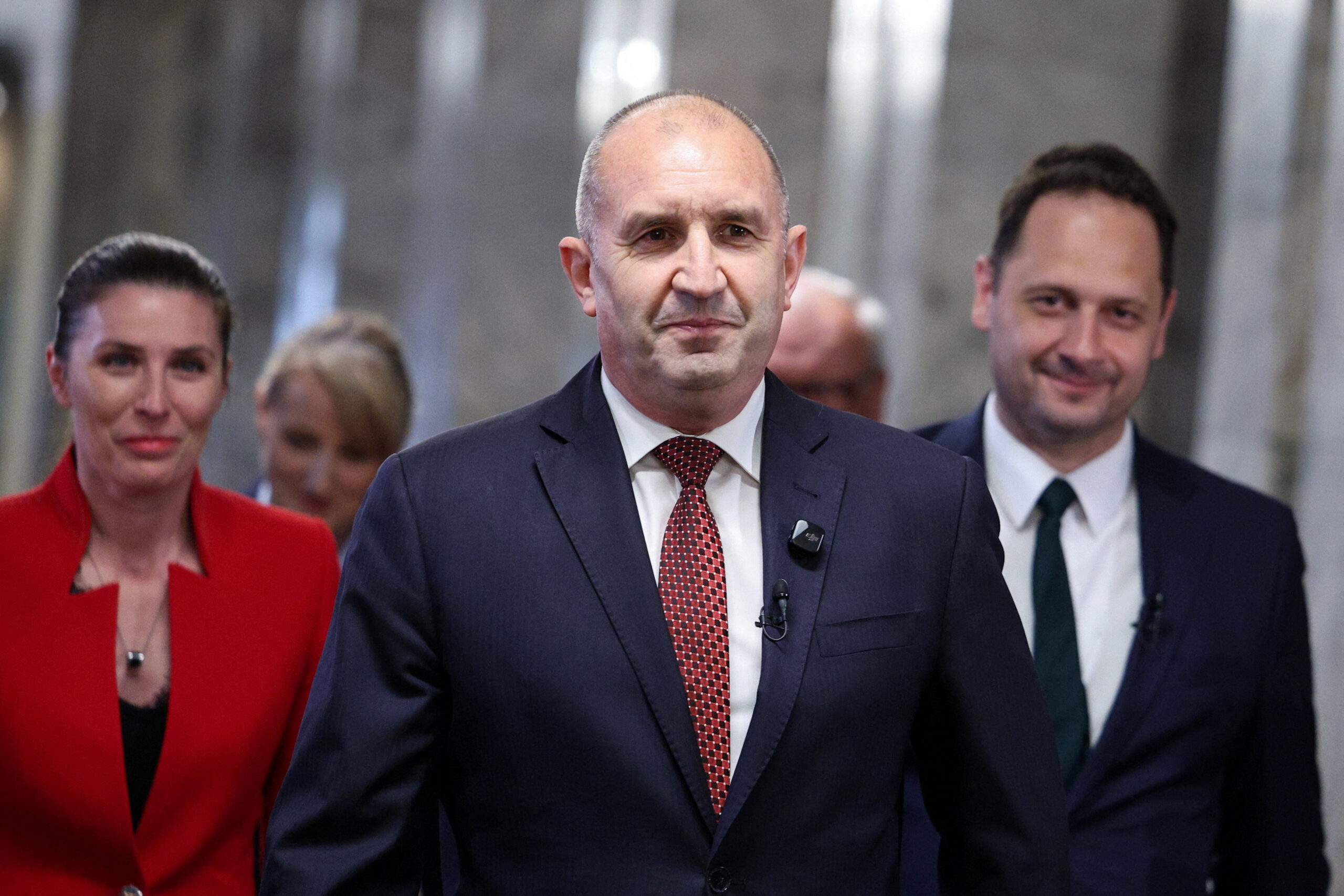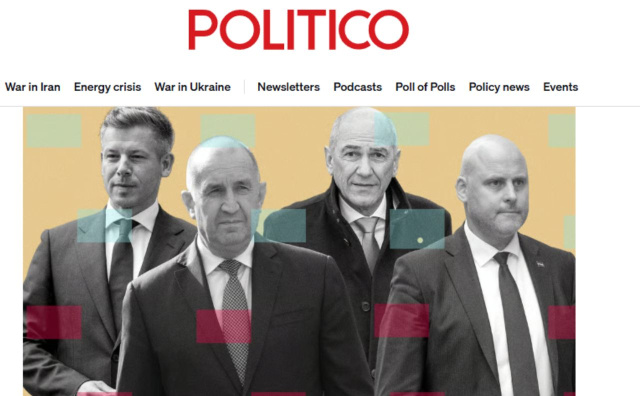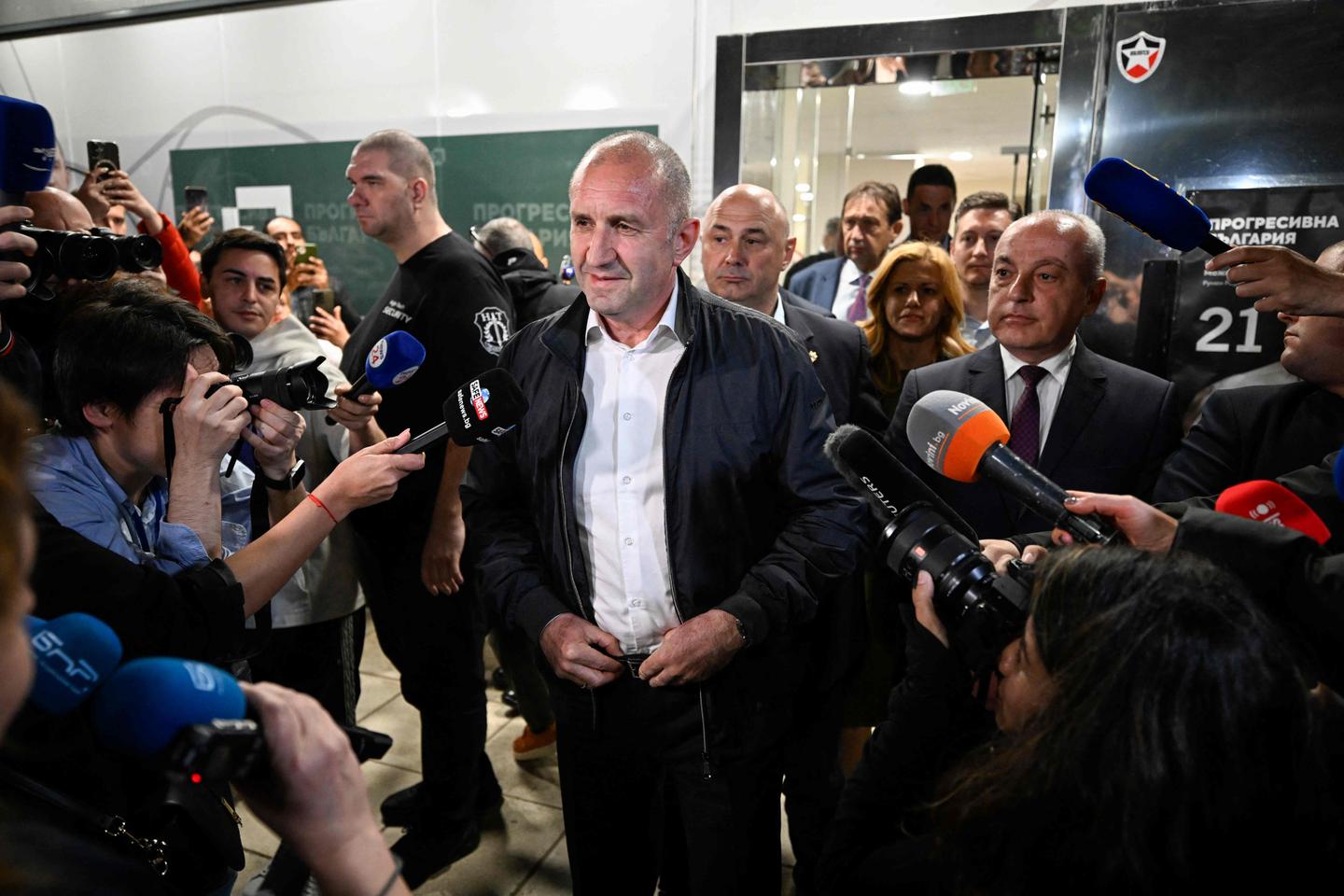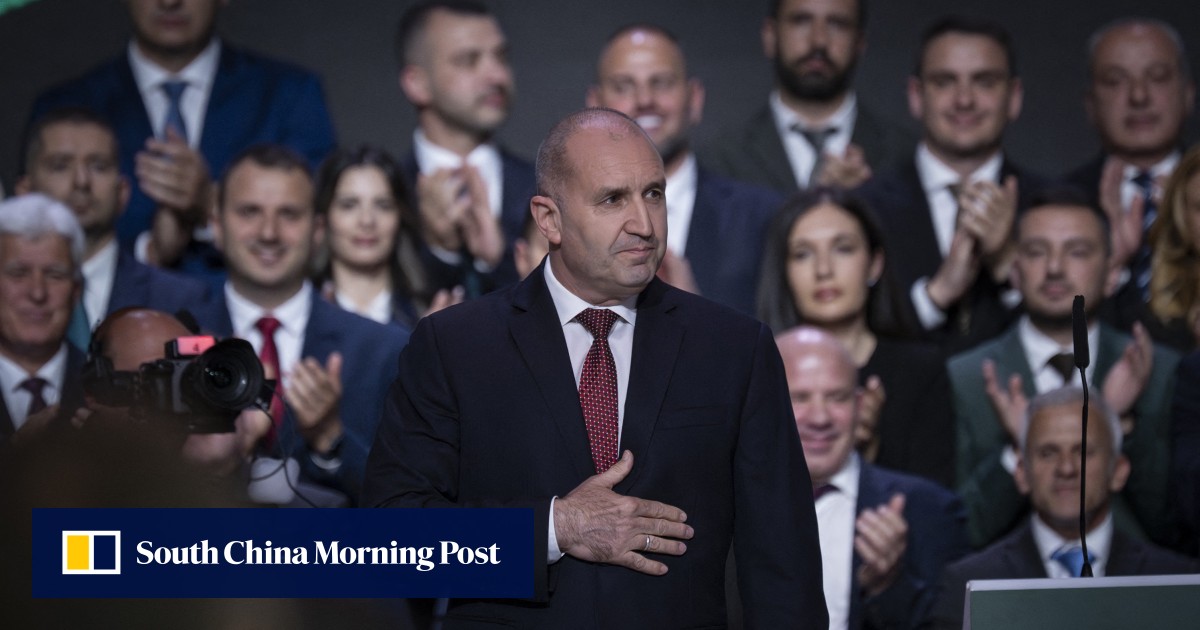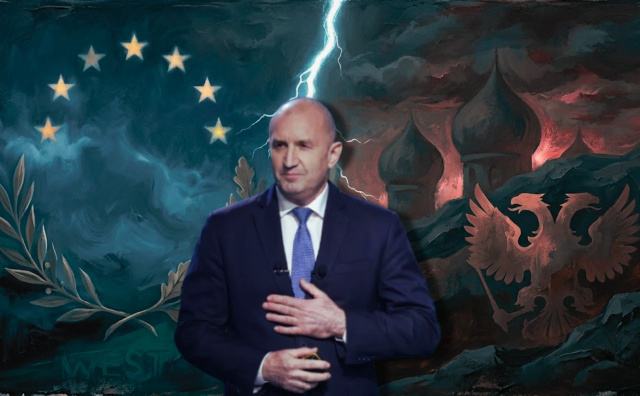
Rumen Radev's landslide victory in April delivered Bulgaria its first single-party majority government in years. Western media immediately started drawing parallels to Viktor Orban, labeling Radev as Putin's potential "Trojan horse" in the EU. The Financial Times and Washington Post ran pieces suggesting Bulgaria would become the Kremlin's new best friend in Brussels after Orban's defeat in Hungary. But the reality is messier than these headlines suggest.
Further reading: Bulgaria Already Has an Orban - Radev Could Be Its Magyar
Russia certainly likes what it hears. Maria Zakharova praised Radev's "balanced approach to key international issues," and Dmitry Peskov said Moscow appreciated his "readiness to solve problems through pragmatic dialogue." But appreciation from the Kremlin doesn't automatically translate into a foreign policy realignment, especially for a country as embedded in European structures as Bulgaria.
The new Foreign Minister, Velislava Petrova-Chamova, set a different tone during her swearing-in. She emphasized that Progressive Bulgaria received a clear mandate to govern and promised Bulgaria's foreign policy would have "a clear direction" within its alliances. That doesn't sound like someone preparing to blow up EU consensus or cozy up to Moscow in any dramatic way.