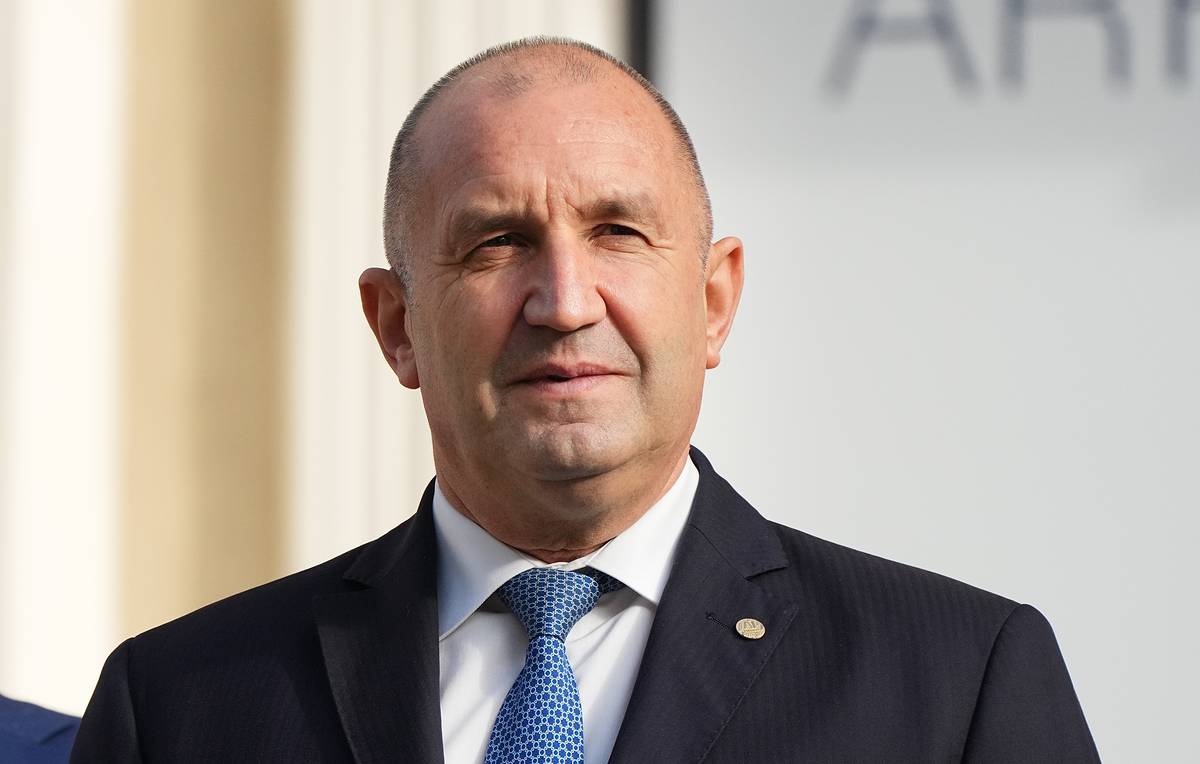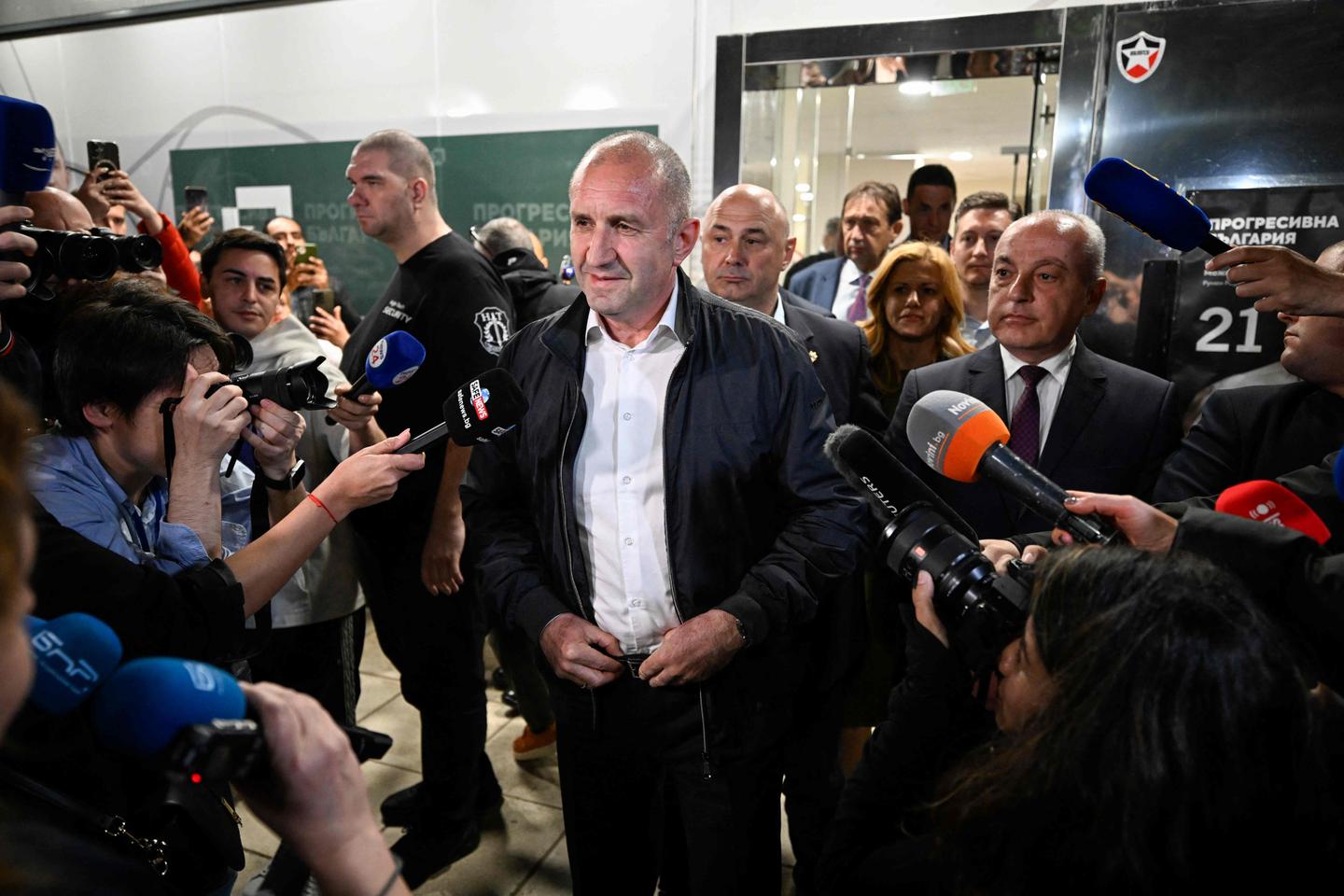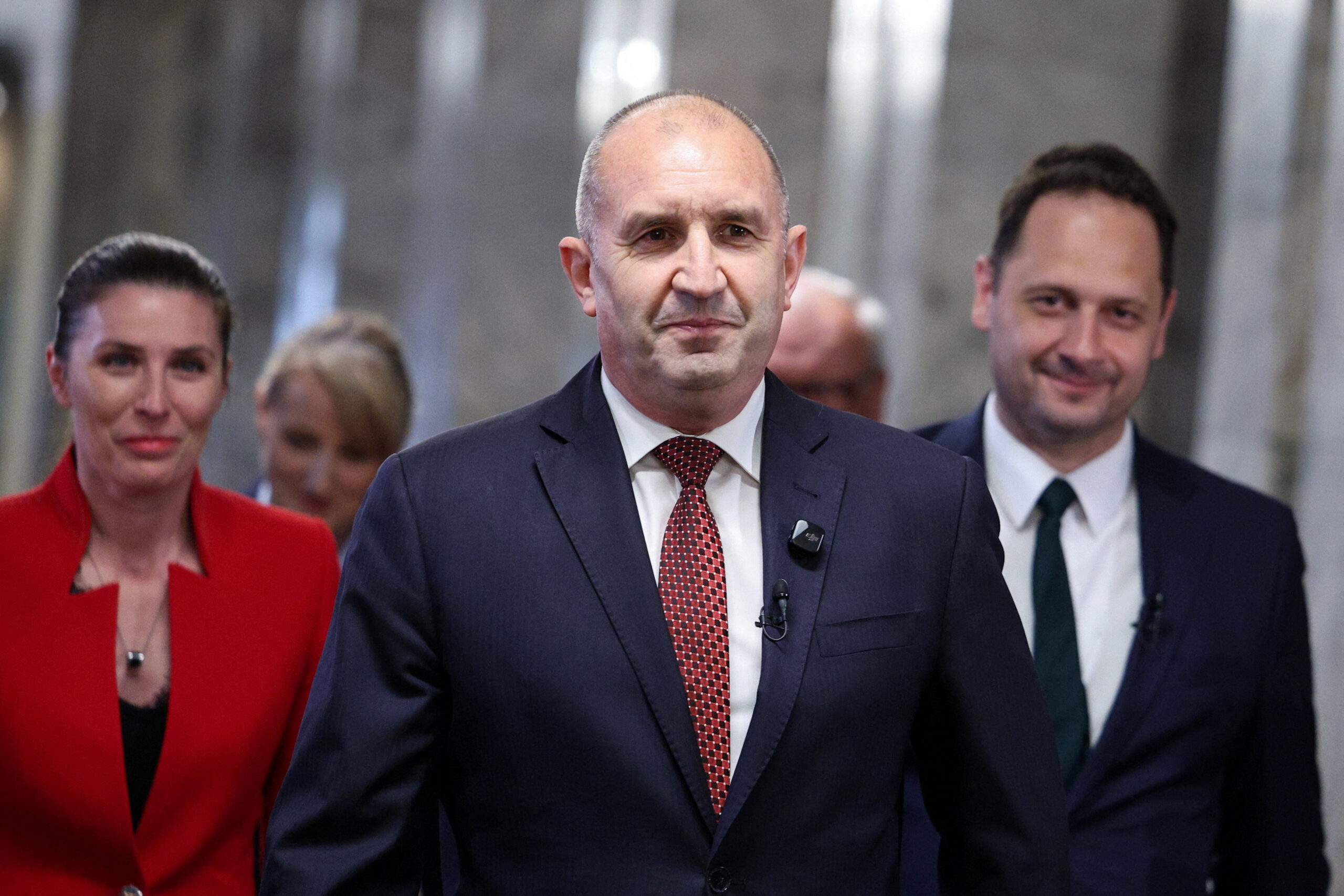
In early May, former Bulgarian president Rumen Radev was appointed as the country’s new prime minister, potentially bringing one of Europe’s longest-running political crises in recent years to an end.
Since 2021, Bulgaria has endured a prolonged period of political instability marked by fragmented parliaments, collapsing coalitions, caretaker governments, and repeated elections. The crisis culminated in the eighth parliamentary election in under five years on April 19, which delivered the first outright majority for a single political party since 1997.
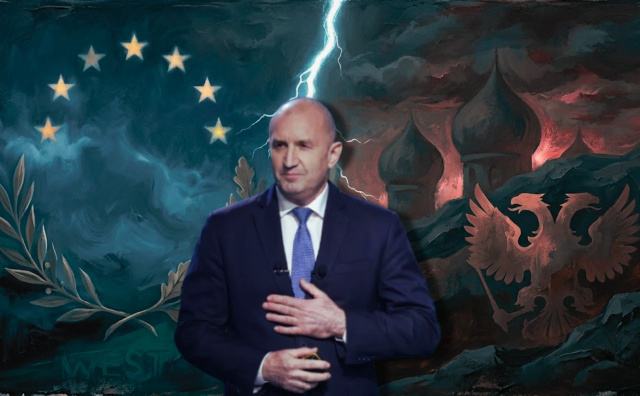
Radev’s recently formed Progressive Bulgaria party is the result of complicated domestic political dynamics arising from institutional paralysis, rather than any firm ideological commitment to illiberalism. Nevertheless, some observers have speculated that following the recent electoral defeat of Hungary’s long-serving pro-Kremlin PM Viktor Orban, Bulgaria under Radev could now take on the role of Putin proxy within the European Union.
These concerns are rooted in the fact that throughout the full-scale Russian invasion of Ukraine, Radev has advocated for a more cautious and pragmatic European approach toward Moscow. He has consistently opposed sending military aid to Kyiv, and has criticized aspects of EU sanctions policy. Inevitably, Radev’s stance has been compared to Orban’s position on the Russia-Ukraine War. However, these comparisons become far less convincing when viewed in the context of Bulgaria’s internal political dynamics.