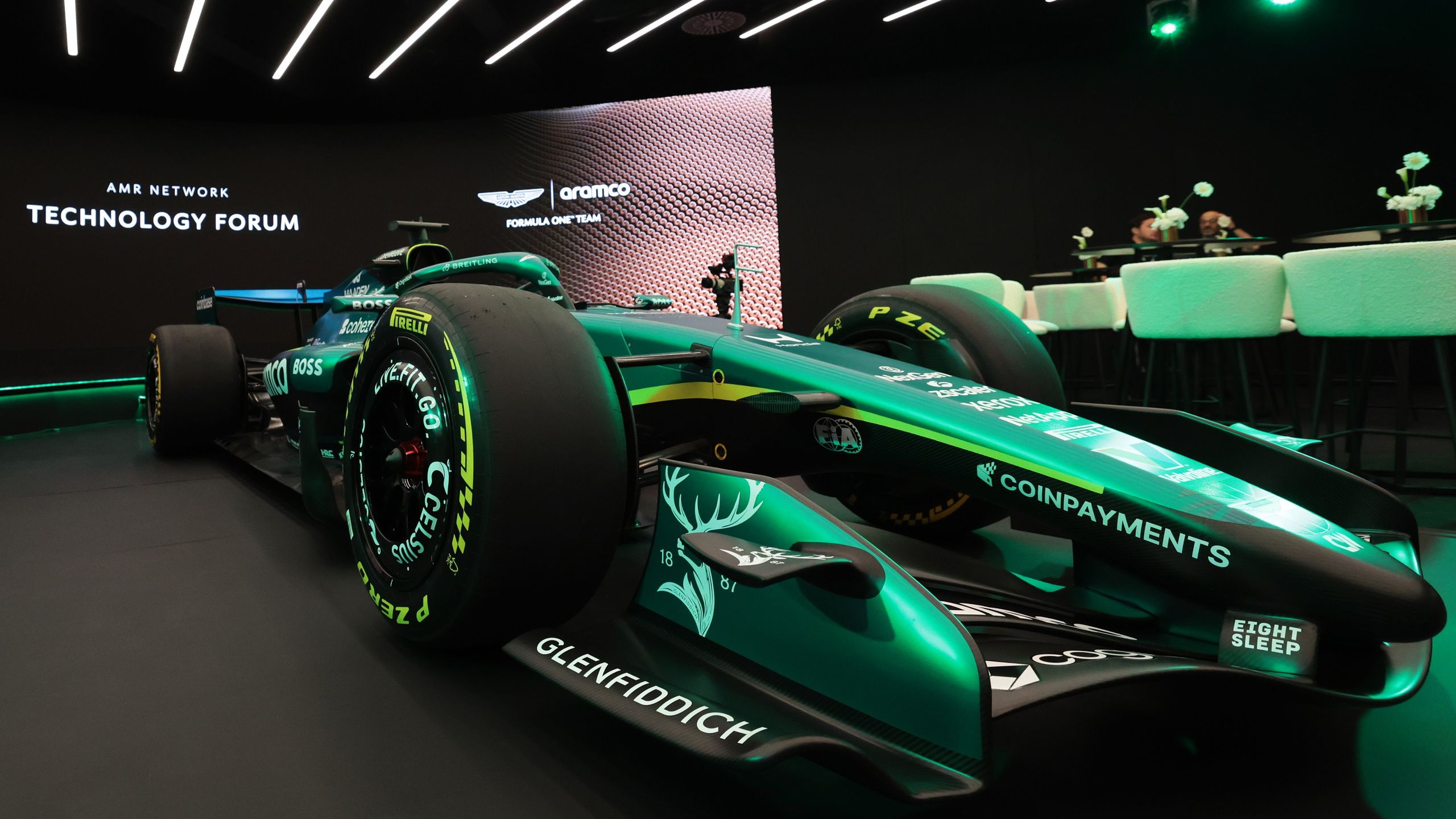
(Image credit: Aston Martin Aramco)
“The problem of Formula 1 is that on TV, they show 0.5% of what the real race is,” Fabrizio Pilotti, Chief Innovation Officer for Aston Martin F1, tells me. We hear a lot about AI being used by F1 teams, but very rarely notice it — engrossed by the on-track drama and the superhuman feats of overtaking a competitor by millimeters, and changing tyres on a car in under two seconds.So, if you’re sitting down to watch the British Grand Prix this weekend (I will be with my Dad), I spoke to both Pilotti and Commercial Technology Ambassador, Eric Ernst, about the clearest uses of AI you’ll see at an F1 race weekend. Because as he says: “it would be very hard to find a process on a race weekend that AI hasn’t touched.”Here’s what I found out during the team’s inaugural AMR Network Technology Forum.How F1 teams use AI
(Image credit: William West/AFP via Getty Images)First, let’s give you some context — AI (and especially agentic AI) is present all over the grid in every single team. And it’s good to understand the two different types of AI and how they interact with each other:Machine Learning: This is the kind that can absorb massive amounts of data, find patterns and provide advice.Generative AI: This is the bit that can take that data and create something from it — be it creative writing, code for apps, or (more important to F1) make strategic decisions.And on your average race day, an F1 team can be digesting roughly 50 petabytes of data. Whether it’s on-track information, stats from the 250 sensors on the car, information from your team (and competing team) radios or more, it’s clear having AI to sift through all of that at warp speed gives you a competitive edge.So for example, machine learning could take a look at lap times during a practice. If you hear a driver’s engineer talk about what corners he could be faster in, there’s a high likelihood AI is crunching the data. “It’s based on statistics and patterns, and the car changes its weight every lap,” Ernst explains.