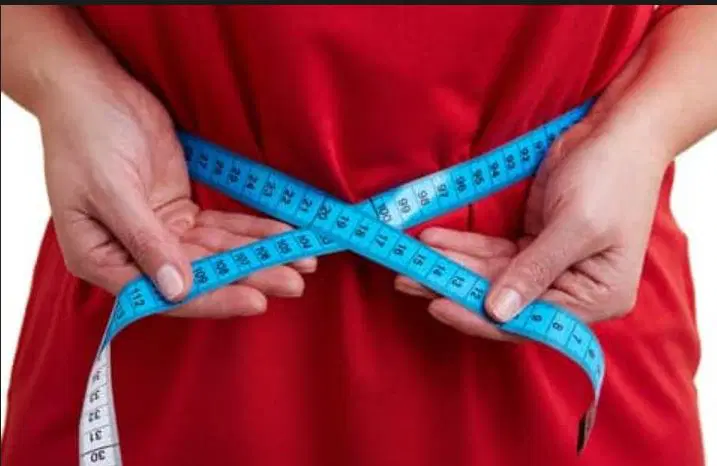
“Ah, you’ve added weight!” “Your stomach is too big.” “You look like a bag of beans.”
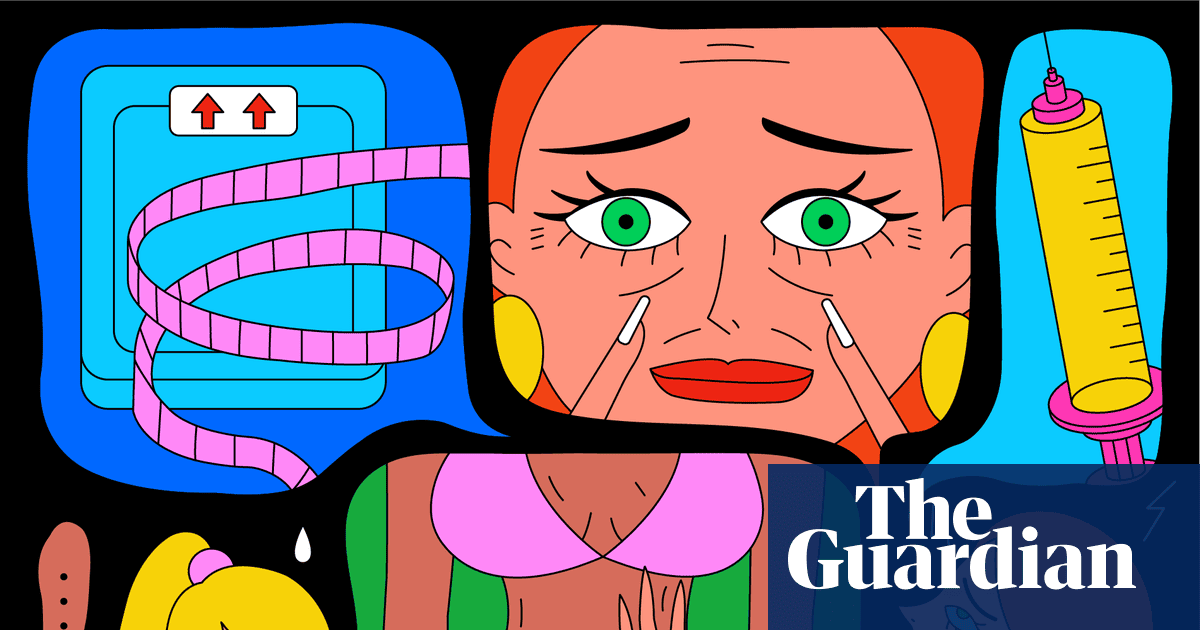
For many Nigerians, these comments are so common that they hardly raise an eyebrow. They are often delivered with laughter, disguised as concern, or presented as harmless jokes. Yet, behind these seemingly innocent remarks lies a troubling culture of body shaming that continues to damage self-esteem, mental health and relationships.
In Nigeria, body shaming has become deeply ingrained in everyday interactions, especially within families. Family gatherings, which should be safe spaces filled with love and acceptance, often turn into platforms for unsolicited comments about people’s bodies. It is almost impossible to attend a wedding, burial, Christmas celebration or family reunion without someone commenting on another person’s weight.
One family member is often singled out and made the butt of jokes. Some relatives cannot greet you without first commenting on your appearance: “You’ve become too fat,” “You’ve become too slim,” or “What happened to your body?” Sadly, even those who dislike such remarks often repeat them to others, perpetuating a cycle of emotional harm.
The problem extends beyond the family setting. In workplaces across Nigeria and among Nigerians living abroad, comments about body size are commonplace. Many Nigerians working overseas have found themselves in uncomfortable situations because remarks considered normal back home are viewed as offensive and discriminatory elsewhere. Some have even faced disciplinary action at work after repeatedly making comments about colleagues’ bodies.