Here’s a sentence you probably didn’t expect to read today: a Canadian soccer league might be running the most interesting rules experiment in professional sports right now. And its latest data drop has implications that stretch far beyond the pitch.
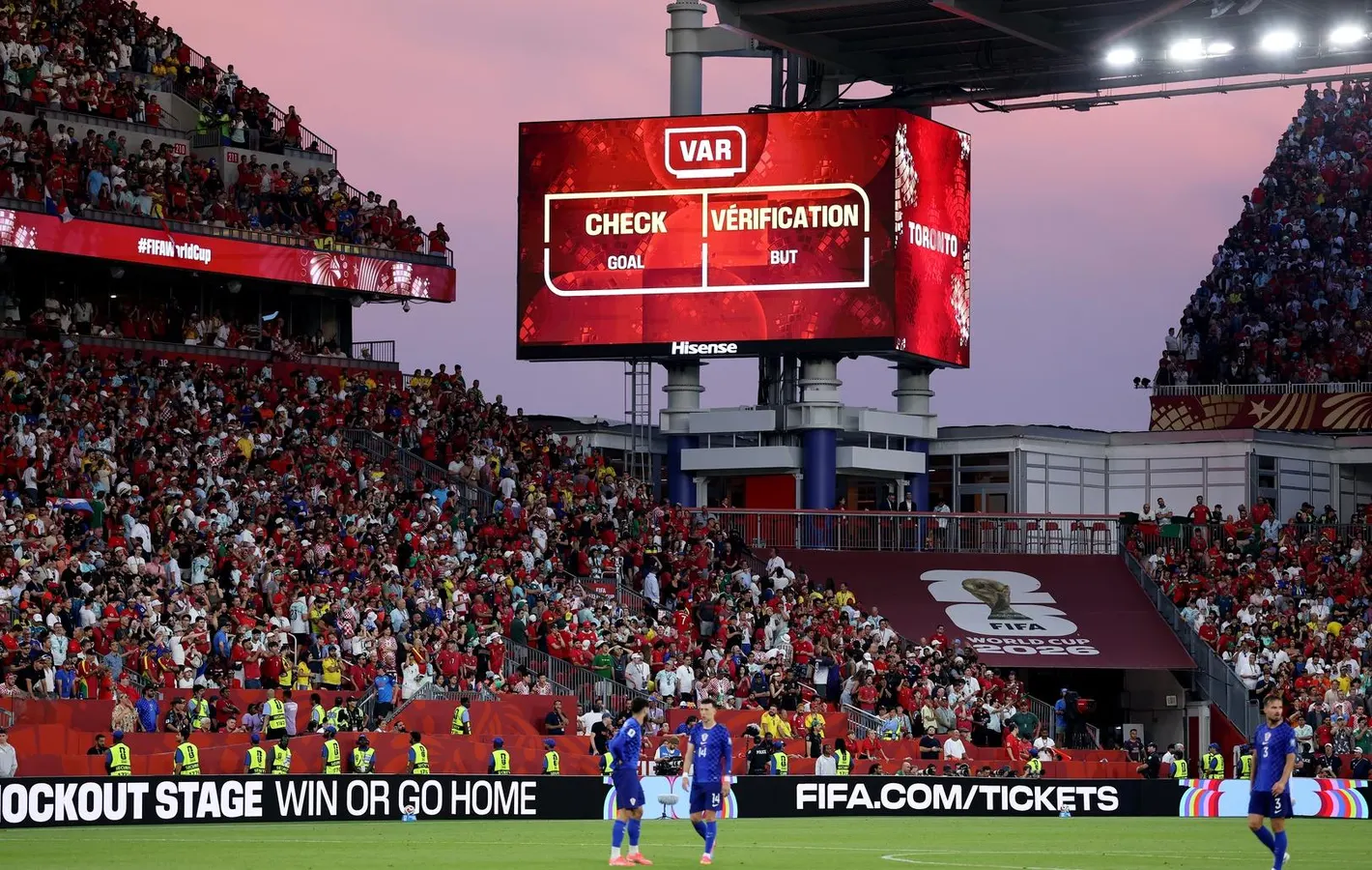
The Canadian Premier League revealed on July 3 that 17 goals disallowed for offside during the 2026 FIFA World Cup would have counted under its “daylight” offside trial. Seventeen goals. In a tournament where a single goal can swing billions in betting markets, broadcasting narratives, and national team valuations, that number is hard to ignore.
What the daylight rule actually changes
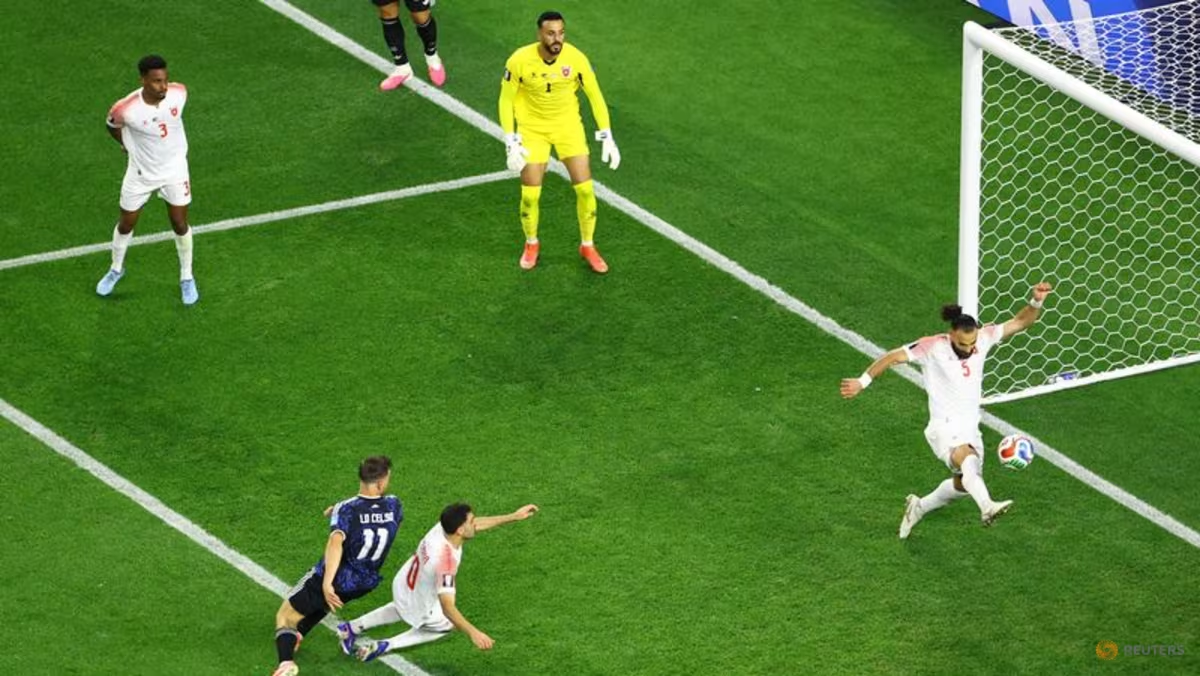
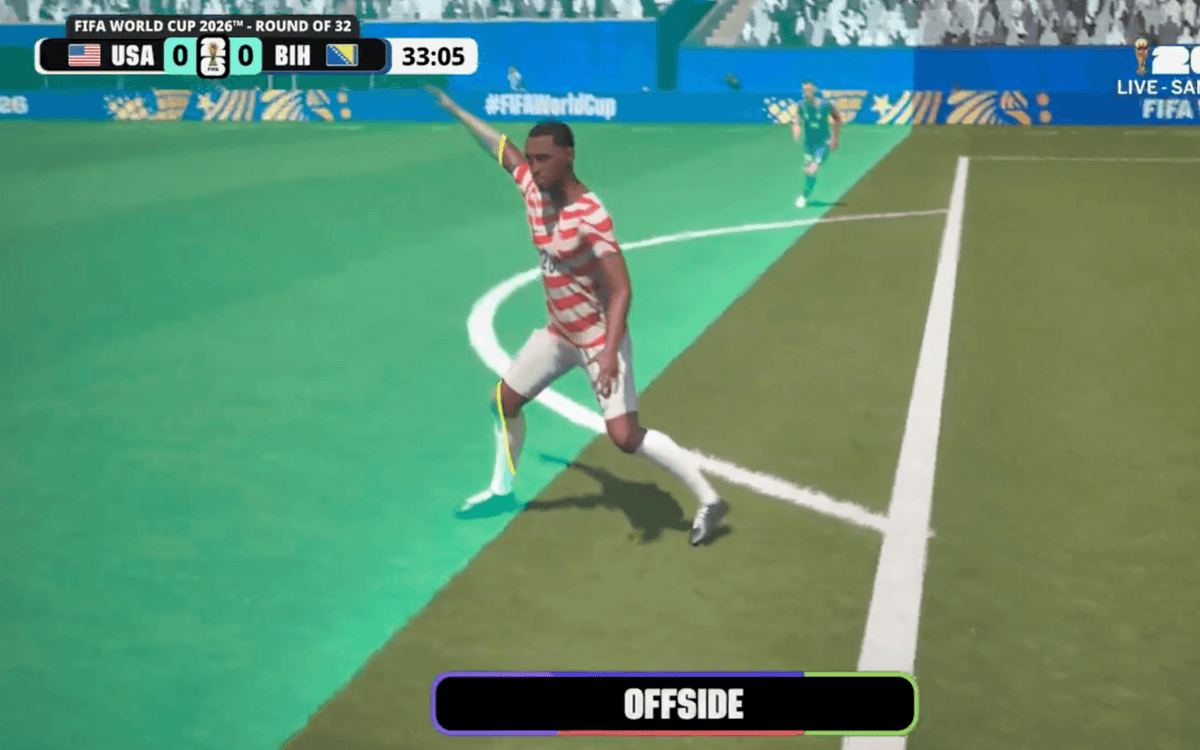
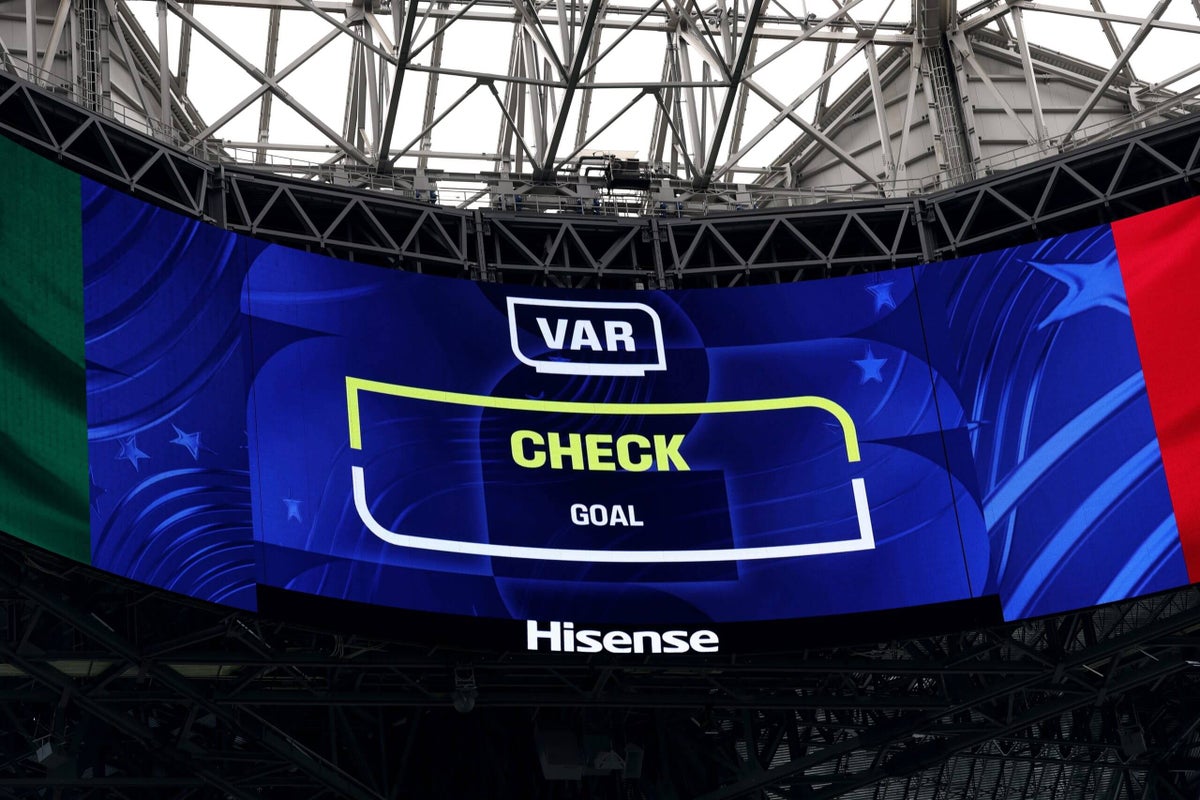
Traditional offside is ruthless. If your toe, knee, or shoulder is a centimeter past the second-last defender when the ball is played, you’re off. VAR has made these calls more accurate but also more infuriating, with goals getting wiped out by margins invisible to the naked eye.
The daylight rule flips the benefit of the doubt. Under the CPL’s trial, a player is onside as long as any scoring-legal part of their body (everything except hands and arms) is not wholly past the second-last opponent. If there’s no visible gap, no clear “daylight” between attacker and defender, the goal stands.