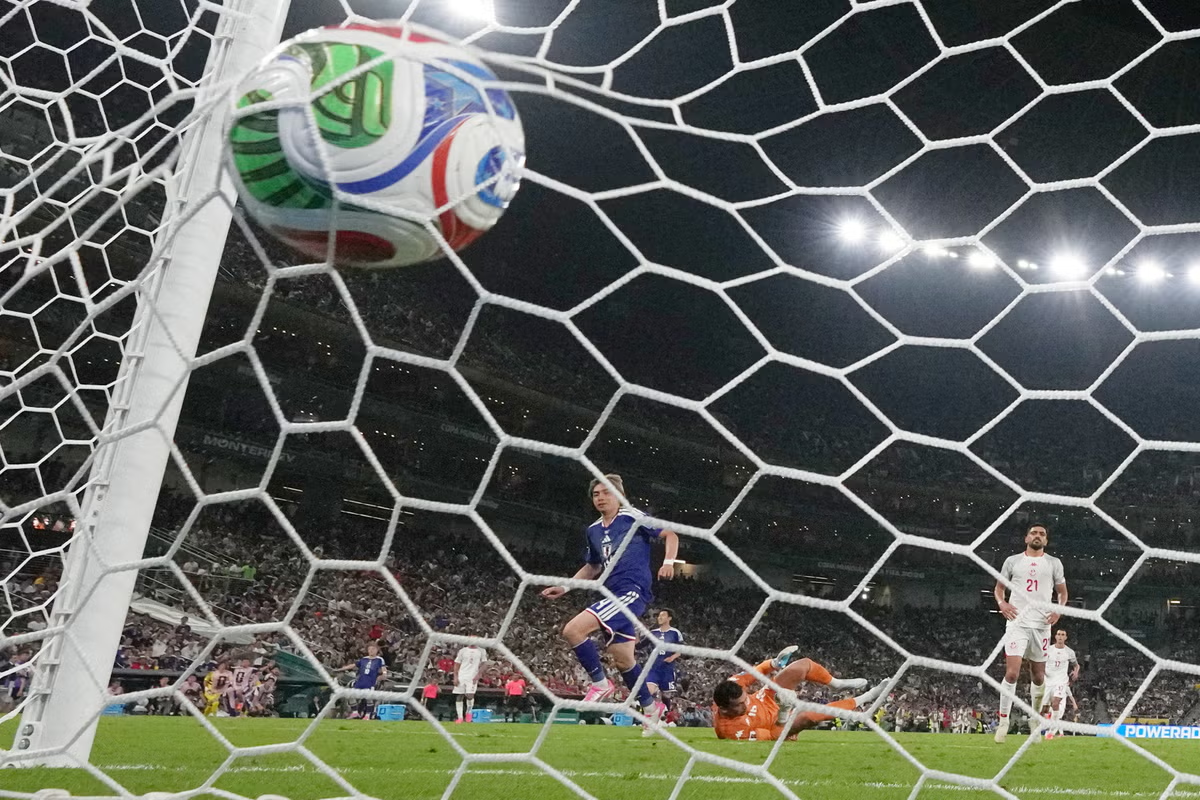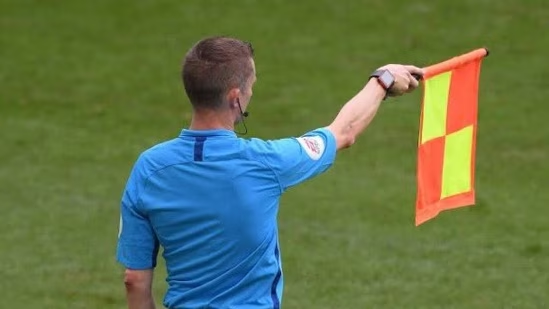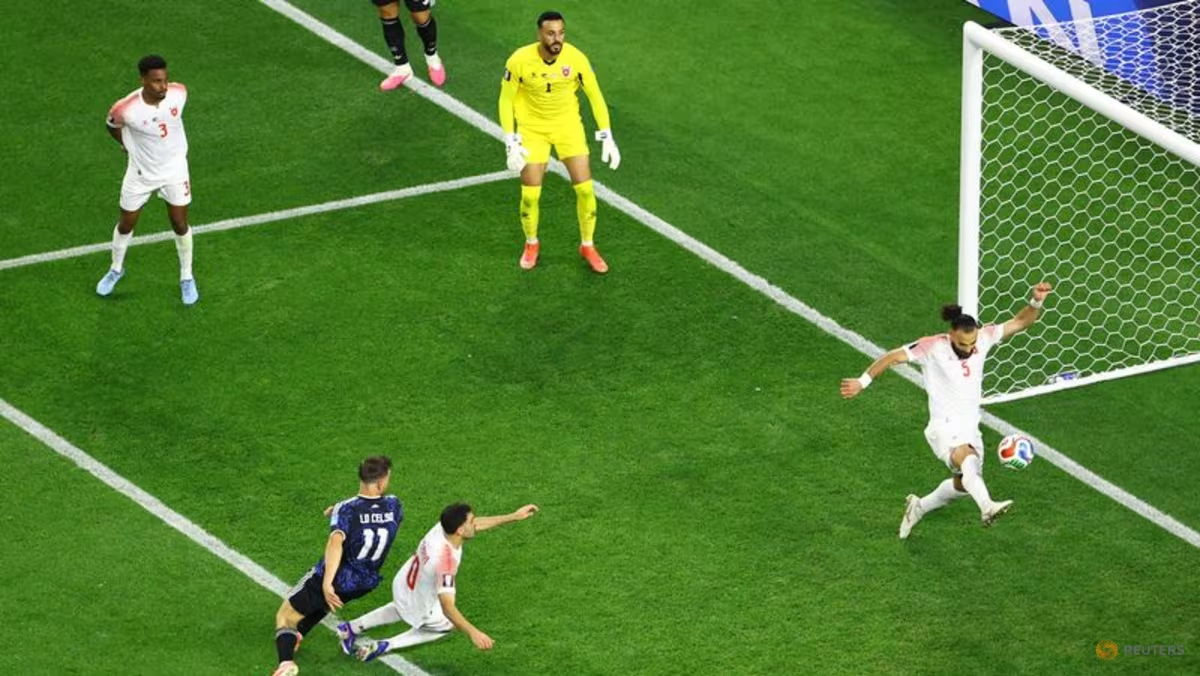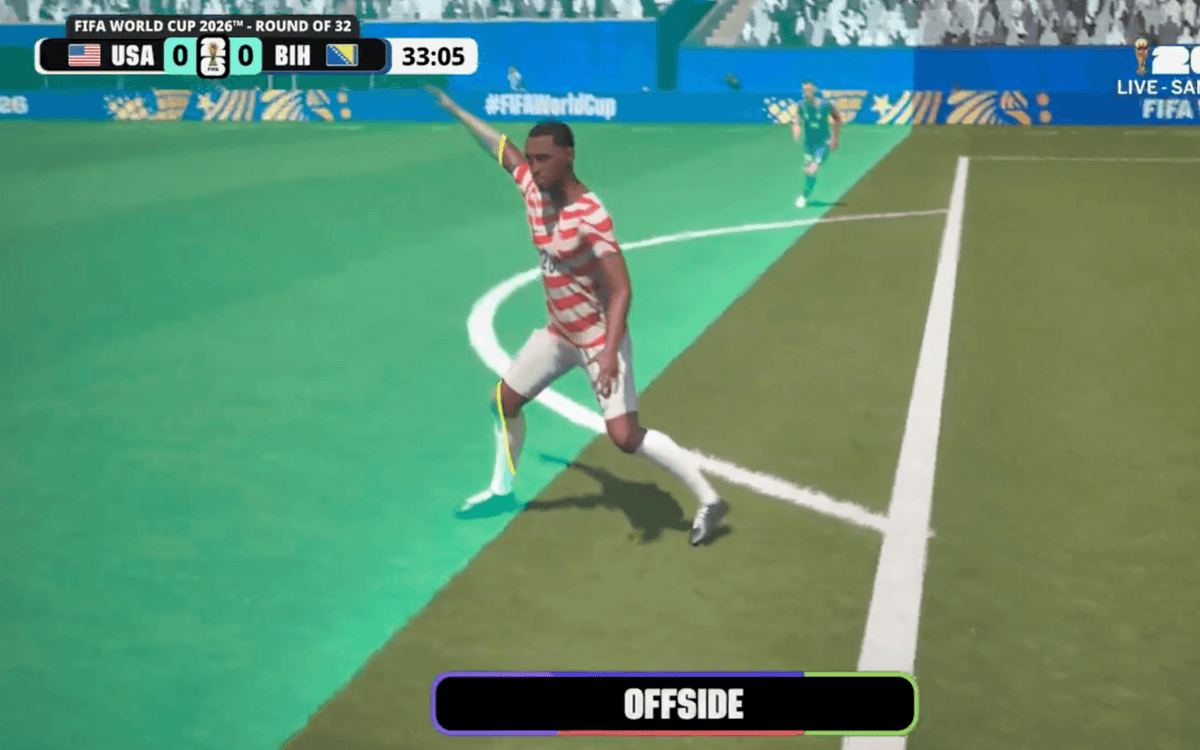
The fundamental premise of offside was simple when the concept was conceived, but the law governing its modern application has 45 clauses and runs to more than 1,000 words.Such complexity has been driven by a desire to allow more goals to stand, yet the same lawmakers have allowed the introduction of video technology that has had the opposite effect.No, I don’t understand that contradiction either.Offside was brought in to stop ‘goal hanging’ in the sport’s early years, which had created the unedifying spectacle of players perpetually crowding the goalkeeper.Here are the basic ground rules. An attacking player is in an offside position if any part of their body — other than their hands and arms — is in their opponents’ half of the field and they are nearer the opposition goal line than both the ball and at least two defenders (one of these is usually the goalkeeper).This image from the 2022 World Cup final shows an Argentina player being offside because there are not two France players between him and the goalNo one can be offside directly from a goal kick, throw-in or corner, so the decision-making process starts whenever the ball is played by an attacker during open play or directly from a free kick.Morocco have a goal ruled out for offside at the 2022 World Cup. There is only one Belgium player (‘keeper Thibaut Courtois) between Morocco’s Romain Saiss (No 6, white shirt) and the goal (Ryan Pierse/Getty Images)At this point, the assistant referee (the official on the sideline of the pitch) takes a picture in their head of the position of all the other attacking players, and notes if any were in an offside position.
What is offside and how does it work at the World Cup
The law governing its modern application has 45 clauses and runs to more than 1,000 words. A former Premier League referee explains all
536 words~2 min read