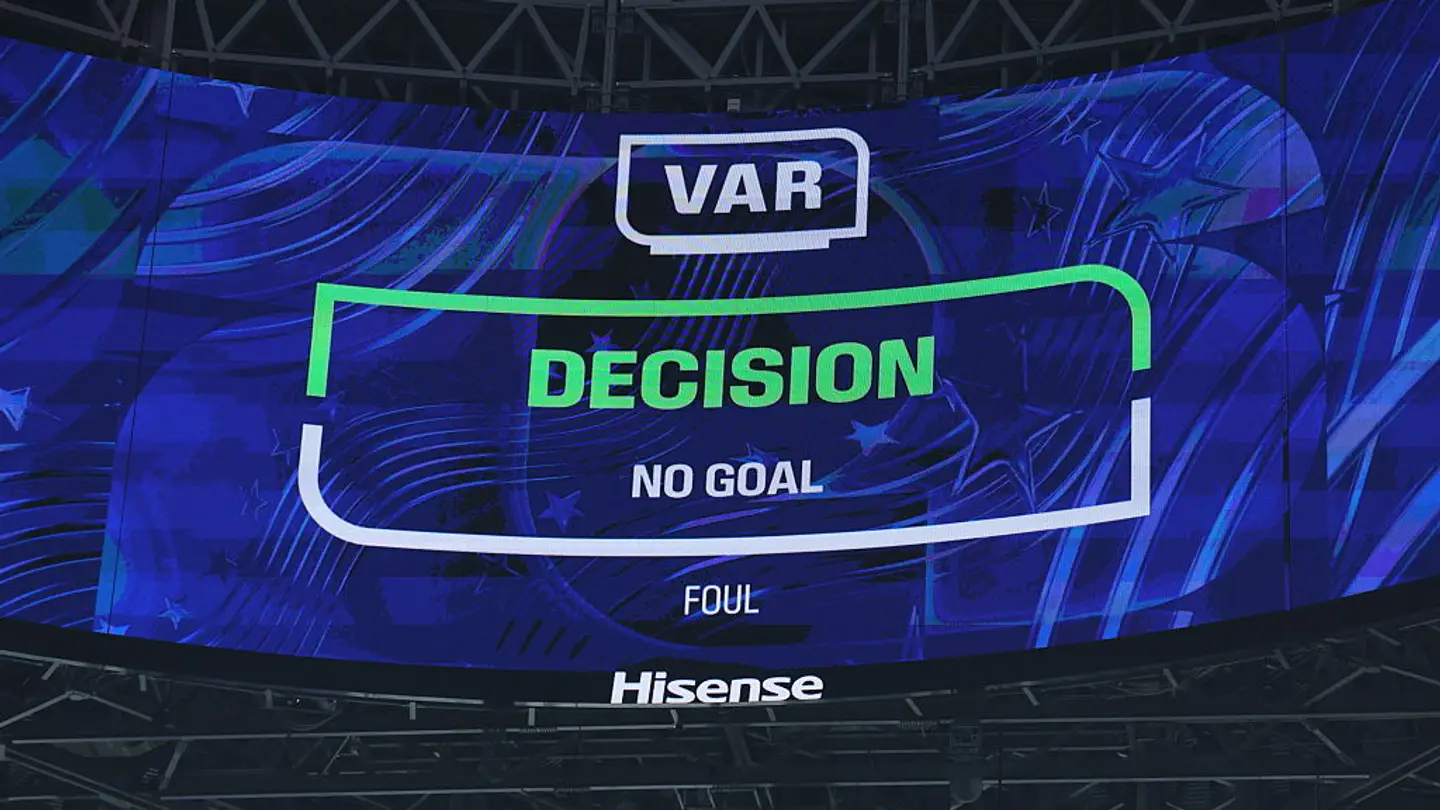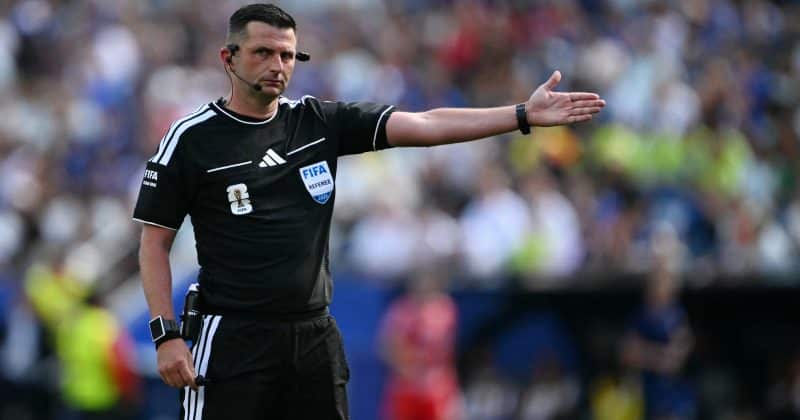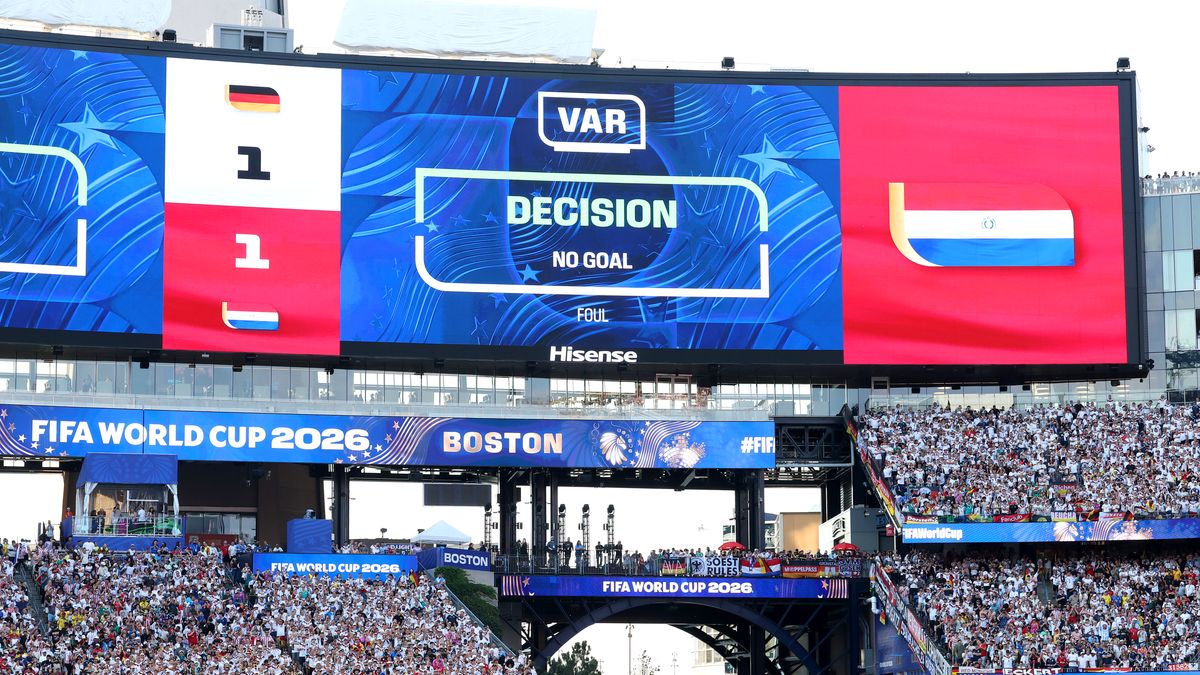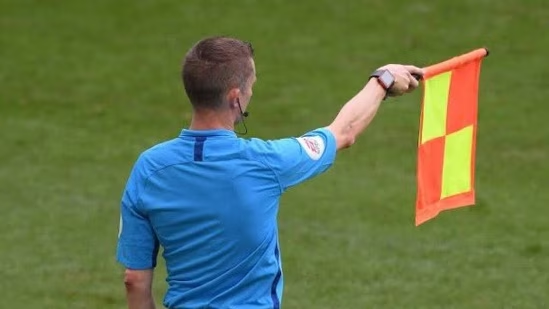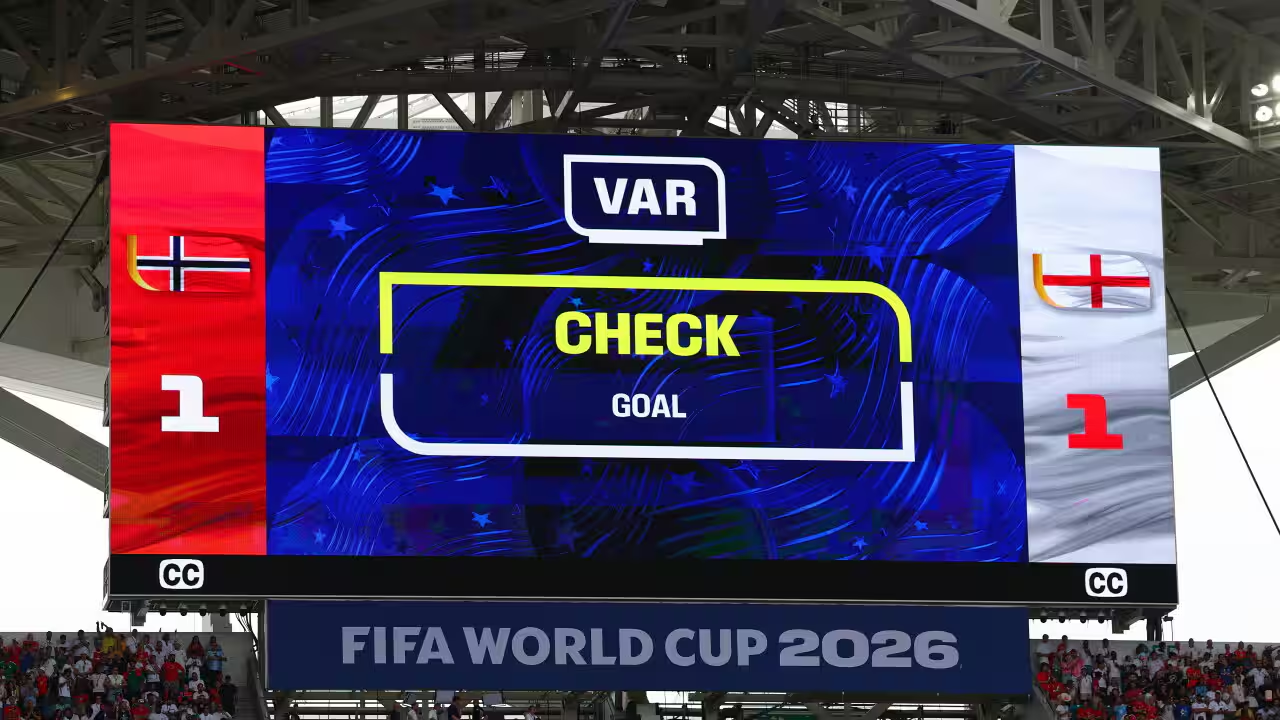
Offside calls generating controversy in football is nothing new.There has always been debate over whether an assistant referee’s flag has been correctly raised — or incorrectly not raised — and while the advent of new technology has allowed for far greater precision in decision-making, that has not stopped the arguments.Much of the debate at this summer’s World Cup has revolved around the tightness of the decisions being made, and whether the spirit of the game is being upheld with desperately tight offside calls which would barely have generated a slight grumble in the past.Here, The Athletic explains how we got here, why there has been so much noise around offsides and how things could change in the future.What is offside and why does it exist?A law as old as football itself.Long before the World Cup was even a pipedream and when the sport remained almost entirely provincial, offside was included in the English Football Association’s first draft of the laws in 1863 as an attempt to stop attackers from hanging around the goal to gain an obvious advantage.As outlined here by our refereeing expert Graham Scott, an attacking player is in an offside position if any part of their body — other than their hands and arms (which cannot be used to score) — is in their opponents’ half of the field and they are nearer the opposition goal line than both the ball and at least two defenders (one of whom is usually the goalkeeper).
Why is offside proving controversial at the World Cup, and is anything changing?
Explaining the controversies which have hung over this World Cup and how one of football's most debated laws may be changing
1,561 words~7 min read