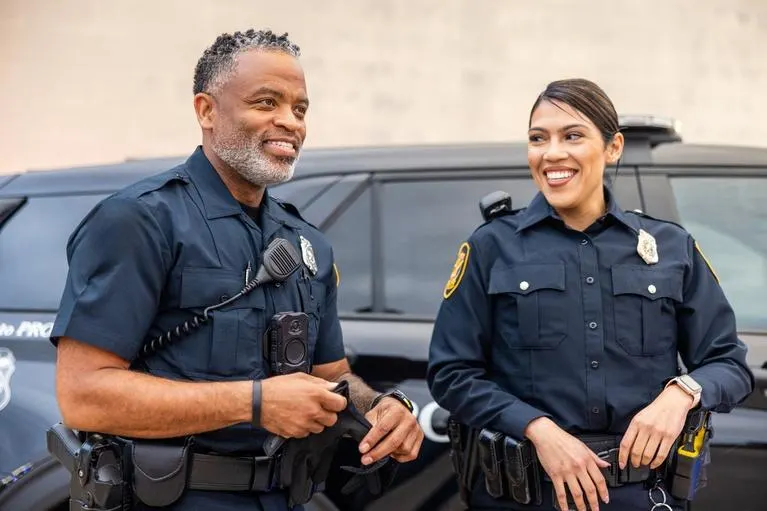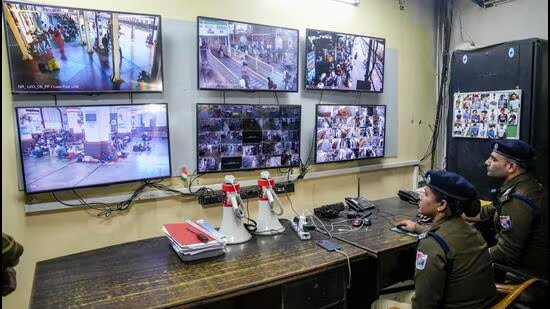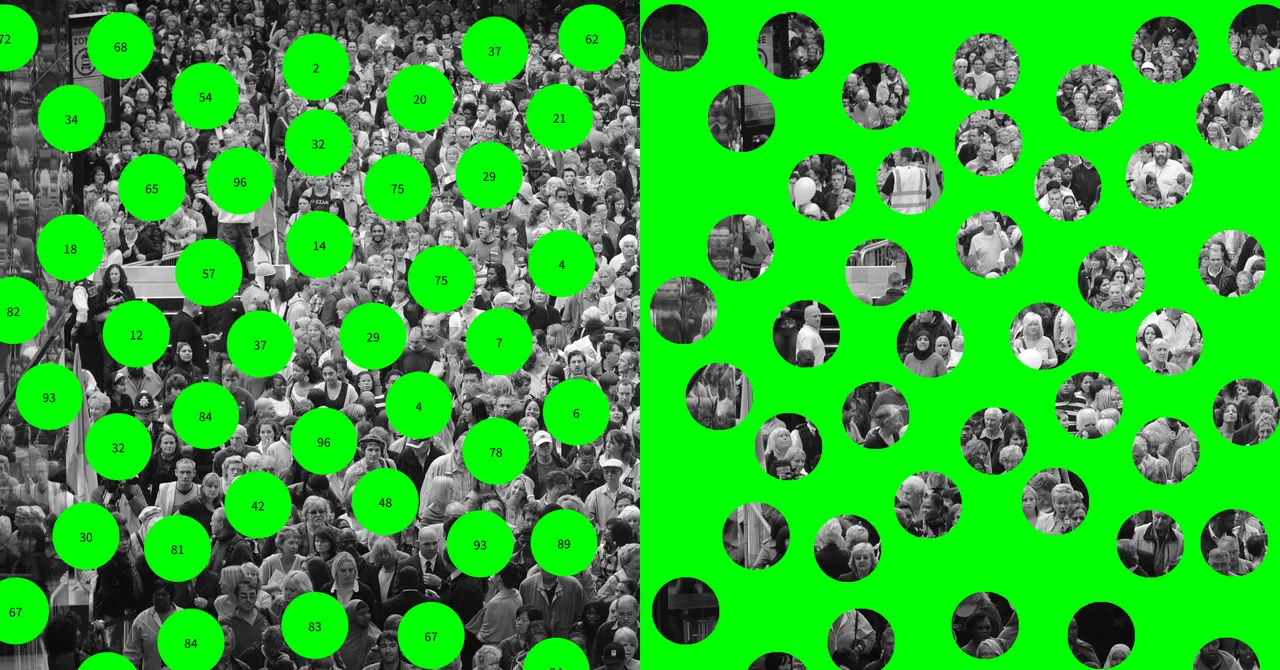
SynopsisLaw enforcement agencies around the globe are increasingly turning to artificial intelligence for crime prevention, attempting to incorporate predictive analytics reminiscent of science fiction narratives. However, the presence of algorithmic biases and the risk of errors, such as racial profiling, raise serious concerns.Tech-driven insights + cop experience isPolice work relies heavily on instinct, shaped by years of experience in the field, working in rapidly changing situations with incomplete information. Officers acquire the ability to distinguish material factors affecting a case from immaterial ones. They learn to trust and mistrust at the same time. This talent comes in handy when they work with AI agents. Police forces across the world are incorporating technology to suppress crime. Some of these projects have sci-fi ambitions like precognition - the ability to predict a crime before it takes place - as depicted in Philip K Dick's 1956 novella Minority Report, on which Steven Spielberg based his 2002 film with the same name. AI has, indeed, the capability to predict crime. Yet, it's imperfect.Uncritical use of AI in law enforcement has been found wanting on numerous occasions. AI suffers from biases in the data it trains on. It could, for instance, suggest that fans of a football team be allowed or denied stadium entry. And it could be wrong. Or, it could come up with misleading predictions of repeat offending based on racial profiling. These errors have immense human costs that police manuals need to address. The chase for better crime statistics could lead to the disorganised implementation of AI, risking the eventual benefits of the technology in law enforcement. This applies especially to under-policed jurisdictions that may be tempted to use AI as a crutch, not as a partner.Few areas are as sensitive to ethical development of AI as police work. But police officers don't know which aspects of AI can be trusted entirely. They must become familiar with digital assistants before they can rely on predictive algorithms. The good AI cop and bad AI cop will have to differentiate themselves before guidelines can be put in place. AI does improve decision-making. But it also amplifies mistakes. The road ahead should combine the operational experience of police officers with AI-driven insights. Governments will allow AI policing once it has proved itself. ...moreElevate your knowledge and leadership skills at a cost cheaper than your daily tea.Subscribe Now
'Pre-crime' AIn't a policing option - The Economic Times
Law enforcement agencies around the globe are increasingly turning to artificial intelligence for crime prevention, attempting to incorporate predictive analytics reminiscent of science fiction narratives. However, the presence of algorithmic biases and the risk of errors, such as racial profiling, raise serious concerns.
392 words~2 min read