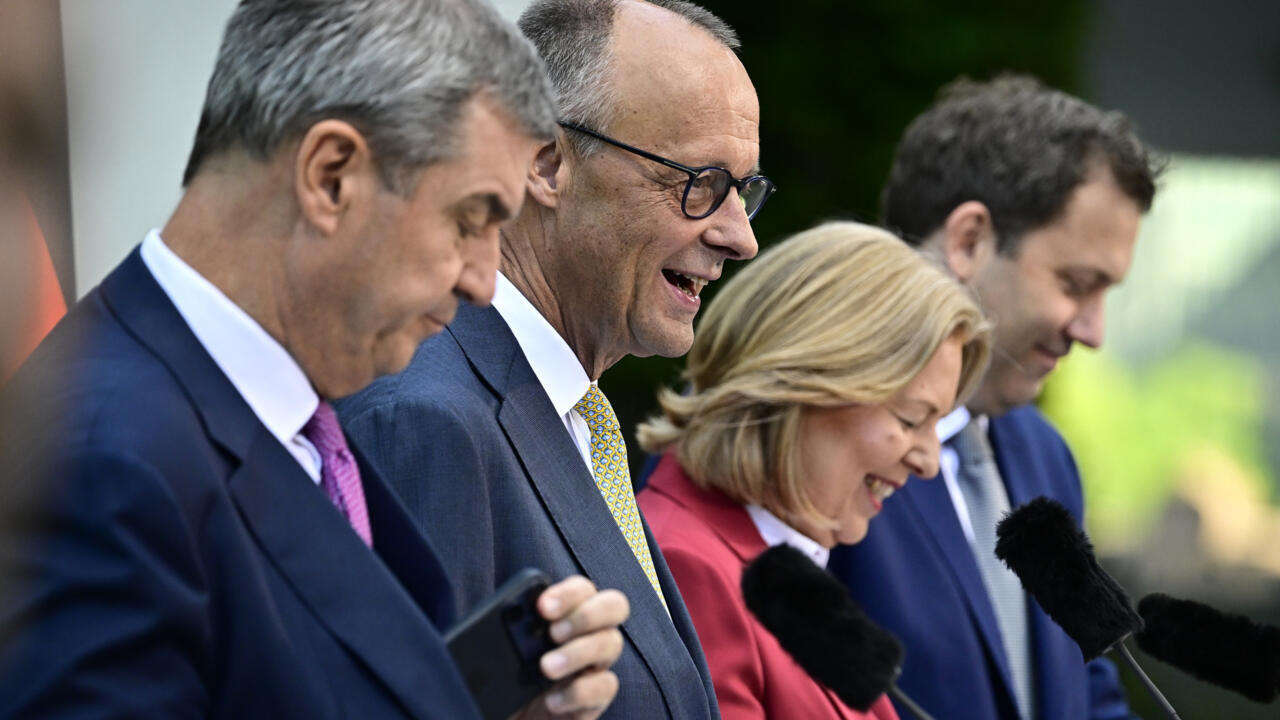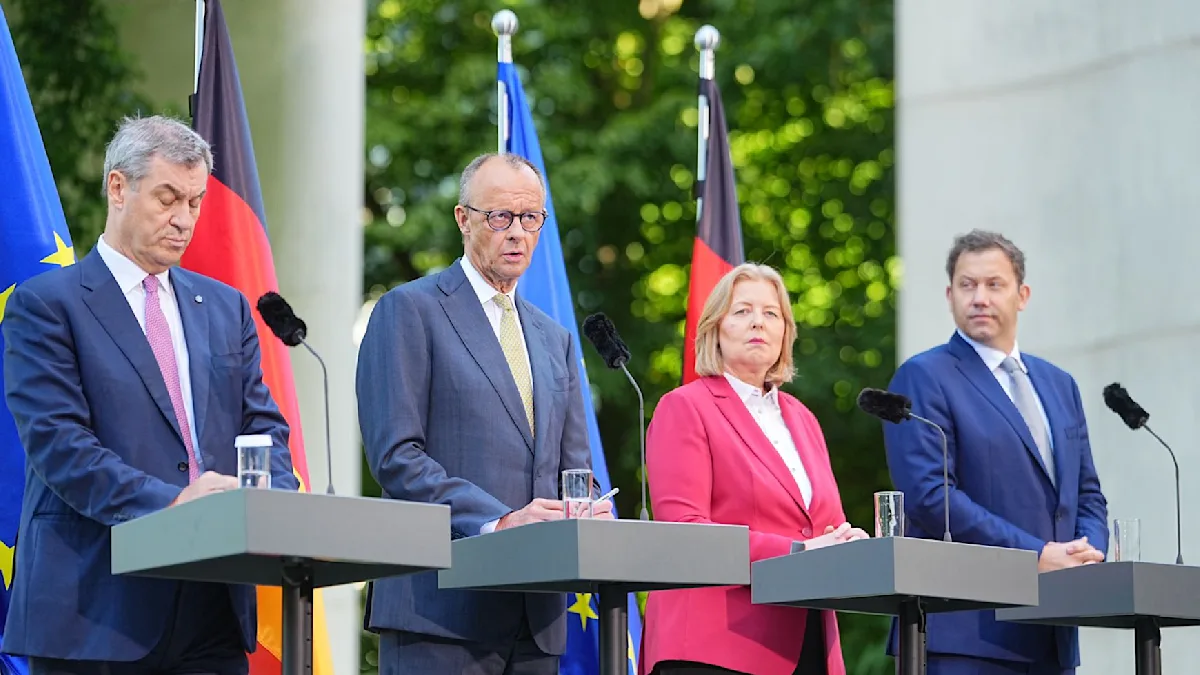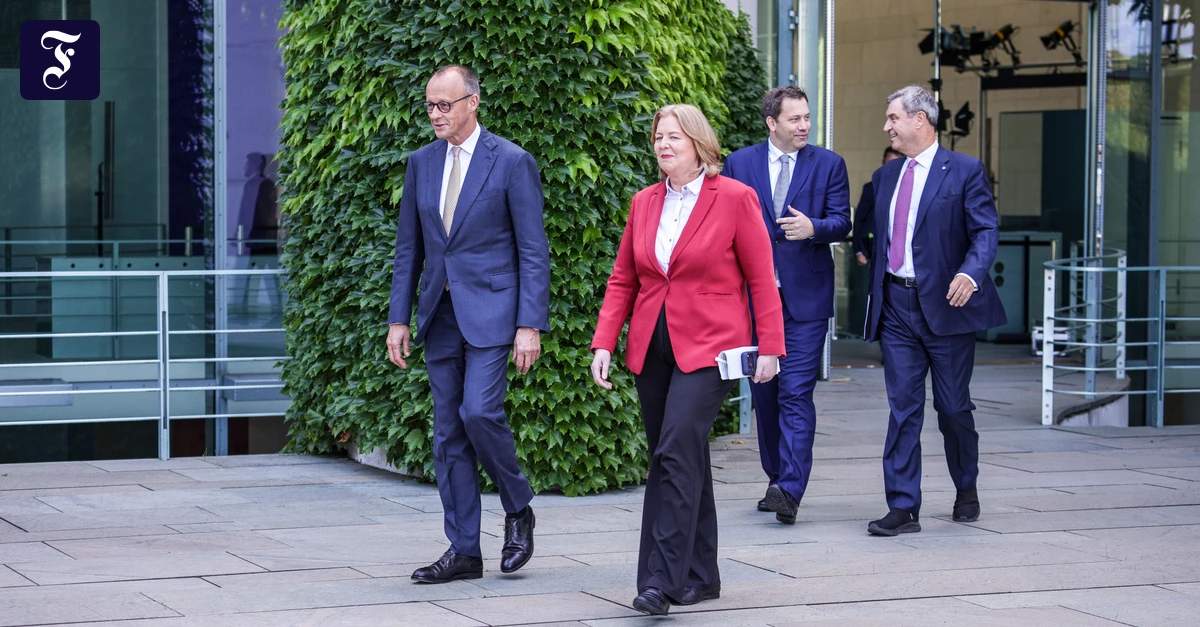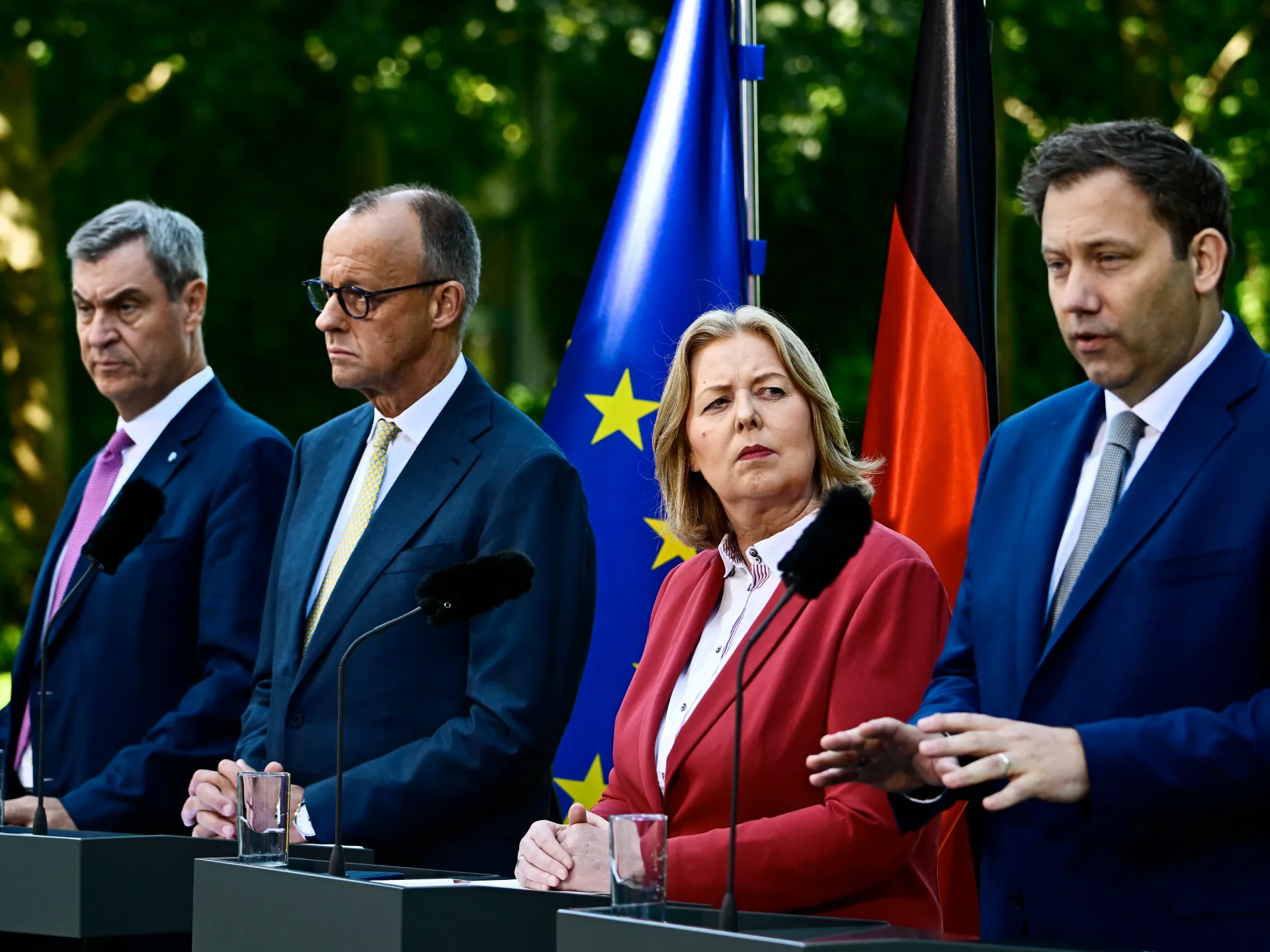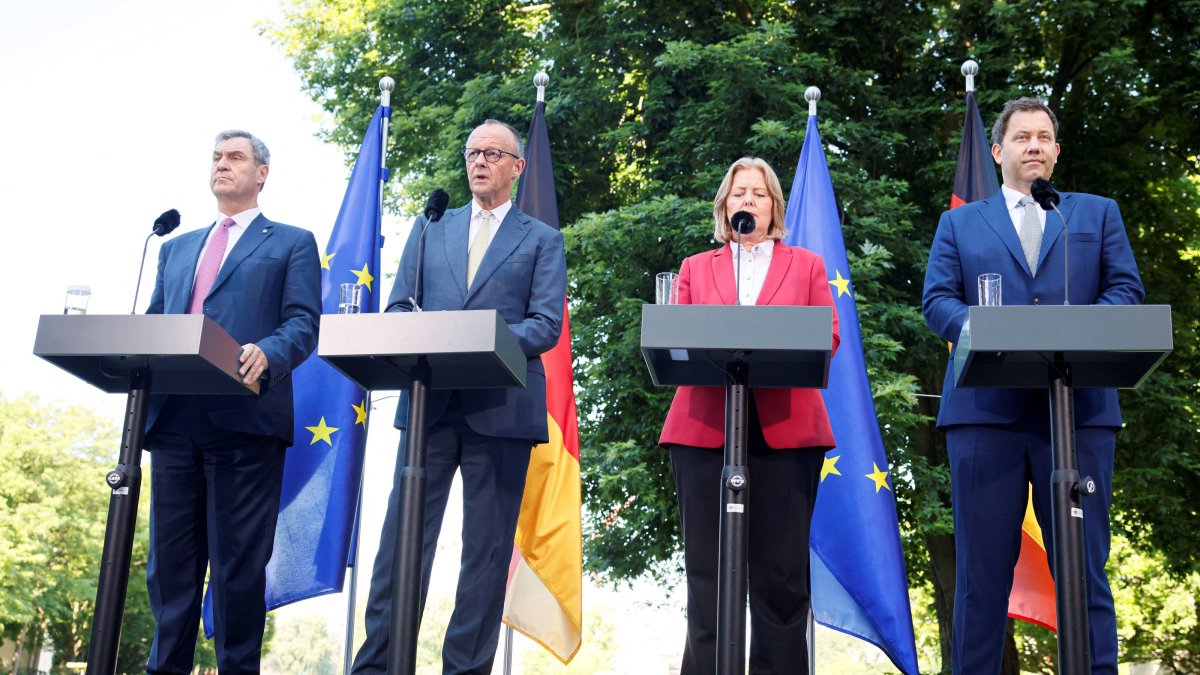
"See, we can get it done after all." That was the message the leaders of the three governing parties wanted to convey to the public on Thursday morning, July 2. It took seven hours of negotiations at the Chancellery for the leaders of the conservative Christian Democratic Union (CDU) and Christian Social Union (CSU) parties and the center-left Social Democrats (SPD) to arrive at their new 34-point reform package.
The reforms range from changes to the pension and healthcare systems to billions in tax cuts, reduced bureaucracy, and the liberalization of labor laws. The success of these reforms will matter not only to the health of the economy and the stability of the governing coalition, but also to the general mood in Germany.
German voters remain very concerned
In general, things have not been going well in Germany. After seven years, the economy remains in crisis and has yet to regain momentum. According to the latest Deutschlandtrend survey conducted for public broadcaster ARD, a good three-quarters of voters view this as a major problem. These findings are based on a survey of 1,317 eligible German voters conducted by the polling firm infratest dimap from June 29 to July 1.
Currently, one in four people in employment are worried about losing their jobs. Concerns about excessive immigration to Germany have eased slightly, although a narrow majority remains worried about "too many foreigners."