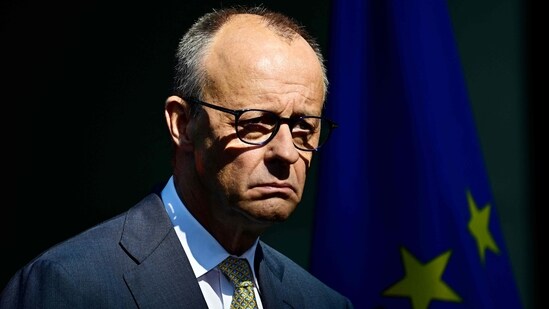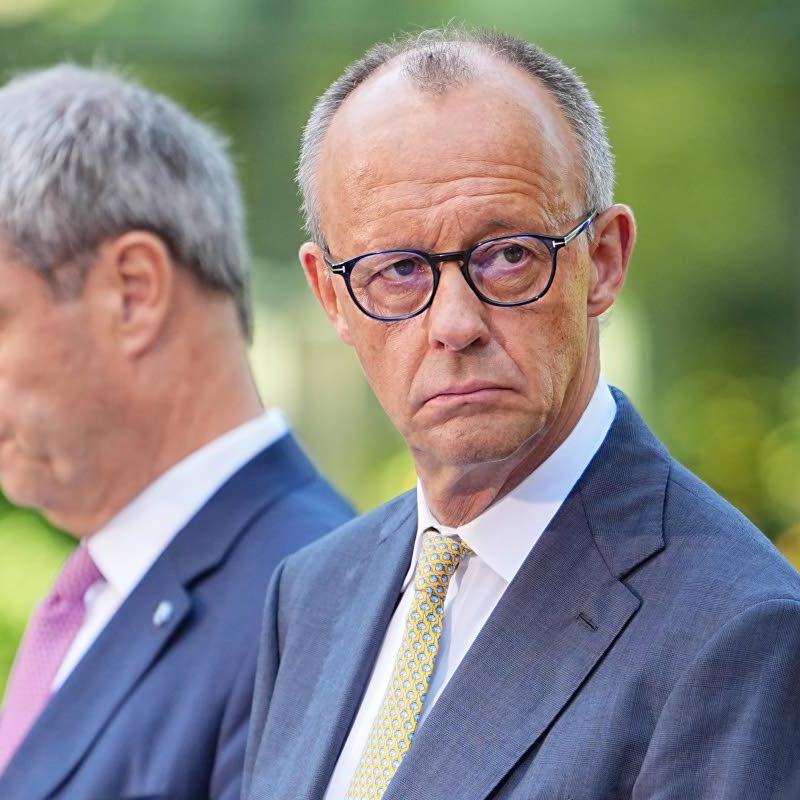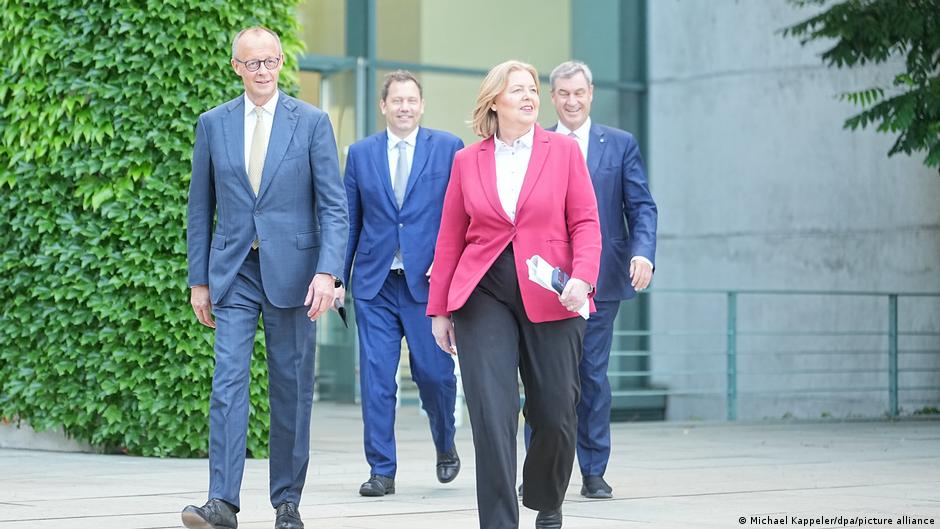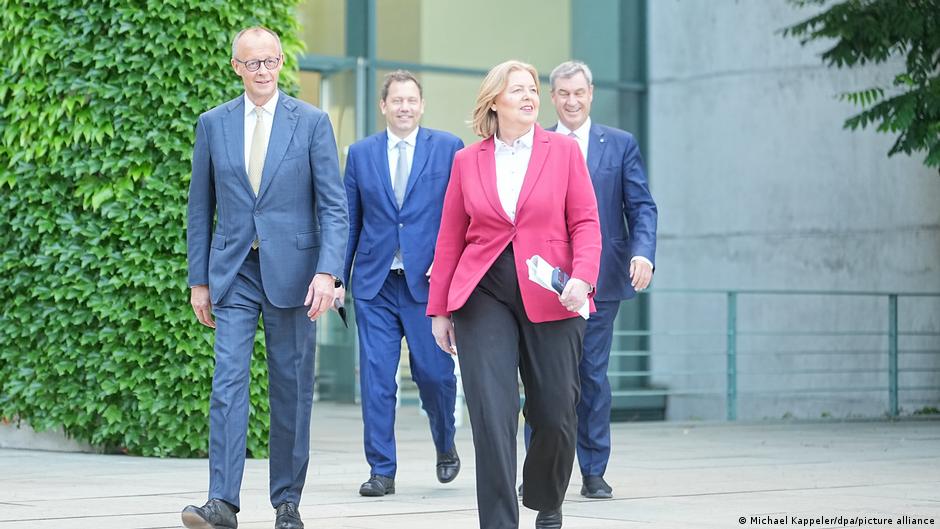
Germany's Chancellor Friedrich Merz said his conservative CDU/CSU bloc and the center-left Social Democrats (SPD) had approved a "catalog of significant reforms" to modernize the economy and restore competitiveness.
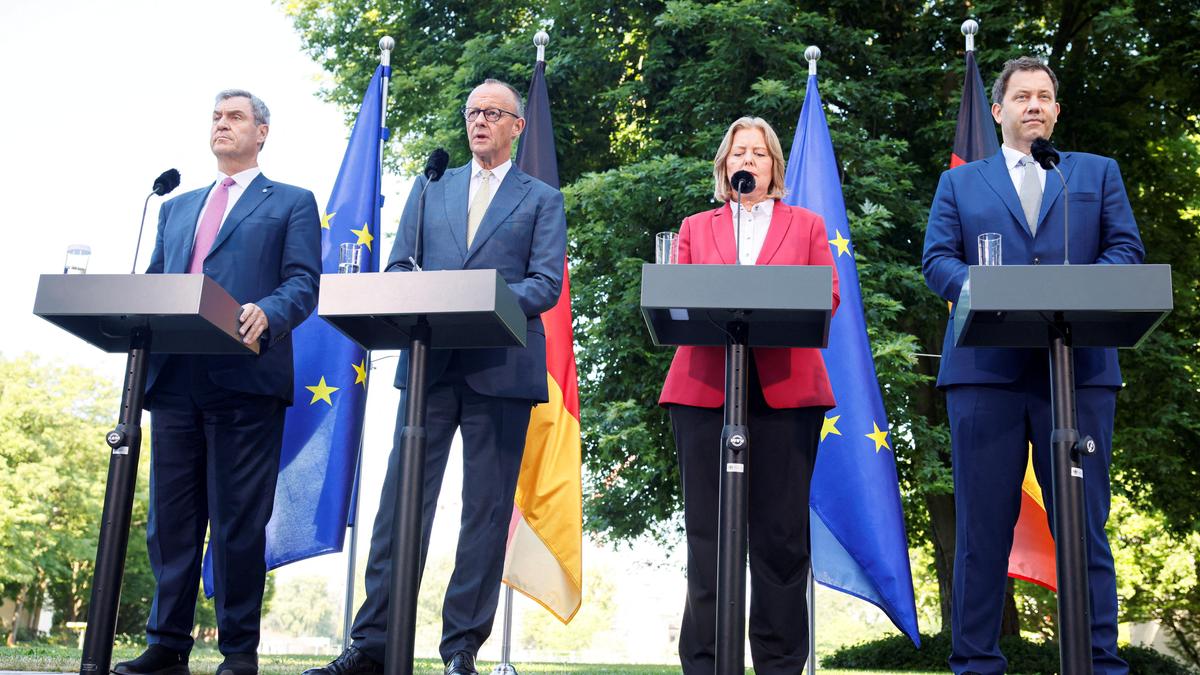
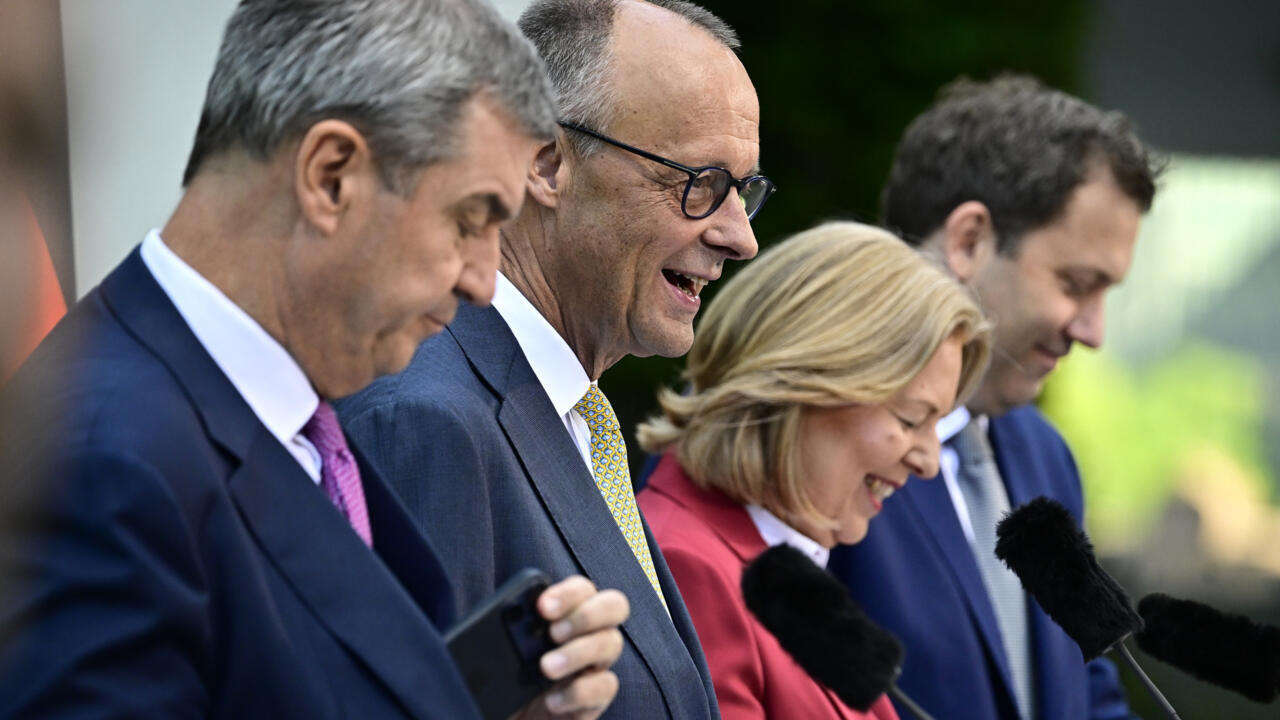
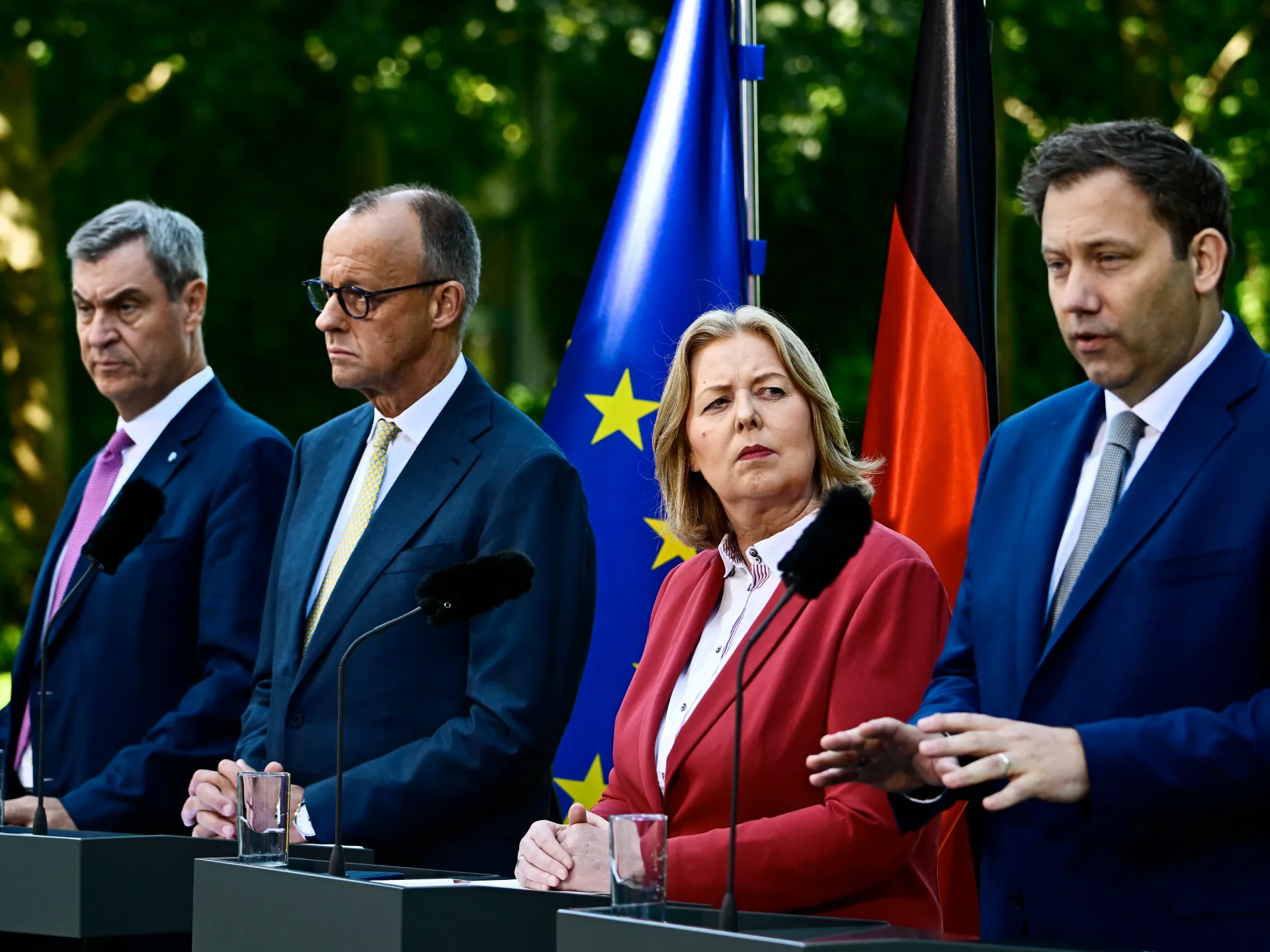
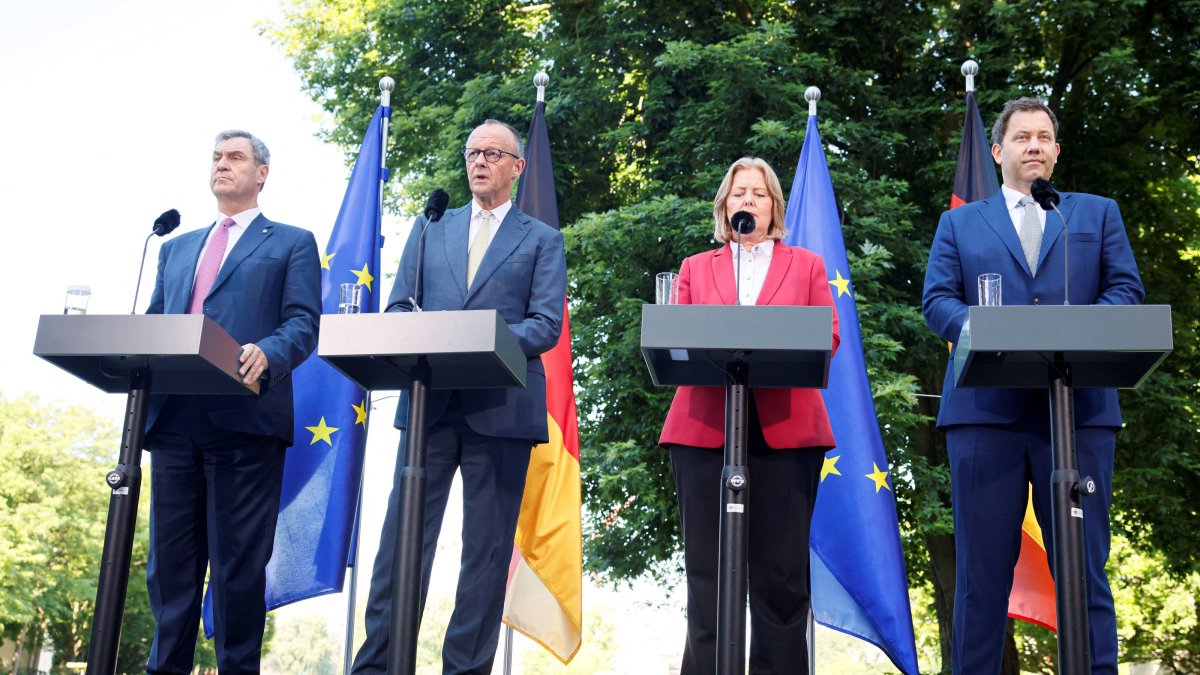
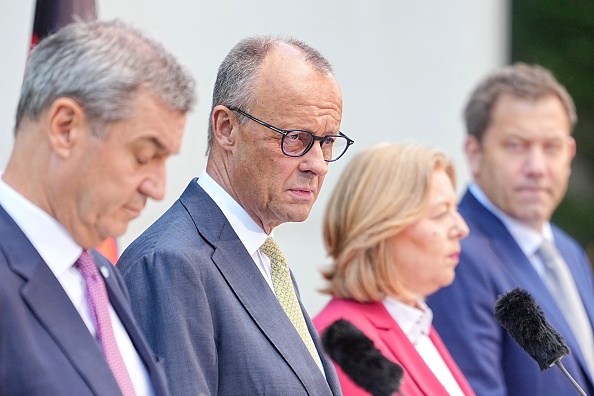
The announcement came at a press conference on Thursday, with Merz alongside SPD leaders Bärbel Bas and Lars Klingbeil, as well as the leader of Bavaria's conservative Christian Social Union, Markus Söder. The four coalition leaders had met in Berlin the previous day to hammer out the final details of the reform package.
Measures include €10 billion ($11.4 billion) in income tax relief, the end of phone-based sick notes, and the implementation of pension commission proposals by the end of 2026.Germany's reform plan at a glance
Pensions: Implementing pension commission proposals, including a new investment-based element to Germany’s mainly pay-as-you-go state pension system, and gradually raising the retirement age over the coming decades.
Tax: Giving households around €10 billion in annual relief, partly funded by raising the top tax rate from 45% to 47% for very high earners.