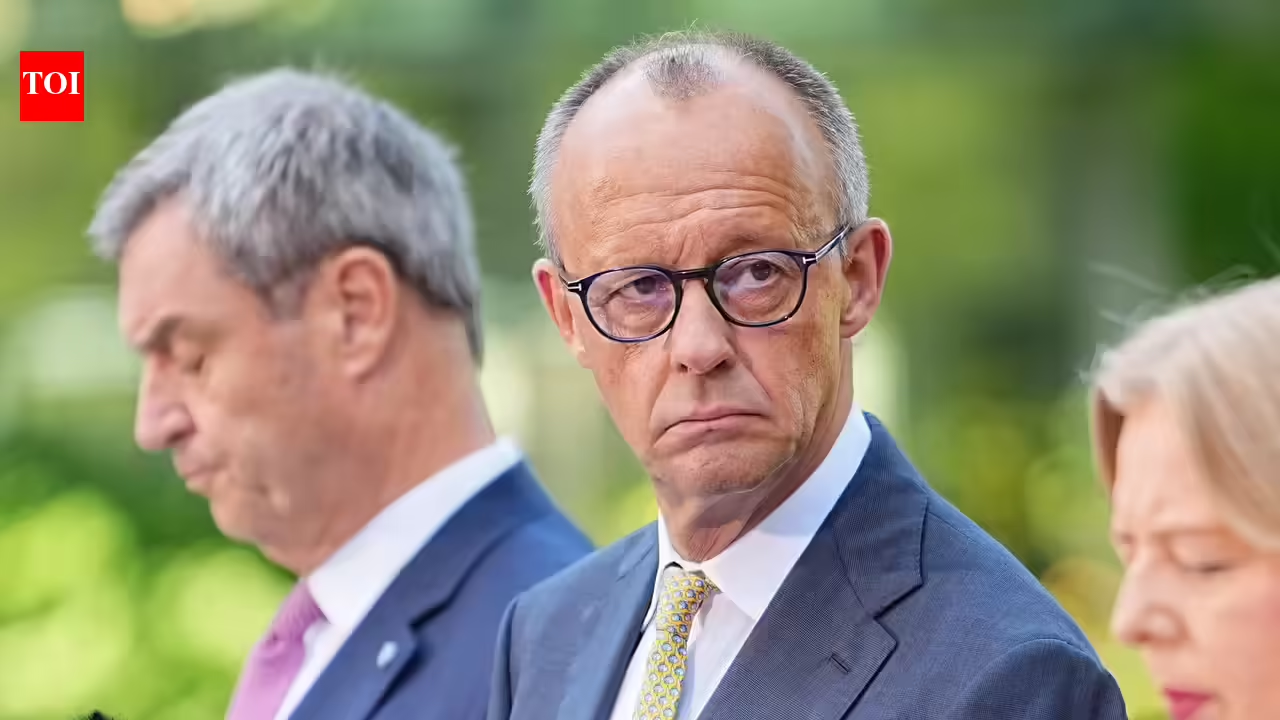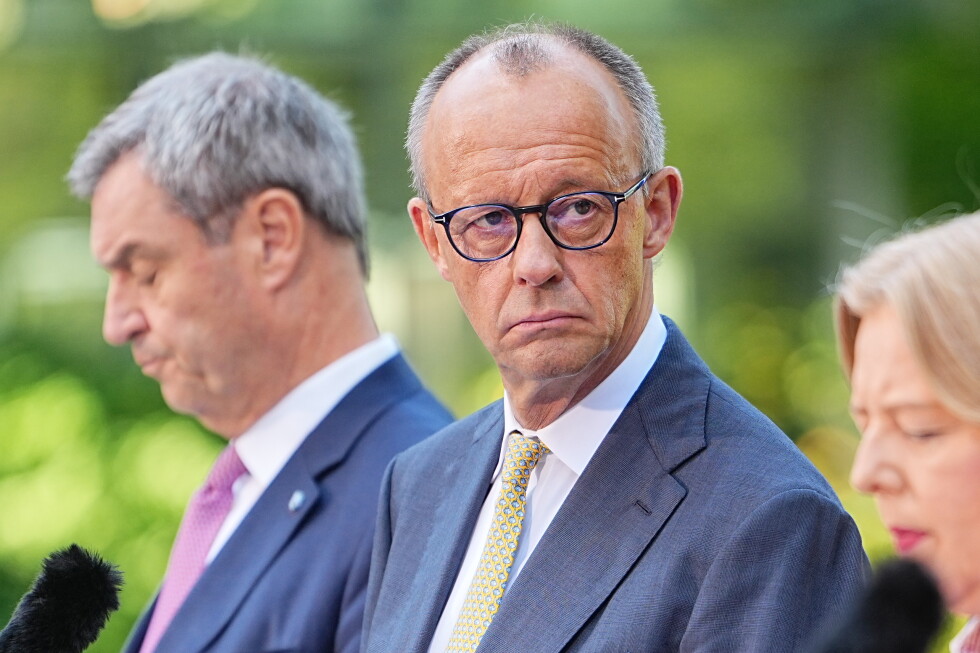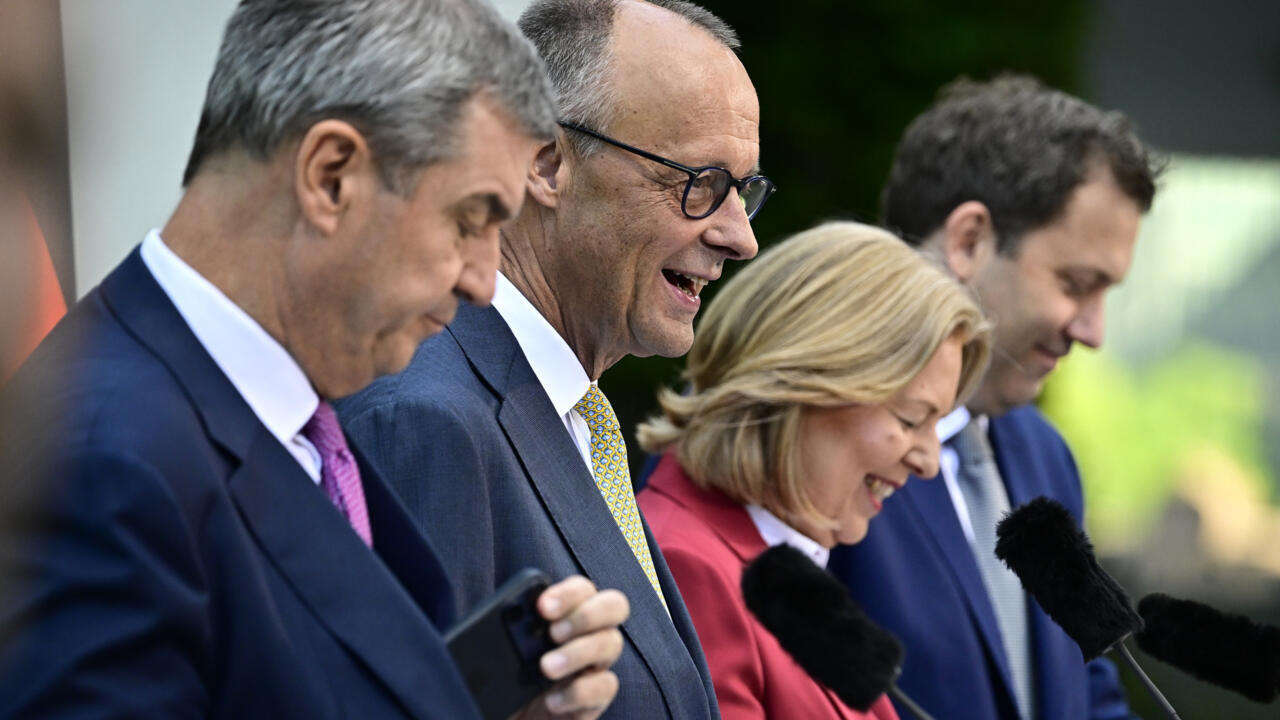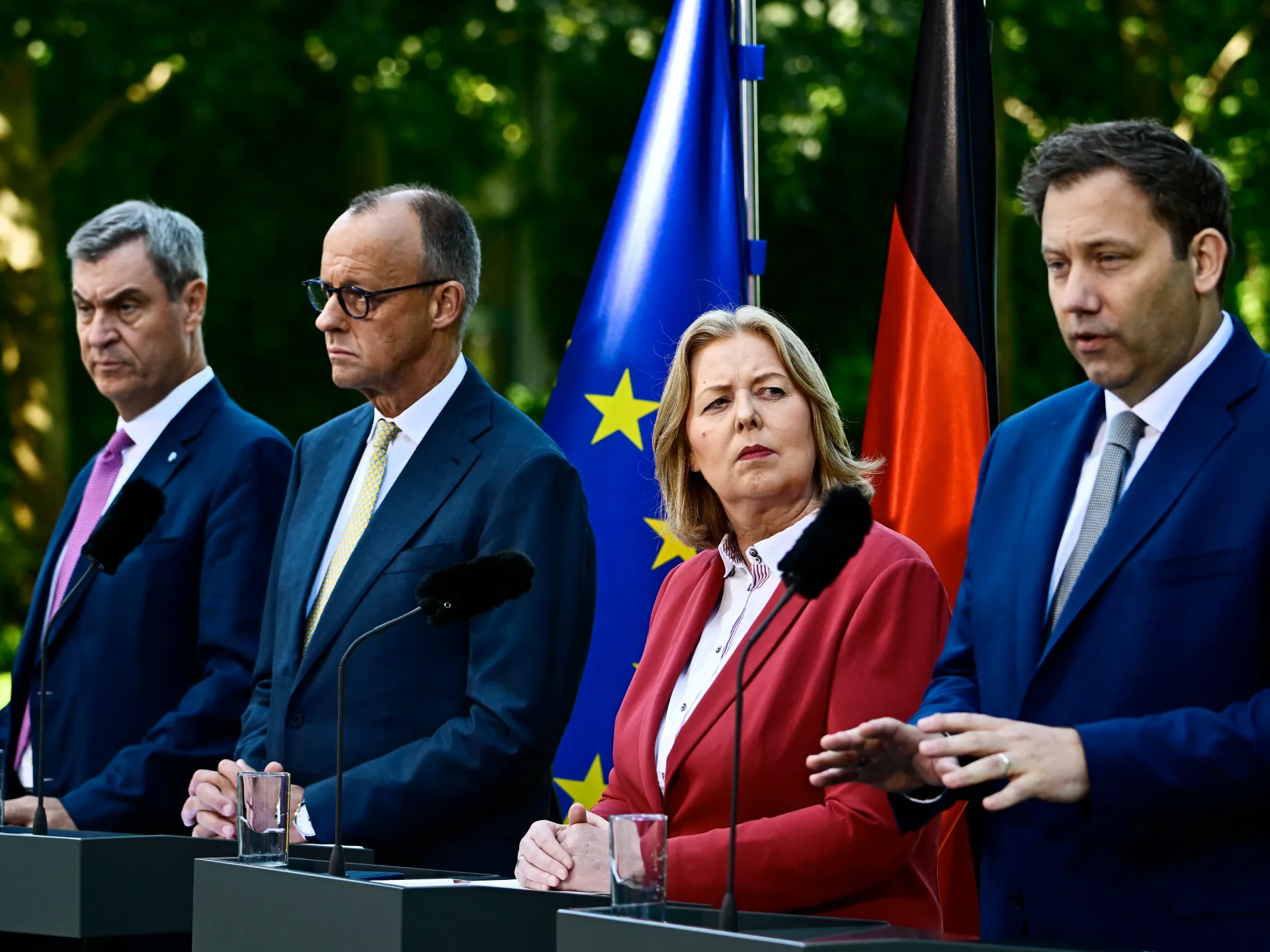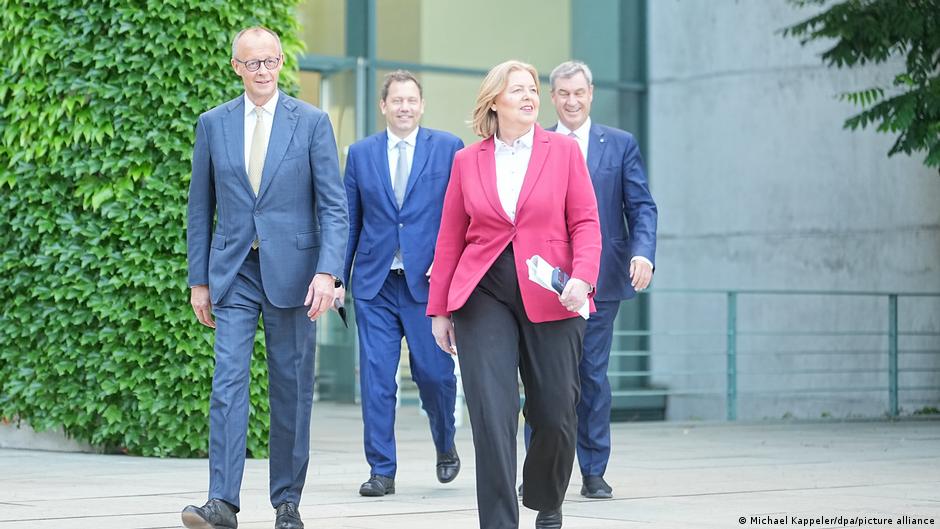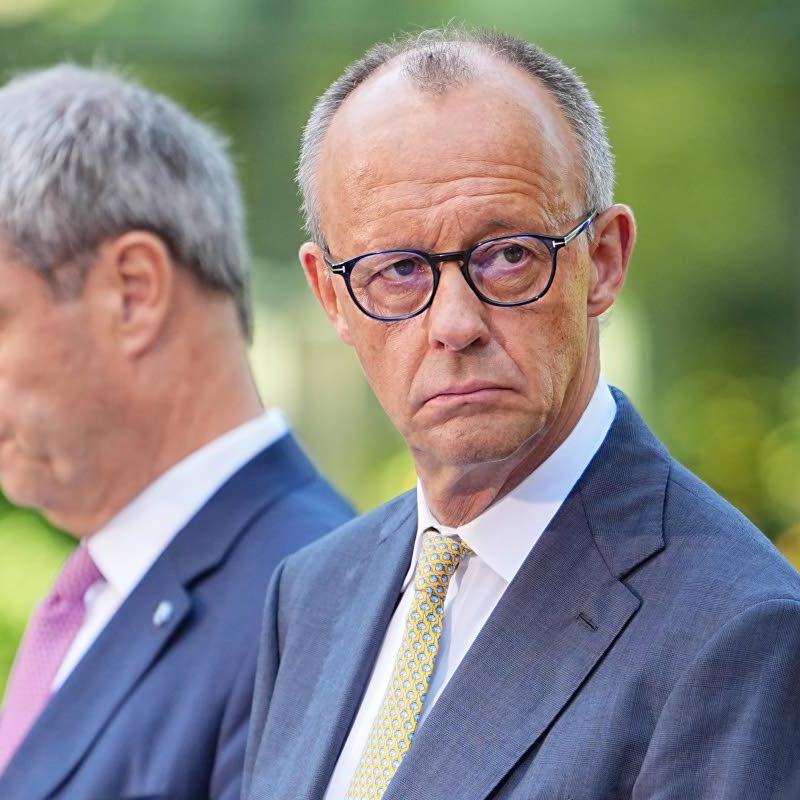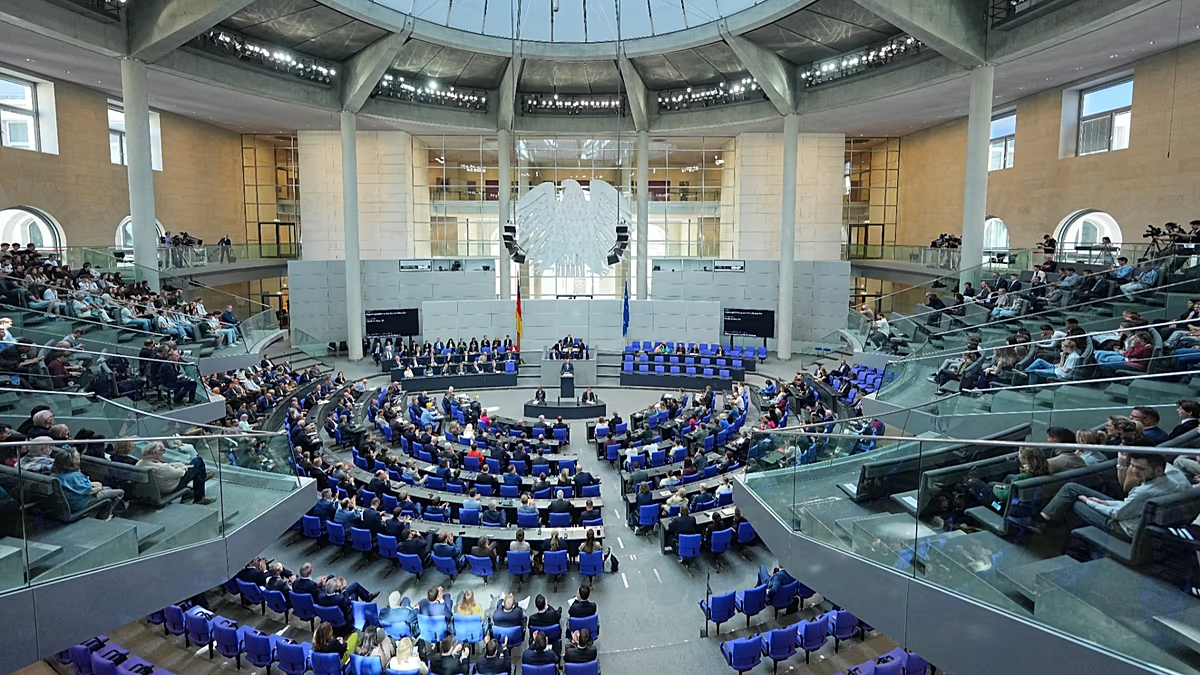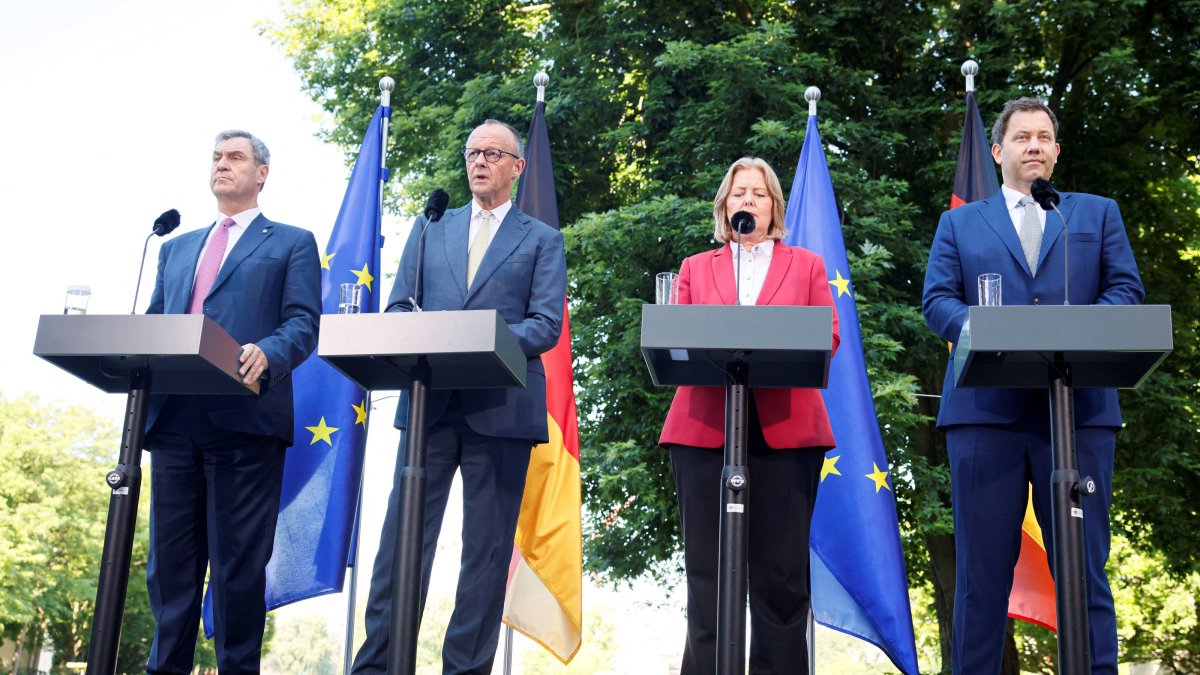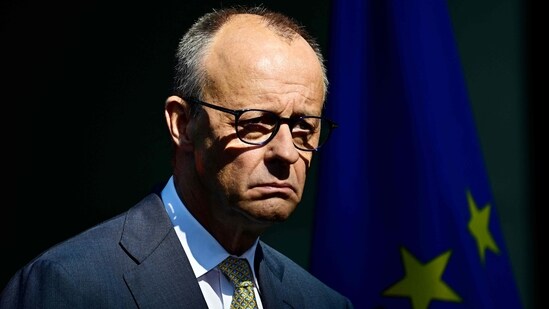
Germany just rolled out its most significant reform drives in recent years as Chancellor Friedrich Merz seeks to revive Europe’s largest economy and convince voters that his coalition government can deliver results.German Chancellor Friedrich Merz looks on during a press conference, on July 2, 2026 in the garden of the Chancellery in Berlin, one day after the coalition committee consultations on a major package of reforms. (AFP)After talks in Berlin, Merz announced what he described as a “catalogue of significant reforms” aimed at easing pressure on businesses, overhauling parts of the welfare and pension system, and reducing bureaucracy.“The reforms all have one goal: We’re setting out into the future,” Merz said. “We’re strengthening ourselves so that we can live well in these new times.”The overhauls come at a time when Germany is trying to emerge from a prolonged period of economic weakness. Germany's economy was broadly stagnant in 2025, growing by just 0.2% for the year, but the modest expansion marked an improvement after two consecutive years of economic contraction, an earlier report by news agency Reuters said.The government now expects growth of just 0.5% this year and 0.9% next year.The economic angleAt the center of the reform package is a concern that Germany's economic model is under increasing pressure.The country has been grappling with rising competition from Chinese manufacturers, higher energy costs following Russia's invasion of Ukraine, and uncertainty stemming from trade tensions and tariff threats from US President Donald Trump.Beyond those external challenges, Germany faces deeper structural issues. Production costs remain high, private investment has lagged, and the country's health and pension systems are becoming more expensive as the population ages, Associated Press reported.Merz has repeatedly argued that Germany needs to increase its growth potential rather than settle for low-growth forecasts.“I want to break out of this slump in our economy,” he told ARD, local public TV. “We need to boost the potential growth again. I’d like to see the ‘1’ back in front of the decimal point next year.”According to Merz, the reform package could help accelerate economic momentum and increase Germany's GDP by over 1% in 2027.A govt seeking to prove itselfThe reforms are also being driven by political pressure, analysts have said.Merz's Christian Democratic Union (CDU), in a coalition with the Social Democratic Party (SPD), took office in 2025 promising to reform Germany's economy and restore confidence in the country's future. Fourteen months later, however, the government has struggled to shake off public dissatisfaction and convince voters that it can deliver meaningful change.The negotiations were widely seen as a make-or-break moment for the coalition parties, whose approval ratings have remained low.The rise of the far-right party AfD has added to that pressure, by extracting benefits from public's frustration over economic stagnation, news agency AP reported.Merz has sought to frame the reforms as evidence that his government is acting decisively.“From the very beginning, we set an agenda with a single goal in mind: We want to get Germany back on track. It is now clear that this is possible,” he said.Speaking after coalition talks, Merz said: “We are working to increase the flexibility of our businesses. We are working to cut red tape. We are working to protect our welfare state, and we are working to ease the burden on employees and companies by lowering taxes.”Tax cuts to boost spendingOne of the headline measures is a package worth around €10 billion ($11.4 billion) in annual income tax relief.The government says low- and middle-income households will benefit the most. Once the reforms are fully implemented in 2028, a family with two working parents, two children and a taxable income of €60,000 would receive an annual tax reduction of roughly €600, according to AP.The coalition plans to partly finance the relief by raising the top income tax rate from 45% to 47% for people earning more than €250,000 a year, DW reported.Defending the proposal, Merz told the public broadcaster ZDF that the tax relief would not be cancelled out by other measures. Asked whether workers would see higher take-home pay, he replied: “Yes, I think that’s the case.”The government hopes the extra disposable income will encourage spending.Other major overhaulsAmong the most closely watched changes is the abolition of phone-based sick notes. Workers will once again need formal medical certification, a move the government argues will help curb abuse of the system.Another area of focus is Germany's pension system, which is under increasing strain from demographic changes in an ageing society.The reforms would gradually introduce an investment-based element alongside Germany's traditional pay-as-you-go pension system.The retirement age, currently between 65 and 67 depending on work history, would also rise gradually over coming decades in line with life expectancy.
Economy & politics: Why German Chancellor Merz has announced labour, workplace reforms
According to Friedrich Merz the reform package could help accelerate economic momentum by more than 1% in 2027. | World News
778 words~4 min read