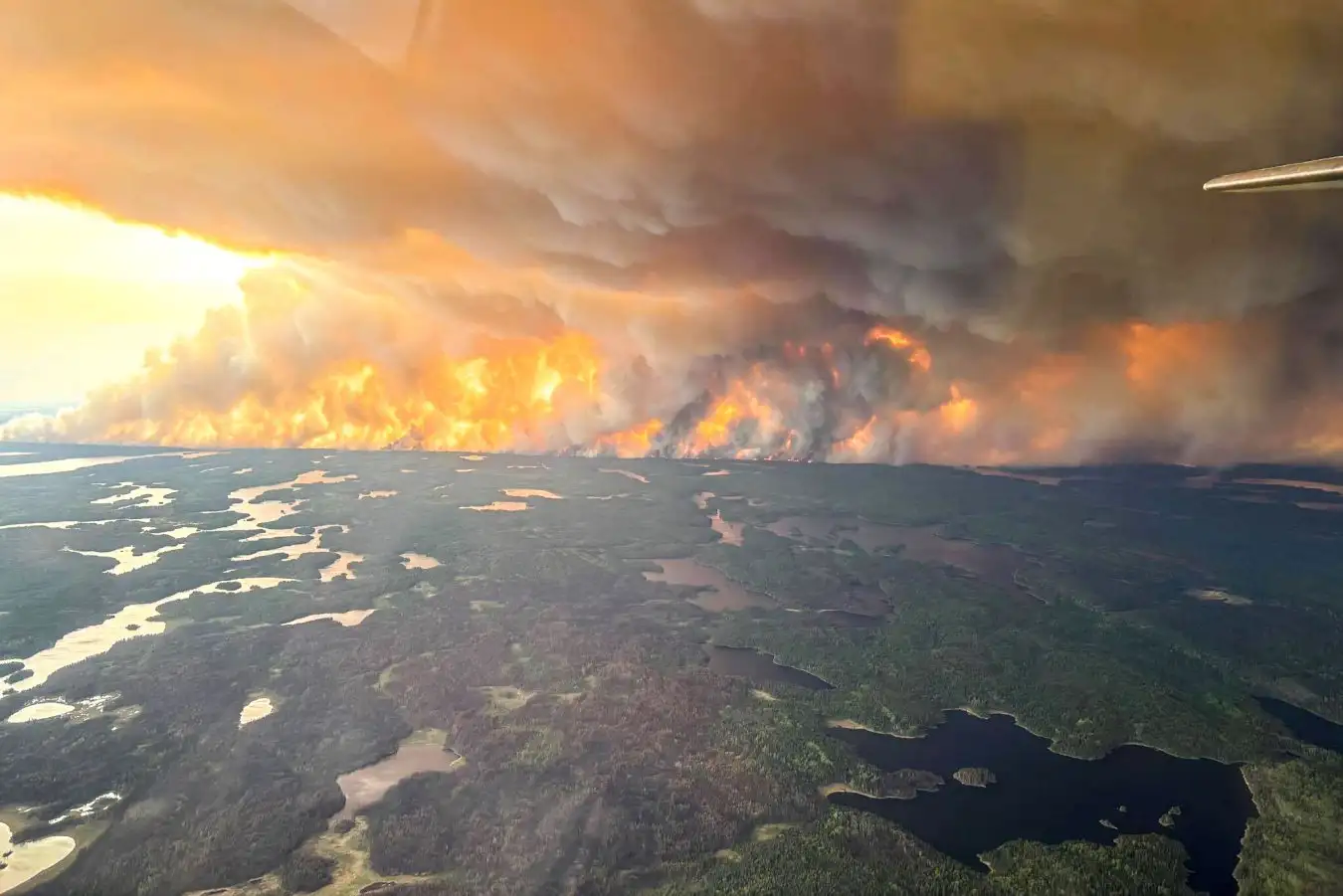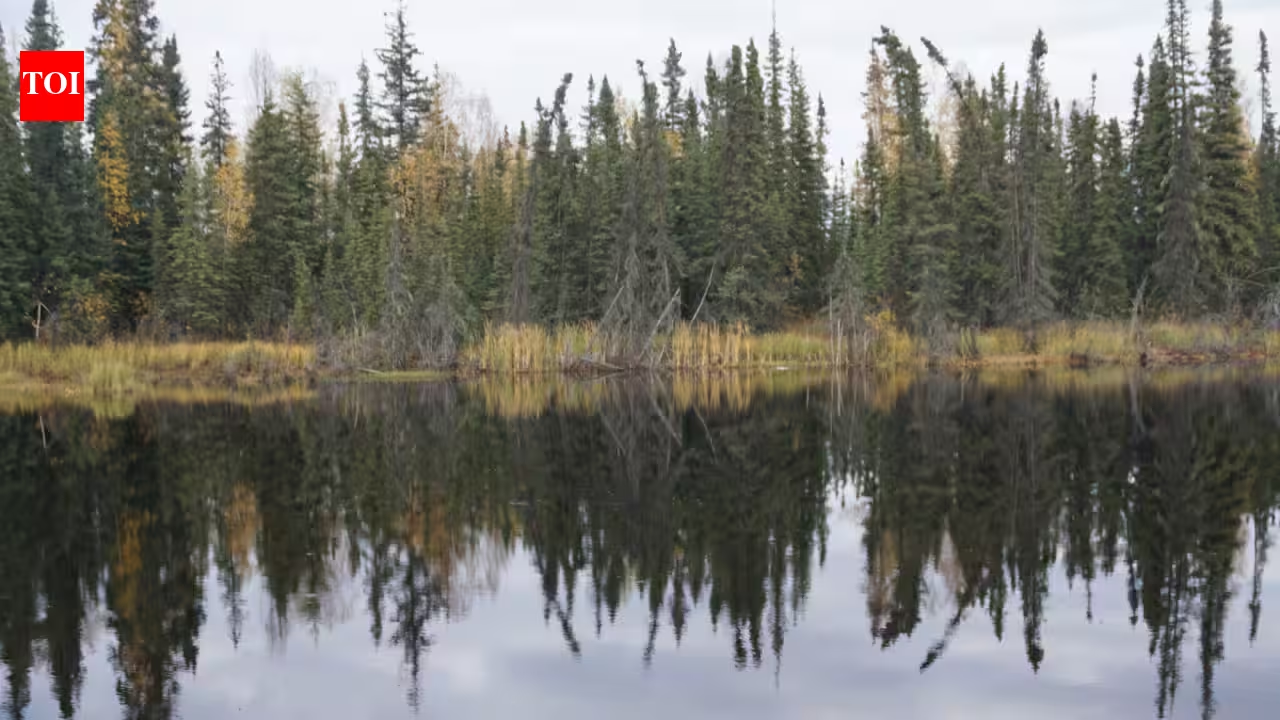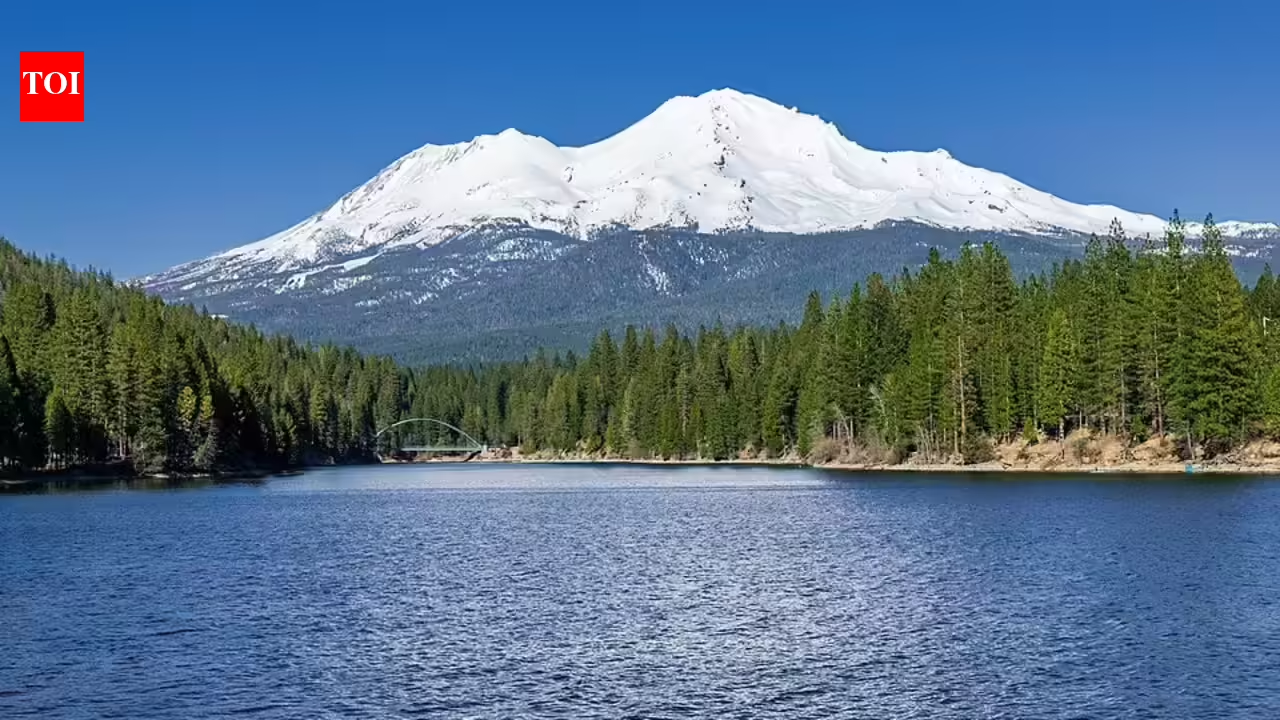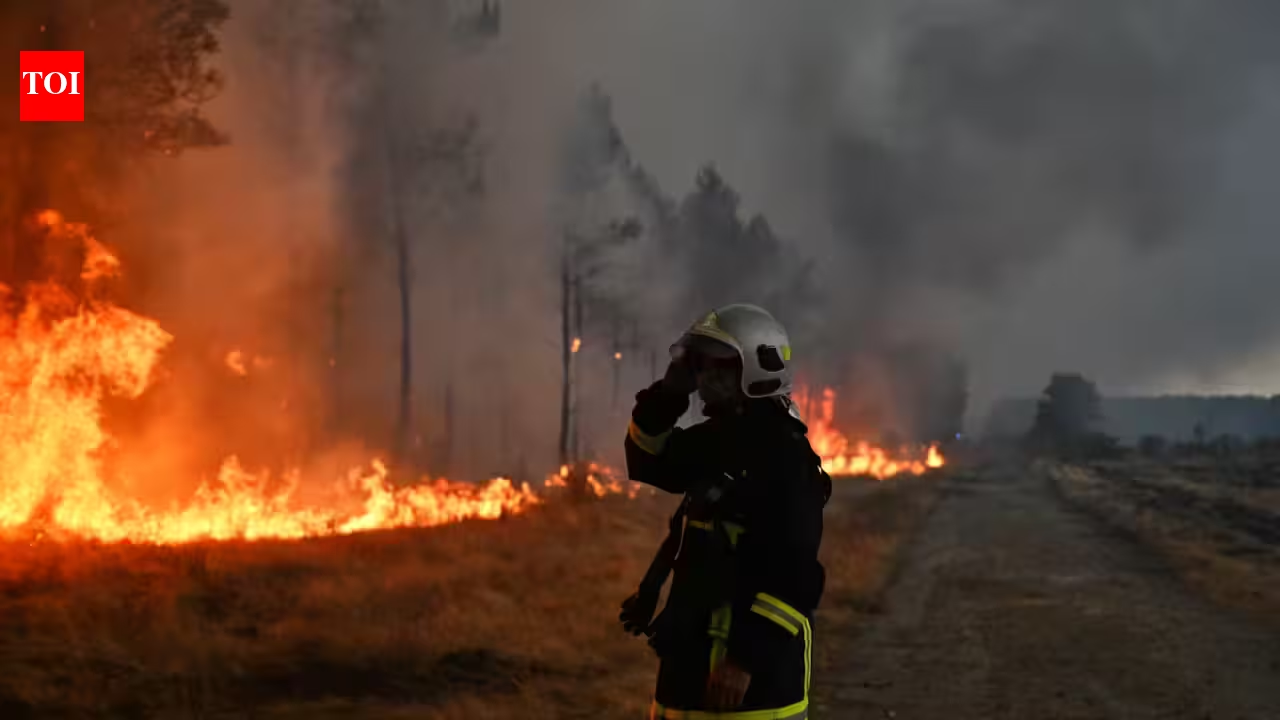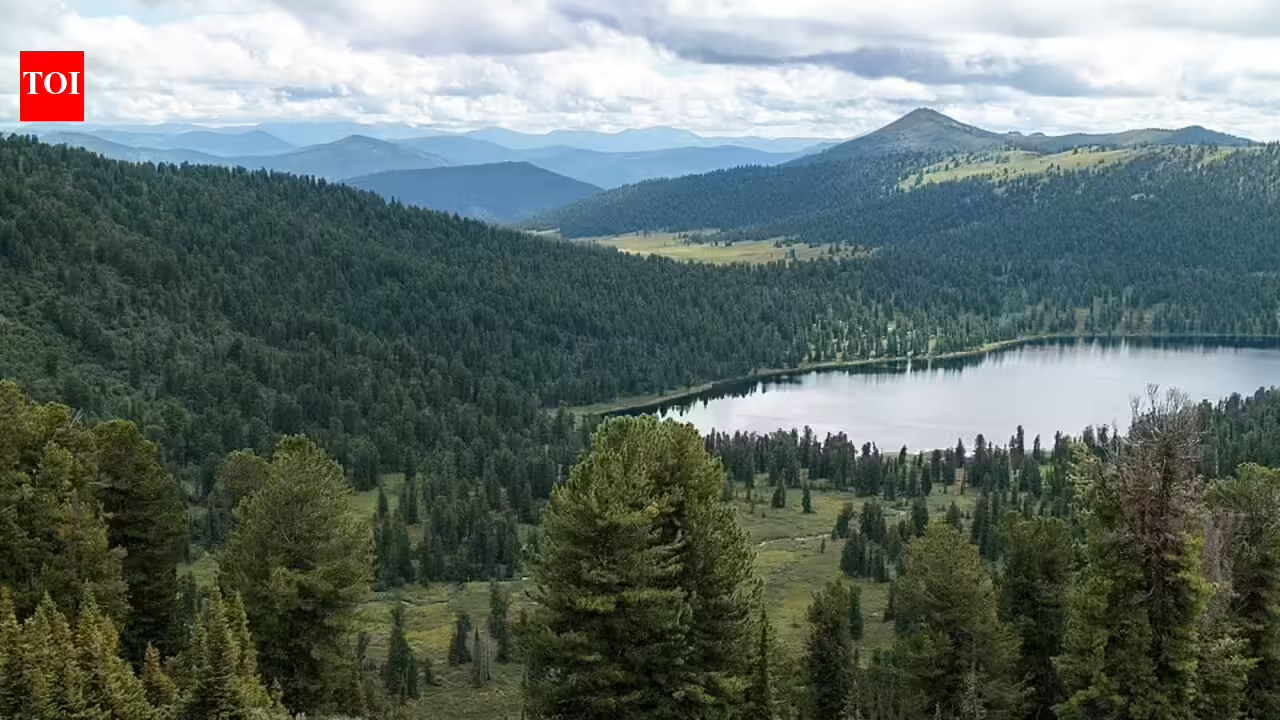
Ergaki, Taiga in Siberia, Dark coniferous forest. Image Credit: Wikimedia CommonsOne of the largest carbon stockpiles on Earth can still be found in a huge band of forest that runs around the northern hemisphere, despite some areas of Canada and Siberia having become increasingly young thanks to recurrent fires and deforestation. According to a study published in Conservation Biology, researchers mapped forest age across the boreal biome and found that although some regions have experienced more disturbance in recent decades, most of the boreal forest remains mature.The boreal forest spans countries such as Canada, Russia, the United States, Sweden, Finland, and Norway. Combined, they cover about a third of all forests on Earth and contain huge amounts of carbon stored in trees and soil.A first-of-its-kind map of forest ageAccording to the study, researchers from Northeast Forestry University in China used satellite imagery, forest inventory records, canopy height data, climate variables, and machine learning to estimate forest age across the boreal biome.According to the research, the authors first detected major disturbance events like fire and deforestation from the year 1985 to 2020 through satellite-based change detection methods. Afterward, forest age was calculated using the number of years since disturbance, which was further refined using the environmental and forest datasets. Published in Conservation Biology, available through PubMed, the research revealed that the average age of boreal forests is 112 years, while their median age is 115 years. The findings indicated that mature forests dominate the north irrespective of disturbance events occurring in some areas.The paper reports that this age profile was mapped across the North American boreal biome with remote-sensing disturbance history and environmental layers, and shows that the oldest stands are concentrated in the far north while younger forests are more common where fire and harvesting have been more frequent. The authors also note that this skews the biome toward mature forest despite active disturbance in some regions.Canada and Siberia have young forestsThis research indicates that western Canada and vast areas of Siberia possess increasingly higher percentages of younger forests. These areas undergo regular wildfires and logging, which reset forest stands and the growth of new forests. These areas are not continuous mature forest stands but a mosaic of younger and older stands. It is described as a very heterogeneous mosaic of forest patches resulting from disturbance and regrowth processes.The research shows that the changes in forest age have been influenced by the increase in climatic disturbances such as fires in many boreal areas over the past few decades. As explained by the Intergovernmental Panel on Climate Change (IPCC), changing climates have increased fire risk in northern areas.The IPCC says warming has already raised the likelihood of hot, dry conditions that favour large, severe fires, and that these changes are especially pronounced in high-latitude regions where fuel drying and fire weather are increasing. Its assessment also links fire-driven forest change with broader ecosystem risks, including altered carbon storage, habitat loss and more difficult regeneration after disturbance.Forest, Siberian taiga on the shores of the Krasnoyarsk Sea in the Biryusa Bay. Image Credit: Wikimedia CommonsOlder forests still play a vital role in carbon storageAlthough young forests capture carbon efficiently as they grow, older and mature forests store much larger amounts of carbon because they have accumulated it over centuries. The new map shows that many of these older forests continue to survive at higher latitudes, especially near lakes and rivers. The researchers state that old-growth patches have particular importance since they not only help in maintaining stability but also provide habitats for wildlife.According to the Food and Agriculture Organization (FAO) of the United Nations, forests are one of the largest natural carbon sinks on Earth.Climate and landscape impact forest ageIn addition, the authors have also observed that forest age is determined not just by fire and timber extraction but also by climatic factors.The presence of lower atmospheric dryness, low solar energy, increased rainfall, and landscape integrity leads to greater chances of an old forest existing in the area. This combination of factors increases the chances of no disturbances occurring in the area and allows the forest to remain there for a long time. It appears that understanding such environmental patterns will allow conservationists to target landscapes that would benefit most from preserving forests for an extended period.Importance of findingsThe authors suggest that while protecting old-growth stands, conservationists should also pay attention to age diversification of forest cover since it increases resilience, enables the presence of a large variety of flora and fauna, and enhances resistance to future disruptions. As different nations implement their climate mitigation efforts and increase the number of nature reserves, having a detailed understanding of the distribution of young, mature, and old forests can contribute to better carbon accounting and conservation practices.While some of the Canadian and Siberian boreal forests are being significantly transformed by fires and logging operations, there is a brighter picture overall.
Canada and Siberia are turning the boreal forest younger, but a new pan-Arctic map shows most of it is still mature and crucial for carbon storage
One of the largest carbon stockpiles on Earth can still be found in a huge band of forest that runs around the northern hemisphere, despite some areas of Canada and Siberia having become increasingly young thanks to recurrent fires and deforestation. According to a study published in Conservation Biology, researchers mapped forest age across the boreal biome and found that although some regions have experienced more disturbance in recent decades, most of the boreal forest remains mature.
815 words~4 min read