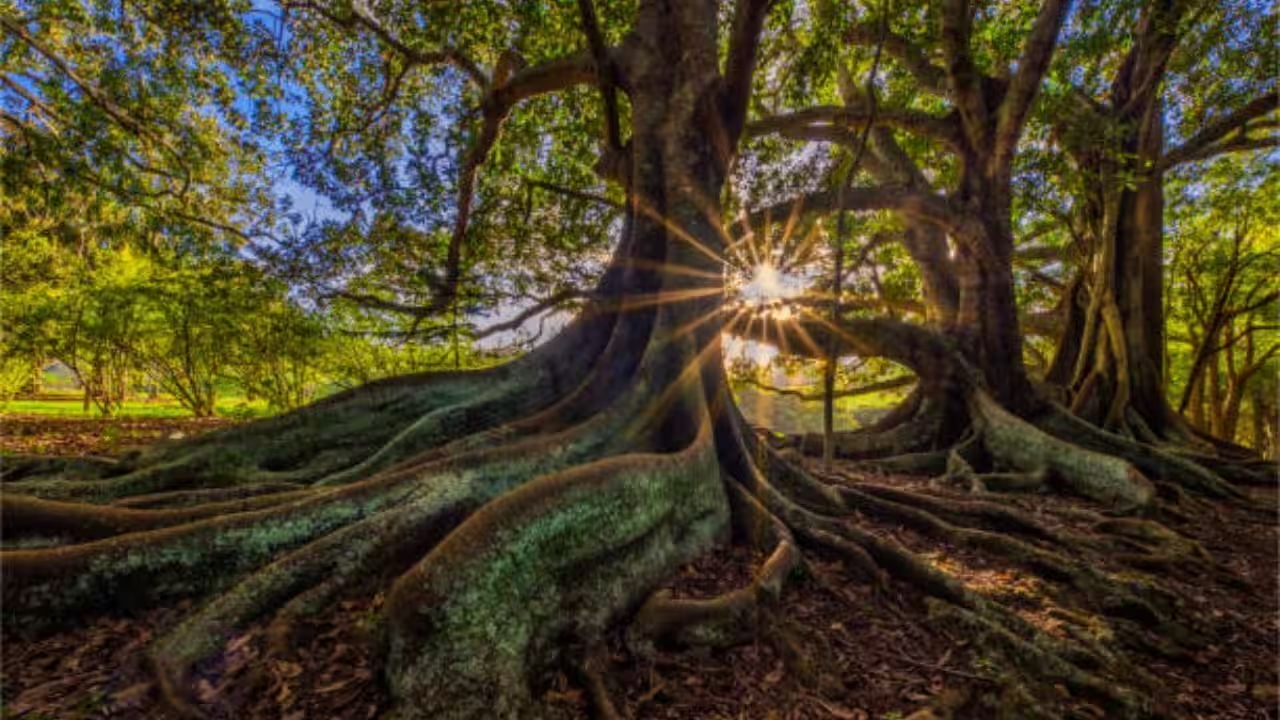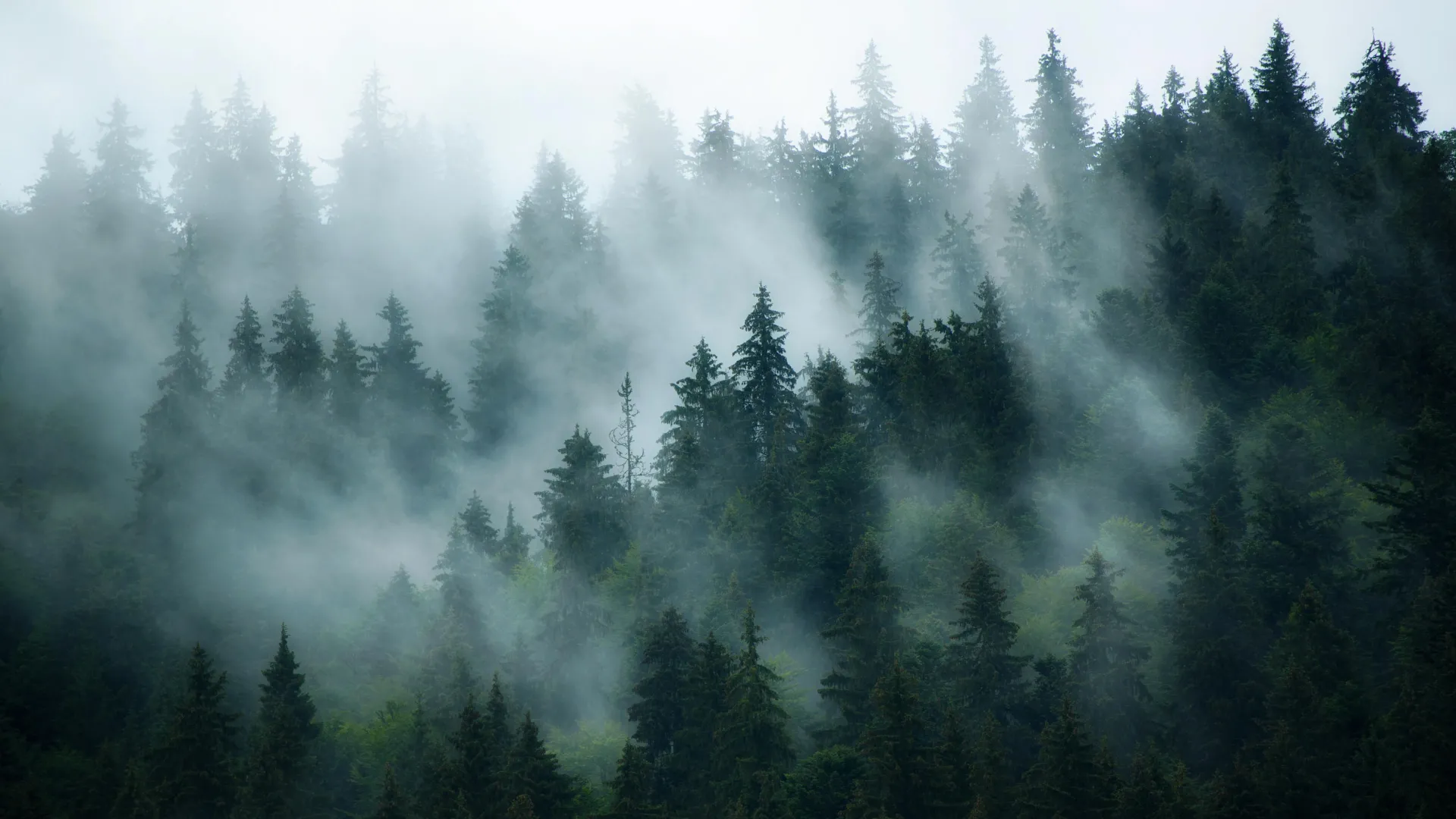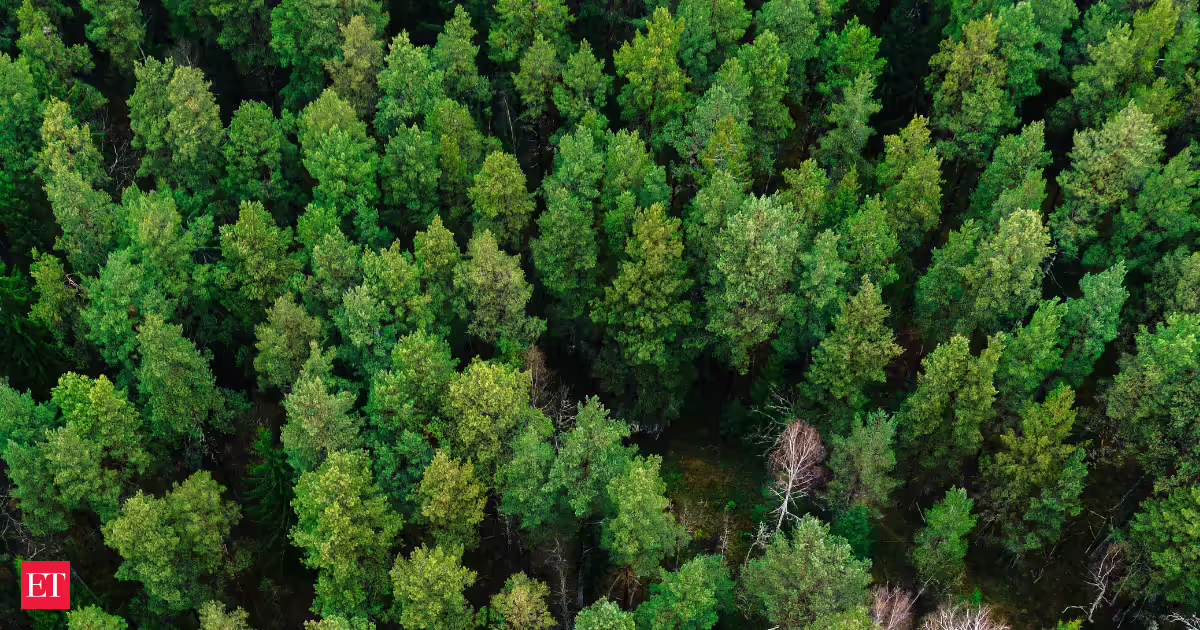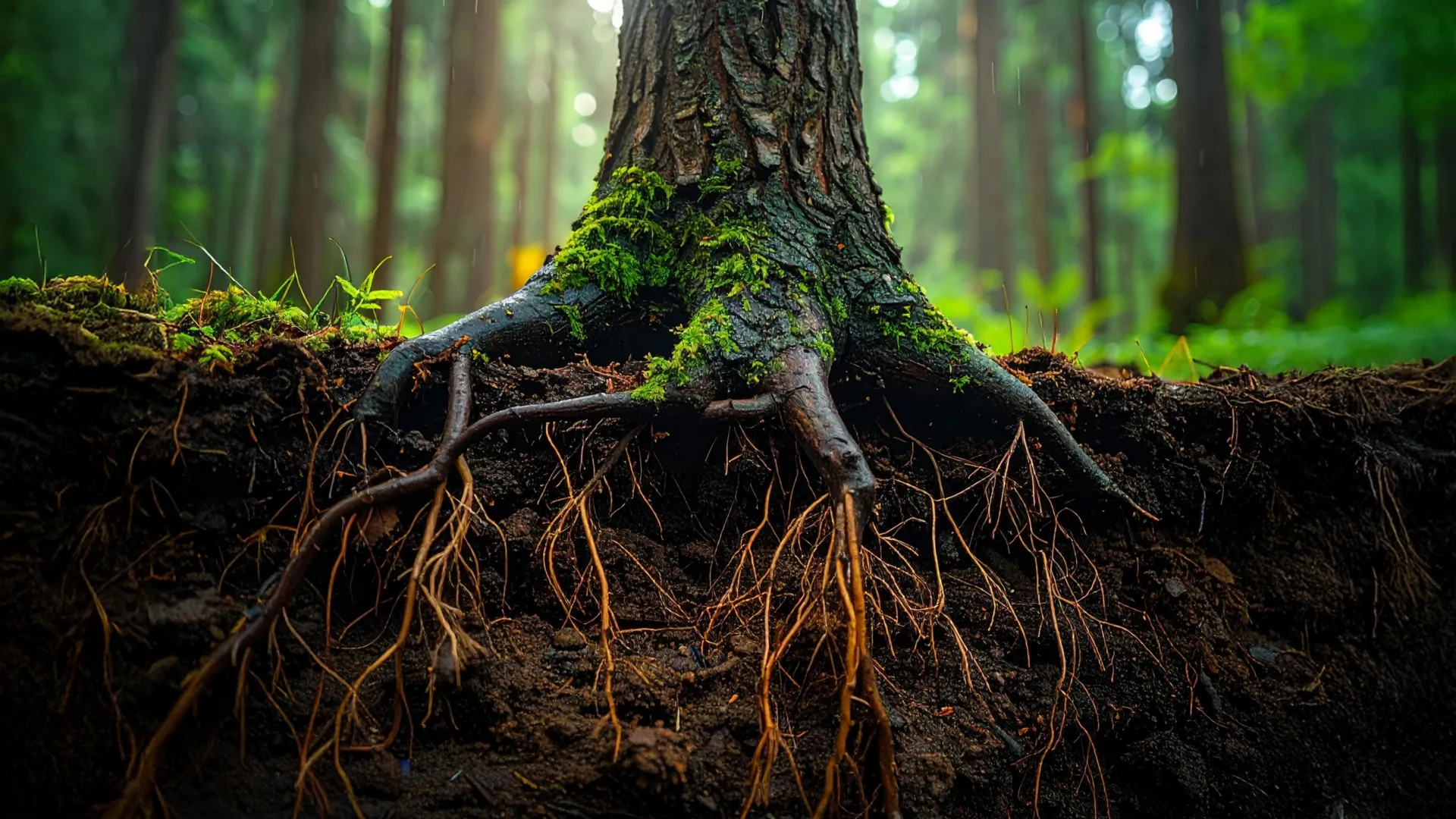
A temperate conifer forest surrounding Lake Siskiyou near Mount Shasta. Diverse forests play a crucial role in storing carbon and strengthening ecosystem resilience in a warming climate. Image Credits: Wikimedia CommonsAs temperatures rise around the globe, scientists are trying to understand how forests respond not only in the canopy but also in the soil, where vast amounts of carbon are stored. Previous studies have focused mainly on how trees absorb carbon through photosynthesis, but a recent study in China shows that biodiversity also plays an important role in protecting soil carbon. Forests with higher tree species diversity retain more carbon in the soil as temperatures rise because soil microbes release less carbon and store more in biomass.Biodiversity strengthens forests' carbon storageForests form some of the best sinks of carbon on the planet by absorbing carbon dioxide in the atmosphere and capturing the carbon in the trunks, leaves, roots, and soil. In fact, the soil holds more carbon than the total plant life and the atmosphere put together. Therefore, soil is very important for reducing global warming.Up to now, scientists have mainly focused on how increasing temperature can affect the amount of carbon absorbed by trees. Little was known about how the diversity of tree species can affect the underground mechanisms that can determine whether the soil stores or releases carbon into the atmosphere.Scientists studied subtropical forests in China with different tree species diversity under different temperatures to find out the effect. The results of this research, which were published in Advanced Science, showed that forests with more diverse tree species maintained more carbon in the soil at higher temperatures than those with fewer species.Biodiversity affects forest ecosystems both directly and indirectly by influencing soil microorganisms such as bacteria and fungi that decompose organic material. The higher biodiversity of the forest was associated with reduced emissions of carbon dioxide and more carbon being stored in microbial biomass. How soil microbes affect carbon storageAlthough invisible to the naked eye, soil microbes are central to the global carbon cycle. They decompose fallen leaves, dead roots and other organic material, determining whether carbon remains in the soil or returns to the atmosphere through microbial respiration.According to research published in Global Change Biology, as temperatures rise, microbial activity generally increases, often accelerating the breakdown of organic matter and increasing carbon emissions from soils. Scientists have therefore worried that warming could weaken forests' ability to function as carbon sinks.The new study found that tree diversity changes how this relationship works. Instead of just increasing their activity with warming, microbial communities of diverse forests showed greater efficiency in using available carbon. They allocated more carbon to microbial biomass than they lost through respiration. Increased microbial carbon-use efficiency decreased carbon losses from soils and increased carbon stored as organic carbon belowground.Diverse forests are believed to produce more varied leaf litter, root systems and soil environments, giving microbes a wider range of nutrients and improving carbon-cycle efficiency. All these complex processes lead to higher carbon storage capabilities of the soil in the state of climatic stress.A species-rich evergreen broadleaf forest in China. Researchers found that forests with greater tree diversity retain more carbon in the soil by improving the efficiency of soil microbes under warming conditions. Image Credits: Wikimedia CommonsA new strategy for climate change mitigationAcross the globe, several reforestation projects favour fast-growing trees. Although such projects can help reduce carbon dioxide in the atmosphere rapidly, there is not much variety in terms of the tree species in such projects. According to the researchers, the retention or restoration of tree diversity may bring about further climate change advantages by safeguarding the carbon stored in the soil, which is susceptible to warming. Therefore, biodiverse forests are likely to be more resilient as temperature rises.Apart from carbon storage, biodiverse forests offer many other benefits, including more wildlife, improved soil fertility, pest protection and greater ecosystem stability. As countries expand afforestation and forest restoration programmes to meet climate targets, the findings offer a timely reminder that how forests are restored matters just as much as how many trees are planted. Protecting diverse natural forests could help preserve carbon stored beneath the ground.
China's forests with the greatest tree diversity were better at keeping carbon in the soil as temperatures rose, scientists found, because soil microbes released less carbon and stored more in biomass
As temperatures rise around the globe, scientists are trying to understand how forests respond not only in the canopy but also in the soil, where vast amounts of carbon are stored. Previous studies have focused mainly on how trees absorb carbon through photosynthesis, but a recent study in China shows that biodiversity also plays an important role in protecting soil carbon.
690 words~3 min read