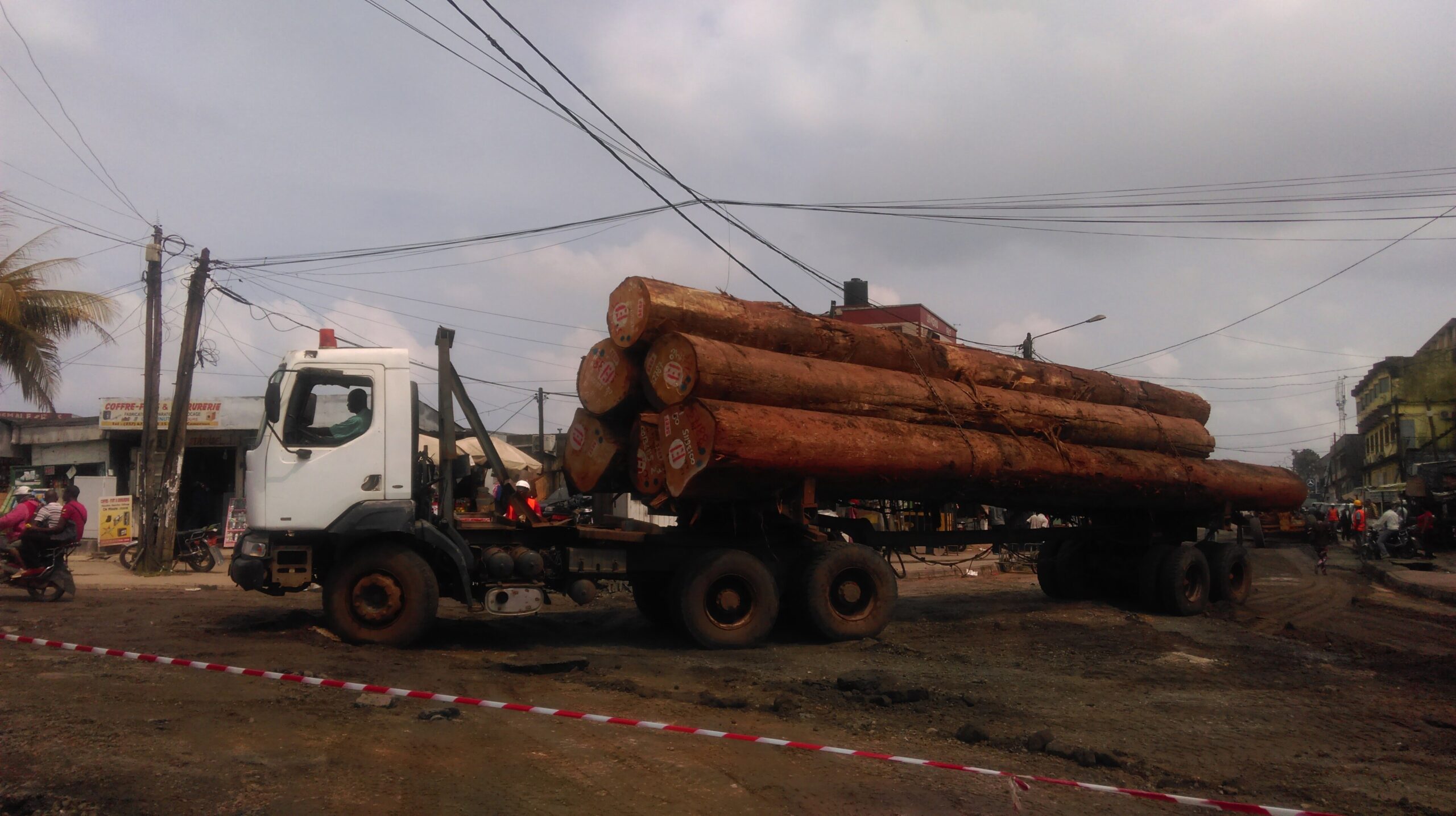
A recent study created a machine-learning program that estimated the amount of carbon dioxide already stored, and sequestered annually, by rainforests in Central Africa’s Congo Basin, the planet’s largest forested carbon sink.They found that managed logging concessions, which remove a small number of large trees annually and strictly control other human activities, made up more than half of the net carbon removed by Congo Basin rainforests.The authors say these results suggest that expanding logging concessions could help the Congo Basin sequester more carbon while also providing locals with a source of income.Other experts, however, argue that addressing local conflicts that lead to illegal forest clearing would be a better way to benefit these forests.
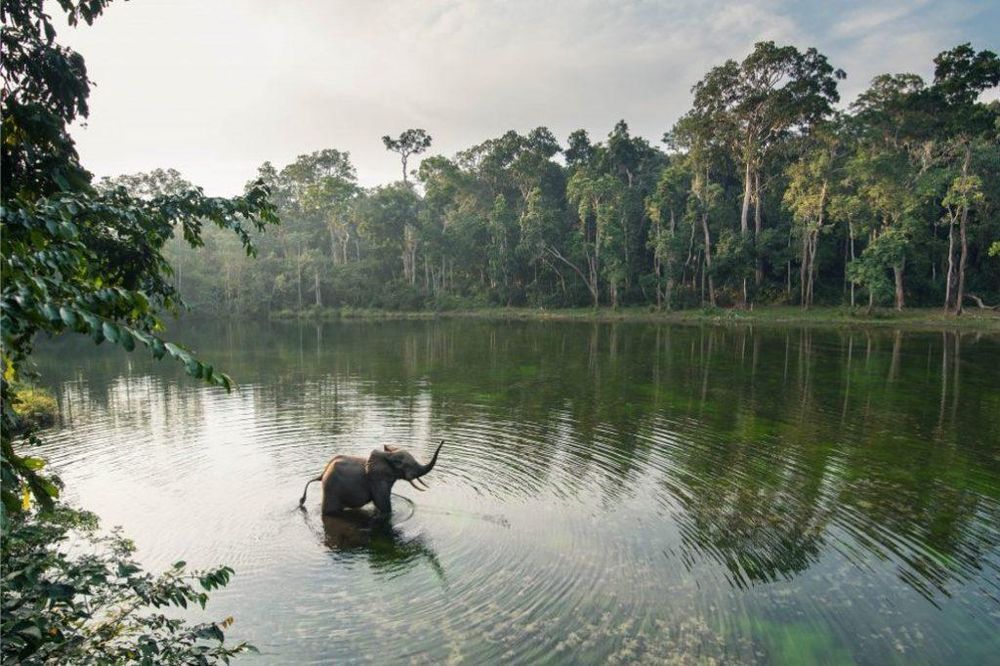
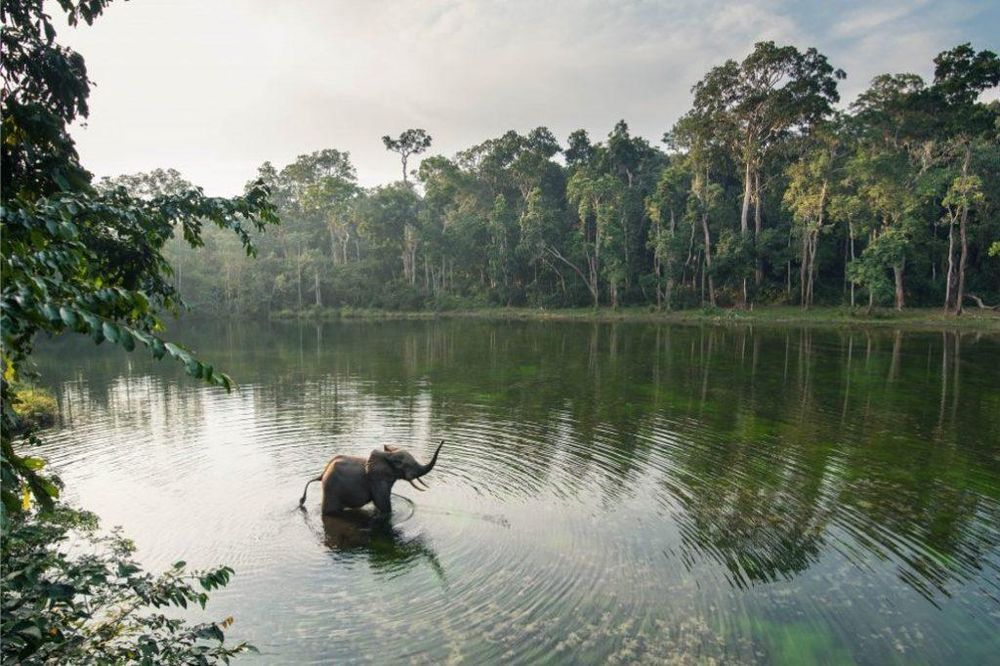
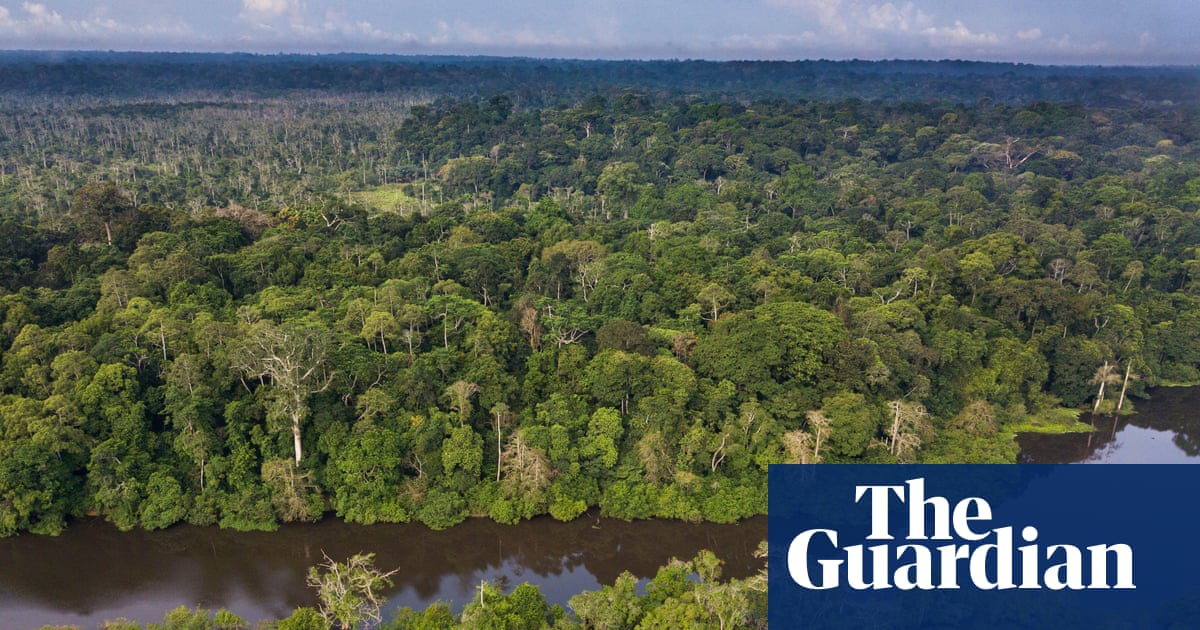
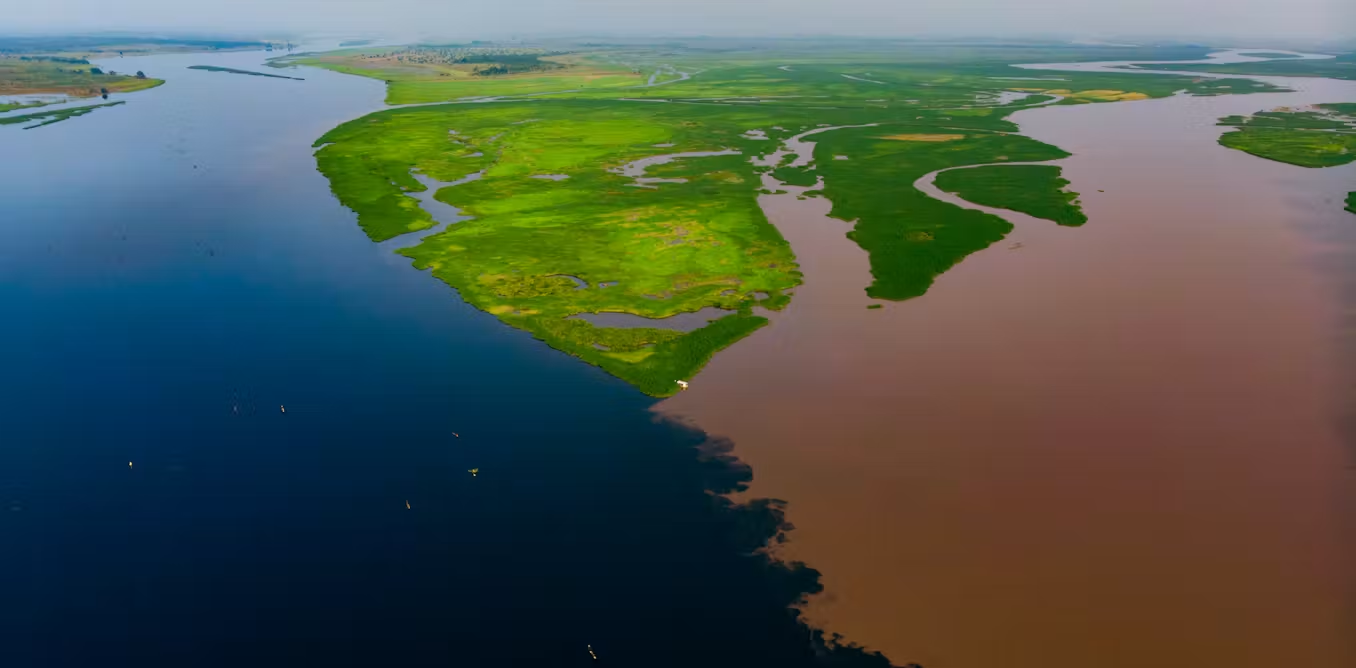
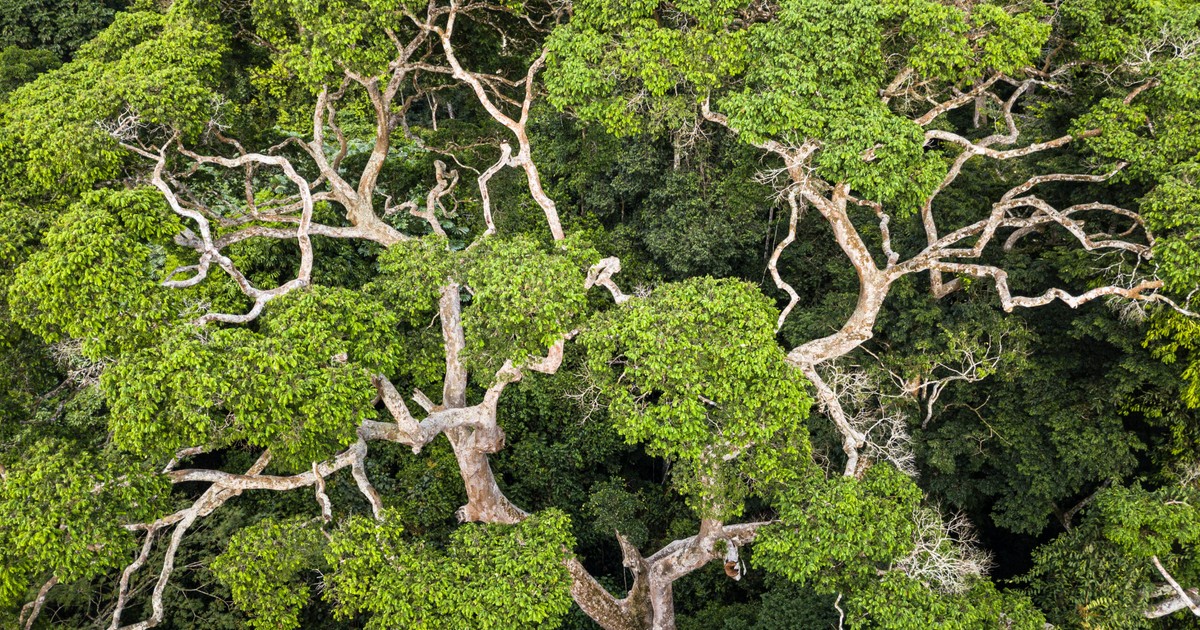
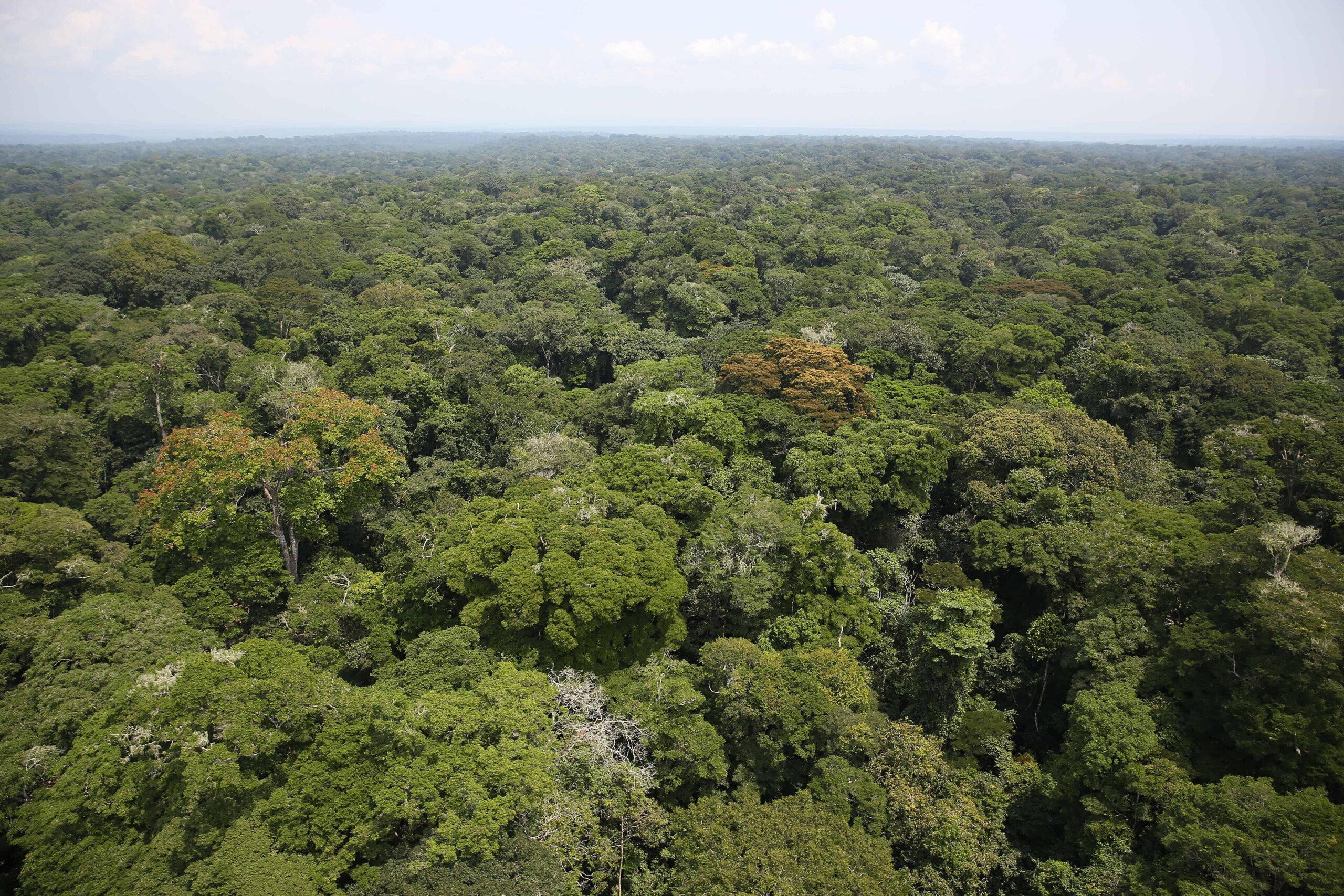
The rainforests of the Congo Basin are the planet’s largest forested carbon sink: as these 3.3 million square kilometers (1.3 million square miles) of trees in Central Africa breathe in carbon dioxide from the atmosphere, they turn it into leaves and bark and branches, helping to mitigate the effects of climate change. Yet a recently published study quantifying this carbon storage presents a surprising suggestion: that the most effective way to trap even more carbon in Congo Basin rainforests may be to cut some of its trees down.