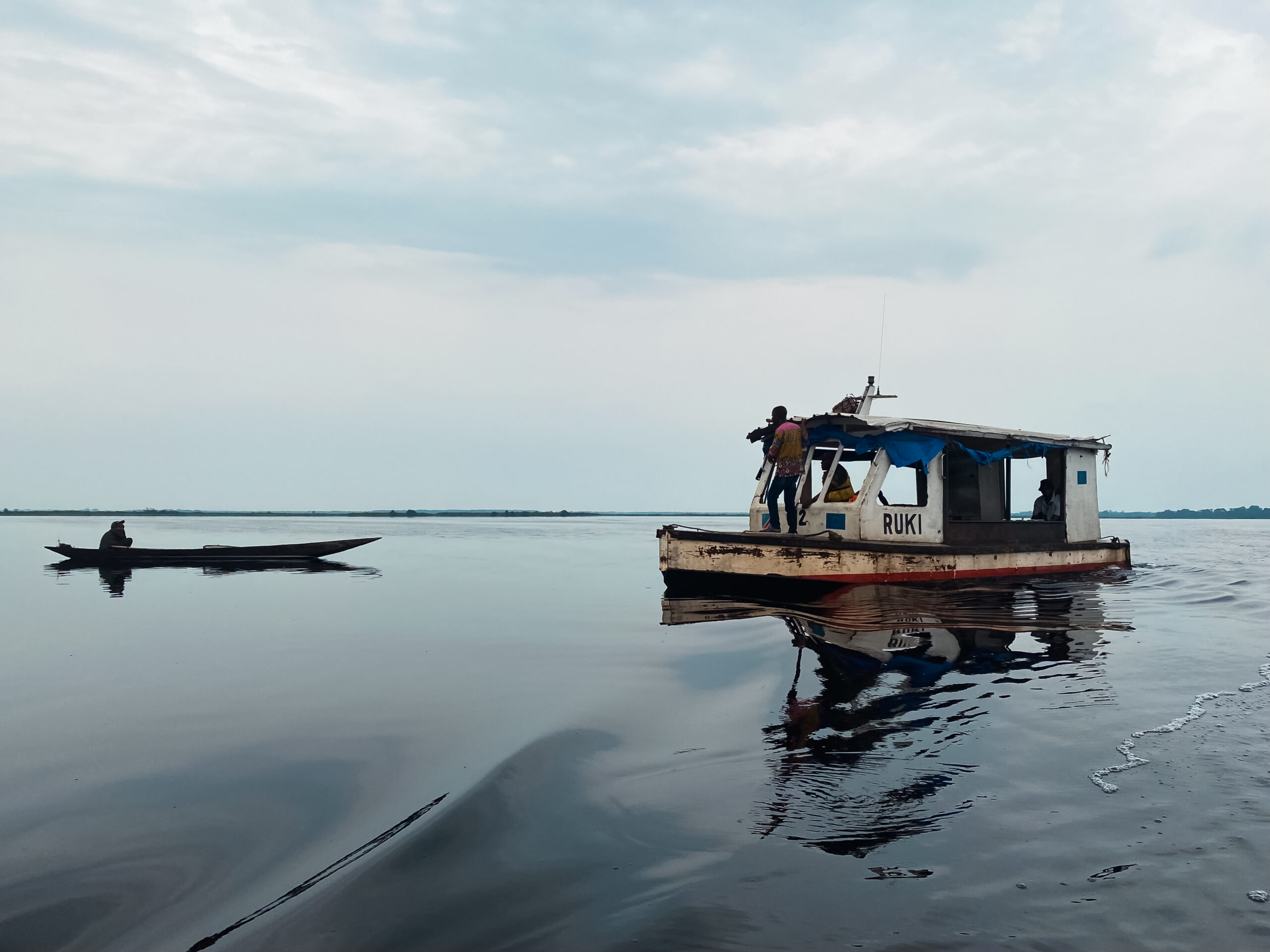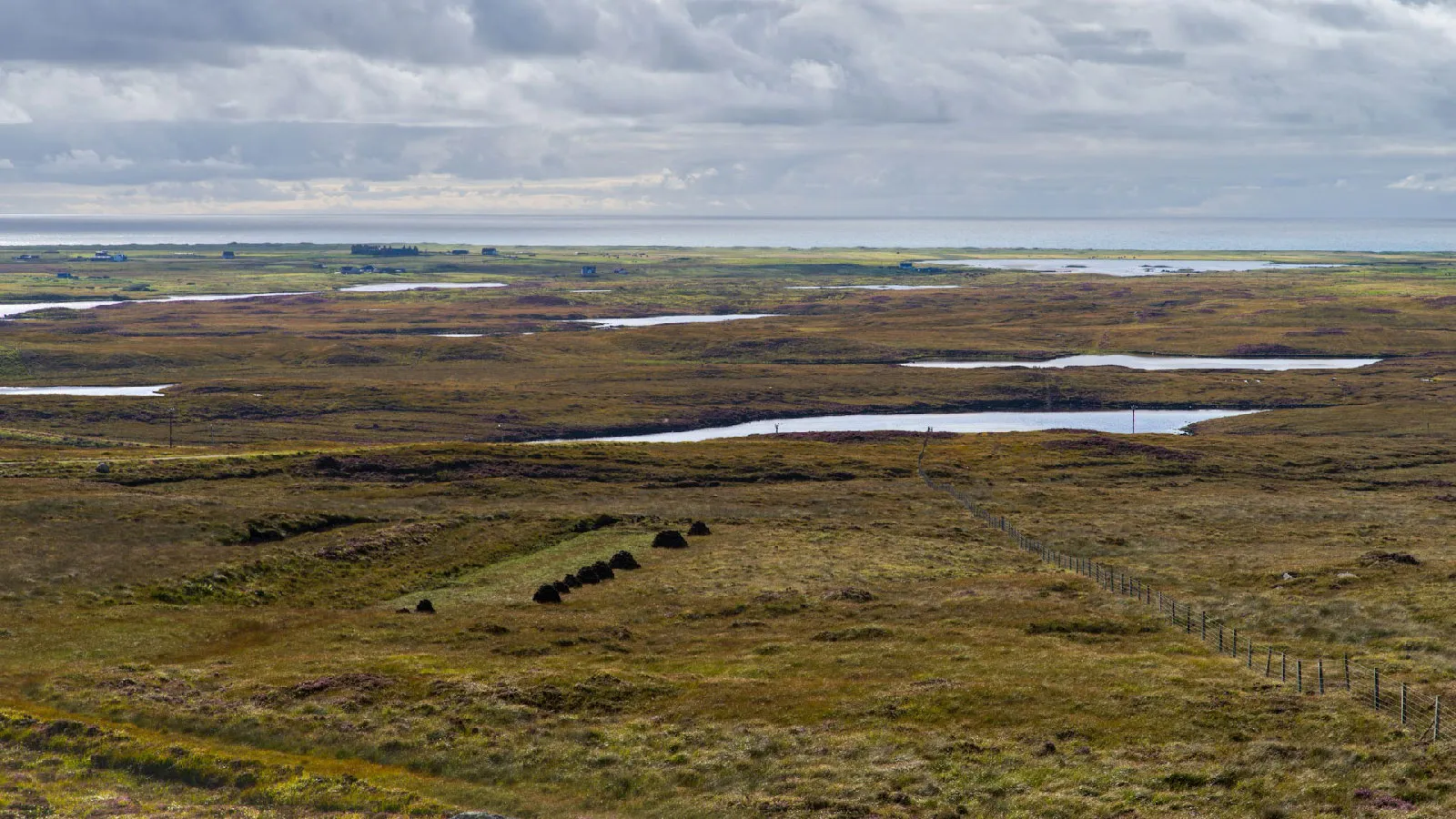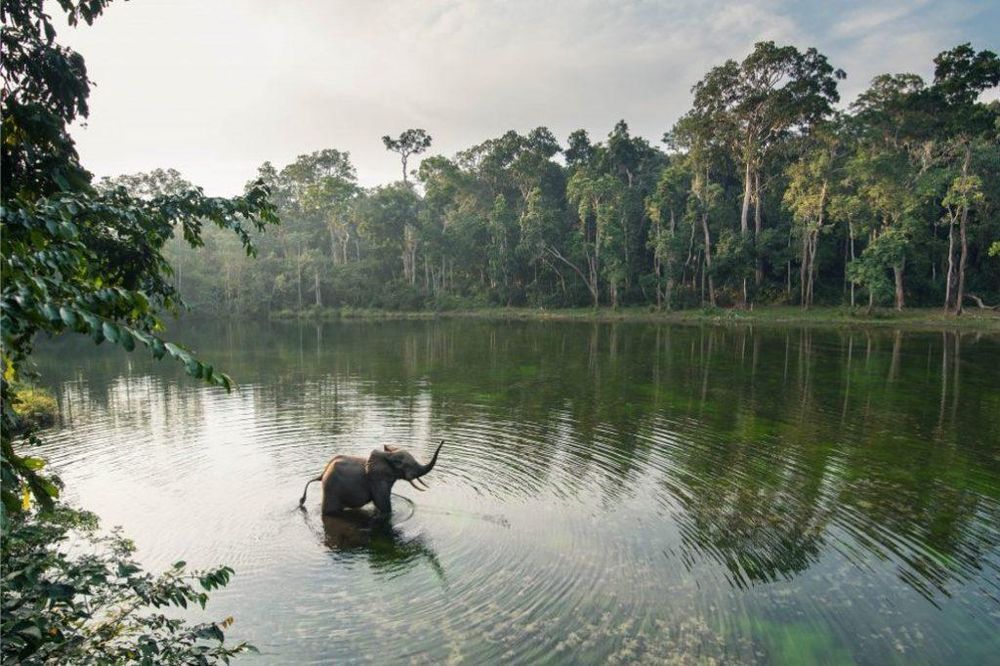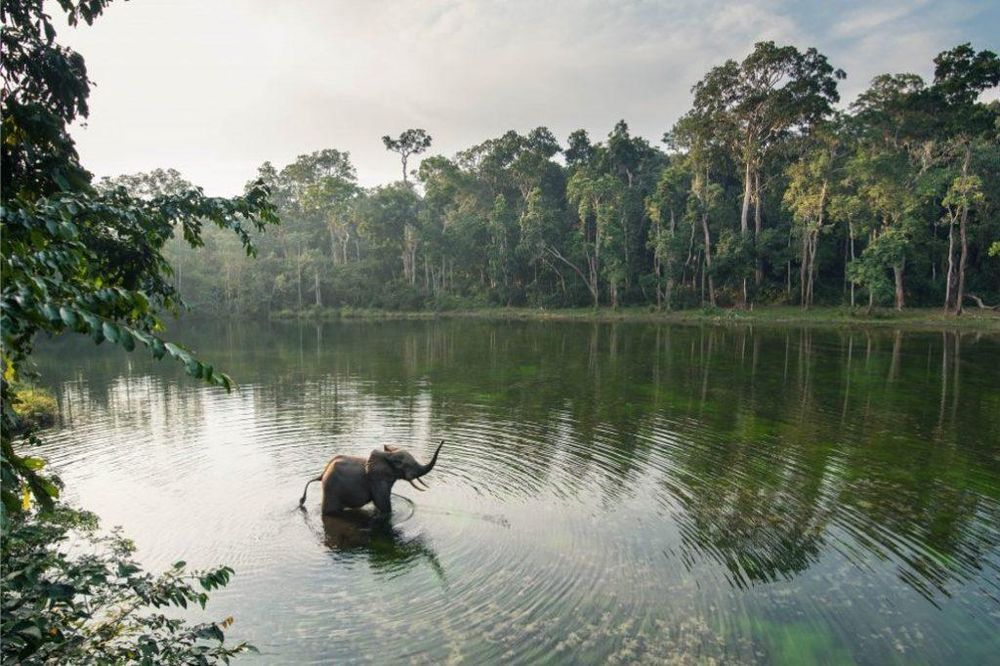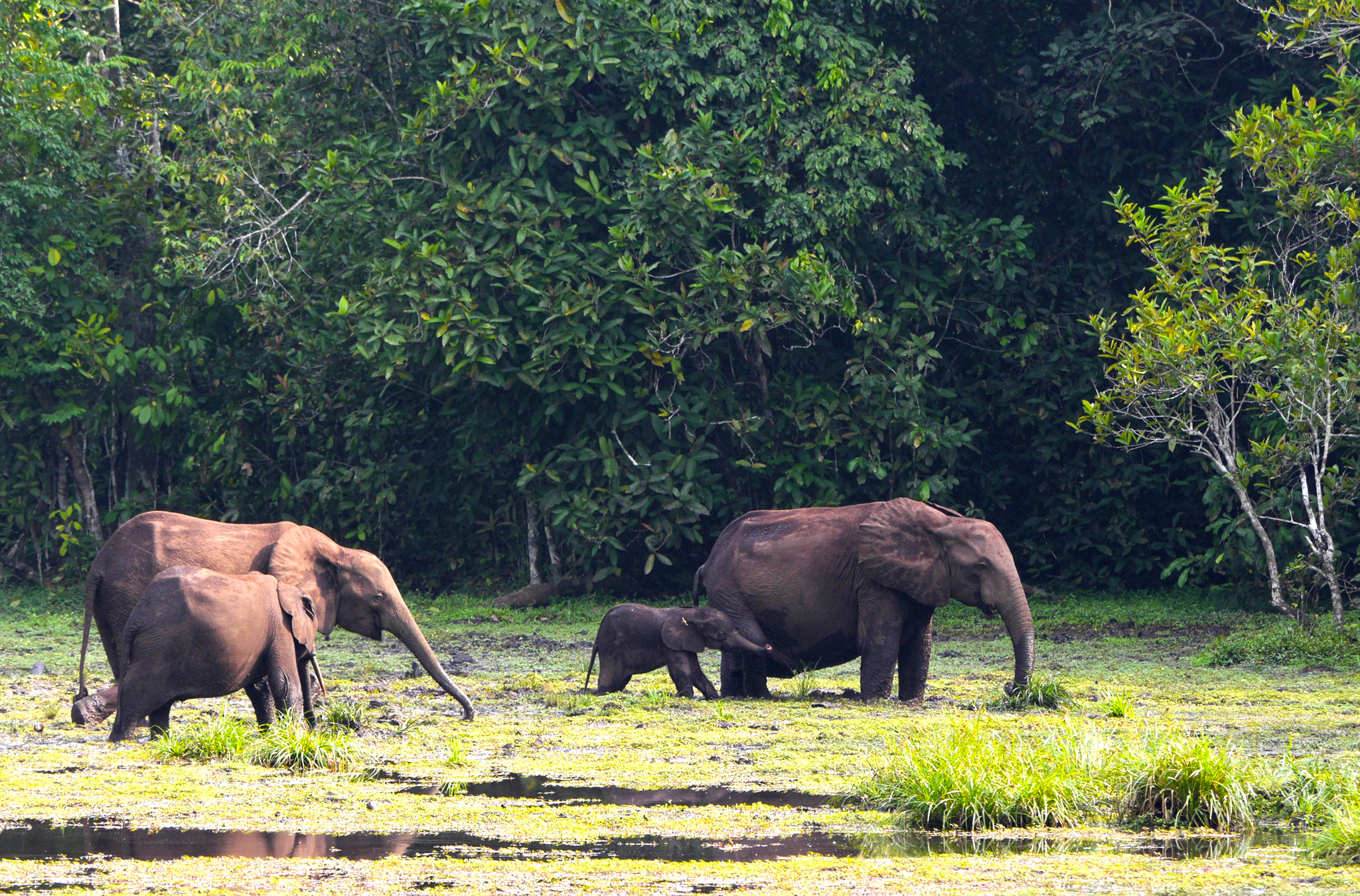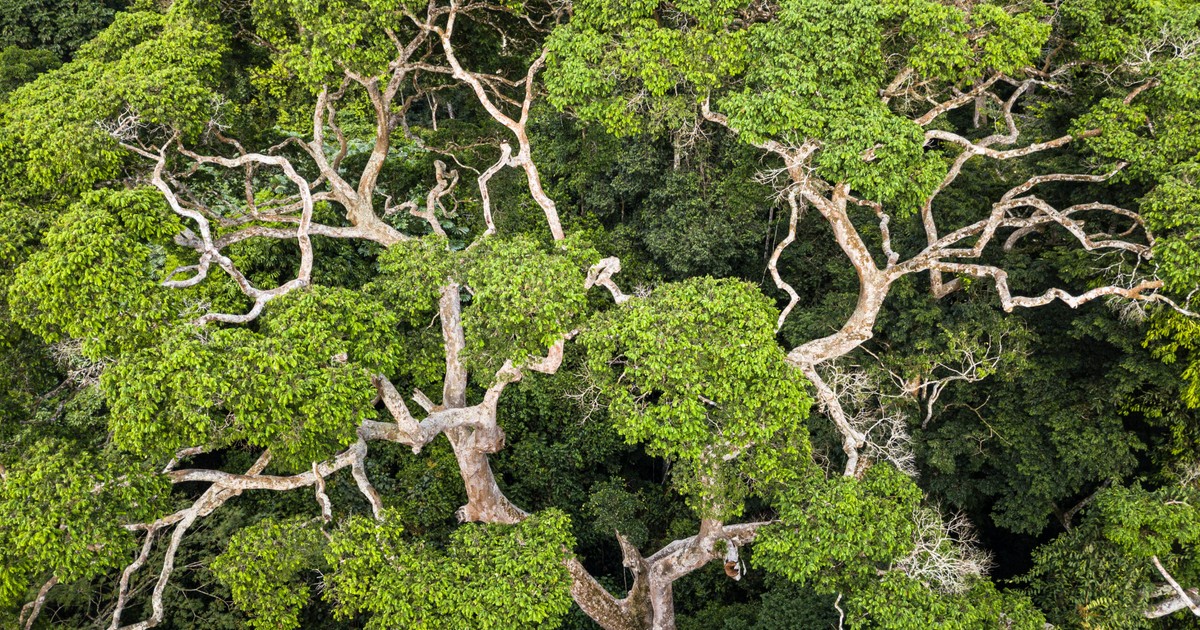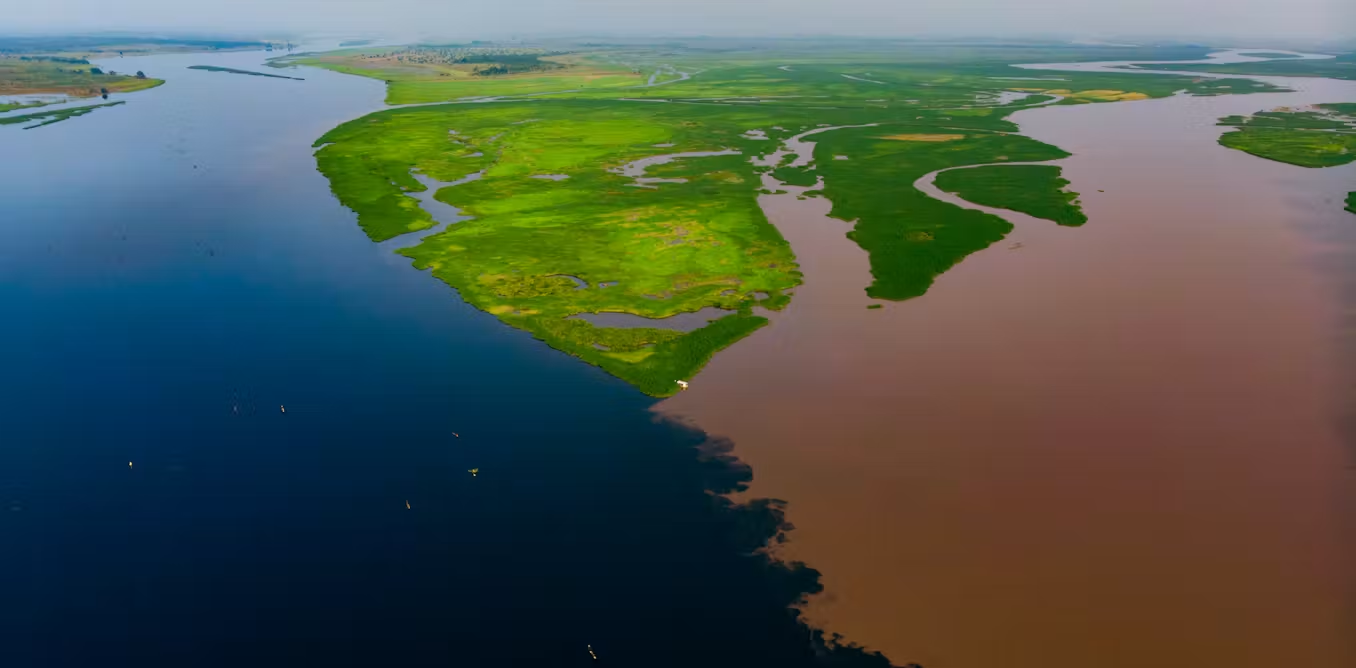
In the heart of the Congo Basin’s Cuvette Centrale, a large depression hosting the world’s biggest tropical wetland complex, lie two vast, shallow blackwater lakes, Lake Tumba and Lake Mai Ndombe. Together they are roughly the size of 420,000 football fields.
These lakes include extensive swamp forests and peatlands that store enormous amounts of carbon and regulate water flows in the Democratic Republic of Congo. The floodplain lakes are shaped by rivers, wetlands and changing water levels over thousands of years.
The lakes’ waters are so dark because of dissolved organic matter that has seeped in from the surrounding swamp forests, very much like black tea. Underlying the swamp forests is peat – highly organic soil which has accumulated over millennia from slow decomposition of waterlogged plant material.
À lire aussi :
Congo’s blackwater Ruki River is a major transporter of forest carbon – new study