A new study finds that lakes are likely releasing carbon that’s been held in the peatlands of the Congo Basin for thousands of years.Scientists know these lakes release carbon dioxide, which until now was thought to result from recently decayed plant matter.A team of researchers radiocarbon-dated carbon from water samples to show that some of the CO₂ probably has much older origins, reporting their findings in a new study.The authors says more work is needed to understand the implications of this ancient carbon release for carbon dynamics and climate change.
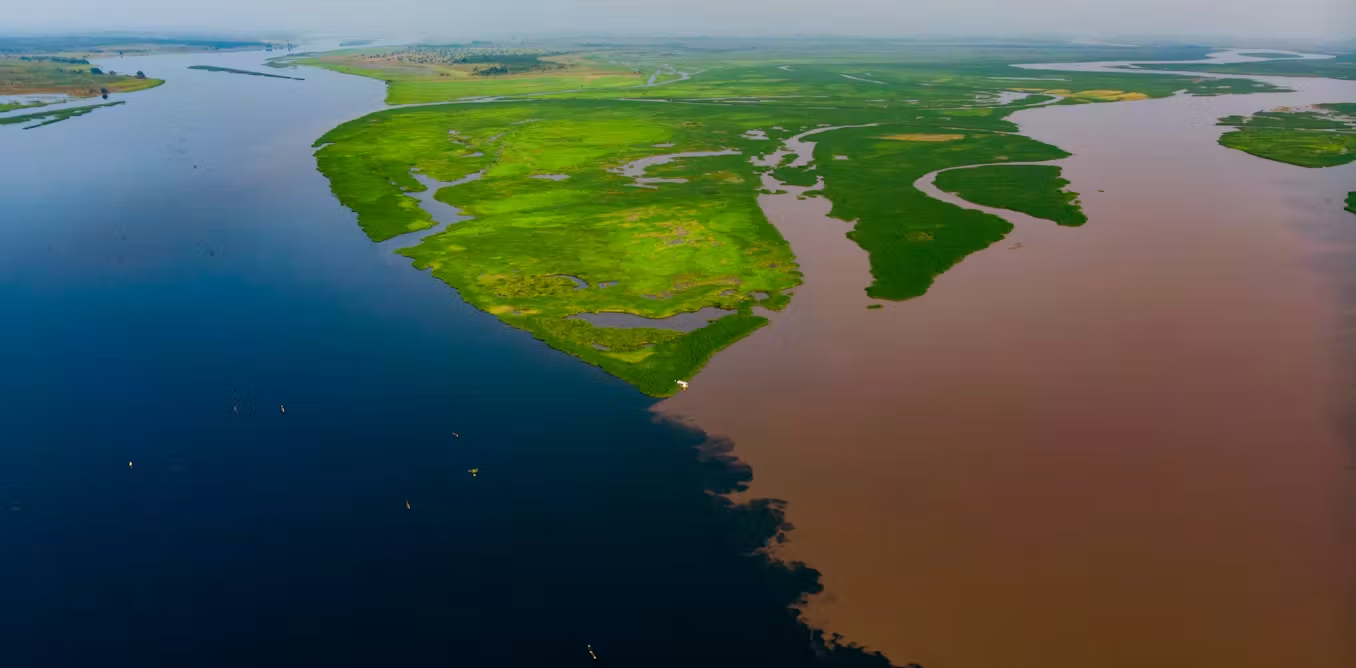
Across the central Congo Basin lies a bastion of carbon that scientists are just beginning to understand. First mapped only about a decade ago, the Cuvette Centrale peatlands are the size of England and hold some 30 billion metric tons of carbon.
Over thousands of years, the swampy conditions in this part of Central Africa have slowed the decay of plant matter falling from the forest above. The process leads to the development of peat, and the peatlands in the Congo Basin are the largest known repository in the tropics. Across the millennia, enormous amounts of carbon have built up and been stashed away inside the peat.
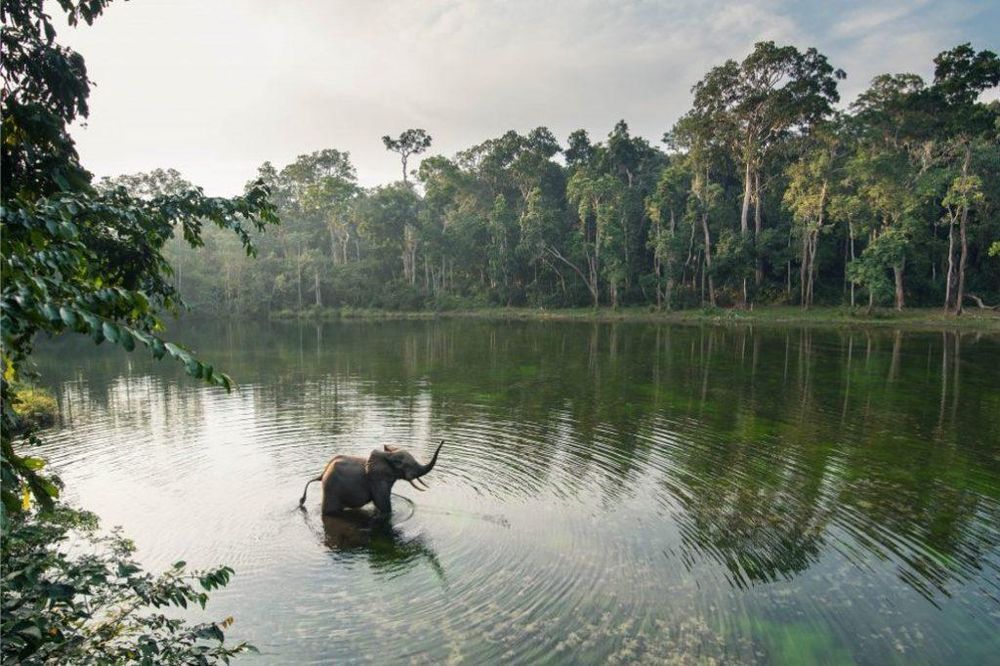
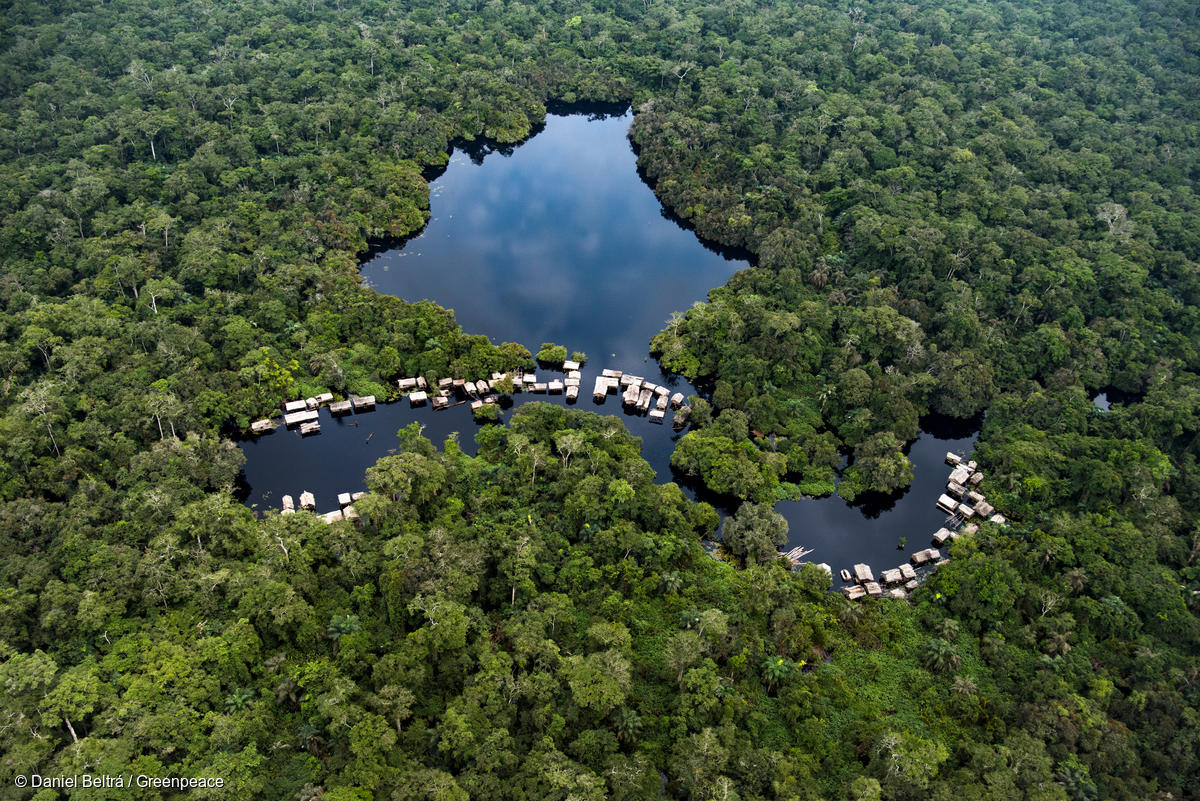
Recent research now suggests that some of that very old carbon may be returning to the atmosphere through lakes that form amid peatlands — similar to the way smoke escapes a fireplace through a chimney, according to the authors. It’s a finding that opens new questions about how we account for the cycling of carbon through these ecosystems and the resulting influence on climate change.